Table of Contents
- Introduction to Indianapolis 2026 Projects
- Indianapolis 2026 Development Projects: Key Changes and Impacts
- How Indianapolis 2026 Projects Affect Buying and Selling
- Checklist for Living Through Indianapolis 2026 Changes
- FAQs About Indianapolis 2026 Developments
- Closing Thoughts on Indianapolis Real Estate Changes
Introduction to Indianapolis 2026 Projects
The next year will feel different across the city. Indianapolis 2026 development projects are moving beyond single headlines and into a web of coordinated upgrades — a new headquarter hotel and convention expansion downtown, reimagined public spaces, major interchange rebuilds, trail connections, and riverfront upgrades. Below I walk through 15 projects you should know, why they matter, and practical tips for living, visiting, or investing as the changes come online.
Use this as a neighborhood map for what to watch in 2026. Each section includes who will feel the change most and a quick tip that saves time, reduces stress, or helps make a better move.
VIEW HOMES FOR SALE IN INDIANAPOLIS
Indianapolis 2026 Development Projects: Key Changes and Impacts
Signia by Hilton #1
The Signia by Hilton and the Indiana Convention Center expansion are two of the biggest pieces of the Indianapolis 2026 development projects puzzle. An 800-room headquarter hotel connected by a skywalk to the convention center increases downtown’s capacity for weekday conventions and large events.
Why it matters
More weekday convention traffic means more consistent demand for downtown hospitality, restaurants, and short-term rentals. Condo owners, investors, and nearby small businesses will see busier weekdays and larger event crowds.
Tip
On big weekends avoid hunting for curbside parking near the convention core. Park a few blocks out in a garage and walk — that area regularly turns into gridlock during major events.
Georgia Street #2
Georgia Street is being converted into a pedestrian-first event spine between the convention center, Lucas Oil Stadium, and Gainbridge Fieldhouse. This block, central to Indianapolis 2026 development projects, will host programming, festivals, and a smoother connection between conventions and game nights.
Why it matters
When a key block becomes car-free it changes foot traffic patterns and weekend energy. Residents, weekend visitors, and business owners along Illinois Street and Capitol Avenue will notice more walking traffic and event programming spilling into surrounding streets.
Tip
For ride-share pickups avoid asking to be dropped on Georgia Street. One block north or south is usually faster and cheaper for both you and the driver.
Kimpton Hotel #3
Built inside the historic Odd Fellows building near Monument Circle, this Kimpton-style boutique hotel adds a rooftop restaurant and ballroom space — another downtown draw included in Indianapolis 2026 development projects that increases nightly activity and destination dining in the walkable core.
Why it matters
More guests staying in the center means more foot traffic seven days a week and more people choosing to stay downtown instead of commuting in for dinner or events.
Tip
On busy nights park a couple of blocks away and walk into the circle to avoid searching for the increasingly scarce curbside spaces.
Motto by Hilton #4
A Motto by Hilton is converting the old King Cole building right on Monument Circle. This is another example of the Indianapolis 2026 development projects trend: adding hotel inventory to the most walkable part of the city.
Why it matters
More rooms on the Circle equals more weekend visitors and steady demand that spills into restaurants, bars, and retail nearby — helpful for downtown landlords and local businesses.
Tip
If you're just popping into the Circle for a meal, avoid driving directly to Meridian. Park a few blocks out and walk in to save time during peak check-in and dinner hours.
Circle Centre Mall / Traction Yards #5
Circle Centre Mall is being transformed into Traction Yards, a mixed-use, open-air district. This is one of the biggest urban shifts in the Indianapolis 2026 development projects list: turning an enclosed mall into pedestrian-focused retail, dining, and public gathering space in the Convention/Georgia Street spine.
Why it matters
Construction and tenant relocations will alter how people move through this part of downtown. Workers, residents, and retail owners who depend on foot traffic will feel shifts during the transition.
Tip
Check skywalk access and garage entrances before you go. Temporary closures and one-way street detours can change your best route into the core.
Henry Street Bridge #6
The Henry Street Bridge is coming back as both a car route and a pedestrian-bike friendly connector across the White River. This project is central within the group of Indianapolis 2026 development projects that aim to knit downtown to the near west riverfront.
Why it matters
New crossing capacity reduces pressure on existing routes and improves access between downtown and west-side neighborhoods. Commuters and neighborhood residents will find some neighborhoods feel closer than they did before.
Tip
Expect detours and shifting traffic patterns during construction phases. Use navigation, especially on weekends, instead of relying on muscle memory.
Indianapolis Cultural Trail — White River Expansion #7
The Cultural Trail expansion reaches across the river, tying downtown’s wholesale district to the near west side and connecting to the Henry Street Bridge. This is a key non-automotive link among the Indianapolis 2026 development projects that changes how people walk and bike between neighborhoods.
Why it matters
Walk-bike commuters, runners, and families choosing homes near trails will gain a true connector rather than a destination loop. The near west side becomes a practical commute option for more people.
Tip
When it opens treat the new stretch as a connector. Try it during a weekday morning to see how it functions as part of daily travel, not just a weekend stroll.
White River State Park Expansion #8
On the west bank the White River State Park expansion adds a pavilion, river theater, promenade, and green space. Together with the Henry Street Bridge, it’s one of the public-space anchors among Indianapolis 2026 development projects that creates new recreational destinations.
Why it matters
Riverfront upgrades attract weekend and family trips and change downtown recreational patterns. Nearby residents and hospitality businesses benefit from increased visitation.
Tip
Treat new riverfront elements like an event venue. Check programming calendars to avoid crowds or plan visits for quieter weekday mornings.
Clear Path 465 / I-69 Interchange #9
Clear Path 465 is a major interchange rebuild on the northeast side that reconfigures ramps and adds lanes to reduce weaving and merging issues. This is one of the largest traffic-focused items in the Indianapolis 2026 development projects list.
Why it matters
North-side commuters will see their daily routes change. A single ramp opening or closure can abruptly alter commute time and the best way to reach I-69 or 465.
Tip
Don’t rely on muscle memory for this interchange. Use GPS every trip until patterns stabilize and expect intermittent lane or ramp restrictions through summer 2026.
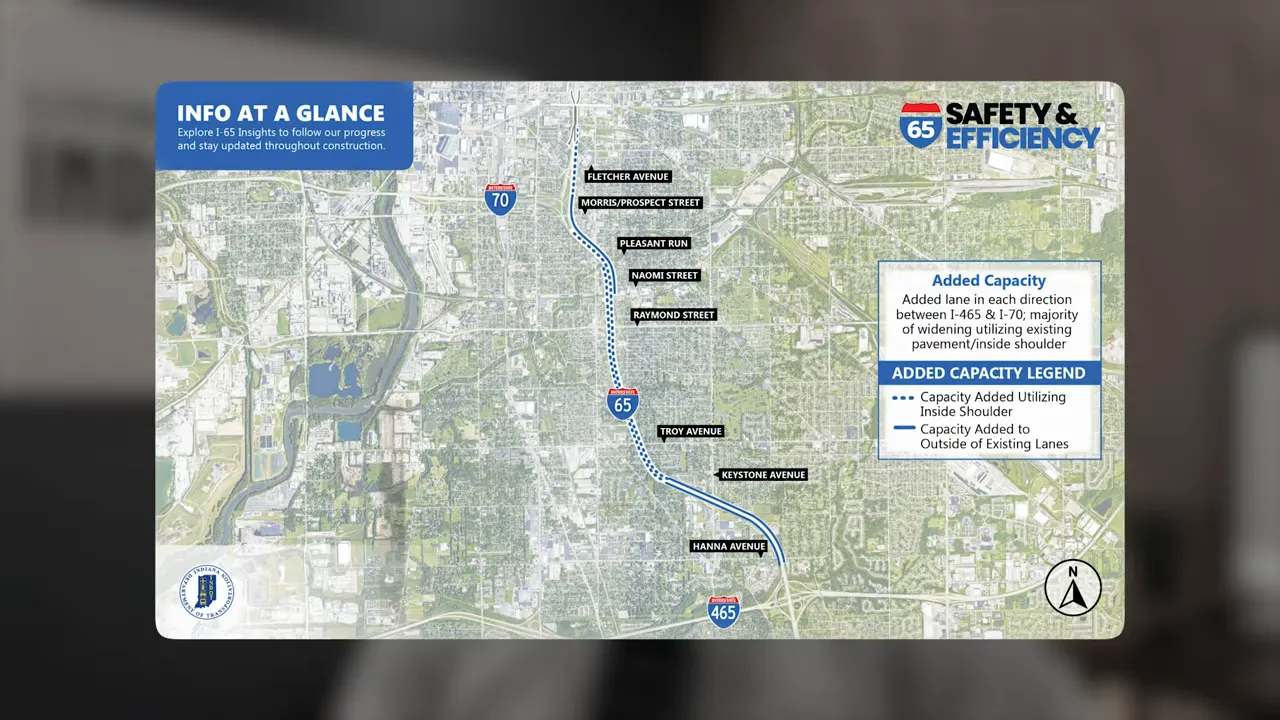
I-65 Safety and Efficiency Project #10
On the southeast side I-65 gets widened by adding a travel lane in each direction (using the inside shoulder) and receiving upgrades to bridges, pavement, and drainage. This infrastructure work is another pillar among Indianapolis 2026 development projects focused on improving commute reliability.
Why it matters
Southside-to-downtown commuters and delivery drivers will notice lane shifts, ramp restrictions, and speed reductions during construction — but the long-term payoff is improved flow.
Tip
Check real-time traffic before every trip and know an alternate surface route if you’re heading downtown during peak or variable hours.
Level Up 31 (US 31 / I-465) #11
The Level Up 31 project rebuilds ramps and sections of US 31 and the I-465 interchange to improve safety and congestion for people traveling between Indianapolis, Carmel, Fishers, and points north. It’s a multi-phase effort within the broader set of Indianapolis 2026 development projects improving regional connectivity.
Why it matters
North-side commuters who travel between Carmel, Fishers, and Indianapolis will experience closures and detours during phases of the work.
Tip
Watch closure notices for the southbound US 31 ramp to 106th Street — it’s been a recurring detour and is expected to remain closed into spring 2026 in some phases.
Nickel Plate Trail Completion #12
The final link for the Nickel Plate Trail is being put in place at the 96th Street bridge, creating a continuous trail from Fishers into Indianapolis and connecting to Fall Creek and Monon routes. This trail completion ranks high among Indianapolis 2026 development projects for active-transportation benefits.
Why it matters
Cyclists, runners, and families who pick neighborhoods for trail access will gain a true, continuous connector that supports commuting, not just leisure rides.
Tip
When it opens try the link on a weekday morning to see how it performs as a commuter route rather than a weekend attraction.
Lucas Oil Stadium Upgrade #13
Lucas Oil Stadium is getting a technology and infrastructure refresh that includes a full Wi-Fi replacement, higher-definition video displays, new audio, turf updates, and roof improvements. This upgrade is a targeted but important item inside the Indianapolis 2026 development projects that improves the downtown event experience.
Why it matters
Better connectivity and AV makes games, concerts, and conventions more enjoyable. Hospitality staff, nearby businesses, and property owners in the core benefit from enhanced event-day experiences.
Tip
Treat major event weekends like airport travel: arrive earlier and avoid last-minute parking searches. Park a bit farther and walk in to save time leaving the area.
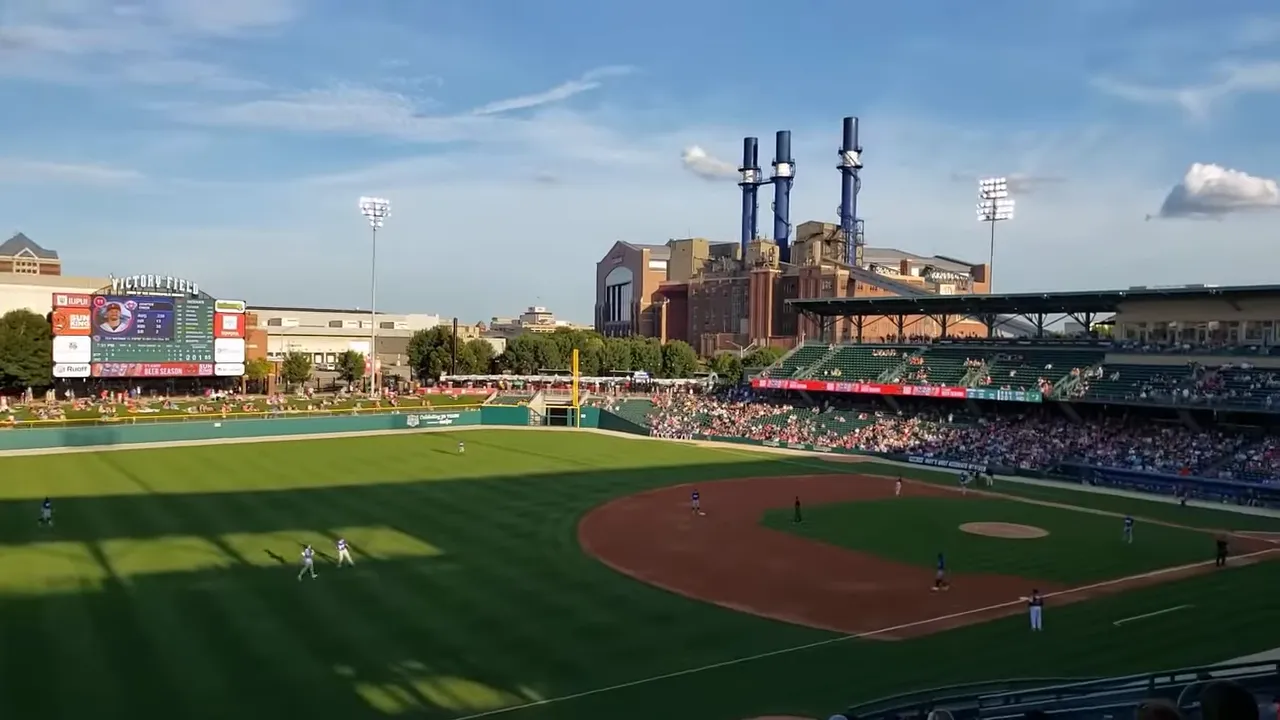
Victory Field Seating Replacement #14
After the 2026 season Victory Field will replace all seating — a necessary upgrade for one of downtown’s most family-friendly attractions. This work is one of the smaller but meaningful items in the Indianapolis 2026 development projects list because it impacts public enjoyment and operational comfort.
Why it matters
Families and downtown regulars will notice improved comfort and circulation at games. Local restaurants and bars that rely on summer crowds will continue to benefit from consistent foot traffic.
Tip
On crowded game nights park slightly farther and walk in; you’ll usually get out of downtown faster than chasing the nearest garage.
Indianapolis Transit Center Expansion #15
The Julia M. Carson Transit Center is getting two new docking bays with a raised platform to improve bus circulation and support future Blue Line service. This transit-focused item plays into the broader Indianapolis 2026 development projects aim to improve downtown access without a car.
Why it matters
Commuters, service workers, and anyone who relies on curbside pickups and drop-offs near East Washington will notice changes to metered parking and bus circulation.
Tip
Expect some metered spaces to be removed to make room for the raised platforms. If you pick up or drop off often, allow extra time while patterns settle.
How Indianapolis 2026 Projects Affect Buying and Selling
Timing a move around infrastructure and amenity changes can give you an advantage. Indianapolis 2026 development projects will shift buyer pools, demand patterns, and commuting convenience. Areas gaining trail connections, improved riverfront access, or proximity to new hotels and convention traffic often see increased interest from buyers who prioritize walkability and weekend demand.
If you are buying, getting ahead of the most positive shifts — near the Cultural Trail expansion, the Henry Street Bridge, or the Traction Yards redevelopment — can lock in a property in a neighborhood that becomes more desirable as projects complete. If you are selling, these projects can suddenly change who your buyers are and what they’re willing to pay based on proximity to new amenities and commute improvements.
Checklist for Living Through Indianapolis 2026 Changes
- Use GPS instead of muscle memory near active construction zones (Clear Path 465, I-65, Level Up 31).
- Plan parking around big events — park a block or two away and walk in.
- Test trail links on weekdays to understand how they function for commuting, not just weekend use.
- Check event calendars before visiting new riverfront spaces or pedestrian plazas to avoid crowds.
- Monitor phased closures for interchange and ramp work; these projects will change routes quickly as ramps open or close.
THINKING OF BUILDING YOUR NEXT HOME? HERE'S A LOCAL GUIDE TO BUILDERS AND PITFALLS
FAQs About Indianapolis 2026 Developments
How will Indianapolis 2026 development projects affect home values?
Proximity to new amenities — trails, riverfront parks, and expanded convention capacity — typically increases demand. Neighborhoods that gain direct trail access, improved riverfront connectivity, or easier downtown access through new bridges and ramps tend to see stronger buyer interest and price appreciation over time.
Which Indianapolis 2026 development projects will change daily commutes the most?
Large traffic projects like Clear Path 465, I-65 Safety and Efficiency, and Level Up 31 will change commuting patterns the most. They reconfigure ramps, add lanes, and reduce weaving, which can shift the quickest routes and alter peak travel times.
When will the biggest projects be completed?
Many projects have 2026 target dates: the Signia hotel and convention expansion aims for late 2026, Clear Path 465 ramps expect completion by summer 2026, and several trail and riverfront phases target late 2026. Timelines are subject to change, so check official project pages for current schedules.
How should I plan visits to downtown during major events?
Treat major event weekends like travel days. Arrive early, park off-site and walk, use transit where available, and avoid trying to enter the immediate event block at the last minute. If you’re using ride share, pick a nearby street one block away from the event spine to reduce pickup delays.
Where can I find updates on these projects?
Project pages hosted by the city, state, or the Capital Improvement Board usually publish updates, lane closure notices, and construction timelines. Local municipal websites and regional transportation agencies are the best sources for current information.
Indianapolis 2026 development projects are not isolated improvements; they are a network of changes that together reshape walkability, traffic flow, event capacity, and public space. If you want to talk neighborhood-by-neighborhood about how these projects affect a specific address or where to buy based on shifting demand, reach out and I can share targeted guidance tailored to your price range and priorities.
Closing Thoughts on Indianapolis Real Estate Changes
As Indianapolis continues to evolve with these exciting 2026 development projects, now is the perfect time to consider how these changes could affect your buying or selling decisions. Whether you're planning to invest in one of the emerging neighborhoods or simply want to stay ahead of the curve, understanding these developments can give you a significant advantage in the market.
If you're looking to navigate these changes and find the best opportunities in Indianapolis, don’t hesitate to reach out. Call or text me today at 317-932-8620 to discuss how these projects can impact your real estate goals.
READ MORE: The Ultimate Guide to Moving to Greenwood IN: Top Neighborhoods, Schools & Cost of Living