Table of Contents
- Top 7 Hot Takes on Living in Indianapolis
- Hot Take #1: Indianapolis’ “Boring” Reputation
- Hot Take #2: Indianapolis Winter and Gray Skies
- Hot Take #3: Different Lifestyles Across Indianapolis Areas
- Hot Take #4: I-465 and Indianapolis Commute Reality
- Hot Take #5: Indianapolis Affordability by Neighborhood
- Hot Take #6: The Monon Trail and Indianapolis Lifestyle
- Hot Take #7: Crime in Indianapolis Is Hyper-Local
- Using These Hot Takes When Moving to Indianapolis
- Final Thoughts on Living in Indianapolis
- FAQs About Moving to Indianapolis
Top 7 Hot Takes on Living in Indianapolis
Indianapolis often shows up on lists as affordable, practical, and quietly comfortable. Those points are true, but the everyday reality of living here includes trade-offs people only notice after they unpack. The way you feel at 7:30 a.m., how long your commute actually takes, whether winter drains your energy more than the thermostat raises your bill—those factors matter more than neighborhood names or national headlines.
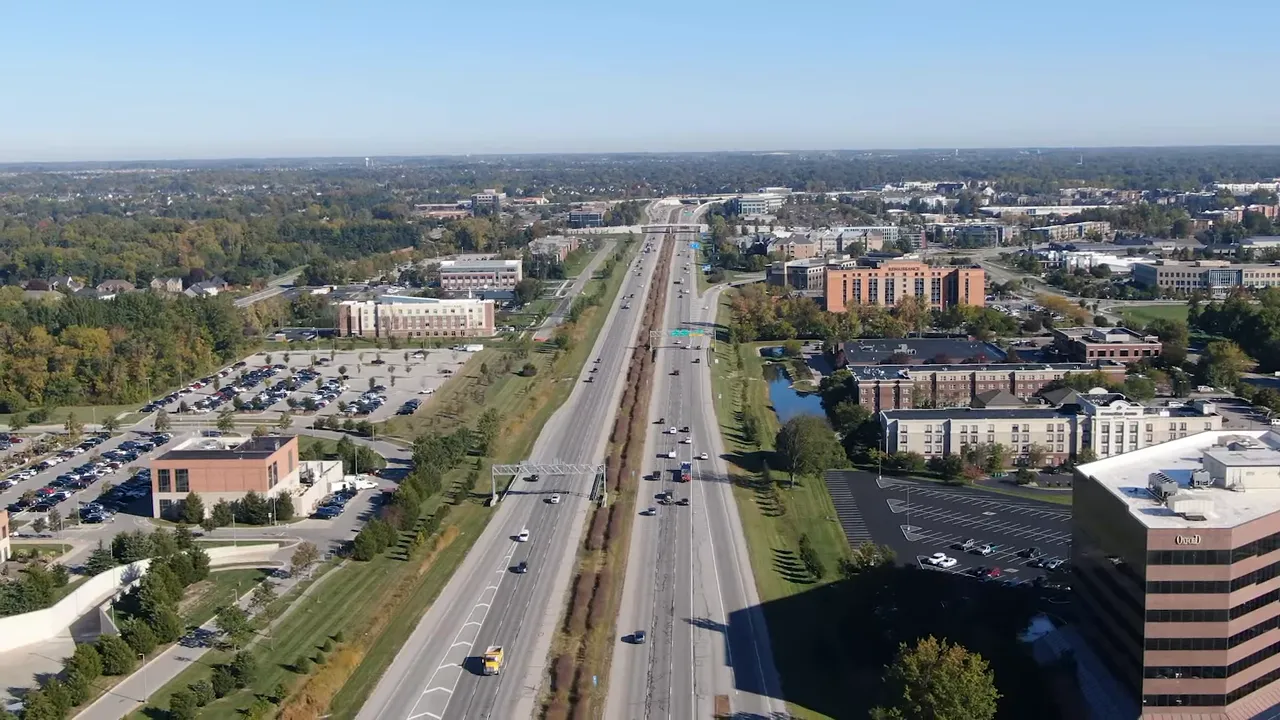
Below are seven sharp, honest takes that will help you decide whether Indianapolis matches the lifestyle you want. If you plan your move around your commute, your routines, and the kind of everyday life you actually want, you’ll be far less likely to end up regretting it.
VIEW HOMES FOR SALE IN INDIANAPOLIS
Hot Take #1: Indianapolis’ “Boring” Reputation
People fall into two camps when they hear “Midwest” and “Indy.” Some expect excitement and big-city hustle; others are relieved to find fewer headaches. The truth is that the slower, less flashy side of Indianapolis is also what makes it livable. You still get the cultural amenities—festivals, concerts, sports—but they are easier to reach and less expensive to enjoy.
On the numbers side, the metro median home price hovered near $300,000 at the end of 2025, and cost of living indexes show the area about 14% cheaper than the US average. That isn’t just a talking point; it translates into more breathing room for monthly budgets, bigger home options for the same money, and generally less friction in daily life.
Practical tip: before committing, spend at least a week following your real routines—drive your morning commute at the same time you’ll do it, visit grocery stores you’ll use, and try a typical weeknight dinner run. If the pace feels like relief, you’re probably aligned. If it feels like a punishment, look at different parts of the metro or consider a different city.
Hot Take #2: Indianapolis Winter and Gray Skies
The cold itself is rarely the main issue in Indianapolis. What drains people over the winter months is the long stretches of gray sky and muted light. Fall can be spectacular, which tricks a lot of newcomers into thinking that the weather is sunny more often than it actually is.
Climate data for the area shows a higher average sky cover in winter, often translating to mostly cloudy or broken skies. That reduced daylight and earlier sunset can chip away at motivation and mood—not a monthly bill many people budget for.
Practical adjustments:
- Prioritize natural light when house-hunting—look for large windows and open layouts.
- Invest in daylight lamps or light therapy if you know you’re sensitive to reduced sun.
- Plan social and activity buffers in winter: classes, memberships, or regular meet-ups to keep momentum.
Question to ask yourself: are you moving for affordability if it means trading a lot of sunlight and the way you feel during darker months? That trade-off is real and worth considering before signing anything.
Hot Take #3: Different Lifestyles Across Indianapolis Areas
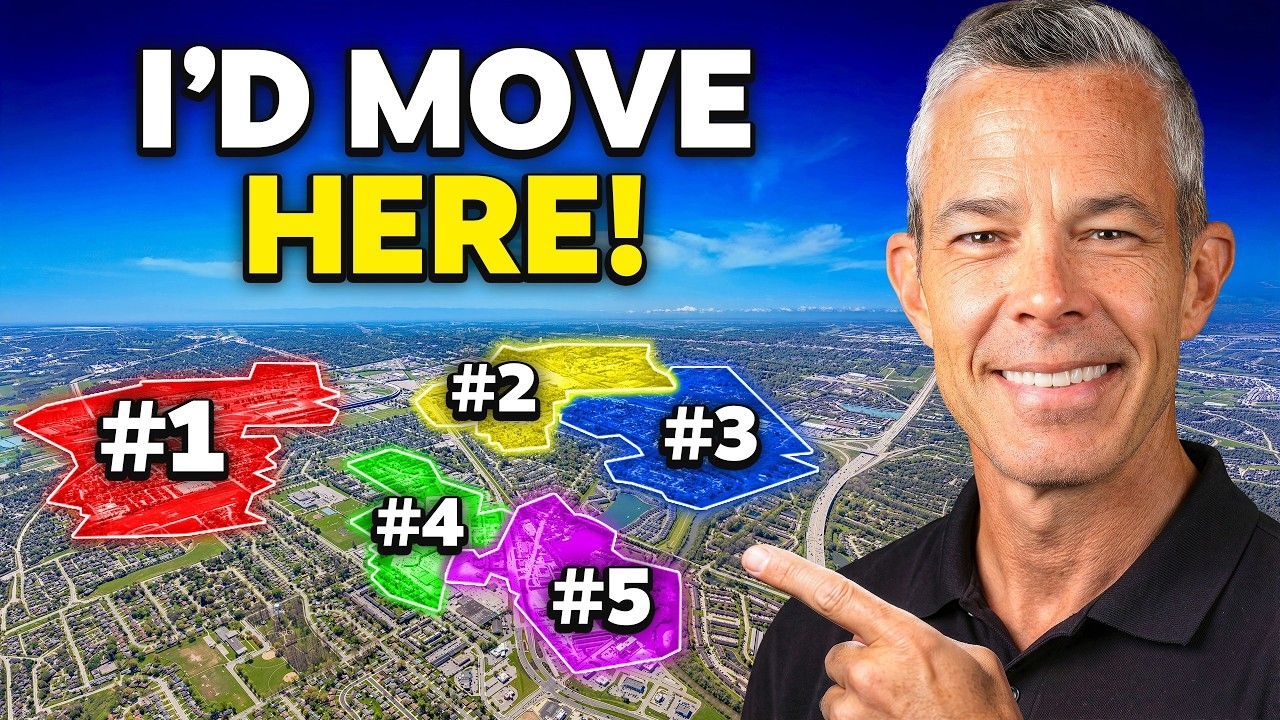
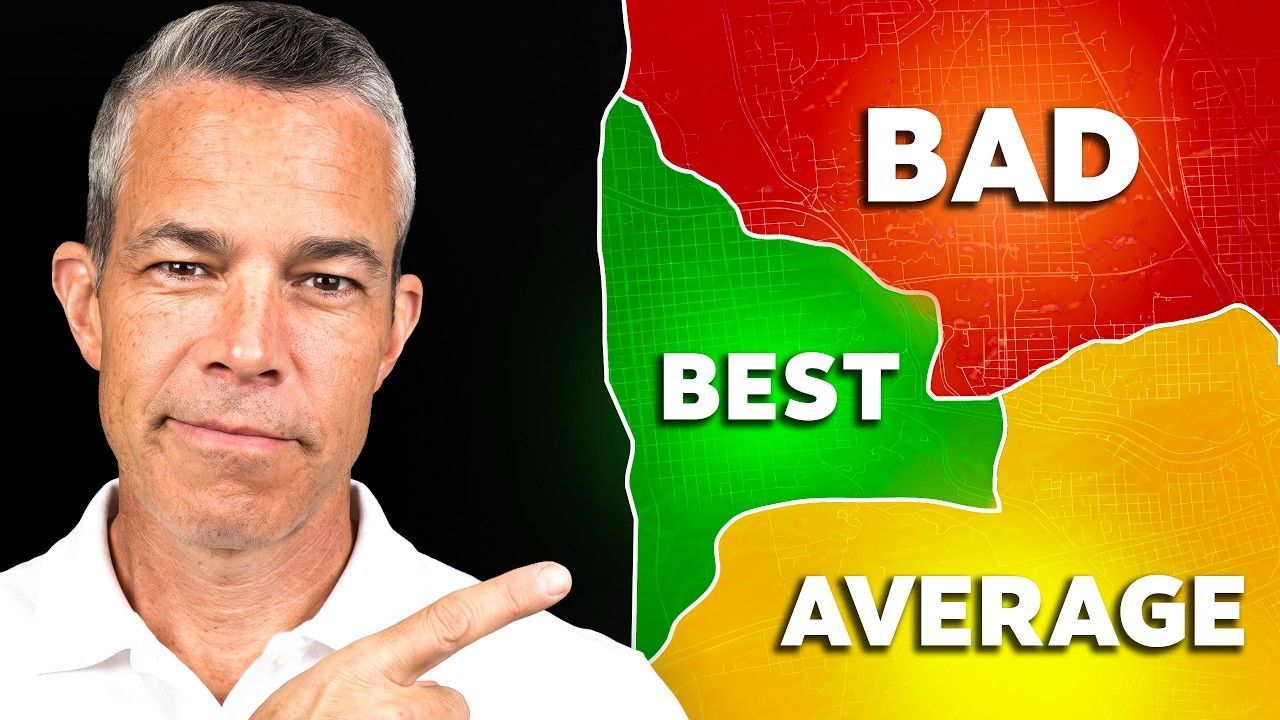
The Indy metro is home to over 2.2 million people, but it does not behave as one single city. Broad Ripple feels very different from downtown, which is different from Fishers, Carmel, Greenwood, or Noblesville. Those differences are lifestyle choices more than geography: walkable, social neighborhoods; lakeside and quieter suburban towns; master-planned family communities; and downtown urban cores with condos and events.
The single biggest mistake people make is falling in love with a city on paper—then placing themselves in a neighborhood that doesn’t match how they live. Pick your day-to-day first. Ask:
- Do I want walkable evenings and short trips to restaurants?
- Will I commute downtown or to a suburban job center?
- Do I need a strong trail system nearby for daily exercise?
The house is a detail that comes after you lock down the neighborhood that supports your routine.
Hot Take #4: I-465 and Indianapolis Commute Reality
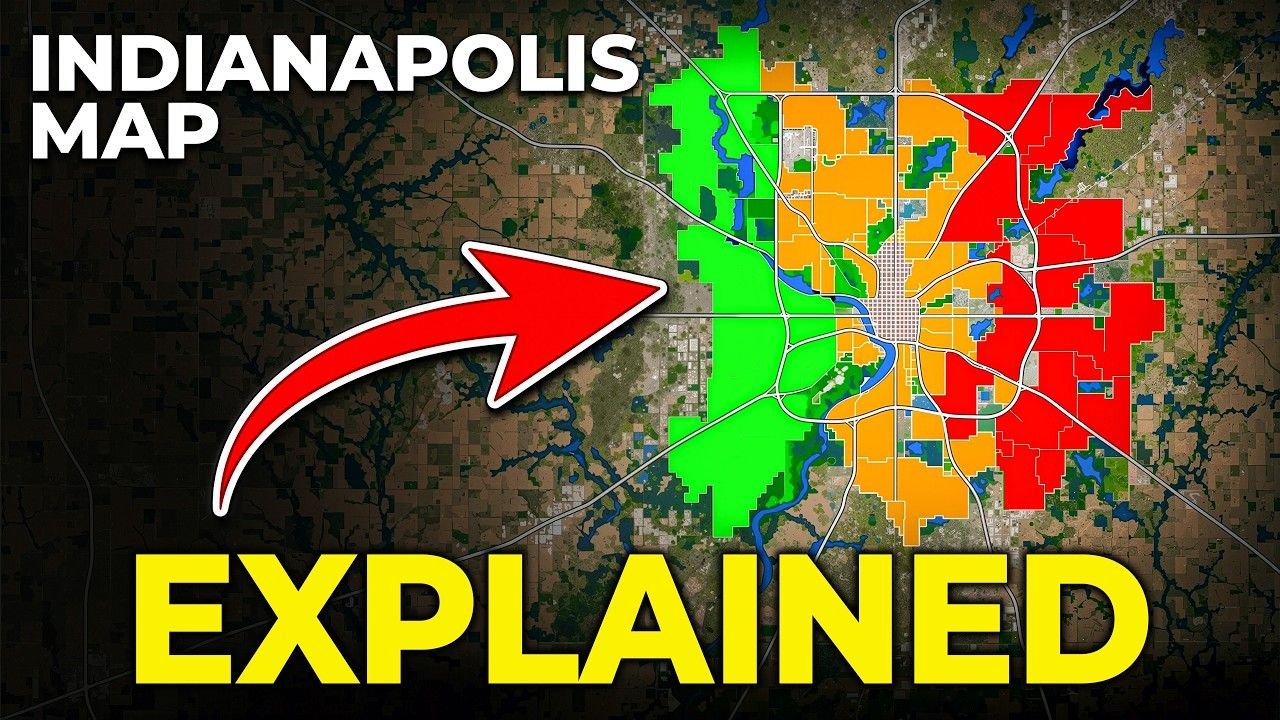
Many people assume the I‑465 loop is the edge of Indianapolis. In practice, the city's address footprint stretches beyond, and neighborhoods inside the loop vary dramatically. I‑465 is efficient much of the time, but it also creates choke points during commuting windows. A drive that takes 15 minutes at noon could double at 7:30 a.m.
Ongoing projects like Clear Path 465 (a major rebuild affecting I‑465 and I‑69) aim to improve flow, especially on the northeast side where traffic from Fishers and Noblesville funnels into the city. Those improvements help, but growing suburbs mean the volume of cars keeps increasing.
Practical tips:
- Test your commute at the exact times you will be traveling, in both directions.
- Use your phone’s GPS to simulate routes from anywhere in the world and check congestion at different times.
- Remember that commute stress is as important as commute time—daily anxiety adds up.
Hot Take #5: Indianapolis Affordability by Neighborhood
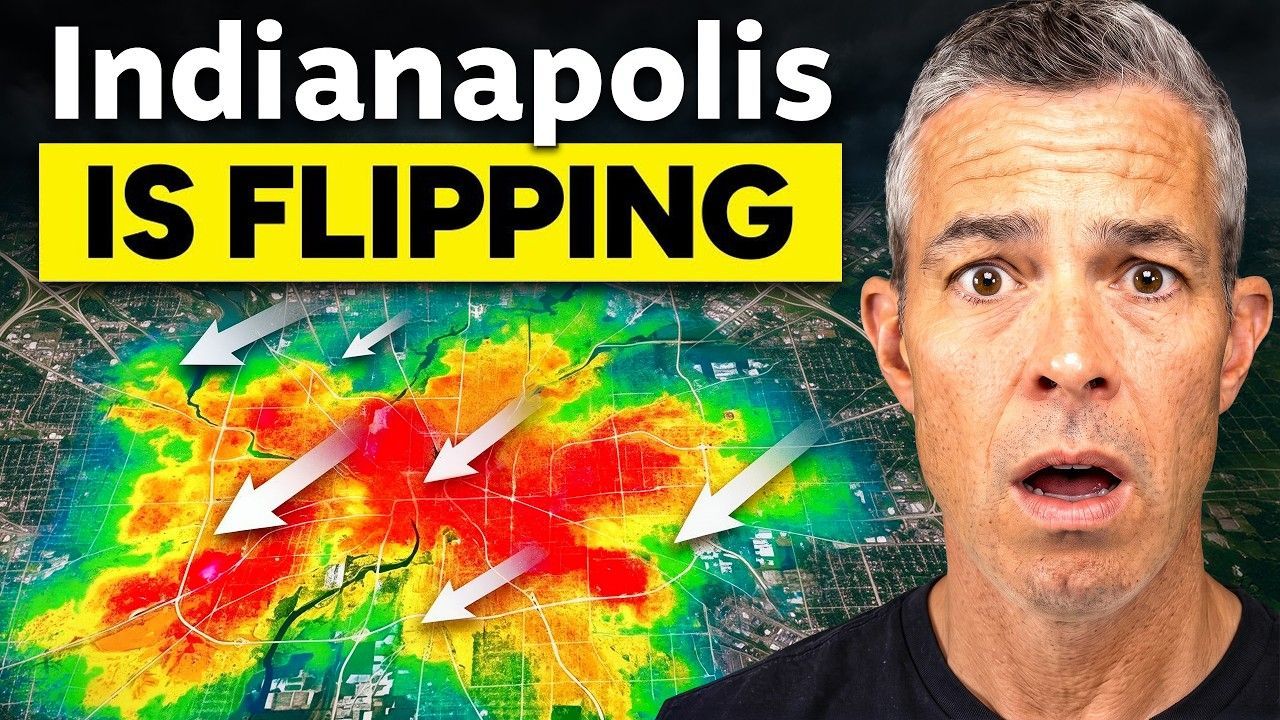
Metro-level statistics can hide dramatic local differences. While the metro median price may be near $300,000, some neighborhoods have been priced up for years and are appreciating faster as redevelopment projects land nearby. Downtown projects, hospital expansions, university growth, and large mixed-use developments are magnets for buyers and renters—and that pushes prices (and property taxes) up in surrounding pockets.
The Circle Centre redevelopment (a multihundred million dollar project) and other major downtown initiatives are not just downtown stories. They bring jobs and demand that ripple out into nearby neighborhoods and suburbs.
How to get ahead of change:
- Research planned developments within a 2 to 3 mile radius of a property.
- Watch for hospital, university, and mixed-use expansions—these are early signals of pricing pressure.
- If you rent, understand renewal exposure; if you buy, understand the effect on comparables and assessments.
Are you buying affordability now or buying the last calm year before your neighborhood morphs? Either decision can be valid—just be aware which one you are making.
Hot Take #6: The Monon Trail and Indianapolis Lifestyle
For many people on the north side, proximity to the Monon Trail is as important as a school district. The trail is part exercise route, part neighborhood park, and part social connector. It links the Bottleworks District, Midtown, Carmel’s arts district, Westfield, and extends up toward Sheridan—a continuous greenway that ties several communities together.
The Monon is 27 miles long and connects to other greenways. Living near it changes how you move through the city: you can grab coffee, bike to lunch, or let kids ride to nearby spots without hopping in the car. If you value walkability and lower car dependence, filter neighborhoods by trail access.
Weekend test: spend a Saturday near the trail. Get coffee, go for a short ride, grab lunch, and notice how often you use your car. If the answer is “rarely,” a Monon-adjacent location could be a strong fit.
Hot Take #7: Crime in Indianapolis Is Hyper-Local
Crime statistics for the whole city are headlines, but they do not describe what happens on individual blocks. Many parts of Indianapolis remain calm and safe, while other small pockets drive up citywide averages. That’s why headlines can mislead when you’re choosing a place to live.
Use local tools: the city provides public safety maps and police transparency portals that allow you to search incident reports by location. Research at the block or census block level—this will give you a realistic sense of safety where you will actually live, not just what a zip code average says.
Real-world test: walk, drive, and spend time in the exact loop you plan to live in. Notice lighting, activity in evenings, neighbors out walking, and whether businesses are open and maintained. Those clues tell you more than a Reddit thread or a one-line reputation.
Using These Hot Takes When Moving to Indianapolis
Make decisions based on routine, not just reputation. Your daily life is defined by commute, local amenities, and small comforts—sunlight, trails, and predictable travel times. A few practical steps to reduce surprises:
- Spend one full week living the routine you want in the area you’re considering.
- Test commutes at the exact times you will travel, both directions.
- Research planned developments within a 2 to 3 mile radius of target properties.
- Prioritize natural light and outdoor access if winter gray affects your mood.
- Check local crime maps at the block level and do a real-world loop test before committing.
If you follow those steps, you’ll be choosing a neighborhood that supports your life rather than hoping a house or ZIP code will fix incompatibilities.
VIEW HOMES FOR SALE IN INDIANAPOLIS
Final Thoughts on Living in Indianapolis
Indianapolis delivers a lot of value: affordability, accessibility, and a surprising variety of lifestyles inside one metro. But those advantages arrive with trade-offs that matter on the daily level. The “boring” reputation is actually a feature for many, winter can affect mental health more than heating bills, I‑465 patterns can reshape your quality of life, and the Monon Trail or a specific block can be the difference between thriving and merely getting by.
Think through the life you want to live at 7:00 a.m., 5:00 p.m., and on the average Saturday. Use the checklist above. If those answers line up with what Indianapolis offers, it’s a great place to settle. If not, you’ll at least know exactly which compromises you’re making. Ready to talk? Call or text me today at 317-932-8620.
FAQs About Moving to Indianapolis
Is Indianapolis really that affordable compared to other cities?
Yes, at the metro level Indy is more affordable than many larger coastal metros. Median home prices for the whole metro were near $300,000 at the end of 2025, and cost of living indexes show the area ~14% below the national average. However, affordability is uneven—some neighborhoods appreciate faster due to redevelopment and can be pricier than the metro median.
How much should I worry about winter if I’m used to southern sun?
If you rely on sunlight for energy, winter gray can be a real issue. It’s not just colder temperatures; it is extended overcast that reduces daylight. Prioritize homes with lots of natural light and consider light therapy or planned social activities to offset seasonal mood changes.
Will I‑465 make my commute unbearable?
Not necessarily, but I‑465 creates choke points at peak times. Test your commute at the actual times you’ll travel. Use GPS traffic tools to simulate routes. If your daily life relies on a segment of I‑465 that is a known bottleneck, expect variability and build that into your location decision.
How important is being near the Monon Trail?
It depends on your lifestyle. The Monon acts as a social and recreational backbone for parts of the north side. If you want walkability, frequent outdoor activity, or a neighborhood with a built-in social rhythm, the Monon matters a lot. If you’re car-first and suburban in preference, it may matter less.
How do I check safety for a specific street or block?
Use the city’s public safety mapping tools and the police department’s transparency portal to search incident reports by location. Look at crime patterns at the census block level and do a real-world loop test to assess lighting, activity, and neighborhood upkeep.
What’s the single best advice before I sign a lease or buy?
Live the routine for a week. Drive the actual commute times, shop at the grocery stores you’ll use, test weeknight dinners, and spend a Saturday in the area. That real-time test will reveal whether the neighborhood supports the life you want.
READ MORE: How to Avoid Payment Surprises in the Indianapolis Housing Market