If you are thinking about buying a home in Indianapolis, you have probably seen the headlines. High rates. Tough affordability. Plenty of people saying the market is stacked against buyers.
And honestly, I understand why that messaging gets people's attention. Not long ago, a client under contract on a home called in a panic after reading scary stories about 2026 being the worst possible time to buy. She was ready to walk away completely, even if it meant losing earnest money.
Two weeks later, she closed on a great house for $15,000 under asking price and lined herself up to refinance later if rates improve.
That is the real story of buying a home in Indianapolis right now. It is not simply good or bad. It depends on whether you understand three key factors: timing, rates, and where the actual leverage is in the market.
For some buyers, 2026 could feel frustrating. For prepared buyers, it could be a very solid window of opportunity.
Table Of Contents
- Headlines vs Buying a Home in Indianapolis
- Factor One: Waiting to Buy a Home in Indianapolis
- Factor Two: Rates & Opportunity in Indianapolis
- Factor Three: Biggest Advantage for Indianapolis Buyers
- Best Areas Around Indianapolis
- Smart Buyer Strategy in Indianapolis
- FAQs About Buying A Home In Indianapolis
- Final Thoughts on Buying a Home in Indianapolis
Headlines vs Buying a Home in Indianapolis
Most real estate headlines are built to trigger emotion, not help people make clear decisions. Negative stories travel fast, and they can make it feel like every market is struggling in the exact same way.
But that is not how real estate works. Real estate is always local.
In fact, Indianapolis continues to get strong attention as a market with real upside. The National Association of Realtors named Indianapolis one of its top 10 homebuying hotspots for 2026, and Zillow ranked Indianapolis the number one place to buy in the country for 2026.
That does not mean every neighborhood is easy. It does not mean every price point is a bargain. It does mean that if you are buying a home in Indianapolis, broad national headlines may be steering you wrong.
The better question is not, “Is 2026 bad?” The better question is, “What kind of buyer are you, and how are you approaching this market?”
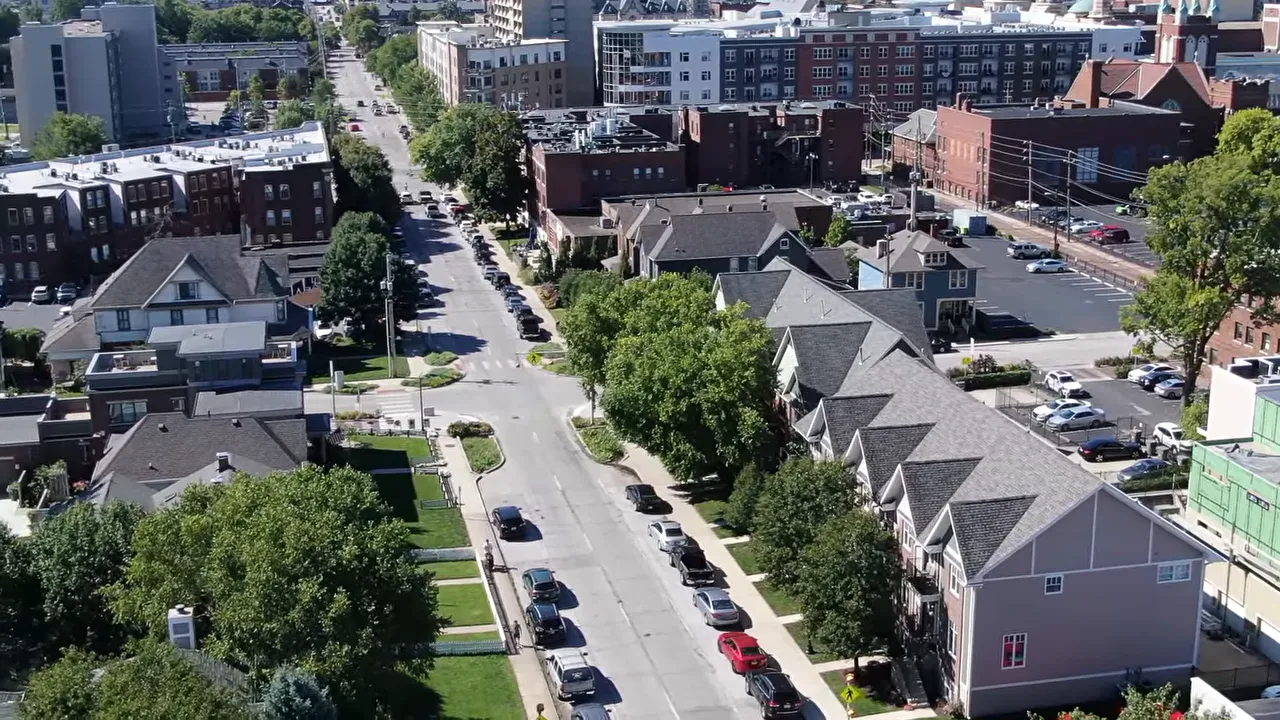
EXPLORE HOMES FOR SALE IN INDIANAPOLIS
Factor One: Waiting to Buy a Home in Indianapolis
This is probably the biggest mistake buyers make.
A lot of people are waiting for some magical combination where rates drop sharply, prices fall meaningfully, and suddenly everything becomes easy again. The expectation is that maybe mortgage rates go back to 4% and home values slide 5%, 10%, or more.
That is just not a realistic near-term plan.
Fannie Mae is projecting 30-year mortgage rates just under 6% by the end of 2026, not 4%. And around Indianapolis, home prices are projected to rise roughly 3.2% to 4.5% over the next 12 months.
With a median home price around $260,000, that means a similar home could cost roughly $8,000 to $12,000 more by year end if you wait.
That is the timing misconception that costs people money. They are trying to avoid today’s rate, but in the process they may end up paying tomorrow’s price.
Historically, home prices do not move backward for long. And when people look back 10 or 20 years, they are usually shocked at how little homes used to cost. You almost never hear someone say, “I sure am glad I waited a decade to buy.”
Demand matters too. Indianapolis is not shrinking. The metro is still growing, and the need for housing is still there. That demand creates long-term pressure under prices, especially in attractive and accessible markets like central Indiana.
So if you are serious about buying a home in Indianapolis, waiting for perfection can be more expensive than buying in an imperfect but workable market.
Factor Two: Rates & Opportunity in Indianapolis
Mortgage rates around 6% to 7% feel high because people are comparing them to the unusually low rates from 2021 and parts of 2022. But historically, the rates we are seeing now are much closer to normal.
There is also a key detail many people miss: rates have already improved from where they were a year ago. At one point, the 30-year fixed average was around 6.62%. So while rates are not low, they are not moving in the wrong direction either.
And here is where buying a home in Indianapolis gets interesting. Indianapolis has been, for a long time, one of the more accessible metro markets in the country. When you compare it to faster-rising markets like Charlotte, Denver, Nashville, or Boise, Indianapolis and its surrounding suburbs remain relatively attainable.
That includes not just Indianapolis itself, but a broad group of communities around it, including:
- Carmel
- Zionsville
- Westfield
- Noblesville
- Greenwood
- Avon
- Plainfield
- Brownsburg
- McCordsville
- Greenfield
In many parts of the metro, the market is more balanced than people realize. But if rates dip closer to 6% or slightly below, that could quickly unlock a wave of buyers who are currently sitting on the sidelines.
And when that happens, competition tends to rise fast.
That is why some buyers are missing the bigger picture. If you can comfortably afford the payment now, buying at today’s rate may actually position you better than waiting for lower rates and facing stronger competition, higher prices, and fewer negotiating opportunities.
If rates drop later, you may be able to refinance. But if prices rise while you wait, there is no similar reset button on the purchase price.
Factor Three: Biggest Advantage for Indianapolis Buyers
This is the factor a lot of buyers overlook completely: inventory has improved.
In many parts of Indianapolis and the surrounding metro, inventory is up about 20% to 30% compared to last year. That shift matters.
For the last several years, many buyers felt like every house came with a take-it-or-leave-it mentality. Sellers had the leverage. Buyers had to move fast, waive things, and absorb the pressure.
That has softened.
This market rewards patience and strategy. The opportunities are there, but they are not spread evenly across every neighborhood or every price point.
Some of the most in-demand areas, like Carmel, Fishers, Westfield, and Zionsville, are still highly competitive. Buyers targeting those communities may absolutely still feel pressure.
But that does not mean the whole metro feels the same.
Best Areas Around Indianapolis
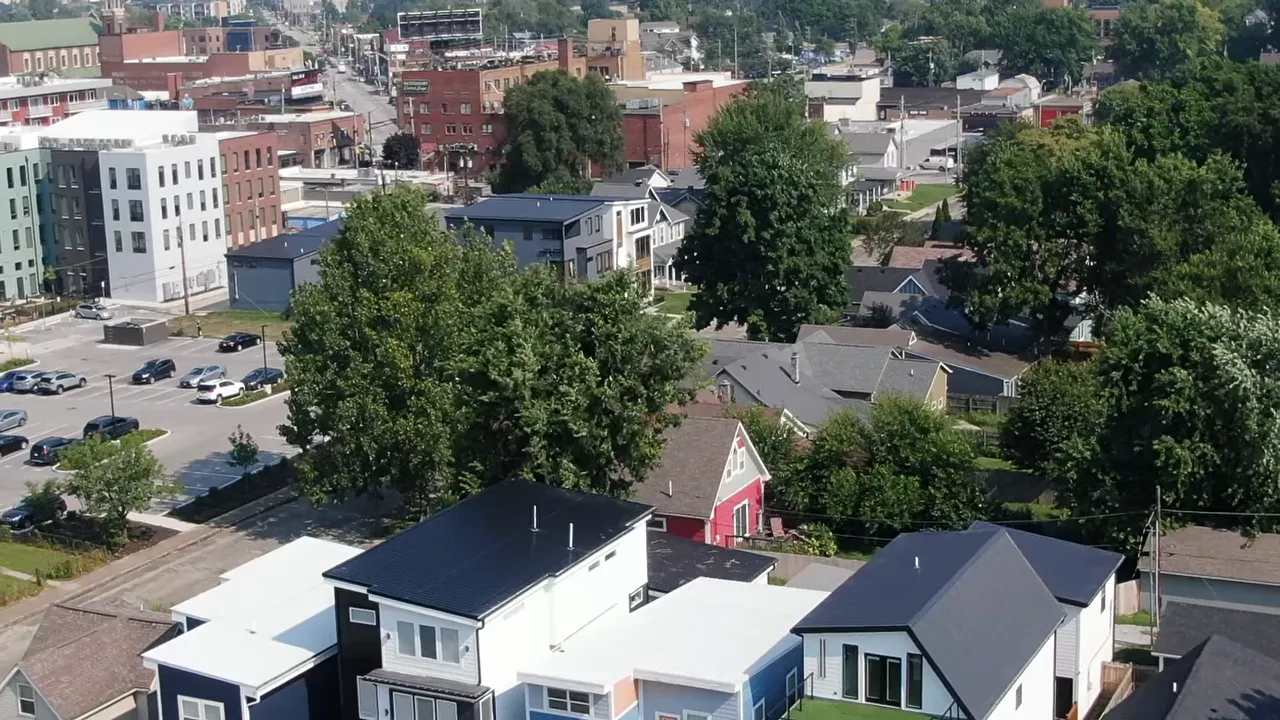
If you are open-minded about location, there may be stronger opportunities in places like:
- Noblesville
- Brownsburg
- Avon
- Plainfield
- Greenwood
- McCordsville
- Fortville
- New Palestine
- Greenfield
- Large parts of Indianapolis itself
These are not backup options or consolation prizes. They are genuinely solid places to live, and right now they may offer more negotiating room than the hottest submarkets.
Two areas stand out in particular.
Dated Homes In Great Areas
Homes that have not been updated in years can create excellent openings for buyers. Sellers know the house is behind the market cosmetically, and they are often more willing to negotiate.
That means your dollars can go further, especially if you are willing to trade a little cosmetic work for a stronger location or a better price.
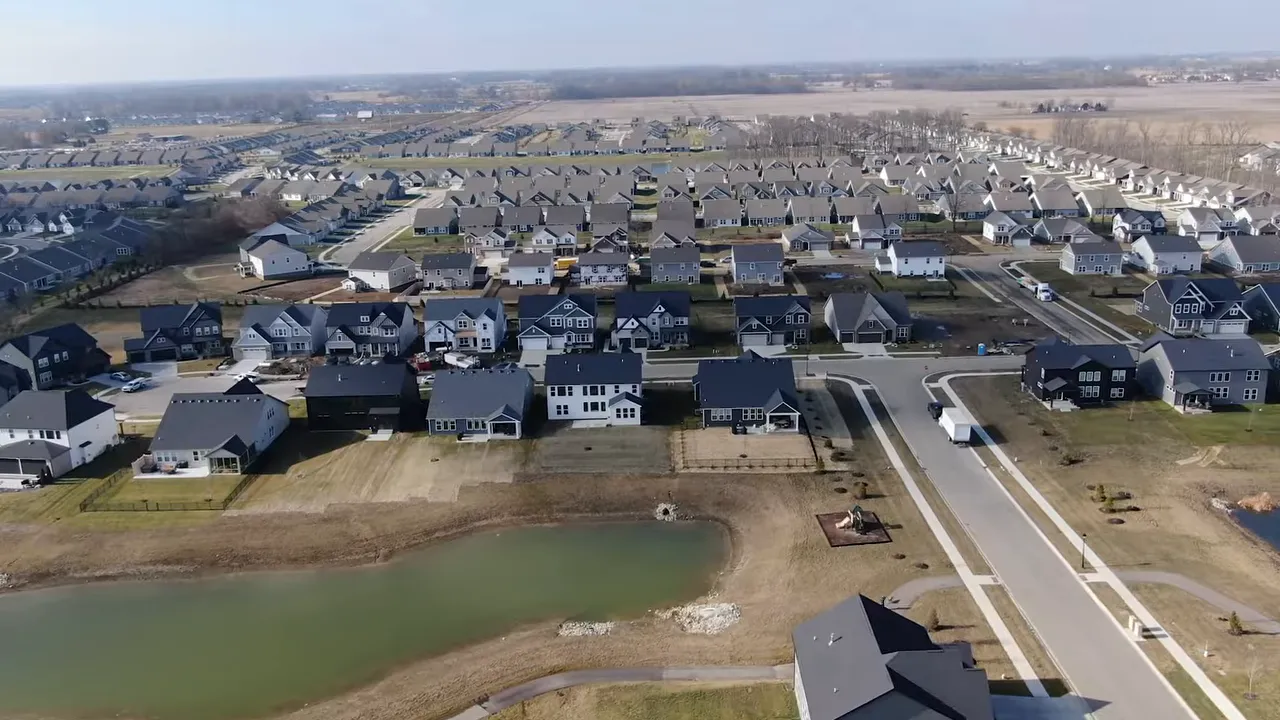
Spec Homes In New Construction
There is also real opportunity in spec homes, meaning homes already built or currently under construction without a buyer attached.
When you build from the ground up under contract, builders often have pricing locked in with very little room to negotiate. But a spec home is different. The builder wants to move that inventory, and that can open the door to better conversations around price or incentives.
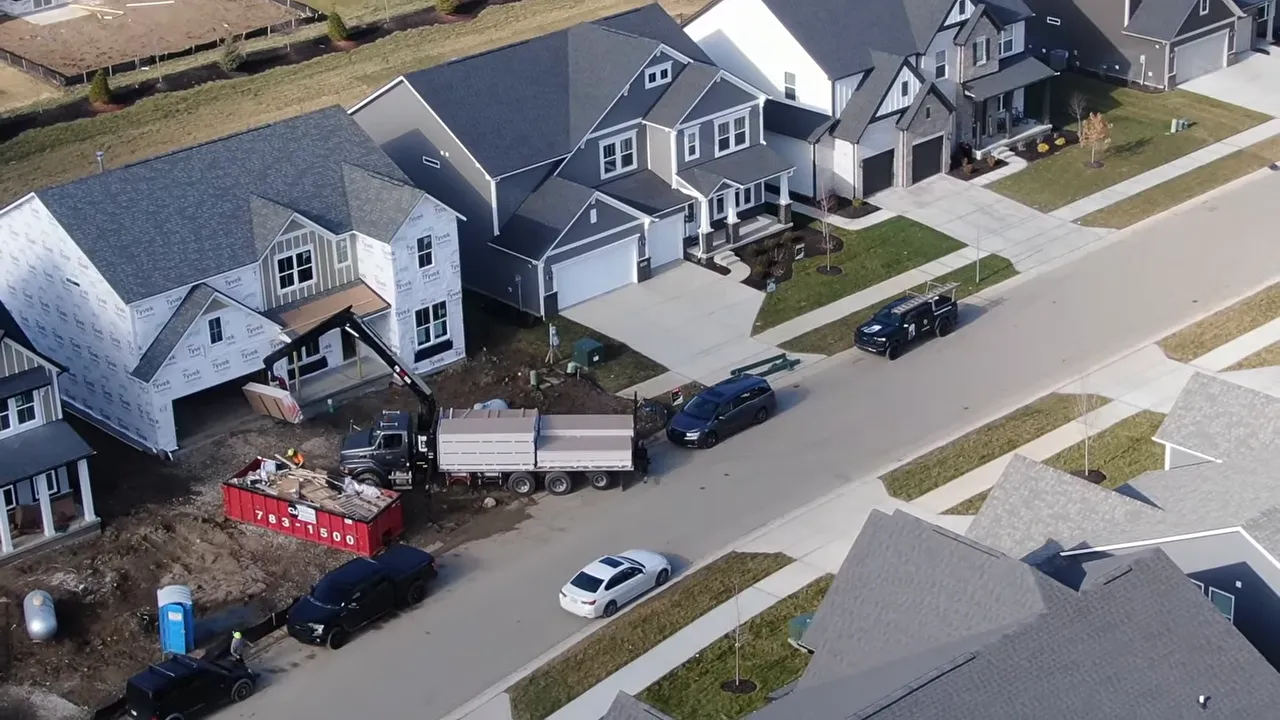
That is especially important for buyers who want newer construction without going through a long build process.
Broader market data supports this shift too. In Indianapolis, average days on market are around 22 days, and across central Indiana it is closer to 40 days. That is a very different feel from homes disappearing in under two weeks.
Psychology changes when listings sit longer. Sellers get more flexible. Buyers get more room to negotiate.
On average, homes are selling for about 3% below list price, and buyers are successfully negotiating things like:
- Closing cost assistance
- Home warranties
- Rate buy-downs
That does not mean every seller is giving things away. It means leverage exists again, especially if you know where to find it.
Smart Buyer Strategy in Indianapolis
The most successful buyers right now are not trying to predict the perfect month or the perfect headline. They are focusing on a few practical questions:
- Can I afford the monthly payment at today’s rate?
- Am I planning to hold this home for at least 5 to 10 years?
- Am I targeting areas where I actually have negotiating power?
- Do I have a refinancing strategy if rates improve later?
That is a much more grounded way to approach buying a home in Indianapolis.
If the payment works today, your principal and interest are manageable, and you are buying with a long enough time horizon, then you are not relying on perfect conditions. You are making a strategic purchase in the market that actually exists.
And if rates improve later, refinancing may make the deal even better.
This is also where local guidance matters. Indianapolis is not one market. It is a collection of submarkets with very different dynamics. A high-demand pocket of Carmel is not the same as a dated home in Greenwood, and neither of those behaves like a spec home in a growing outer suburb.
That is one reason people who are new to the area often need more than a generic market summary. They need context around what living in Indianapolis actually looks like from one part of the metro to another.
Because the right strategy is not just about whether to buy. It is about where, how, and under what terms.
THINKING OF BUILDING YOUR NEXT HOME? HERE'S A LOCAL GUIDE TO BUILDERS AND PITFALLS
FAQs About Buying A Home In Indianapolis
Is 2026 a bad year for buying a home in Indianapolis?
Not necessarily. For buyers who are waiting for perfect conditions, it may feel difficult. But for buyers who understand pricing trends, rate strategy, and where leverage exists, 2026 could be a strong time for buying a home in Indianapolis.
Will mortgage rates drop enough to make waiting worthwhile?
Current expectations point to rates easing somewhat, not collapsing. A move from the mid-6% range to just under 6% is very different from a return to 4%. If prices rise while you wait, lower rates may not fully offset the higher purchase price.
Are home prices in Indianapolis expected to fall?
The outlook discussed here points to modest price growth, roughly 3.2% to 4.5% over 12 months. That suggests buyers waiting on a major correction may be disappointed.
Where are buyers finding the best opportunities around Indianapolis?
Opportunities may be stronger in areas such as Noblesville, Brownsburg, Avon, Plainfield, Greenwood, McCordsville, Fortville, New Palestine, Greenfield, and many parts of Indianapolis itself. Dated homes and spec homes in new construction can also create leverage.
What should I focus on most when buying a home in Indianapolis?
Focus on affordability, your long-term ownership plan, and submarket strategy. Buyers doing best right now are centered on payment, negotiating position, and refinance flexibility rather than trying to perfectly time the market.
Final Thoughts on Buying a Home in Indianapolis
2026 may feel like a “worst year” to buy a home in Indianapolis if you’re reacting to headlines or waiting for perfect conditions—such as sharply lower mortgage rates and noticeable price drops. But that scenario is unlikely in the near term, and waiting can cost you in the form of higher purchase prices, since home values typically don’t move backward for long.
For prepared buyers, however, 2026 can offer real opportunity. By understanding how today’s rate environment affects affordability, planning for long-term ownership, and recognizing where market leverage exists across different neighborhoods, you can approach the market strategically rather than fearfully—especially as inventory becomes more available in parts of the metro.
If you want to talk through your options, call or text me, Jason Compton anytime at 317-932-8620, and I’ll help you map out a clear strategy for buying in Indianapolis.
READ MORE: 7 Luxury Areas in Indianapolis That Fit Very Different Lifestyles