Table of Contents
- Introduction to Living in Indianapolis
- 1. Why Indianapolis Is Bigger Than It Looks
- 2. Why Indianapolis Filters Can Mislead Buyers
- 3. Excluded Cities in Indianapolis
- 4. Getting Around Indianapolis
- 5. Local Nicknames for Roads, Downtown & Traffic in Indianapolis
- Bonus: Things to Do in Indianapolis (Helpful Local Websites)
- Why These Indianapolis Location Details Matter for Buyers
- FAQs About Living in Indianapolis & Relocating to the Area
Introduction to Living in Indianapolis
If you are serious about living in Indianapolis, or even just making a smart visit to get a feel for the city, a few local details can save you a lot of confusion. Indianapolis is one of those places that seems simple on the surface, then gets a lot more layered once you start exploring neighborhoods, suburbs, school districts, and road systems.
There are hundreds of things that help people get familiar with Indy over time. But a handful of them make a huge difference right away. These are the kinds of details that help when you are trying to understand the map, compare areas, or search for a home without missing half of what you actually want to see.
So if you are thinking about living in Indianapolis, relocating around the metro, or just trying to know the city better before you spend time in it, these five points will give you a much clearer picture.
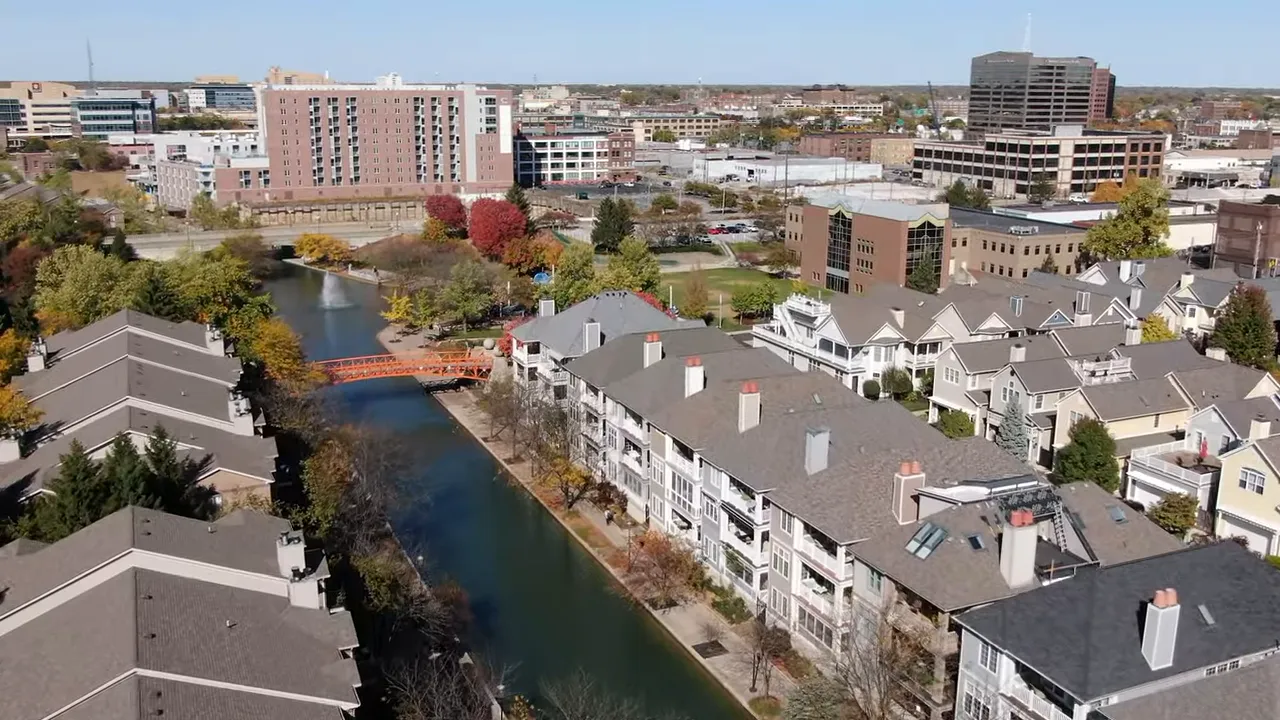
EXPLORE HOMES FOR SALE IN INDIANAPOLIS
1. Why Indianapolis Is Bigger Than It Looks
One of the most common surprises people have when they start researching living in Indianapolis is just how large the city really is. A lot of people mentally picture Indianapolis as the area inside Interstate 465. That loop is a major reference point, so it makes sense. But if you stop there, you are missing a big part of the picture.
The Indianapolis metro is around 2 million people, and Indianapolis itself is roughly 900,000 people. More importantly, the city limits extend well beyond 465 in several directions. So if you are planning an exploratory trip and thinking, “We’ll cover all of Indianapolis in a day or two,” chances are you are going to feel rushed and overwhelmed.
That becomes even more true if you are also trying to compare suburbs like Carmel, Fishers, Greenwood, Avon, Brownsburg, or Plainfield at the same time.
Here is where people get tripped up. They come in, drive around a lot, hit a few random areas, and by the end everything starts to blur together. It can feel like every place is the same when really the issue is that the search was too wide and not focused enough.
A good example is the south side. You can head south toward Greenwood and think you are basically out of Indianapolis once you leave the interstate. Not necessarily. In some spots, you still have several miles before you actually hit the county line and leave Indianapolis proper.
That matters for more than orientation. It matters for home searches, commute expectations, school planning, and simply deciding how to spend your time. If you are considering living in Indianapolis, it helps to narrow your search by priorities instead of trying to cover everything at once.
The practical takeaway:
- Do not assume 465 defines all of Indianapolis
- Give yourself more time than you think you need to explore
- Focus on specific neighborhoods or school areas instead of the whole metro at once
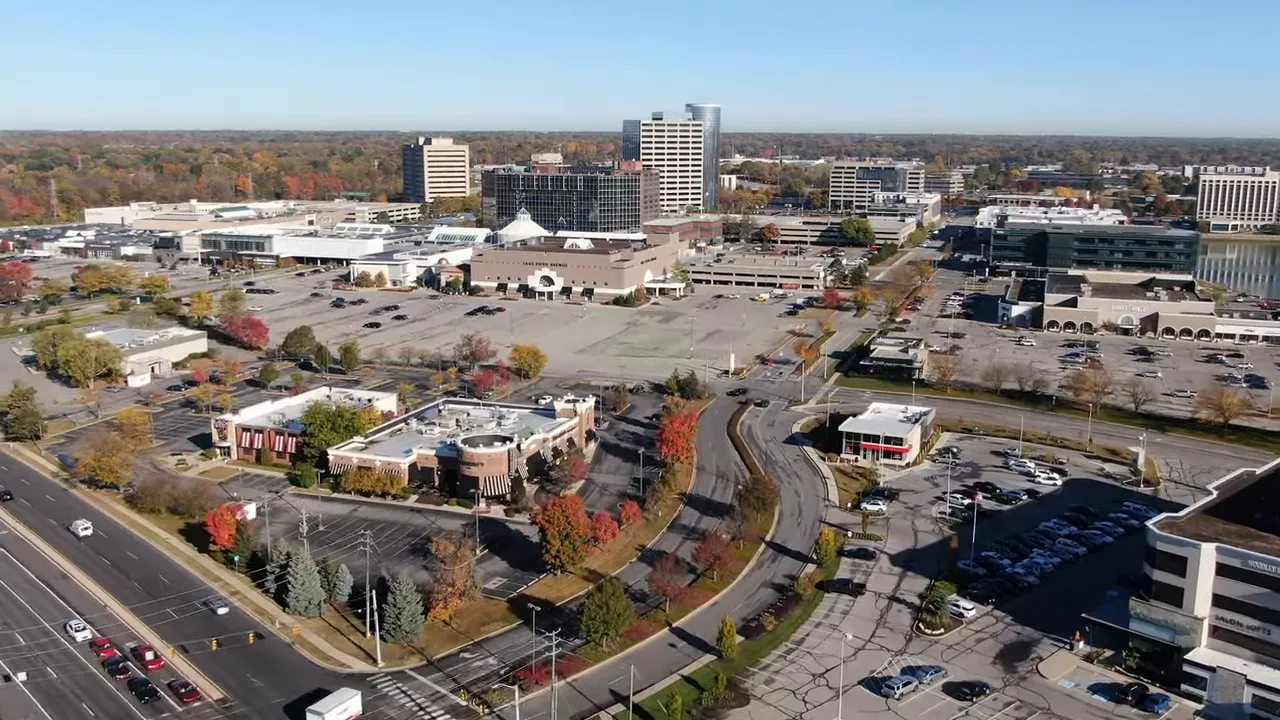
2. Why Indianapolis Filters Can Mislead Buyers
This is one of the biggest home-search mistakes people make around Indianapolis.
If you are looking for a house online and filtering by city alone, that can actually work against you. On the surface, that sounds backward. If you want a home in Brownsburg, why would you not search Brownsburg? If you want Carmel, why would you not search Carmel?
Because addresses and school districts do not always line up the way people expect, especially along borders with Indianapolis.
Brownsburg is a great example. It sits on the west side and shares a border with Indianapolis. There are homes near the line that may carry an Indianapolis address but still belong to Brownsburg Community Schools. If you search only by “Brownsburg,” you may miss homes that fit exactly what you want from a school standpoint.
The same kind of issue can happen in other border areas too, including:
- Avon
- Plainfield
- Greenwood
- Fishers
- Carmel
- Zionsville
- Whitestown
So if schools are a priority, the smarter way to search is often by school district, not just by city name.
This is one of those details that can quietly cost people good options. They think inventory is low in the exact area they want, when in reality some matching homes are just filed under a neighboring city address.
The practical takeaway:
- Do not rely on city-name filters alone
- If schools matter, search by school district first
- Pay special attention to homes near city borders
For anyone planning on living in Indianapolis or one of the surrounding suburbs, this one can make your search a whole lot more accurate.
3. Excluded Cities in Indianapolis
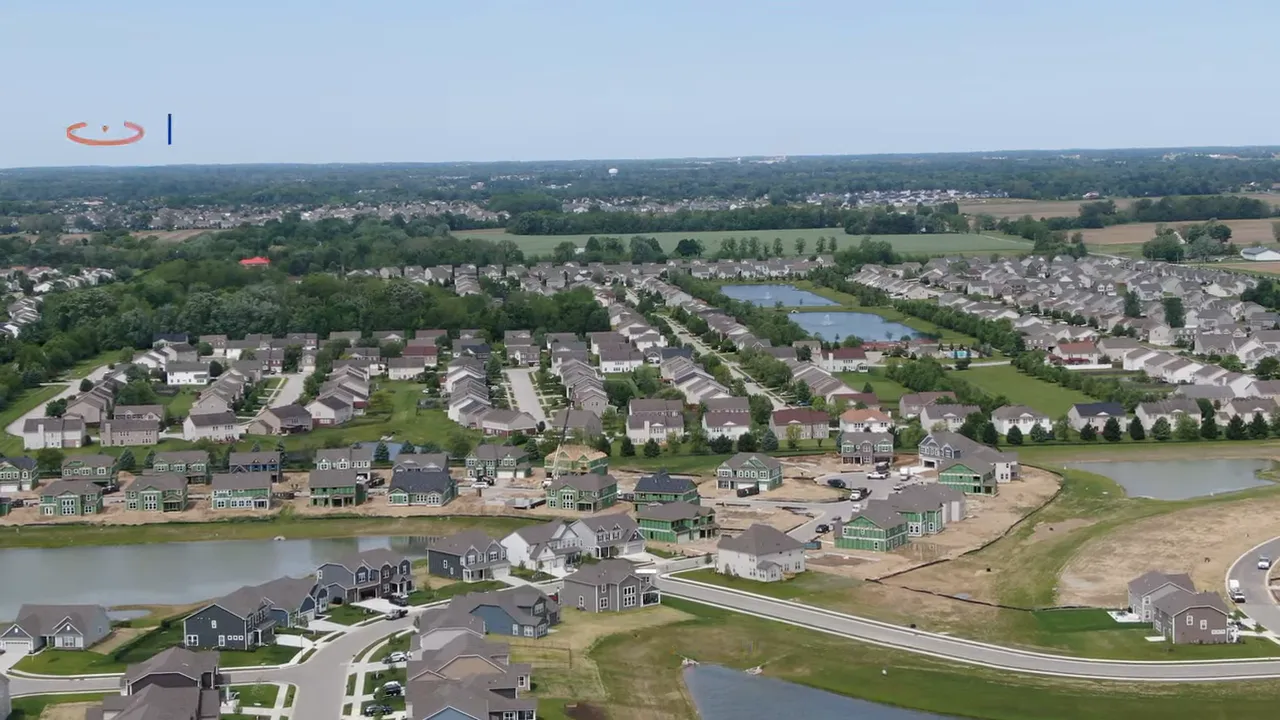
If the city-versus-school-district issue is confusing, there is another layer on top of that. Indianapolis has a number of smaller excluded cities and towns inside Marion County that can make the map look strange and make home searches even trickier.
Places like Speedway, Lawrence, Southport, Beech Grove, Meridian Hills, Rocky Ripple, Crows Nest, Homecroft, and a few others sit within or alongside Indianapolis in ways that are not always obvious.
The background here goes back to Unigov, a government restructuring that consolidated Indianapolis with much of Marion County. Some communities retained a measure of autonomy. The long version of that story is a topic all by itself, but the short version is this: the lines can matter a lot when you search for homes.
Speedway is the easiest example to picture because people already know it from the Indianapolis Motor Speedway. But Speedway is more than the track. It is also a cool little town with restaurants, shops, and a really distinct feel around Main Street.
Now here is the tricky part. Some homes in that area may be listed as being in Speedway. Others may have an Indianapolis address even though they are just a couple of blocks away and are still tied to Speedway schools. If you search only one way, you can miss listings that belong in your target area.
The same kind of confusion can happen in Lawrence and Southport. Lawrence is especially interesting because it has its own identity and government presence, yet many homes there still carry Indianapolis addresses. A place like Fort Harrison State Park can sit in what feels like Lawrence while still using an Indianapolis address.
That means:
- If you search only Lawrence, you may miss Indianapolis-address homes in Lawrence-area neighborhoods
- If you search only Indianapolis, you may miss listings filed under Lawrence
- The same issue can happen in other excluded areas too
This is why broad map awareness matters so much when planning on living in Indianapolis. The city is not just big. It is layered. And if your search filters are too rigid, you can end up with an incomplete picture.
The practical takeaway:
- Know that Marion County includes several semi-distinct communities
- Do not assume address city and community identity are always the same thing
- Use map-based searches and local guidance when you are targeting areas like Speedway or Lawrence
4. Getting Around Indianapolis
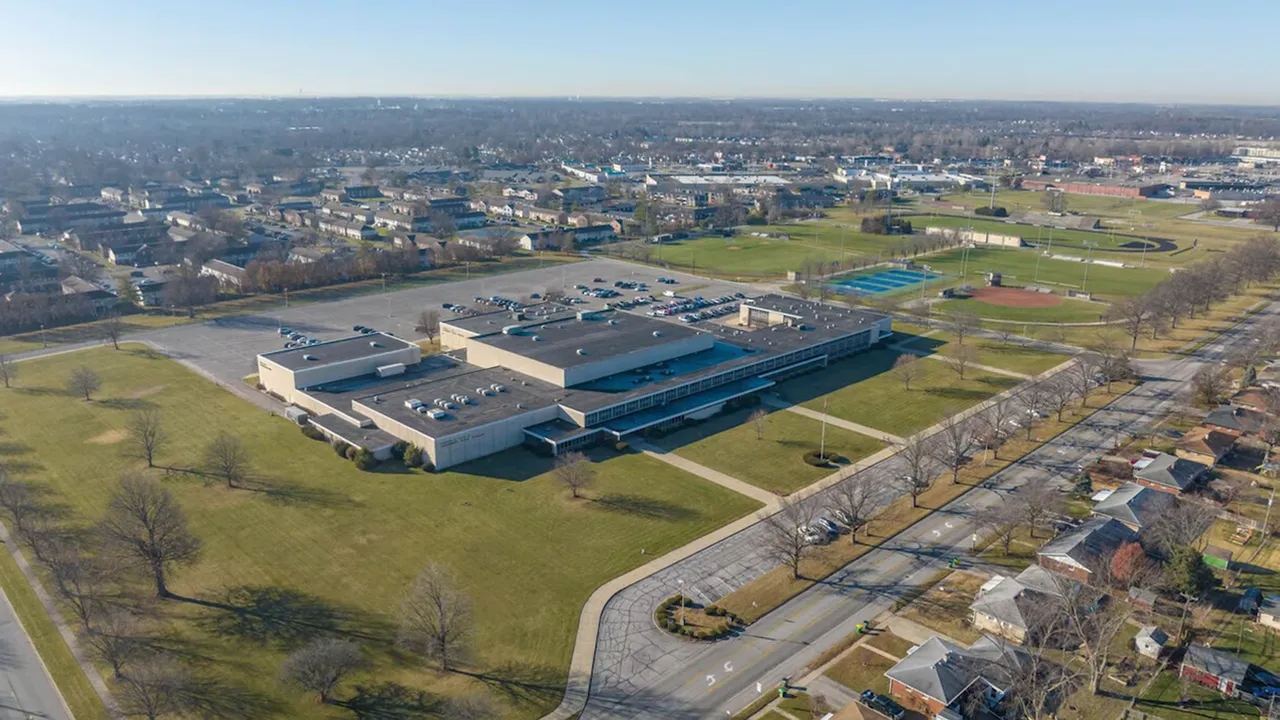
Here is one piece of local knowledge that makes living in Indianapolis feel easier pretty quickly: much of the city is gridded, especially across large stretches of the north side.
The numbered streets mostly run east-west. Once that clicks, getting oriented becomes much simpler.
For example:
- 38th Street runs east-west
- 42nd Street runs east-west
- 52nd Street runs east-west
- 96th Street marks the northern border of Indianapolis before you move into Carmel
Then as you keep heading north through Carmel and beyond, the numbering continues with 106th, 116th, 126th, and so on.
This does not solve every navigation issue. South of downtown, it is less clean and you still need to know your major roads. But having that north side grid in your head gives you a strong framework. If someone says a place is near 56th Street and another is near 38th Street, you immediately know which one sits farther north.
Once you start combining that with the major north-south roads, the city opens up fast. It is one of those things that seems minor until you use it a few times, and then it becomes one of the most helpful orientation tools you have.
The practical takeaway:
- Most numbered streets on the north side run east-west
- Street numbers generally increase as you go north
- Learning a few key north-south roads on top of that makes navigation much easier
5. Local Nicknames for Roads, Downtown & Traffic in Indianapolis
Every city has shorthand, and Indianapolis is no different. If you are planning on living in Indianapolis, knowing a few local names helps a lot when traffic reports, local directions, or casual conversation start flying around.
First, yes, people shorten Indianapolis to Indy all the time. That part is easy.
But there are a few location nicknames worth knowing too.
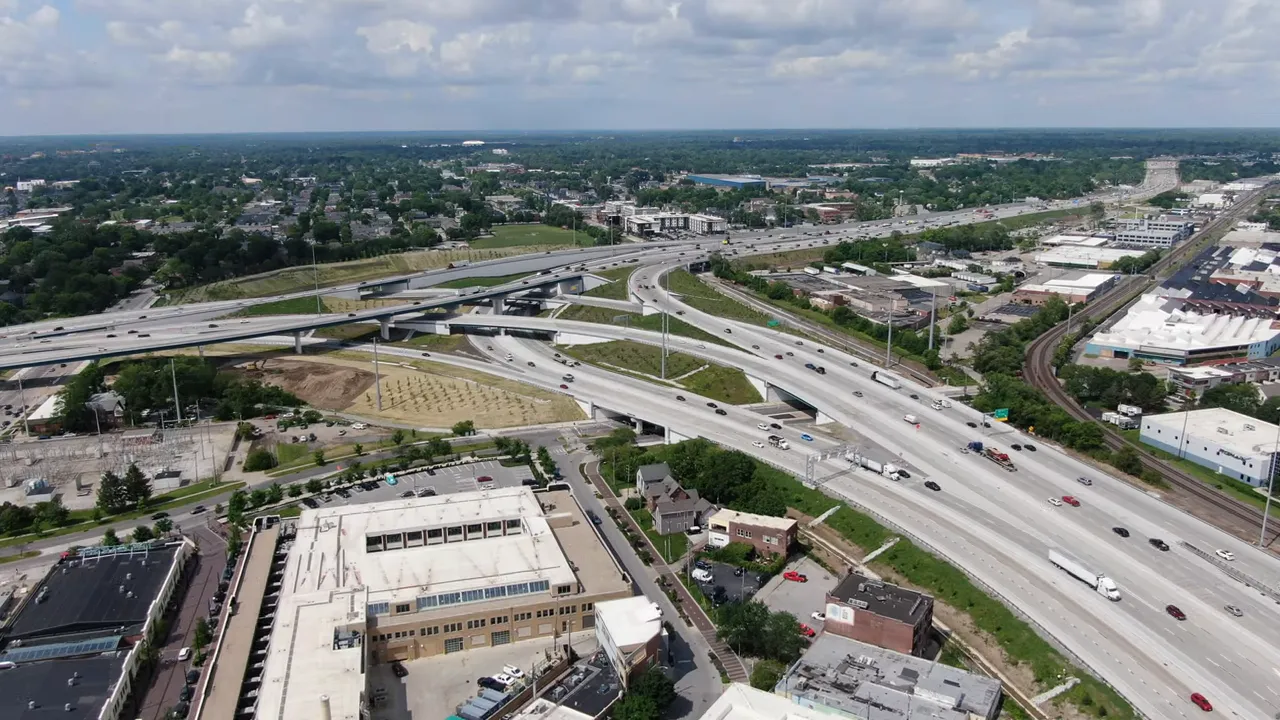
The North Split
The North Split is the area just north of downtown where Interstates 65 and 70 come together and then separate. It recently went through a major reconstruction project because the roads were aging and needed a complete overhaul.
This area gets mentioned constantly in traffic updates because it is such a key interchange. If you hear people talking about delays at the North Split, that is what they mean.
The Connector or Dogleg
On the northwest side, Interstate 865 connects 465 and 65. This stretch is often called the connector or the Dogleg.
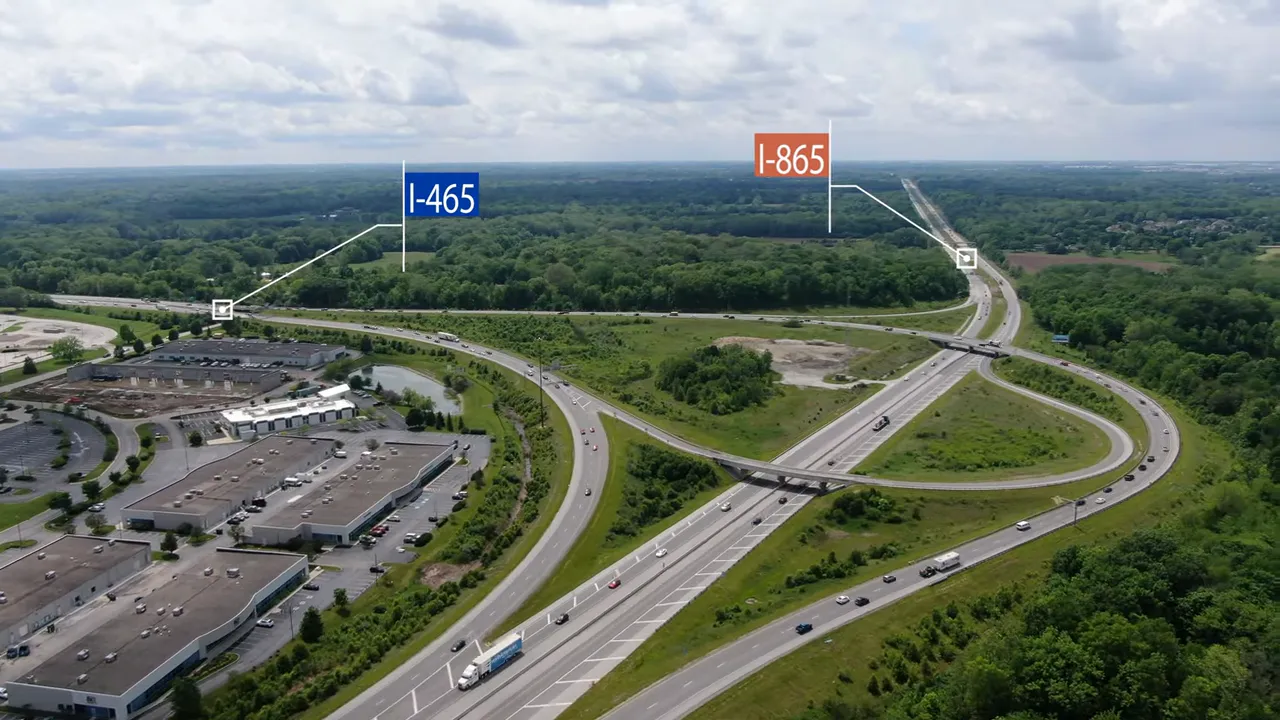
It is especially useful for traffic moving toward Lebanon, Chicago, or other northern routes. Without it, drivers would have to swing much farther around the metro. So even if you do not use it every day, it is a useful term to recognize when road conditions come up.
The Circle
Downtown, “the circle” usually means Monument Circle. This is one of the defining landmarks of Indianapolis and a core reference point in the center of the city.
It is also close to a lot of the things people think about when they think of downtown Indy: the Statehouse, Lucas Oil Stadium, Gainbridge Fieldhouse, and plenty of walkable streets, restaurants, and attractions.
This is one of those places that gives downtown Indianapolis its identity. If you are spending time in the city center, the Circle is going to come up.
The Mile Square
Then there is the Mile Square, which is the original square-mile core of downtown. Downtown as most people think of it extends beyond this, but the Mile Square is the heart of the heart.
It is bordered by:
- East Street
- South Street
- West Street
- North Street
Simple enough, right?
From there, diagonal streets branch out, including Massachusetts Avenue, often called Mass Ave. That is one of the coolest stretches in the city, with restaurants, shops, nightlife, and plenty of foot traffic when the weather is nice.
Knowing these names helps you make sense of directions, local conversation, and daily traffic updates. It is a small thing, but it is part of getting comfortable with living in Indianapolis.
Bonus: Things to Do in Indianapolis (Helpful Local Websites)
When you are trying to get a feel for a city, it helps to know more than just the map. You also want to know what is happening around town. Indianapolis has plenty going on, from concerts and sports to theater, cultural events, and neighborhood happenings.
Two useful resources for staying current are:
- do317.com
- visitindy.com
Those are good places to check for what is happening day to day and week to week. If you are exploring the city to see whether living in Indianapolis feels like a fit, seeing the local event calendar adds a whole different level of context.
Why These Indianapolis Location Details Matter for Buyers
None of these points on their own tells the whole story of Indianapolis. But together, they give you a much better framework for understanding the city.
You start to see that Indianapolis is:
- Bigger than people expect
- Less straightforward on paper than it looks online
- Organized in ways that become intuitive once you know the system
- Full of local shorthand that makes the city easier to navigate once you learn it
That is the real value here. If you are considering living in Indianapolis, you do not need to know everything right away. You just need a few local anchors that help the rest of the city make sense faster.
THINKING OF BUILDING YOUR NEXT HOME? HERE'S A LOCAL GUIDE TO BUILDERS AND PITFALLS
FAQs About Living in Indianapolis & Relocating to the Area
Is Indianapolis bigger than it looks on a map?
Yes. A lot of people assume Indianapolis is basically the area inside 465, but the city limits extend beyond that in multiple directions. The full metro is much larger, which is why trying to explore everything at once can get overwhelming fast.
Should we search for homes by city or by school district?
If schools are one of your main priorities, searching by school district is often the better move. In the Indianapolis area, some homes can have an Indianapolis mailing address while still belonging to a suburban school district like Brownsburg or another neighboring district.
Why do some homes near Speedway or Lawrence show Indianapolis addresses?
Because parts of Marion County include excluded cities and towns with varying levels of local identity and autonomy. A home may be physically in an area people think of as Speedway or Lawrence but still carry an Indianapolis address depending on how it is listed.
Does Indianapolis have an easy street system to learn?
In many areas, yes. Much of the city, especially toward the north side, follows a grid where numbered streets run east-west. Once you understand that setup and learn a few major north-south roads, navigation starts getting easier pretty quickly.
What is the North Split in Indianapolis?
The North Split is the downtown-adjacent interchange area where I-65 and I-70 come together and then separate. It is a major traffic reference point and often comes up in local road reports.
What is the Circle in downtown Indianapolis?
The Circle usually refers to Monument Circle, one of downtown Indianapolis’ best-known landmarks. It sits near the center of the city and is close to many major destinations, sports venues, and walkable downtown areas.
Where can we find things to do while exploring Indianapolis?
Two helpful resources are do317.com and visitindy.com. Both are useful for checking current events, concerts, sports, productions, and other activities happening around the city.
The more time you spend around Indy, the more these little details start to click. And once they do, living in Indianapolis feels a whole lot easier to understand, whether you are narrowing down neighborhoods, making sense of roads, or just figuring out how all the pieces fit together.
If you want help turning these tips into a focused search, reach out and let me guide you based on your priorities. Call or text me, Jason Compton at 317-932-8620 and I’ll point you in the right direction.
READ MORE: Living in Westfield IN: Reasons It’s One of Indiana’s Fastest-Growing Suburbs