Table of Contents
- Introduction to Living East of Indianapolis
- Why East of Indianapolis Feels Like “All Cornfields”
- Remote Living East of Indianapolis
- The Pennsy Trail and Location Benefits East of Indianapolis
- Grocery Stores East of Indianapolis
- How Big Are Towns in Hancock County?
- New Palestine Indiana Growth and Local Development
- Choosing the Right Town East of Indianapolis
- FAQs About Living East of Indianapolis
- Final Thoughts on Living East of Indianapolis
Introduction to Living East of Indianapolis
When we say living east of Indianapolis, a lot of people immediately picture endless cornfields, quiet back roads, and absolutely nothing nearby. And yes, there are places where the scenery looks exactly like that. But once we spend time driving around Hancock County and exploring towns like McCordsville, Greenfield, New Palestine, and Fortville, the story gets a lot more interesting.
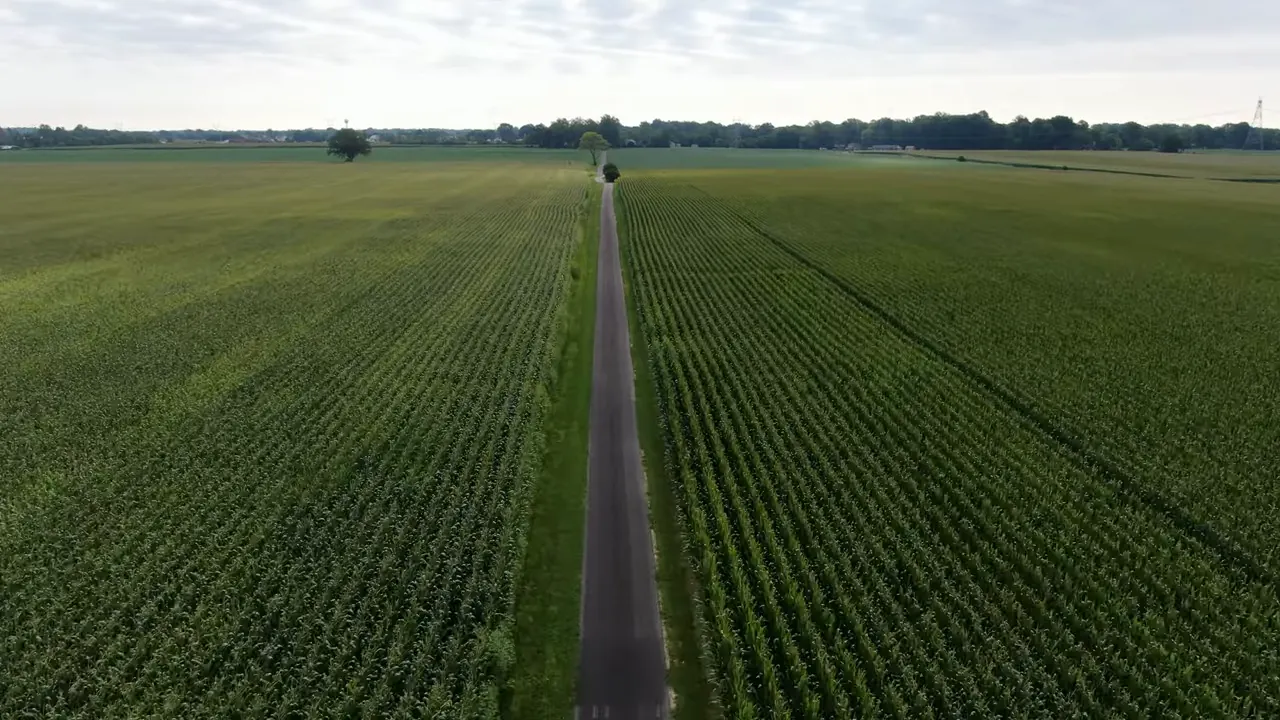
We can still find that rural feel. We just do not have to give up the everyday conveniences that make life comfortable: groceries, restaurants, gyms, and even newer retail that signals growth. If you want the space and the calm, without living 45 minutes away from everything, this part of central Indiana deserves a closer look.
A cornfield backdrop can feel remote, but it does not always mean you are far from essentials.
THINKING OF BUILDING YOUR NEXT HOME? HERE'S A LOCAL GUIDE TO BUILDERS AND PITFALLS
Why East of Indianapolis Feels Like “All Cornfields”
It is an easy assumption. East of Indianapolis, you can absolutely see a lot of farmland. Some stretches look like they could be hours away from the city. A perfect example is walking along sections of the Pennsy Trail where corn lines both sides of the path, creating walls of green that visually hide everything else.
But those “cornfield-only” visuals are not the whole picture. They are more like a highlight reel. Once you get closer to the towns and the main roads connecting them, the landscape changes from purely rural to rural with access.
Remote Living East of Indianapolis
A big reason people contact us when considering living east of Indianapolis is simple: they like the idea of being out there, but they do not want daily life to become a long commute. They do not want to plan every trip like it is an expedition.
So we look for neighborhoods and areas where you can get a rural feel and still handle the routine stuff without hassle. In practice, that means you want a comfortable buffer from the city, but not isolation from basics.
- Rural scenery without feeling cut off
- Short drives to groceries, dining, and errands
- Easy access to major roads that connect you to Indianapolis when needed
- Enough growth to support new services showing up over time
Hearing traffic nearby is a good reminder that “out here” can still be close to major routes.
The Pennsy Trail and Location Benefits East of Indianapolis
The Pennsy Trail is a great way to understand how this region works. It runs along the National Road corridor and connects you to a broader movement through central Indiana. Parts of the trail feel quiet and rural, but you can still hear activity in the distance from major roads just to the north.
For residents, that usually translates into a practical benefit: you can enjoy the slower pace and open views, while not being completely disconnected from the places where you work or shop.
Also, there is a psychological piece here. When we tell people we are east of Indianapolis, they often mentally draw a map that looks like “only farmland for miles.” Spending time in the corridor around Greenfield, New Palestine, McCordsville, and Fortville helps correct that mental model.
Grocery Stores East of Indianapolis
Location matters most when you measure it against real life. From the kind of area people often associate with “remote,” it can still be surprisingly fast to get to common destinations.
Standing in the Pennsy Trail area near Hancock County, it is easy to think you are far out. Then you realize you are within about ten minutes of a typical mix of shopping options. Examples in the area include grocery stores such as:
- Needler's to the south
- Kroger to the west
- Walmart about ten minutes to the west
- Meijer about ten minutes to the west
- Kroger again in Greenfield along State Road 9 to the east
That does not mean every neighborhood is the same distance from every store. It means the “cornfield feel” does not automatically translate into “you cannot reach what you need.” In most cases, you just need to know where to go and which corridors make the most sense for your routine.
How Big Are Towns in Hancock County?
People also worry that the towns are too small, especially if they are used to big-city amenities. It is a fair question, but “small” can mean different things depending on what you expect.
Hancock County sits just outside Indianapolis and has under 100,000 people in the immediate area around the cities. When people compare it to Indianapolis, it is clearly not the same density. For reference, the county outside Indianapolis sits around the high hundreds of thousands total.
Now take a town like Greenfield. Greenfield is around the mid 20,000s population range, which feels small compared to a metro core. But that does not automatically mean it lacks what you want. It can still support what we consider “everyday infrastructure,” especially when you can get to larger centers in a short drive.
And here is where opinions really come into play:
- To some people, Indianapolis or nearby cities like Carmel and Fishers feel dense and busy.
- To others, that same density is simply normal life, and anything less feels too slow or too far away.
- In between, east of Indianapolis can feel like a middle ground: enough population for services, not so much pressure that everything feels crowded.
“Too remote” is often a perception. The real question is how close daily needs are to where you would live.
New Palestine Indiana Growth and Local Development
One of the best examples of how this area is changing is New Palestine. You can stand in a spot that feels rural, then realize you are only minutes from a set of services that support daily routines.
In New Palestine, nearby you have:
- Restaurants such as Tony D’s
- Grocery access like Needler's nearby
- Gas and convenience like GetGo
- Fitness such as a large Hancock Health fitness center
And there is also a new Starbucks coming in. In places like this, Starbucks can be a practical measuring stick. It is not only about coffee. It often signals that enough people live nearby and enough demand exists for popular retail to show up.
Even if you are not a Starbucks person, the broader point is the same: when a popular brand invests here, it usually means the market is real, and the area is continuing to grow. That matters for relocation planning, because it shapes how neighborhoods evolve and what future services you can expect.
New retail and services show up where the community is strong enough to support them.
Choosing the Right Town East of Indianapolis
Not everyone is looking for the exact same thing. Some people want the quietest possible rural setting. Others want to be near the “infrastructure layer,” where errands do not require planning.
Here are a few factors we recommend thinking through when deciding on living east of Indianapolis:
- Identify your non-negotiables
For some households, that might be specific grocery stores. For others, it is gym access, schools, or quick routes into Indianapolis.
- Measure commute reality, not idealized maps
A “close to Indianapolis” location can still vary significantly based on where you start and what route you take. We like to confirm travel time patterns based on your daily destinations.
- Choose the right balance of rural and convenient
If you want cornfields, that can happen. Just make sure you also want what comes with them: the ability to reach essentials without turning every errand into a longer trip.
- Pay attention to where services are landing
New developments like fitness centers and mainstream retail can help you understand where growth is heading.
- Let the town size match your lifestyle
Greenfield and New Palestine are not huge. That can be a feature, not a bug, if you prefer a calmer pace.
One more note that comes up often: even in areas that feel less crowded, it can be hard to “see” what is nearby from the outside. That is why local orientation matters. Knowing where things are is part of feeling at home quickly.
For folks who are relocating, we help people get familiar with the area and what is available, then narrow down neighborhoods that fit their comfort level, commute needs, and daily routine.
VIEW HOMES FOR SALE IN INDIANAPOLIS
FAQs About Living East of Indianapolis
Is living east of Indianapolis mostly cornfields?
There are plenty of cornfields, and some areas look very rural. But it is not cornfields everywhere. Towns like Greenfield and New Palestine are close enough to everyday stores, dining, and services that life can feel convenient while still having that open-country atmosphere.
How far is east of Indianapolis from grocery stores and shopping?
In many parts of Hancock County near the Pennsy Trail and the towns in the area, major grocery and big-box options can be reached in roughly ten minutes or so, depending on your exact location. The key is choosing the right neighborhood corridor.
Would this area feel too remote or too small?
That depends on what you compare it to. Indianapolis can feel dense and busy, while east-of-Indianapolis towns feel calmer and less crowded. Greenfield is around the mid 20,000 population range, and that size can still support many everyday needs.
What towns should we consider if we want living east of Indianapolis?
Common options people explore include McCordsville, Greenfield, New Palestine, and Fortville. Each has its own feel, but they share the advantage of being close to major routes while still offering a rural lifestyle.
Do new businesses like Starbucks indicate growth in these areas?
Often, yes. When recognizable retail brands move into a community, it typically reflects demand and a growing local population. More importantly, it helps forecast how services and convenience will continue to expand over time.
Living east of Indianapolis can absolutely deliver the rural feel people want. We just do not have to settle for “nothing nearby.” When you select the right areas, you get the best of both worlds: open space and access to the modern essentials that make daily life easy.
Final Thoughts on Living East of Indianapolis
Living east of Indianapolis is not just about open land and cornfield views. It is about finding the right balance between peace, space, and everyday convenience. Areas like Greenfield, New Palestine, McCordsville, and Fortville can give you that quieter lifestyle without making groceries, dining, or daily errands feel out of reach.
If you are thinking about moving east of Indianapolis and want help narrowing down the right town, neighborhood, or community for your lifestyle, reach out today. We would love to help you explore the area, answer your questions, and make your move feel a whole lot easier. Call or text 317-932-8620 to get started.
READ MORE: How Much Does It Snow in Indianapolis? What to Expect Each Winter