Table of Contents
- Introduction to Growth in Westfield, Indiana
- What Utopia Taught Us About Population Growth in Westfield
- Westfield’s Growth Journey
- How World Population Growth Affects Westfield, Indiana
- Why Westfield Construction Is Necessary
- Family-Friendly Communities in Westfield
- How to Respond to Westfield’s Growth
- Westfield and the Indianapolis Metro Effect
- Post-Construction Benefits for Westfield
- Designing a Better Westfield
- How to Navigate Growth in Westfield
- Final Thoughts
- FAQs About Living and Growing in Westfield, Indiana
Introduction to Growth in Westfield, Indiana
Right now, living in Westfield Indiana can feel like a constant tradeoff. We walk downtown and notice the construction. We drive State Road 32 and hit delays. We plan routes around closures and detours. In some moments, it is hard not to think, why does it have to be like this?
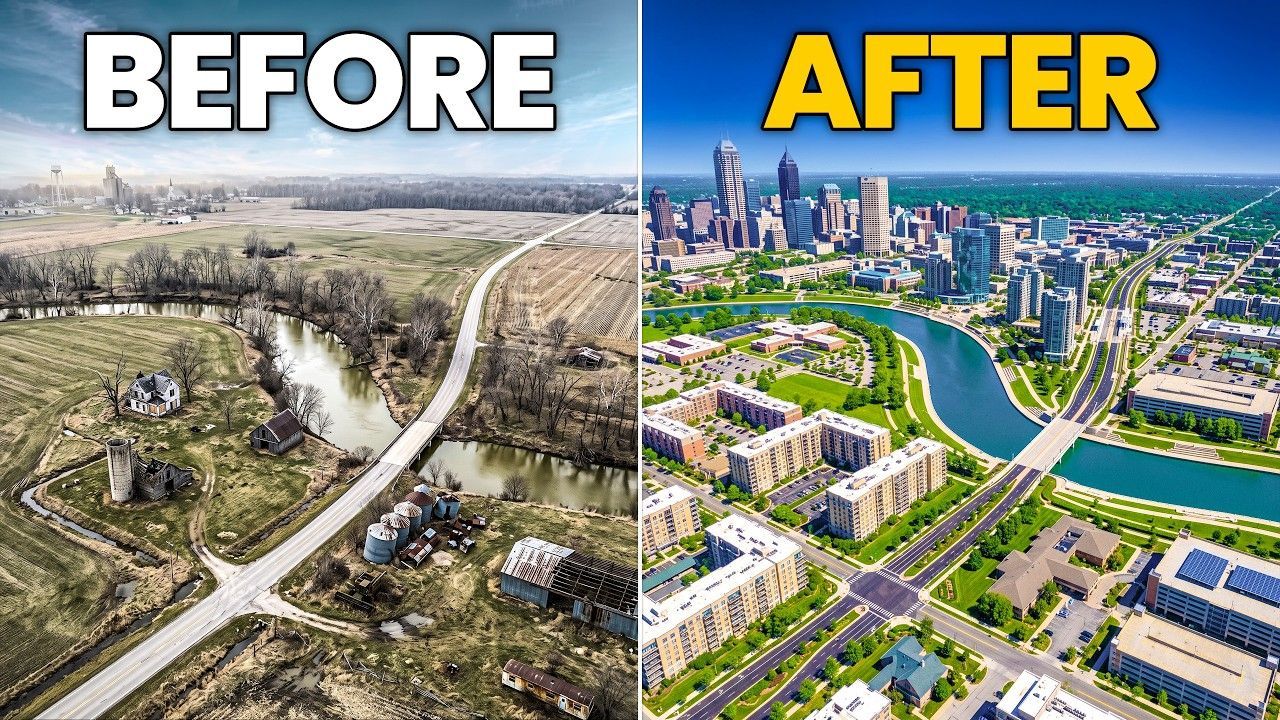
But when we zoom out and look at the bigger picture, the story changes. Westfield is not just “getting bigger.” It is being built to handle growth that is arriving no matter what anyone hopes for. And once the infrastructure catches up, the payoff can be real.
VIEW HOMES FOR SALE IN WESTFIELD IN
What Utopia Taught Us About Population Growth in Westfield
A lot of this reflection starts with a simple memory: an old game called Utopia. We used to play it with friends, side by side, and it had a surprisingly relevant premise.
In Utopia, you manage an island and compete with another island. People on your island grow automatically, and you cannot ignore it. If you do not provide what your population needs, you get trouble. Rebels show up. Services break down. The game forces you to plan.
It feels futuristic, but the mechanics were timeless: you earn money by fishing, invest that money into hospitals and schools, grow crops, and prepare for storms that can destroy what you just built.
That is the same vibe many of us feel in modern Westfield Indiana. Growth is like the population counter in that game. It keeps rising. The only question is whether our city plans ahead, builds capacity, and stays responsive when the unexpected hits.
Westfield’s Growth Journey
We hear it all the time: Westfield used to feel quieter. In the 90s it was different. Indianapolis felt different. Carmel, Fishers, Greenwood, even places like Noblesville. Everyone remembers a version of their city that seemed more spacious.
What we do not always say out loud is that almost every place starts small, and then gets larger because people decide to live there. That decision is influenced by work, family, schools, and quality of life.
Westfield has followed that pattern. It was smaller for a long time, and growth has been steady, especially as the broader Indianapolis metro expanded.
How World Population Growth Affects Westfield, Indiana
Zooming out one more level helps. The world population is not shrinking. It is growing.
For example, we remember that in the 1970s, the world population was around 4 billion. Now it is a little over 8 billion. That is a doubling across just a few decades.
People have to be somewhere. They need homes. They need schools. They need roads, services, and systems that work.
So even if someone personally wishes things would stay exactly the same, the pressure does not disappear. It just shifts into the local realities of traffic, congestion, crowding, and construction.
Why Westfield Construction Is Necessary
Construction is frustrating, and we do not pretend otherwise. The detours make trips longer. The closures force reroutes. The daily experience can feel like everything is temporarily worse.
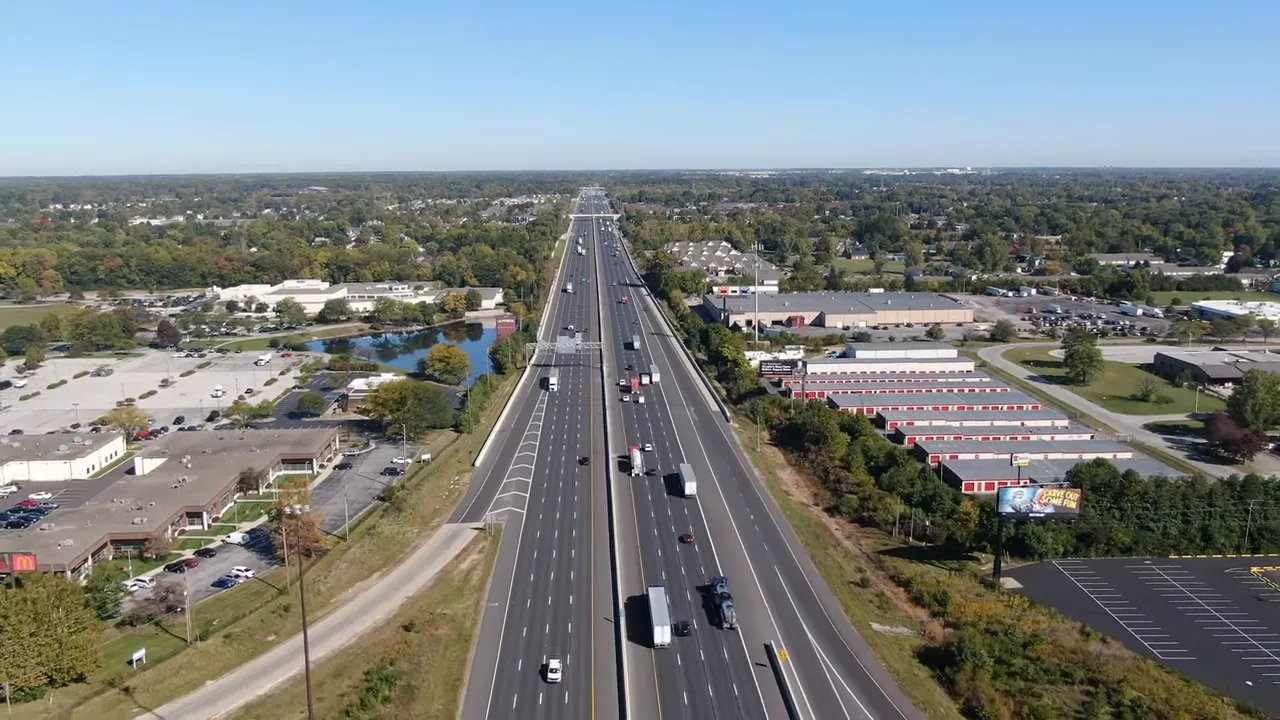
We can feel that when we have to travel between Westfield and nearby areas. For instance, going from Westfield to east Noblesville means navigating around the White River and planning carefully around State Road 32, which is closed in one direction at different times. So even if it is not a “forever” delay, it adds up mentally. It adds up in minutes. And that is before we even talk about traffic and stops.
Here is the part that is easy to forget: cities are not just buildings. They are systems. When population increases, the system needs upgrades. That includes:
- Road capacity so vehicles can move
- Safety improvements for intersections and access points
- Public services so schools, hospitals, and other needs keep up
- Infrastructure expansion so utilities and transit can handle more people
And if we do not build for growth, the alternatives are often worse. Some communities simply cannot absorb new residents without major strain. When that happens, problems show up as overcrowding, slow services, and quality of life declines.
Family-Friendly Communities in Westfield
One reason places like Westfield and Fishers grow is that they are easy to picture for real life. They are often described as family friendly for a reason.
That usually means the city is oriented toward families and day to day stability: schools that are strong, neighborhoods that feel grounded, and an environment where daily life is manageable.
And if you are 25 with a different idea of excitement, it might not feel like a big entertainment hub. But if you want a place that supports raising kids, working, and building a routine, it makes sense.
When those places become more popular, the question becomes: what happens when they get crowded?
Construction has to happen. Changes have to happen. That is not a preference. It is a response.
How to Respond to Westfield’s Growth
We get it. Some people do not like what their city becomes compared to what it used to be. That reaction is human. Nostalgia is real.
But the core argument is simple: change is inevitable. Even if new residents were not moving in, populations can still grow over time.
The real difference between “good” growth and “bad” growth is how well leaders plan for demand. In most metro areas, it really seems like many cities are at least trying to do the mostly right thing, even if the day to day experience feels messy.
Westfield and the Indianapolis Metro Effect
Westfield is part of the Indianapolis metro, and that matters. It is not an isolated bubble. When Indianapolis expands, nearby communities often feel it too.
Some smaller towns far away might still experience slower changes over long stretches of time. But if a town is close to a major metro, the direction tends to be the same eventually.
In other words, if we live near a growing hub, we should expect that we will feel some version of it. The only real question is whether the growth is managed well.
This is where it starts to resemble that city management game again. You can compete for points, but you cannot pretend the population will stop demanding housing, services, and stability.
Post-Construction Benefits for Westfield
Construction is memorable for the wrong reasons while it is happening. People remember the inconvenience, not the long term result.
But a year from now, and two years from now, those details start to fade. What remains is usually what the work made possible.
Once the roadways and systems are in place, commutes can become smoother. Access improves. Downtown and commercial areas can become more functional. Public spaces can feel more alive.
And that brings us to something important: growth is not only about traffic. It is also about creating places that people want to gather. That is where “progress” becomes more than construction.
Designing a Better Westfield
One of the most encouraging parts of the transformation in living in Westfield Indiana is the push toward building “cultural hearts.” These are the small, walkable places where people can enjoy life beyond the commute.
For example, downtown areas may include plazas and gathering spots like Grand Junction Plaza. During the build out, it can look like a mess. But the goal is a more enjoyable environment once the dust settles.
So yes, we have to get through the hard part first. But the plan is usually to end up with something worth having.
How to Navigate Growth in Westfield
If you are living in Westfield Indiana right now, the best approach is to treat growth like weather. You can complain, but you cannot stop the storm. You can prepare.
- Plan routes ahead when closures and detours are active.
- Expect normal inconvenience for the next phase of improvements.
- Look for the long term purpose behind the disruptions.
- Support smart development that improves access, safety, and livability.
That mindset does not make construction less annoying. But it makes it easier to endure, and it helps us recognize the direction we are heading.
Final Thoughts
While living in Westfield, Indiana, during this period of growth and construction can be inconvenient, it’s important to remember that these changes are paving the way for a better, more connected community. The growing pains are temporary, and the long-term benefits—improved infrastructure, safer roads, and better access to services—will make it all worthwhile. Embrace the transformation, and keep your eyes on the future.
Ready to make the move or learn more about life in Westfield? Call me at 317-932-8620 to discuss your next steps and how I can help guide you through this exciting time in the city's development.
FAQs About Living and Growing in Westfield, Indiana
Is living in Westfield Indiana going to keep feeling like construction?
For a while, likely yes, especially during major infrastructure phases. But the goal of construction is capacity, safety, and access. Over time, many improvements become less disruptive as projects finish and traffic patterns stabilize.
Why does Westfield grow so much compared to earlier decades?
Westfield grows because more people decide to live there, and the broader population keeps increasing. Strong schools, reasonable cost of living, and a family friendly environment create demand that brings new residents and the need for expanded infrastructure.
What is the upside after the growing pains?
Typically, the upside is improved road function, better access, updated services, and upgraded public spaces. Over time, the temporary inconvenience can translate into a smoother daily experience.
Does growth always make a city worse?
No. Growth can be managed well. The quality of planning and responsiveness to demand determines whether the result is overcrowding and strain, or improved livability with new capacity.
If you are considering a move within the Indianapolis metro, it helps to remember that growth is not a random event. It is the predictable consequence of population pressure and local demand. If we understand that, living in Westfield Indiana becomes easier to navigate, and the transformation becomes easier to appreciate.
READ MORE: Living East of Indianapolis: Rural Feel Without Being Far From Everything