
Meridian-Kessler: A Guide to Indianapolis’ Most Exclusive Neighborhood
When people think of exclusive Indianapolis suburbs, their minds usually jump to Carmel or Zionsville. But there's a neighborhood right inside the city limits that commands just as much prestige, and it's been doing so for nearly a century. Meridian-Kessler sits just north of downtown Indianapolis, tucked between the Monon Trail and Meridian Street, and it carries a reputation that precedes it.
This is old-money Indianapolis. The kind of place where tree-lined streets feel like they belong in a different era, where homes have names and histories, and where you're more likely to walk to dinner than drive to a strip mall. While the northern suburbs offer newer construction and bigger lots, Meridian-Kessler offers something harder to replicate: established character, walkability, and the kind of location that puts you minutes from everything Indianapolis has to offer.
If you're relocating to Indianapolis and want to understand what makes this neighborhood the city's most exclusive in-town address, here's what you need to know about the homes, the lifestyle, and what it actually costs to live here.
Table of Contents
What Makes Meridian-Kessler Indianapolis' Most Exclusive Neighborhood
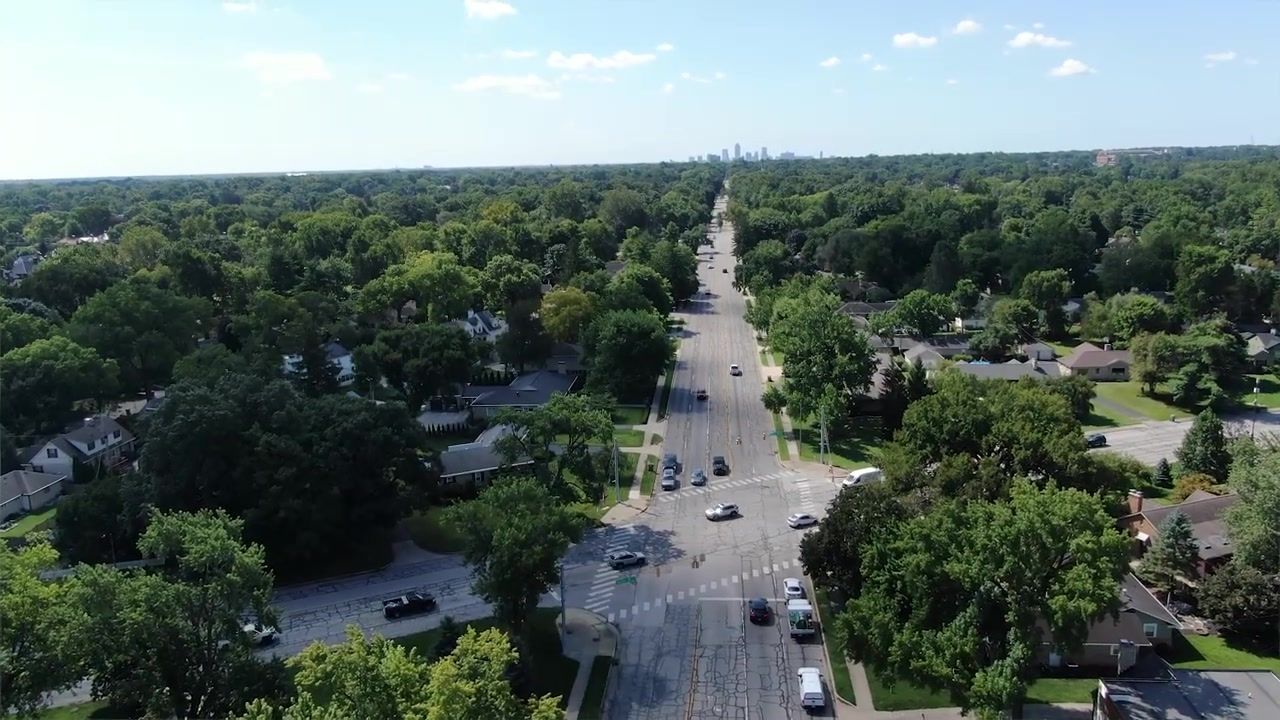
Meridian-Kessler earned its reputation through a combination of location, history, and scarcity. This neighborhood was developed in the early 20th century as one of Indianapolis' first planned residential communities, and it's maintained that prestige ever since. You're inside the city limits but insulated from the urban density you'd find closer to downtown. The streets are quiet, the lots are generous, and the homes reflect decades of careful stewardship.
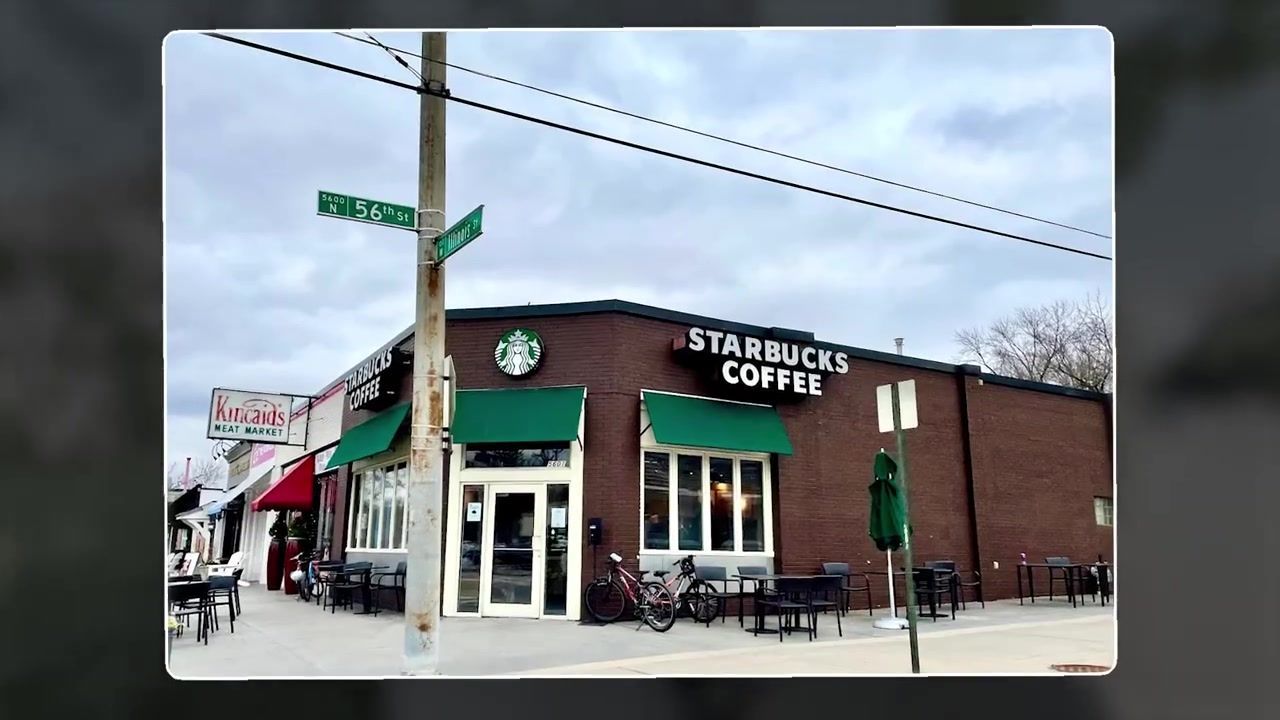
What sets Meridian-Kessler apart from other established Indianapolis neighborhoods is its proximity to everything without feeling like you're in the middle of it all. You're a short drive from downtown, Broad Ripple, and the Cultural Trail. The Monon Trail runs along the neighborhood's eastern edge, giving you direct access to one of the city's most popular recreational corridors. You can walk to restaurants, coffee shops, and local businesses along the Broad Ripple Avenue corridor.
The exclusivity here isn't just about price. It's about the fact that inventory is limited, turnover is slow, and when homes do come on the market, they move quickly. This isn't a neighborhood where you'll find rows of new construction or spec homes. It's established, mature, and tightly held.
The Architecture and Homes You'll Find
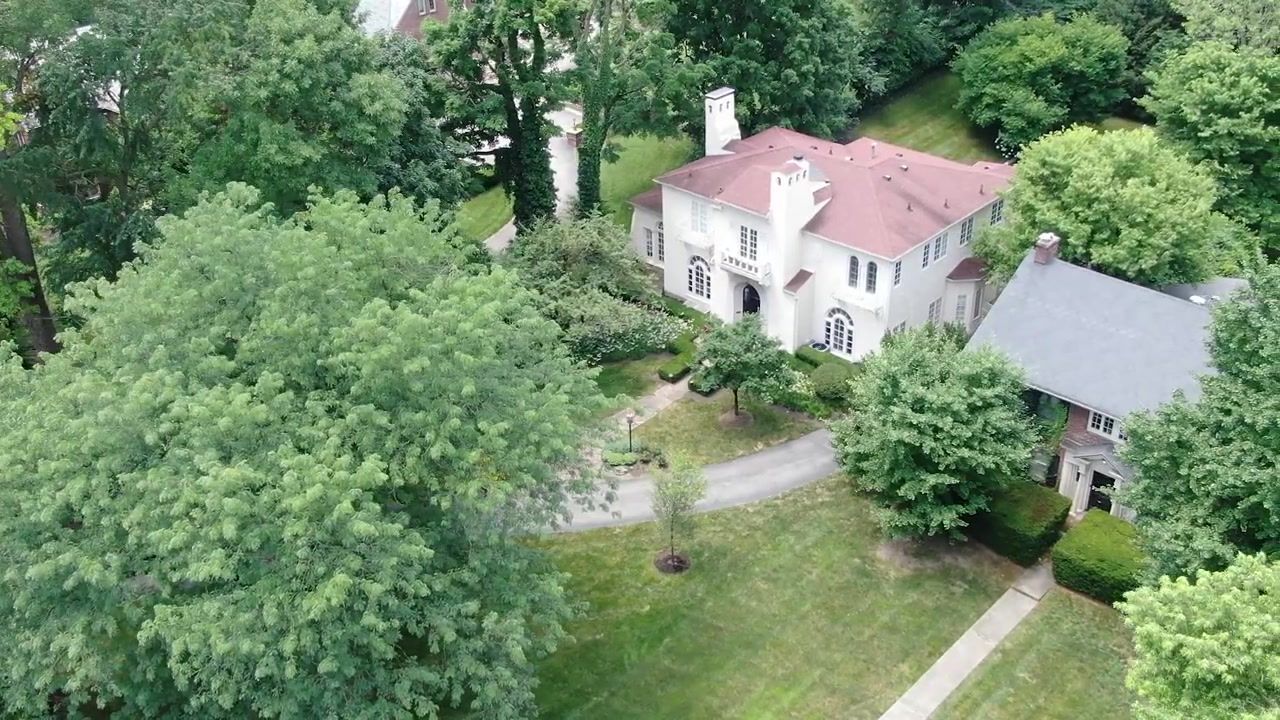
The housing stock in Meridian-Kessler reflects its history. You'll see a mix of Tudor Revival, Colonial Revival, and Craftsman-style homes, many of which were built in the 1920s through the 1940s. These aren't cookie-cutter suburban homes. They have character: original hardwood floors, detailed millwork, arched doorways, and the kind of craftsmanship that's expensive to replicate today.
Lot sizes are larger than what you'd find in most in-town neighborhoods, often a quarter-acre or more. Mature trees line the streets, and many properties have established landscaping that's been maintained for decades. You'll also find some homes that have been extensively renovated or rebuilt, blending historic exteriors with modern interiors.
The trade-off with older homes is maintenance. If you're buying a house built in the 1930s, you need to be prepared for the reality of aging systems, potential plumbing or electrical updates, and the cost of preserving historic features. Some buyers love that. Others would rather have new construction in Carmel or Fishers where everything comes with a warranty.
Walkability and Location Advantages
One of the biggest draws of Meridian-Kessler is walkability, and that's something you won't find in most Indianapolis suburbs. You can walk to restaurants, shops, and services without getting in your car. The Monon Trail is right there, which means you can bike or run north to Broad Ripple or south toward downtown.
You're also centrally located for commuting. If you work downtown, you're looking at a 10-minute drive in most cases. If you work on the north side in Carmel or Fishers, you're still within a reasonable commute. Compare that to living in Westfield or Zionsville, where you're adding 20 to 30 minutes each way if you work downtown.
The location also means you're close to cultural amenities. The Indianapolis Museum of Art at Newfields is nearby. You're minutes from Mass Ave, Fountain Square, and Broad Ripple. If you want to feel connected to what's happening in the city without living in a high-rise downtown, this is one of the few neighborhoods that delivers that balance.
What It Costs to Live in Meridian-Kessler
Pricing in Meridian-Kessler reflects its exclusivity. You're looking at a higher price per square foot than most Indianapolis neighborhoods, and the entry point is significantly above what you'd pay in the suburbs for a comparable-sized home. Homes here can range widely depending on condition, lot size, and whether they've been updated, but expect to pay a premium for the location and the neighborhood's reputation.
The honest truth is that you're paying for scarcity and location. You could buy a larger, newer home in Carmel or Fishers for the same price, but you wouldn't have the walkability, the established character, or the in-town convenience. That trade-off is worth it for some buyers and a dealbreaker for others.
Property taxes in Marion County are another consideration. They're generally higher than what you'd pay in Hamilton County suburbs like Carmel or Fishers, and you need to factor that into your monthly budget. If you're relocating from a state with lower property taxes, that can be a surprise.
Meridian-Kessler vs. Northern Suburbs: The Trade-Offs
If you're deciding between Meridian-Kessler and the northern suburbs, here's how I'd break it down:
Choose Meridian-Kessler if you value walkability, established character, and proximity to downtown and cultural amenities. You're willing to trade newer construction and lower taxes for location and lifestyle.
Choose Carmel, Fishers, or Zionsville if you want newer homes, local schools, and lower property taxes. You're okay with a longer commute downtown and you prioritize space and modern finishes over walkability.
The schools in Meridian-Kessler fall under Indianapolis Public Schools, and that's a consideration for families. Some buyers in this neighborhood send their kids to private schools or magnet programs. If public school ratings are a top priority, the northern suburbs offer more highly rated districts.
Conclusion
Meridian-Kessler isn't for everyone, and that's part of what makes it special. It's a neighborhood for buyers who want to be in the city, who value walkability and character over square footage and newness, and who are willing to pay a premium for a location that's hard to replicate. If you're relocating to Indianapolis and you want to understand what makes this neighborhood the most exclusive in-town address, the best way to get a feel for it is to walk the streets, see the homes, and decide if the lifestyle fits what you're looking for.
If you're considering Meridian-Kessler or want to compare it to other Indianapolis neighborhoods, let's talk. I can walk you through what's currently on the market, what to expect in terms of pricing and inventory, and how this neighborhood stacks up against the northern suburbs. Reach out anytime at 317-932-8620 or jason@livinginindianapolis.com, and we'll set up a time to discuss your move.
FAQ About Meridian-Kessler
What is Meridian-Kessler known for?
Meridian-Kessler is known as Indianapolis' most exclusive in-town neighborhood, featuring historic homes, tree-lined streets, and walkable access to restaurants, shops, and the Monon Trail. It's been a prestigious address since the early 20th century.
How does Meridian-Kessler compare to Carmel or Fishers?
Meridian-Kessler offers established character, walkability, and proximity to downtown, while Carmel and Fishers offer newer construction, local schools, and lower property taxes. The choice depends on whether you prioritize in-town lifestyle or suburban amenities.
What are property taxes like in Meridian-Kessler?
Property taxes in Meridian-Kessler are higher than in Hamilton County suburbs like Carmel or Fishers because it's located in Marion County. Buyers relocating from states with lower property taxes should factor this into their budget.
Is Meridian-Kessler walkable?
Yes. Meridian-Kessler is one of the most walkable neighborhoods in Indianapolis, with access to local restaurants, shops, and the Monon Trail. You can walk or bike to Broad Ripple and other nearby areas without needing a car.
What types of homes are in Meridian-Kessler?
Homes in Meridian-Kessler are primarily historic, built in the 1920s through 1940s, featuring Tudor Revival, Colonial Revival, and Craftsman architecture. Many have been renovated, but buyers should be prepared for the maintenance that comes with older homes.
What school district serves Meridian-Kessler?
Meridian-Kessler is served by Indianapolis Public Schools. Some families in the neighborhood choose private schools or magnet programs. Buyers prioritizing highly rated public schools may prefer northern suburbs like Carmel or Fishers.
jason compton
A former teacher turned full-time real estate agent serving Greater Indianapolis. I help buyers, sellers, and relocation clients make informed moves—especially those coming from out of state. From neighborhood insights to home tours, my goal is to simplify the process and help you feel confident in every step.
Stay Informed
Insights, Tips & Life in Indianapolis
Your go-to resource for all things real estate and Indy living. Whether you're buying, selling, relocating, or just curious about the local market, our blog is packed with helpful articles, expert advice, and community highlights to keep you informed and inspired.