Moving to Indianapolis in 2026: Everything You Need to Know Before Relocating
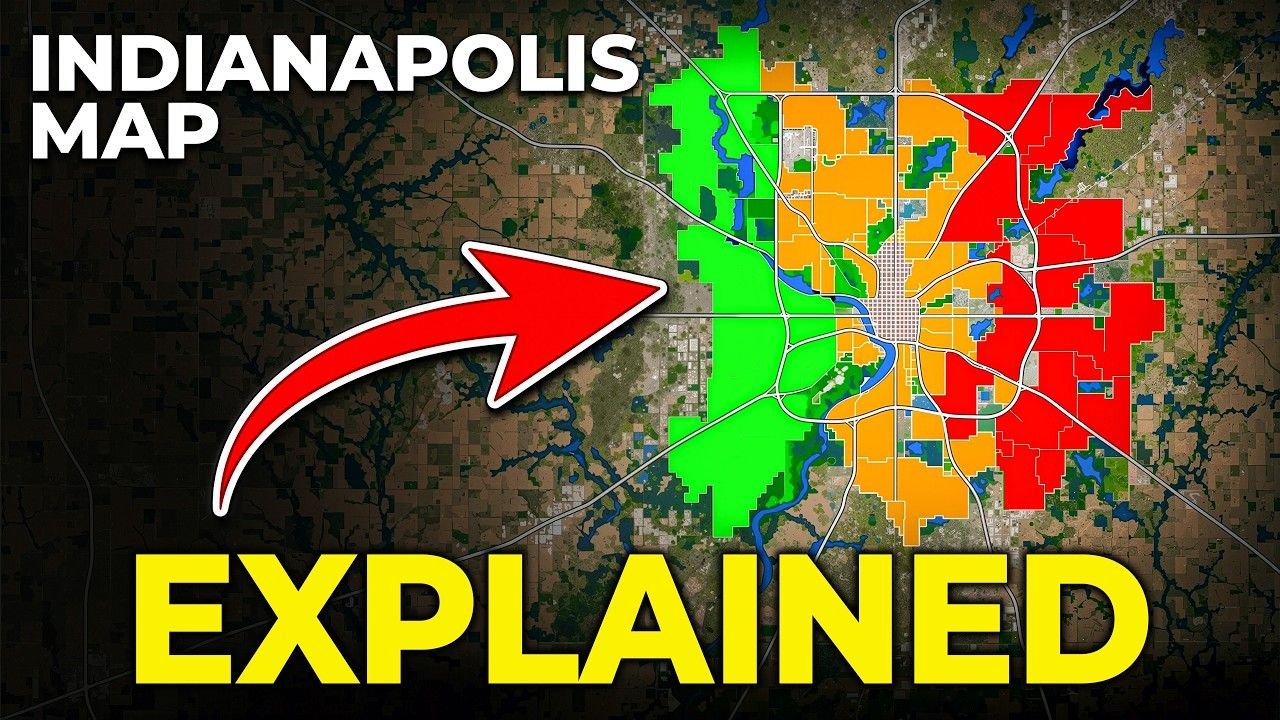
When people say they're moving to Indianapolis, they usually picture one downtown, one lifestyle, one general idea of what life looks like here. That's not how it works. Indianapolis is more like a collection of very different cities and towns that happen to share the same metro area. Picking the wrong one without knowing that going in is one of the most common regrets I hear from people who've moved here.
The metro added over 22,000 people between 2024 and 2025, double the national growth rate according to Axios Indianapolis. Almost all of that growth is happening in towns that aren't technically Indianapolis at all. You've got Noblesville, Westfield, Zionsville, Fishers, and Carmel on the north side, the Big 5 that get most of the publicity. But you're missing at least another entire half of the metro if you stop there. McCordsville, Fortville, Greenfield, and New Palestine sit on the east side in Hancock County, which grew 2.4% last year. West of the city you've got Avon, Brownsburg, Plainfield, and Danville. Northwest there's Whitestown and Lebanon. South you'll find Greenwood, Bargersville, and Franklin. Then there's Indianapolis itself, over 900,000 people with tons of options that people skip over way too fast.
I'm Jason Compton, and for the past 20 years my team and I have helped families buy homes here in the Indianapolis metro. We're going to walk through the places you need to know, the real costs beyond the listing price, how schools actually work, what the commute looks like, and the mistakes I see newcomers make that cost them real money and time.
Table of Contents
- Noblesville: The Most Affordable of the Big 5 Northern Suburbs
- Westfield: One of the Fastest Changing Cities in the Metro
- Zionsville: Brick Streets, Unique Properties, and Premium Pricing
- Fishers: The Price Gap That Surprises Everyone
- Carmel: The Most In-Demand Market in the Entire Metro
- Greenfield: More House for the Money on the East Side
- Plainfield: Trail Connectivity and Less Competition
- Indianapolis: Over 900,000 People and Tons of Options People Skip
- Which Area Is Right for You: Comparing Lifestyle Trade-Offs Across the Metro
- What Indianapolis Actually Costs in 2026: Beyond the Listing Price
- How Schools Work Here: Districts Don't Always Follow City Limits
- Getting Around the Metro: Distance Means More Than You Think
- The Mistakes I See Most Often
- Conclusion
Noblesville: The Most Affordable of the Big 5 Northern Suburbs
Noblesville sits at the top of Hamilton County, about 30 minutes north of downtown Indianapolis. It's the county seat, so there's an actual historic square with a courthouse in the middle of it, coffee shops, restaurants, and the White River running right through all of that. Redfin has the median sale price at $417,000 over the three months ending June 2026, up 8.4% from last year. That makes it the most affordable of the Big 5 suburbs on the north side, and that gap matters when you're shopping.
The town has a different feel than the newer cities around it. You get that historic character from the square, but you're still close to everything else in Hamilton County. Noblesville Schools serve most of the area, but here's where it gets tricky: some homes with a Noblesville address are actually in Hamilton Southeastern Schools, which is the Fishers district. That's the kind of thing you need to check on the specific address before you write an offer.
Accessibility is solid. US-31 runs through the area along with other major roads, so you're connected to the rest of the metro without being stuck on one corridor. The year-over-year price increase tells you demand is real, but you're not paying Carmel or Zionsville premiums to be here. If you want that northern Hamilton County access and school reputation without the $600,000-plus price tag, Noblesville is where the math starts to make sense.
Westfield: One of the Fastest Changing Cities in the Metro
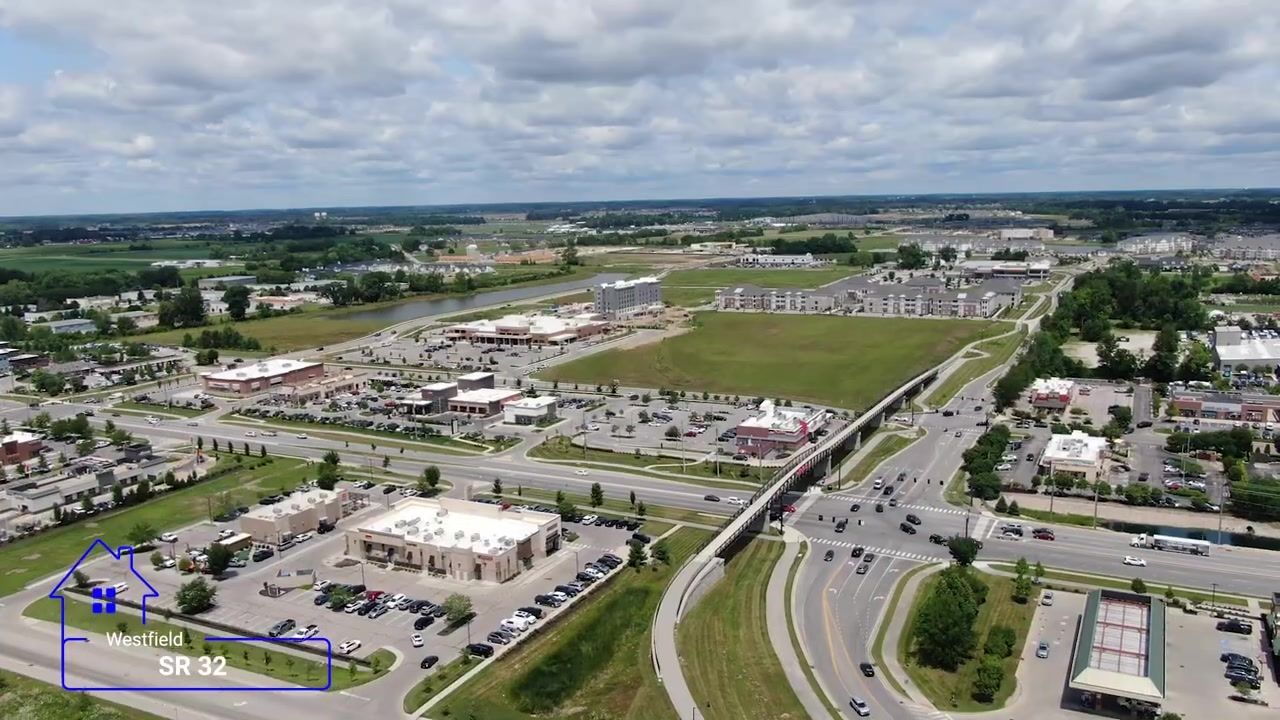
Westfield sits in Hamilton County just west of Noblesville, and it's one of the fastest changing places in the entire metro. Ten years ago most people knew it for Grand Park, the massive youth sports complex that brings in tournaments from all over the country. Now it's a full city with a median sale price just over $495,000 as of mid-2026, up 7.1% from last year. Almost 90% of Westfield is less than 20 years old, so the whole place has a fresh, new feel.
Downtown Westfield is being rebuilt, especially west of US-31 and north of State Road 32. It's not a historic square like Noblesville. It's new construction, new retail, new everything. The Monon Trail runs all the way through Westfield and continues north to Sheridan, so you've got that connectivity for biking and walking. The city has also replaced most of its intersections with roundabouts, so you'll only find about 12 or 13 stoplights in the entire city. That keeps traffic moving, but it takes some getting used to if you've never driven roundabouts before.
Westfield Washington Schools serve the area, but just like everywhere else around here, the district boundary doesn't always follow the city limit. You can find homes with a Carmel address that are actually in Westfield schools. That's not a problem, it's just something you need to verify on the specific address. If you want new construction, a rebuilt downtown, and access to Grand Park without paying Carmel prices, Westfield is worth a serious look.
Zionsville: Brick Streets, Unique Properties, and Premium Pricing
Zionsville sits in Boone County on the northwest side, outside of Hamilton County. The village along Main Street is brick-paved, the shops are small and locally owned, and a lot of the homes sit on unique shaped properties instead of a subdivision grid. PropertyIQ has the median home sale price at $701,000 as of mid-2026. That makes it the most expensive of the group, and people who choose Zionsville almost never want or would consider anything else.
Boone County grew 2.6% last year, the fastest in the state of Indiana. That growth is putting pressure on inventory, and the premium pricing reflects it. You're not just paying for the house. You're paying for the brick streets, the locally owned retail, the Big Four Rail Trail access through Whitestown, and the fact that Zionsville has a reputation that holds up. Zionsville Community Schools serve the area, and buyers who prioritize that district are willing to pay the premium to be in it.
The trade-off is obvious. You get a unique property on a unique lot in a town that feels completely different from the grid subdivisions in Fishers or Westfield. But you're also paying $200,000 to $300,000 more than you would in Noblesville or Fishers for a similar square footage. If that premium fits your budget and you want that specific lifestyle, Zionsville delivers. If it doesn't, you've got plenty of other options that still give you access to Hamilton County or the northern suburbs without the $700,000 price tag.
Fishers: The Price Gap That Surprises Everyone
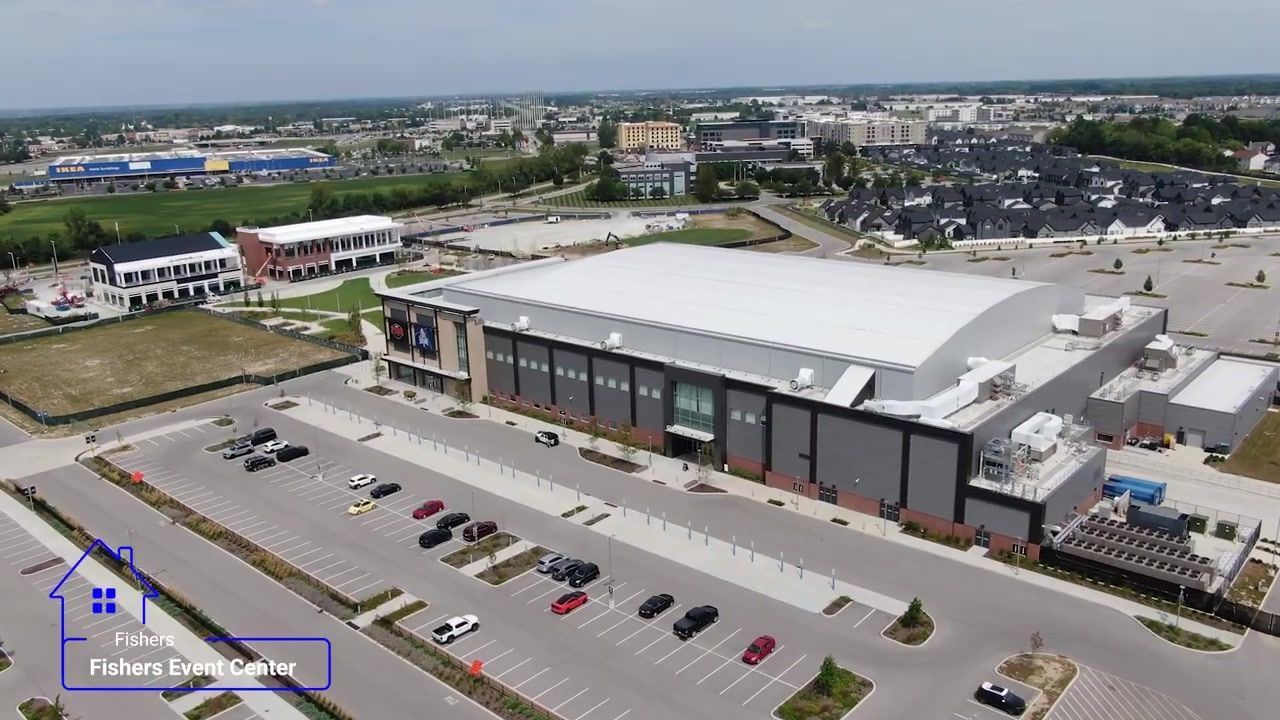
Fishers sits directly northeast of Indianapolis and shares a large border with the city. It turned into a city with an actual downtown in less than 15 years, and the Nickel Plate District now has an amphitheater, restaurants, the Nickel Plate Trail running through it, and events basically every weekend in the summer. The median sale price right now is $430,000 as of mid-2026, and that number surprises people. They assume Fishers costs what Carmel costs or Zionsville, but it doesn't. That gap is one of the most useful things you can know when you're shopping up that way.
Homes in Fishers are selling in about 16 days, so it's not a slow market. But it's also not the 10-day frenzy you see in Carmel. Hamilton Southeastern Schools serve the area, and the district has a strong reputation. The Nickel Plate Trail connects to the Monon Trail system, so you've got that regional connectivity for biking and walking. I-69 runs through Fishers and connects you to downtown Indianapolis, but that corridor between 96th Street and I-465 can be a very different animal at different times of day. If you're commuting into the city during rush hour, that drive matters.
The practical advantage here is price. You're getting Hamilton County access, a solid school district, a rebuilt downtown, and trail connectivity for $200,000 less than Carmel and $270,000 less than Zionsville. I bought my first house in Fishers for $129,000, which is disgusting to think about now. But the point is that Fishers has always been a place where the math works for buyers who want the northern suburbs without paying the absolute premium.
Carmel: The Most In-Demand Market in the Entire Metro
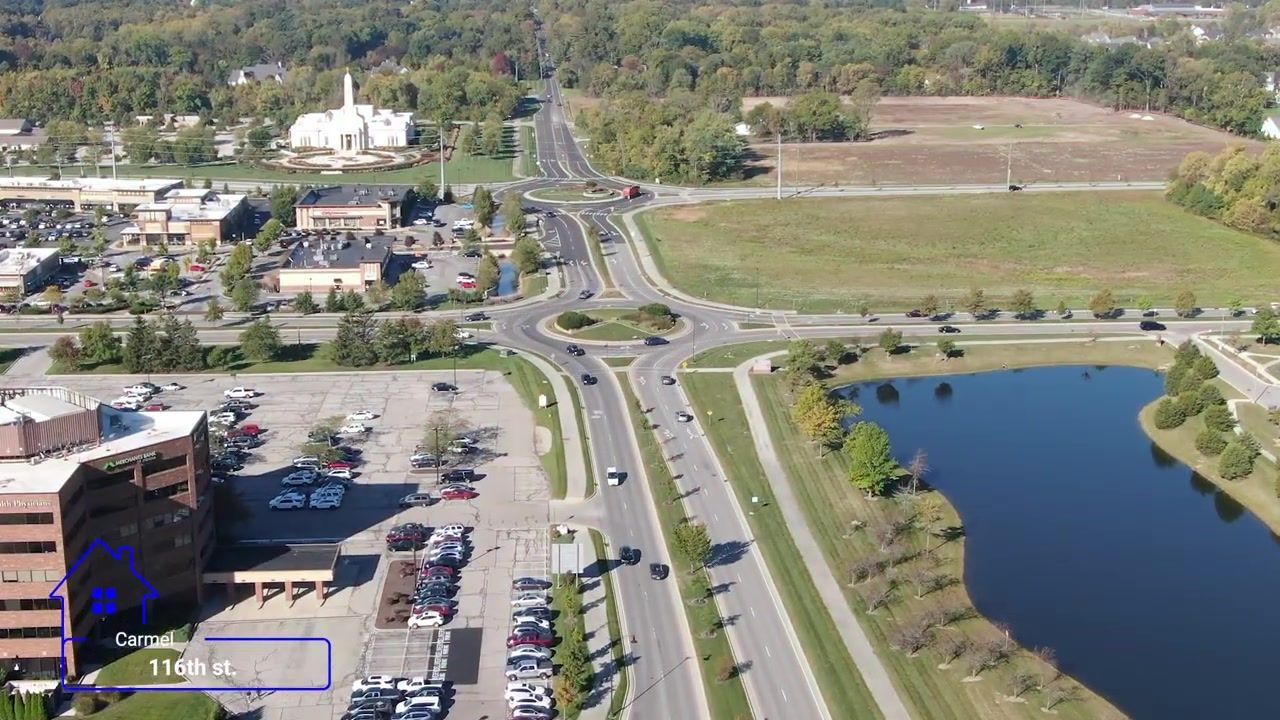
Carmel sits directly north of Indianapolis and shares a huge border with the city. It has the Arts and Design District, Midtown, City Center, all part of a downtown that's enormous for a city of 100,000 people. You've got the Palladium concert hall, the Monon Trail running right through it, and roundabouts instead of stoplights almost everywhere. The city replaced most of its intersections with roundabouts over many years, so you only have about 12 or 13 stoplights left in the entire city. The median sale price is right at $630,000 as of mid-2026, and homes are selling in about 10 days.
That speed is the thing out-of-state buyers underestimate the most. If you're flying in on a Saturday to see eight houses and planning to think it over for a day or two, the house you liked will likely be gone. Carmel Clay Schools serve most of the area, but just like everywhere else, some homes with a Carmel address are actually in Westfield schools. You need to check the specific address before you assume anything.
US-31 Keystone Parkway runs north out of Indianapolis into Carmel and Westfield, so accessibility is solid. The Monon Trail runs all the way through Carmel and continues south into downtown Indianapolis, so you've got that connectivity for biking and walking. The trade-off is price and speed. You're paying a premium to be here, and you're competing with other buyers who know exactly what they want. If you can afford it and you want the most in-demand market in the metro, Carmel delivers. If the $630,000 median doesn't fit your budget, Fishers and Noblesville are right next door with the same Hamilton County access for $200,000 less.
Greenfield: More House for the Money on the East Side
Greenfield sits on the east side in Hancock County, and it's one of the places people miss when they fixate on the Big 5 northern suburbs. Hancock County grew 2.4% last year, on pace with Boone County where Zionsville is. Fisher Homes, a popular regional builder, is putting up new homes in the $260s to the $550s-plus range. That's builder language, so the actual number will depend on the lot, the upgrades, and what you choose. But the point is you're getting more house for the money out here than you would in Carmel or Zionsville.
Depot Street Park sits right in town, and the Pinzi Trail runs through Greenfield and continues east to Indianapolis. That trail connectivity is real, and it's part of the regional system that connects the entire metro. Greenfield Central Schools serve the area, and most of the newer neighborhoods have an HOA. The amount varies, so you need to pull the actual number on the specific address before you write an offer.
The practical advantage here is competition. Greenfield is less competitive than the northern suburbs, so you're not fighting the same 10-day frenzy you see in Carmel. If you're a remote worker and you're not tied to a commute, Greenfield opens up as a real option. You get the new construction, the trail access, the newer neighborhoods, and the school district without paying the premium for Hamilton County. The trade-off is you're farther from the northern suburbs and the amenities that come with them. But if that doesn't matter to your day-to-day, the math on the east side can make a lot of sense.
Plainfield: Trail Connectivity and Less Competition
Plainfield sits west of Indianapolis in Hendricks County, and it's another place that gets overlooked when people focus on the northern suburbs. The town has an extensive trail system throughout, and you can get almost anywhere in Plainfield on a trail. The Vandalia Trail picks up in Plainfield and connects to the regional system, so you've got that connectivity for biking and walking without needing a car for every trip.
Plainfield is less competitive than the northern suburbs, and you get more house for the money. If you're a remote worker and you're not tied to a commute, Plainfield is a solid option. The trail connectivity is exceptional, and the town has invested in that infrastructure in a way that makes it stand out. You're not paying Carmel or Zionsville premiums, and you're not fighting the same speed and competition you see in Fishers.
The trade-off is you're west of the city instead of north, so you're farther from Hamilton County and the school districts that get most of the publicity. But if that doesn't matter to your day-to-day, Plainfield delivers on the things that do: trails, newer neighborhoods, and a price point that fits a wider range of budgets. It's one of those places that doesn't get a lot of notoriety, but there's nothing wrong with it. It's a solid, down-the-middle option that works for a lot of buyers.
Indianapolis: Over 900,000 People and Tons of Options People Skip
Indianapolis itself has over 900,000 people, so there are tons of places and tons of options inside the city. People skip over it way too fast because they assume the suburbs are the only choice. But you've got more popular neighborhoods like Broad Ripple, Meridian Kessler, Fountain Square, Nora, the Old Northside, Windsor Park, Bates-Hendricks, and downtown. You've also got places that don't get a lot of notoriety or publicity, but there's nothing wrong with them. They're solid, down-the-middle neighborhoods with older homes, mature trees, and walkable blocks.
The Cultural Trail loops through downtown Indianapolis connecting Mass Ave, Fountain Square, White River State Park, and then hands off to the Monon Trail. That trail runs 28 miles from near downtown all the way through Broad Ripple, Carmel, Westfield, and up to Sheridan. You've got connectivity for biking and walking that you don't always get in the suburbs. The central Indiana median sale price is $325,000 according to MIBOR, but that number is close to useless for planning your purchase because it covers 27 different markets with a sevenfold spread.
Some homes with an Indianapolis address are actually in suburban school districts like Brownsburg, so you need to check the specific address. There are also a lot of private and parochial options across the metro, especially closer to downtown. Plenty of families here mix and match public elementary and private high school, or the other way around. The lifestyle is completely different than a new build in Westfield. You get older homes, mature trees, walkable blocks in some neighborhoods, and a completely different day-to-day.
The trade-off is Indianapolis is not a walkable city as a whole. You will need a car. I-65 and I-70 run through the city, and the I-65/I-70 split downtown is a pinch point during commute times. But if you want that urban feel, the mature neighborhoods, the trail access, and the option to be closer to downtown without paying Carmel prices, Indianapolis itself is worth a serious look. People skip over it too quickly, and they miss a lot of solid options because of it.
Which Area Is Right for You: Comparing Lifestyle Trade-Offs Across the Metro
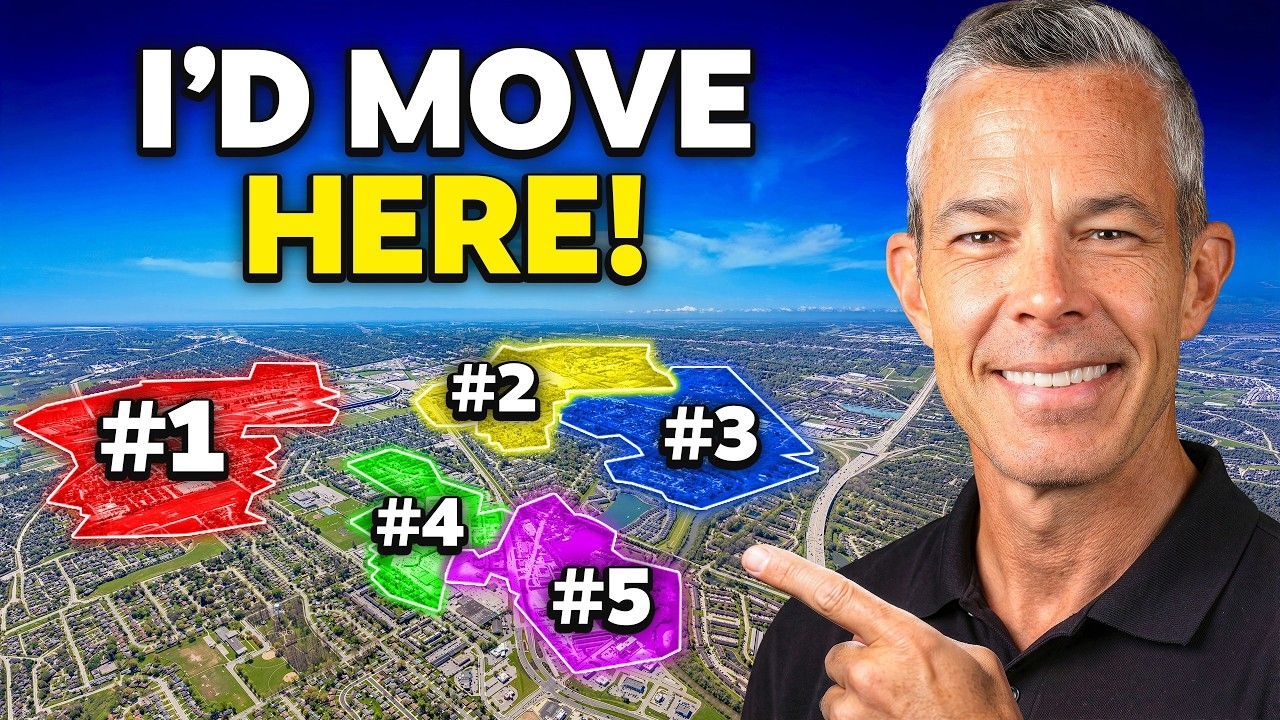
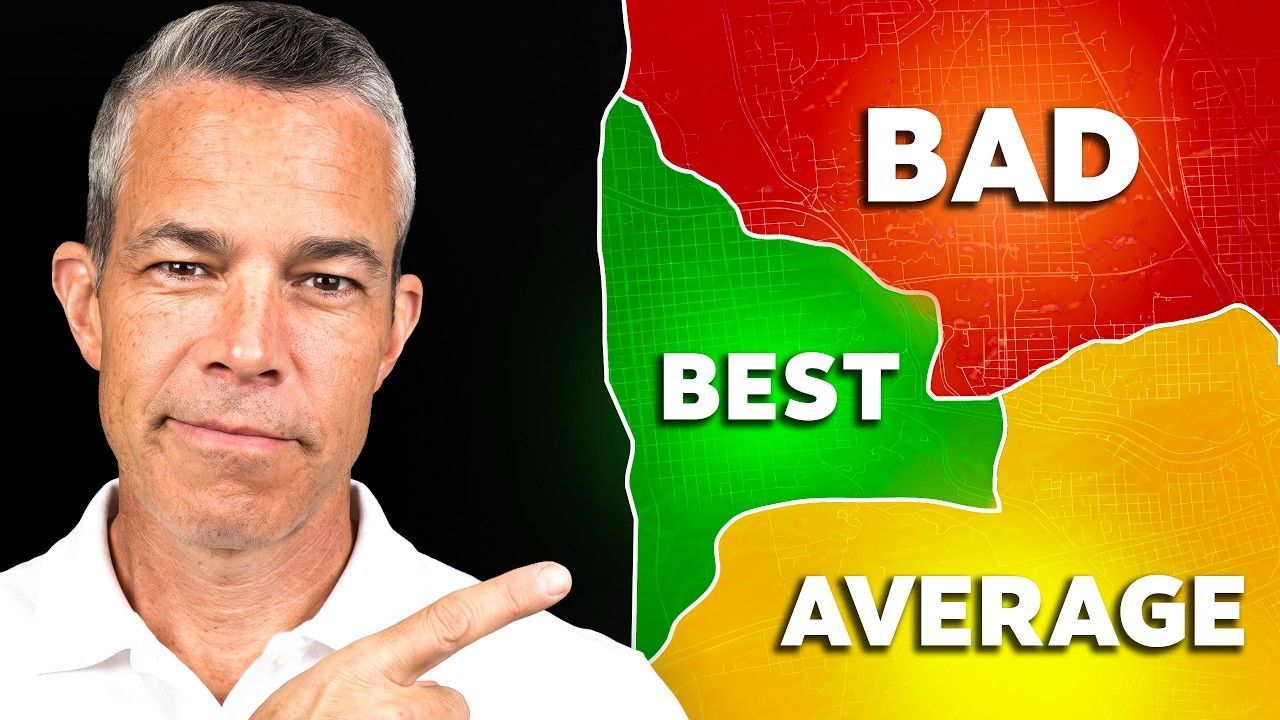
The gap between Noblesville at $417,000, Carmel at $630,000, and Zionsville at $701,000 is the entire decision. You get it wrong and you're either paying $100,000 more for a lifestyle you didn't actually want, or you're the family that moves again in two years because the commute or the day-to-day wasn't what you pictured. I've seen both happen, and it usually traces back to somebody piecing this together from listing sites and a generalist agent who's never worked on that side of the metro.
Here's how to think about it:
- Choose Noblesville if you want the most affordable option in the Big 5 northern suburbs, historic character from the square, and Hamilton County access without the premium.
- Choose Westfield if you want new construction, a rebuilt downtown, Grand Park access, and a city that's almost 90% less than 20 years old.
- Choose Zionsville if you want brick streets, unique properties, locally owned retail, and you're willing to pay the premium for a town that feels completely different from the grid subdivisions.
- Choose Fishers if you want the price gap that surprises everyone, Hamilton County access, a solid school district, and a rebuilt downtown for $200,000 less than Carmel.
- Choose Carmel if you want the most in-demand market in the metro, the Arts and Design District, the Palladium, and you can afford the $630,000 median and the 10-day speed.
- Choose Greenfield if you want more house for the money, less competition, and you're a remote worker not tied to a commute.
- Choose Plainfield if you want exceptional trail connectivity, less competition, and more house for the money on the west side.
- Choose Indianapolis itself if you want older homes, mature trees, walkable blocks in some neighborhoods, and a completely different lifestyle than new builds in the suburbs.
The practical advice is this: if you're flying in for a house hunting trip, drive what you think your actual commute would be at your actual commute time. Do it more than once. If you're not commuting at all, your options are wide open across the metro. You can focus on exactly where you want to be based on your day-to-day around the house and the schools you choose.
What Indianapolis Actually Costs in 2026: Beyond the Listing Price
The home price is the number most people fixate on, and it's also the number that can lie to you the most. Salary.com puts the total cost of living at $2,505 every month for a single person and $5,516 a month for a family of four as of mid-2026. On the housing side specifically, the Council for Community and Economic Research data published in March 2026 has Indianapolis housing running about 24% cheaper than the national average, with utilities about 6% below the average. If you're coming from Chicago, California, or the East Coast, your money goes a lot further here.
But there's a line item almost nobody budgets for, and that's property taxes. Not because they're high, but because they're different everywhere. Your tax bill in Indiana is tied to the assessed value of the house, and the rate changes by county and by township. Carmel and Fishers are both Hamilton County. Plainfield and Avon are both Hendricks County. But the actual bill on two houses that cost exactly the same can be different depending on which township and which school corporation you land in.
I'm not going to quote you a rate because the numbers move, and I'd rather have the real one tied to the specific property. What we do instead is pull the actual current tax bill on the specific address before you ever write an offer, so we know at least ballpark what we're working with. That assessment can change after you purchase the house a year or so later, but at least you're not surprised.
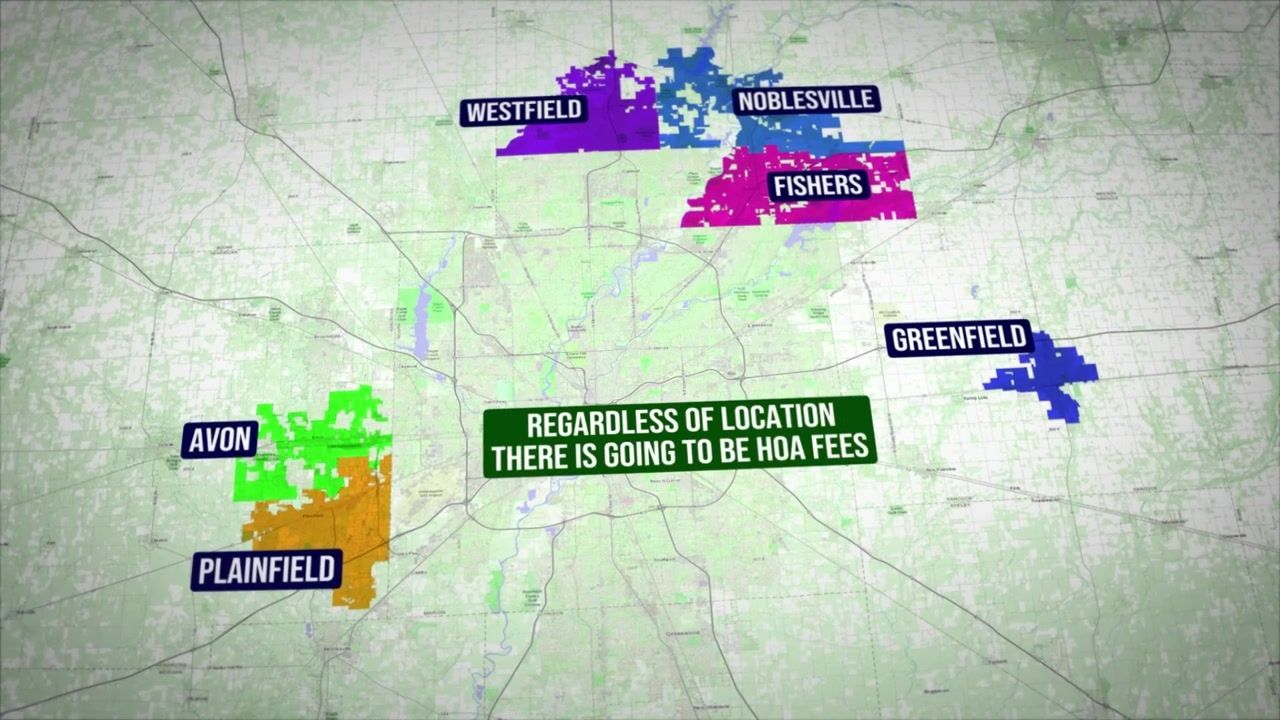
The other one is HOA dues. Most of the newer neighborhoods in Greenfield, Westfield, Fishers, Noblesville, Avon, Plainfield, wherever, are going to have an HOA. Two houses at the exact same price can have very different monthly costs. This is the stuff we've pulled from actual client closings over the years, not from a random cost of living calculator online. If you want a real number on what you can afford anywhere around Indianapolis, talk to a lender first. It's always your best first step so you know what parameters you're working in.
How Schools Work Here: Districts Don't Always Follow City Limits
Schools are one of the top reasons people call us, and they're the thing people misunderstand the most about how Indianapolis works. Here's the piece that trips everybody up: the city and the school district are usually the same thing. Carmel Clay Schools in Carmel. Hamilton Southeastern Schools in Fishers. Westfield Washington Schools in Westfield. Zionsville Community Schools. Noblesville Schools. Greenfield Central. Avon Community Schools. Each city or town usually runs its own corporation, so when you choose a town, you're likely choosing a district at the same time.
That sounds simple until you're actually shopping, because the district boundary doesn't always follow the city limit. You can find plenty of homes with a Carmel address but they're in Westfield schools. You can find homes with an Indianapolis address but they're in Brownsburg schools. You can find Noblesville addresses with Hamilton Southeastern schools, which is in Fishers. You'll also run into township differences in places like Fishers or all around Indianapolis.
Then there's the private side. There are a lot of private and parochial options across the metro, especially closer to Indianapolis. Plenty of families here mix and match public elementary and private high school, or the other way around. You can pull up GreatSchools and look at the specific school districts or the specific schools that serve the specific addresses you're considering. We put together a schools guide that lays out how all of this fits together across the metro, public and private, because the map is genuinely confusing. When you're looking at it from another state, it can be even more confusing than normal.
Getting Around the Metro: Distance Means More Than You Think
Indianapolis and the whole metro is usually way bigger than people realize. Here's what you need to know about getting around. Indianapolis is built a little like a wheel. There's a highway loop around the whole city called I-465, and there's a little section called I-865. Just about every major road eventually feeds into it, kind of like spokes. Plenty of interstates connect with it. I-69 comes down from the northeast through Fishers and Noblesville and continues southwest of Indianapolis. I-74 runs from the northwest in Brownsburg and continues on the southeast side all the way down to Cincinnati.
The only two interstates that truly run through the city are I-65 and I-70. I-65 runs northwest up to Chicago and southeast to Louisville and eventually all the way down to Mobile, Alabama. I-70 runs west to St. Louis and through Denver, but also out to the east all the way to the Atlantic Ocean. But there are plenty of other major roads that cross paths with I-465, like US-31 Keystone Parkway running north out of the city into Carmel and Westfield. You've got US-421, US-52, US-36, US-40, State Road 67, State Road 37. There's a lot of interaction with I-465, and the layout is genuinely pretty good compared to most metros the size of Indianapolis.
There's no mountain, no bay, no bridge bottleneck, but it does still have pinch points. The first is I-69 heading into Indianapolis between 96th Street and I-465. If you're in Fishers or Noblesville and you work in Indianapolis or downtown, that drive can be a very different animal at different times of day. Others you might want to be aware of: I-465 on the east side just south of I-70 gets crowded. Both I-65 and I-70 near the split right at downtown where those two interstates actually share pavement for a little while before they split off can get bottlenecked. Also around I-65 and I-465, that interchange on the south side close to Greenwood.
Places like Carmel have handled some of their pinch points differently. The city replaced over many years most of its intersections with roundabouts, so most of its stoplights are gone. You only have about 12 or 13 stoplights left in the entire city of Carmel. Here's the practical advice: if you're flying in for a house hunting trip or just an exploratory trip, drive what you think your actual commute would be at your actual commute time just to see what it's like. Do it more than once. You can also do that with your GPS from where you live right now and just see what the traffic flow is like in some of those corridors you're going to need.
If you're not commuting at all, which is a lot of our buyers right now, the whole calculation flips. Your options are wide open all around Indianapolis. You can focus on exactly where you want to be based on what your day-to-day looks like around the house and the schools you choose. You don't have to pay premium prices in places like Carmel and Zionsville if you don't want to. Greenfield, Greenwood, Plainfield, Avon, Brownsburg, Danville, Noblesville, Fortville, McCordsville, plenty of others.
One more thing that surprises people is this is not a walkable city as a whole. Walkability is defined differently by people. Some people just want to walk out their door and be able to walk their dog or ride their bikes with their kids. It's not even walking at all. It's just a safe place to do that right in their own neighborhood. But most of the metro, you are going to need a car.
Winters, Seasons, and What to Plan For
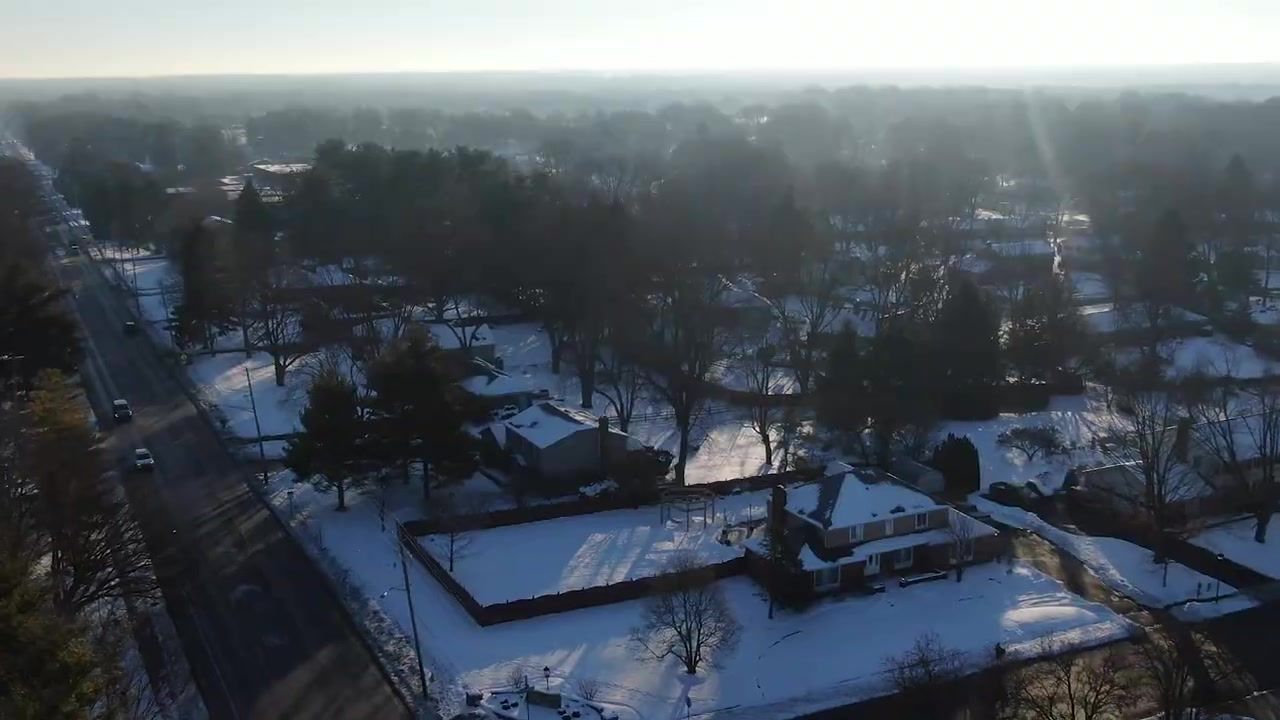
Winters in Indianapolis can get a little long. Sometimes they'll last five months from deep into November all the way through March. Winter is something you have to be honest with yourself about because we absolutely do have winter. It's the single biggest lifestyle adjustment for people coming from places like Texas, especially Southern Texas, Arizona, Southern California, and certainly Florida.
We get four real distinct seasons. I will say the fall in Indiana is probably one of the best and worst times to visit a place like this because it is just so incredibly nice that it can lure you into thinking it's nice like that all the time, which it's not. September and October especially are close to perfect. The summers are very warm, very humid here, but they aren't desert heat and they aren't quite that southern humidity either.
That seasonal swing changes what you should actually buy based on what you want. A pool here gets used a lot more than you might think. A big yard is something a lot of people want, and the space is great. It's awesome to have that space. But you also need to consider taking care of it if you never have before. Once that weather does turn to winter, having something like a basement can be super helpful because in a climate like this it's some awesome extra space to have from November to March.
The Park and Trail System
The other thing to plan for is the park and trail system. Everybody's heard about the Monon Trail, but if that's all you know, you're really missing out. It's a web of trails and parks all around the Indianapolis metro. The Cultural Trail loops through downtown Indianapolis connecting Mass Ave, Fountain Square, White River State Park, and then hands off to the Monon Trail, which runs 28 miles from near downtown through Broad Ripple into Carmel and through Westfield and all the way up to Sheridan. It's connected with the Midland Trace Trail, and you can connect to the Nickel Plate Trail from there.
When you go east, you've got the Pinzi Trail going through Greenfield all the way through the east of Greenfield and then back west into Indianapolis. If you head west in the metro, you're going to find things like the Big Four Rail Trail through Zionsville and Whitestown. You've got the B&O Trail which runs through Avon and Brownsburg. You've got the Vandalia Trail which picks up in Plainfield. Plainfield itself has an extensive trail system going through the entire town. You can get almost anywhere in Plainfield on a trail. It's not just one trail, it's really a regional system. Just about anywhere you live, you're only going to be a few minutes from a trailhead or a park of some kind.
The Mistakes I See Most Often
Buyers come here from a higher cost of living market and they just generally see the prices, so they assume the whole metro is a steal. But they don't shop carefully. They just pick the city or town they've heard of or heard the most about. Here's what the numbers actually say. Looking at data over 27 Indianapolis area markets, the median sale price runs from $100,000 on the low end all the way up to $700,000 in Zionsville. That's a sevenfold spread inside one metro.
Even inside just the five main northern suburbs, you're looking at roughly $417,000 in Noblesville, up to $630,000 in Carmel and $701,000 in Zionsville. Both places are close together. They actually share borders with each other. So when somebody quotes you the central Indiana median sale price of $325,000 from MIBOR, that number is real and it's also close to useless for planning your purchase. It's pretty rare for someone's house to cost the median.
The second mistake I see is speed. Carmel homes are selling super fast, most of them in under a week. Fishers is around 16 days. If you're flying in from out of state on a Saturday and you're seeing eight houses and exploring and planning to think it over if you find a place for a day or two, the house you liked will likely be gone. Our out-of-state clients get set up before they land with a shortlist, a preapproval in hand, and a plan for how we write fast if something fits, because the speed is super important.
The third one is new construction. Builders here are putting up some really nice, really beautiful homes, and there's nothing wrong with buying new. But you have to come to us first before you register with the builder or walk into that model home alone. The builder's rep works for the builder. That's their job. Once you've registered on your own, it gets really complicated for us to represent you. You've just given up having somebody on your side of the table for free.
Conclusion
Go back to that spread I just gave you. $417,000 in Noblesville, $630,000 in Carmel, $701,000 in Zionsville. That gap is the entire decision. You get it wrong and you're either paying $100,000 more for a lifestyle you really didn't actually want, or you're the family that moves again in two years because the commute or the day-to-day or the district wasn't what you pictured. I've seen both happen, and it usually traces back to somebody piecing this together from listing sites and a generalist agent who sells three houses a year and has never worked on that side of the metro.
If you want to know which city actually fits your budget and your day-to-day before you burn your only visit, reach out to us. We'll walk through your budget, your commute if you have one, the type of home you want, and the schools you're considering. Then we'll give you a shortlist of the communities that might actually fit you the best. We've helped families relocate here for 20 years, and we know how to make that transition easier on you.
FAQ: Moving to Indianapolis in 2026
What is the cost of living in Indianapolis compared to the national average?
Indianapolis housing runs about 24% cheaper than the national average according to the Council for Community and Economic Research data published in March 2026, with utilities about 6% below the average. Salary.com puts the total cost of living at $2,505 every month for a single person and $5,516 a month for a family of four as of mid-2026.
How do school districts work in the Indianapolis area?
The city and the school district are usually the same thing, Carmel Clay Schools in Carmel, Hamilton Southeastern Schools in Fishers, Westfield Washington Schools in Westfield. But the district boundary doesn't always follow the city limit. You can find homes with a Carmel address in Westfield schools, or homes with an Indianapolis address in Brownsburg schools. Always check the specific address to verify which district serves that property.
Which Indianapolis suburbs are the most affordable?
Noblesville is the most affordable of the Big 5 northern suburbs with a median sale price of $417,000 as of mid-2026. Greenfield on the east side and Plainfield on the west side are also less competitive and offer more house for the money. The central Indiana median sale price is $325,000, but that covers 27 different markets with a sevenfold spread from $100,000 to $700,000.
How fast are homes selling in Carmel and Fishers?
Carmel homes are selling in about 10 days as of mid-2026, and Fishers homes are selling in about 16 days. If you're flying in from out of state and planning to think it over for a day or two, the house you liked will likely be gone. Out-of-state buyers need a shortlist, a preapproval in hand, and a plan for how to write fast if something fits.
Is Indianapolis a walkable city?
Indianapolis is not a walkable city as a whole. You will need a car. But there are walkable blocks in some neighborhoods like Broad Ripple, Meridian Kessler, Fountain Square, and downtown. The Cultural Trail loops through downtown connecting Mass Ave, Fountain Square, and White River State Park, and then hands off to the Monon Trail which runs 28 miles through Carmel, Westfield, and up to Sheridan.
What are the biggest mistakes people make when moving to Indianapolis?
The biggest mistakes are not shopping carefully across the price spread, underestimating the speed of the market, and registering with a builder without representation. Buyers come from higher cost markets and assume the whole metro is a steal, but the median sale price runs from $100,000 to $700,000 depending on the area. Speed matters in places like Carmel where homes sell in 10 days, and registering with a builder on your own makes it complicated for a buyer agent to represent you.
jason compton
A former teacher turned full-time real estate agent serving Greater Indianapolis. I help buyers, sellers, and relocation clients make informed moves—especially those coming from out of state. From neighborhood insights to home tours, my goal is to simplify the process and help you feel confident in every step.

Stay Informed
Insights, Tips & Life in Indianapolis
Your go-to resource for all things real estate and Indy living. Whether you're buying, selling, relocating, or just curious about the local market, our blog is packed with helpful articles, expert advice, and community highlights to keep you informed and inspired.