What's Really Happening in Indianapolis's Housing Market in 2026
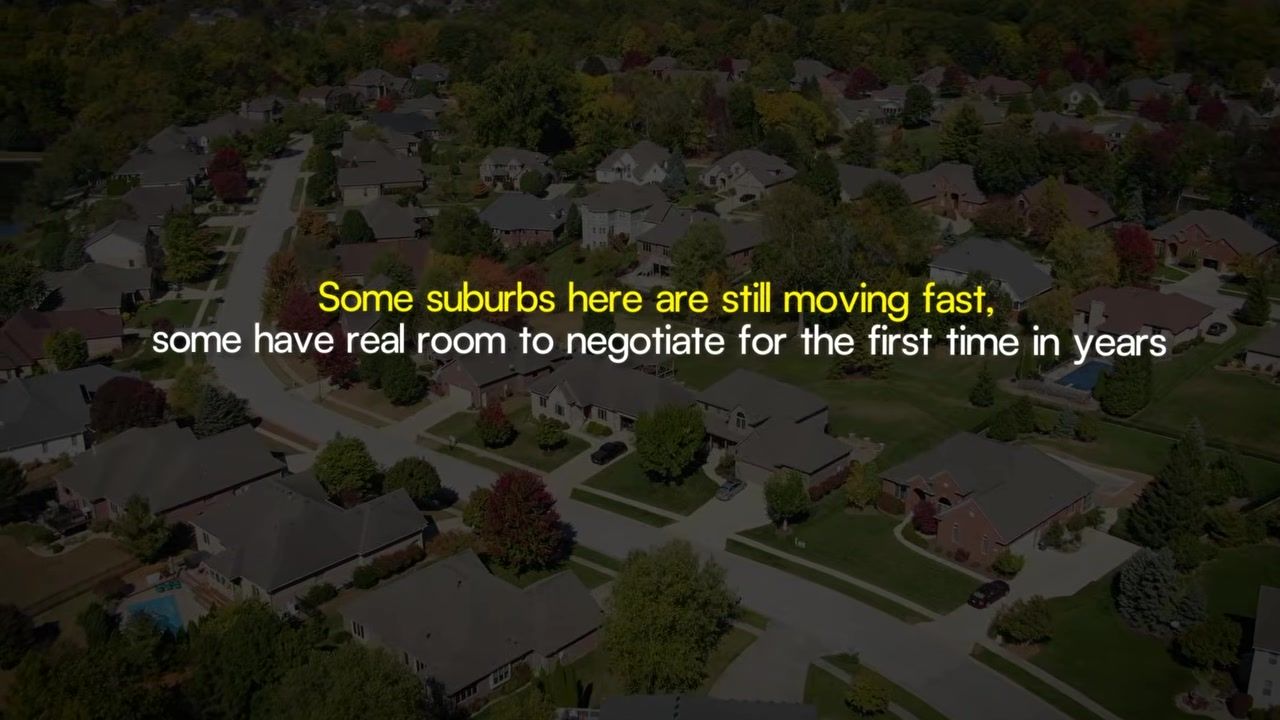
You've probably seen headlines saying the housing market is cooling off. But when you look at the actual data for the Indianapolis metro, the story is more complicated than those national soundbites suggest. Some suburbs are still moving fast, homes averaging three offers, days on market dropping from 32 to 25 in a single month. Other areas have real room to negotiate for the first time in years, with days on market climbing from 20 to 57 and more than half of all listings taking a price cut at the peak of the slowdown.
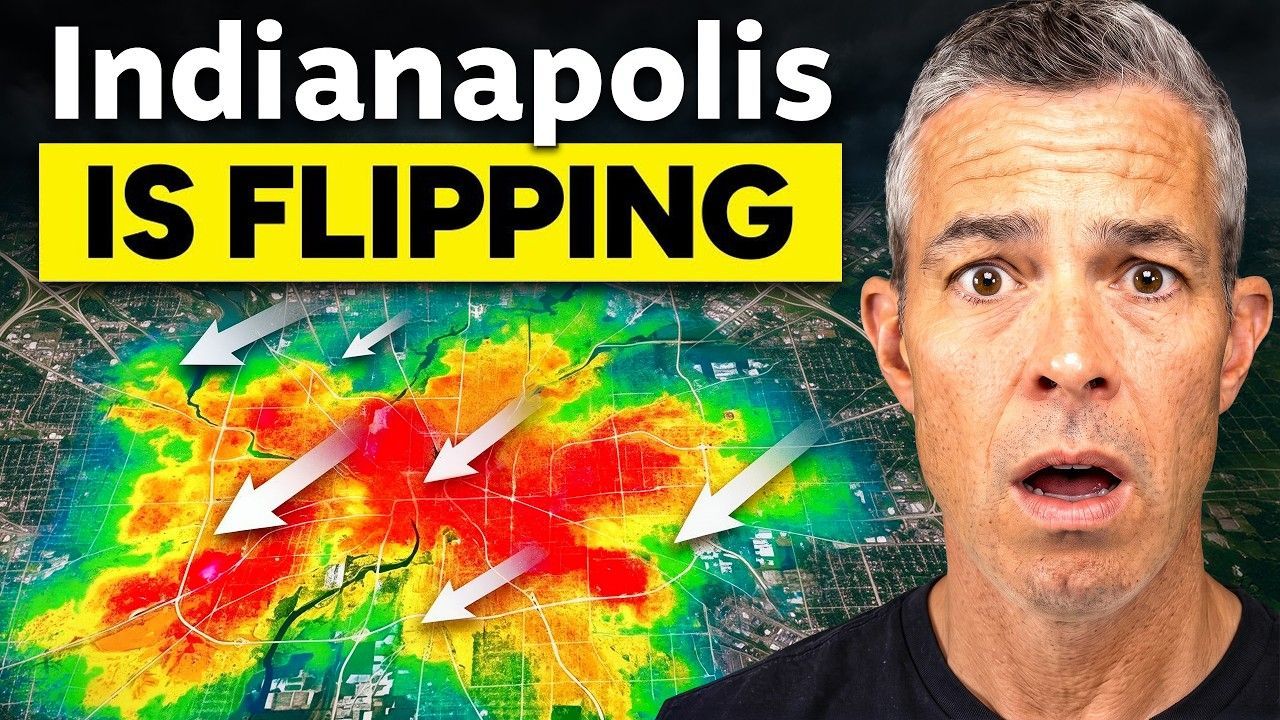
I'm Jason Compton. I've lived and worked across these suburbs my entire adult life, and my team and I have been tracking this market closely to figure out what's actually going on. The short version: Indianapolis is not one market. It's a collection of submarkets that behave completely differently depending on where you're standing. Carmel has just 0.69 months of supply and homes averaging around three offers. Noblesville, right next door, has 57 days on market and the best negotiating environment in Hamilton County. Same metro, same month, two completely different negotiations.
This article breaks down what actually changed over the past 12 months, whether buyers or sellers have the upper hand right now, and what I'd personally tell a friend who asked me if this is the right time to move. We'll walk through Fishers , Carmel , Noblesville , Westfield , Zionsville , Greenwood , Greenfield , and Hamilton County as a whole, what's happening in each place, who has leverage, and where the opportunities are if you know where to look.
Table of Contents
- What Changed in Late 2025 and Early 2026
- Fishers: Price Cuts and Builder Incentives
- Carmel: The Tightest Market in the Metro
- Noblesville: Best Negotiating Environment in Hamilton County
- Westfield: Competing with Builder Packages
- Zionsville: Similar Tight Conditions to Carmel
- Greenwood: Active New Construction with Incentives
- Greenfield: Builder Rate Buydowns and Closing Cost Assistance
- Hamilton County: Strong Demand Continuing
- Which Suburb Is Right for You: Leverage and Trade-Offs
- My Prediction for the Rest of 2026
- Conclusion
What Changed in Late 2025 and Early 2026
Somewhere around the back half of 2025, something shifted in this market, and most people felt it well before anybody could explain it to them. Houses that would have had five or six offers by Sunday night in 2022 were sitting for two weeks, then three weeks, then a month. What actually changed was affordability. By September of 2025, housing costs across the entire Indy metro were eating up roughly 36% of the median household income here, which is right up near a record for Indianapolis. When your payment takes that big of a bite, buyers slow down, they get pickier, and you could see that show up in the numbers pretty clearly.
Active single-family inventory across the entire metro climbed to 5,509 homes late in 2025. That was up 27% from 4,337 homes just the year before. At the peak of that adjustment, more than 55% of active listings in the metro had cut their price at some point. That's more than half. But in the fourth quarter of 2025, closed sales across the metro were actually up 11.4% year over year, and pending sales were up 18.7%. Inventory sat at about just over 1.8 months of supply, which is roughly half the national average. So more homes were selling. The market didn't break at all. It just stopped rewarding sellers for doing absolutely nothing.
The misconception that trips people up the most is assuming rising inventory automatically means falling demand. Those two are actually different things. And in 2025, around Indianapolis, buyers didn't disappear. They got more selective. Sellers who priced right, priced correctly just right out of the gate from day one, still moved through the process fairly fast. The ones who got hurt were the ones treating this like 2022 pricing with 2025 buyer behavior. That mismatch is what actually produced those price cuts, not a lack of buyers in the market.
Pretty much everybody who follows this stuff walked into 2026 expecting mortgage rates to come down, and they didn't. At the start of the year, Bankrate's forecast had the 30-year fixed rate falling to somewhere around 5.7% by the end of 2026. For a minute, it really looked like that might happen because rates dropped to an average of around 6.09% in February. Then they reversed. By June 25th, 2026, Freddie Mac had the average 30-year fixed at about 6.49%, which is nearly 40 basis points above the low for the year. The reason is really pretty straightforward: inflation accelerated to 4.2% in May of 2026, the highest reading since 2023, and rates followed it on up. The entire market, buyers, sellers, builders, all of us, spent the first half of 2026 planning around a number that just never showed up.
You have homes that are averaging about 28 days on market compared to 21 days or so just a year ago. Redfin data from May of 2026 showed price drops on 22% of Indiana homes and only 18.2% of homes selling above list price. That's very, very different. Zillow actually ranked Indianapolis the number one buyer-friendly market out of the 50 largest metros in the entire country for 2026, which is a pretty big deal. But I want to be really clear about one thing, because people hear buyer-friendly and they assume prices are dropping or that it's just going to be super, super easy. Prices are not dropping. Across the broader Indy metro, prices were still up 1.9% in May 2026. Prices are still going up, they're still climbing, just a lot slower. Buyers have just gained some time and a little bit of negotiating room, not discounts necessarily.
Fishers: Price Cuts and Builder Incentives
Fishers is probably the cleanest example of what changed late in 2025. Late in 2025, 69% of Fishers homes had a price reduction compared to 52.9% the year before, and the sale-to-list ratio in Fishers dropped to 96.2%. So sellers weren't just taking longer, they were taking less money. That's a significant shift from the bidding-war environment of 2022 and early 2023, when homes were routinely going over asking and closing in a week.
What's happening now is that Fishers has an active new construction market with builder incentives available. Builders are offering rate buydowns and closing cost assistance as a standard part of their package. So if you're shopping resale in Fishers, your house isn't just competing with the resale down the street, it's competing with an incentive package that you have to answer in some way. That might mean a credit, it might mean fresh paint and staging, but it has to be something.
For buyers, this is actually a pretty good environment. You've got some time to think again. You can get a real inspection, you can ask for repairs, and you can walk away from a house that doesn't work without feeling like you just blew your only shot. Seller-paid closing costs, those credits, rate buydowns, they are very genuinely back on the table in a lot of situations. If you're shopping Fishers, ask for them because you probably have some room.
One caution: the average weekly wage in the Indianapolis metro is $1,314, compared to $1,436 nationally. If you're moving from a higher wage market and taking a local salary, you gotta run your actual numbers before you fall in love with a price point. Zillow's analysis found a typical Indianapolis mortgage takes up about 26.9% of the median household income here around Indianapolis and the whole metro. In Miami, as a comparison, that same figure is 46.7%. Redfin also put Indianapolis, the median sale price 42% lower than the national median. Our overall cost of living runs about 10% below the national average. So yeah, it costs more to borrow than it did three years ago, but your dollar still goes further here than almost anywhere that's comparable.
Carmel: The Tightest Market in the Metro
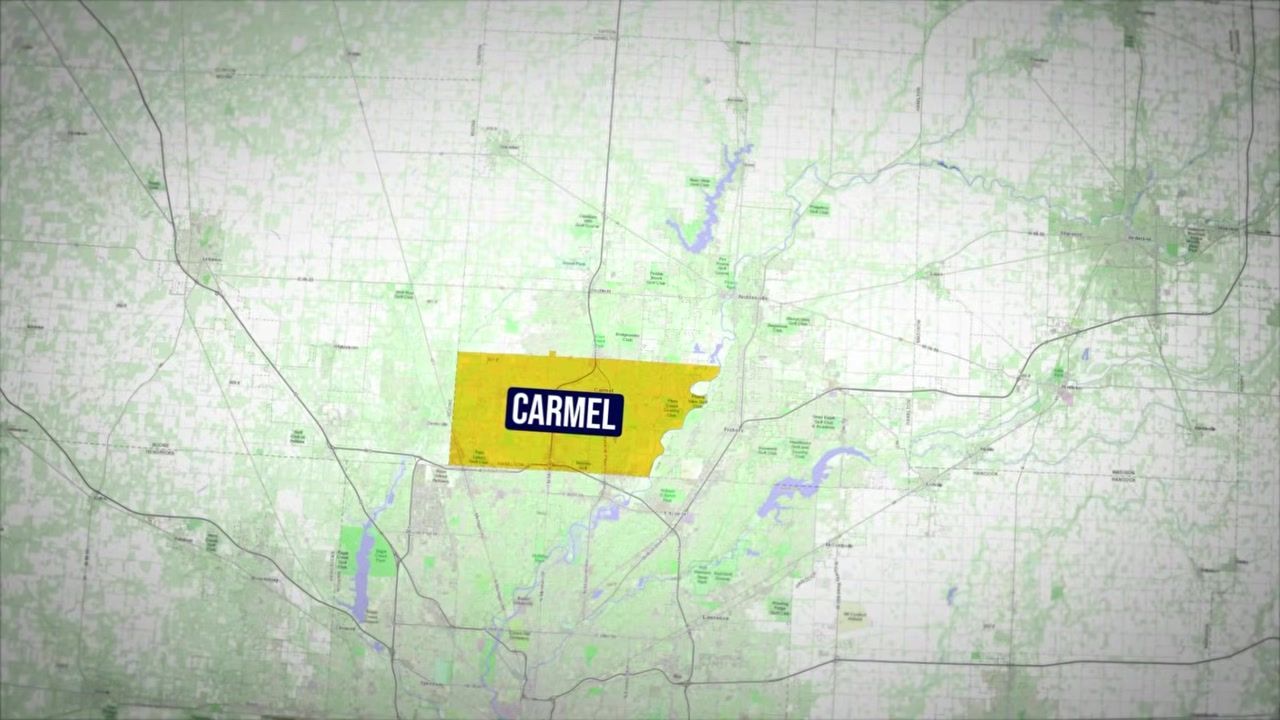
Carmel is a completely different story. In April of 2026, Carmel had just 0.69 months of supply with inventory down 10.9% year over year and homes averaging around three offers. That is a seller's market by any definition. The median price in Carmel is around $550,000, and prices are up 4.7%. Days on market actually fell from 32 days in April to 25 days in May of 2026. That's real demand, and it's happening right now.
If you're shopping Carmel, you likely don't have much room to negotiate. Going in with a lowball offer there is just gonna lose you the house. A lot of buyers assume that asking for concessions makes them look kind of weak, like they're gonna lose the house over it. But in Carmel, at just 0.69 months of supply, you really don't have it. The sellers who are actually winning are the ones who price at the market on day one and capture that first two weeks of attention. It's so important.
I think Carmel stays the tightest market in the entire metro through the rest of 2026, and I don't expect meaningful buyer leverage there this year. The fundamentals underneath Carmel are still really strong. Markets with growing jobs and 0.69 months of supply don't collapse. If you're planning to stay five years or more, the payment really works at today's rate, and you're buying in Carmel, then yes, I'd buy now because you'll never have this much time and this much leverage in a market where prices are still rising. But if you're stretching to make the payments work, or there's a real chance you're moving again in two years, then no, I'd wait. I'd rather tell you that now than sell you a house that you regret.
One more thing: if you're relocating here and trying to figure out which place fits you and what you should be offering there, my team and I do this every single week with relocating families. Most of our clients are coming from out of state and making a huge decision off one short visit, or sometimes no visit at all. You can call us, you can text us, or you can schedule a call and we'll map it out for you.
Noblesville: Best Negotiating Environment in Hamilton County
Noblesville is where I'd expect buyers to keep the most room on the north side. The median price in Noblesville is around $400,000, and in March 2026, days on market had gone from 20 days to 57 days. That's the same metro, same month as Carmel, but two completely different negotiations. Noblesville is probably the single best negotiating environment in Hamilton County right now.
What's happening in Noblesville is significant new construction activity. Builder incentives like rate buydowns and closing cost assistance are available. So if you're shopping Noblesville, ask for them because you probably have some room. Even with resale sellers, you've got time to think. You can get a real inspection, you can ask for repairs, and you can walk away from a house that doesn't work without feeling like you just blew your only shot.
The sellers who are getting hurt in Noblesville are the ones treating this like 2022 pricing with 2025 buyer behavior. Current listings across the market carry a median list price around $220 per square foot, and homes are actually selling somewhere between $185 and $200 per square foot. That gap between what people are asking and what people are paying is the entire problem. The most expensive mistake I'm watching people make right now is pricing off what their neighbor, the house just down the street, listed two years ago.
For buyers, if you're getting quiet nos on the price, we're not going to do anything about that, try restructuring your ask just around things like the closing costs or maybe a temporary rate buydown. In this market, in the suburbs with real inventory like Noblesville, it's not gonna make you look weak. It's the opposite. I expect buyers to keep most negotiating room in Noblesville through the rest of 2026, especially with builder rate buydowns and closing cost packages competing for attention.
Westfield: Competing with Builder Packages
Westfield tells a similar story to Noblesville. Homes were averaging 69 days to sell in February 2026 compared to 43 days the year before, and February sales volume was 77 transactions, down from 106. That's a significant slowdown from the bidding-war environment of 2022 and early 2023. But well-priced homes just about anywhere are going to move fairly fast, and the sellers who are actually winning are the ones who price at the market on day one and capture that first two weeks of attention.
Westfield has significant new construction with builder incentives. Builders are offering rate buydowns and closing cost assistance as a standard part of their package. So if you're in Westfield where there's just a lot of new construction around you, your house isn't just competing with the resale down the street, it's competing with an incentive package that you have to answer in some way. That might mean a credit, it might mean fresh paint and staging, but it has to be something.
For buyers, I expect buyers to keep negotiating room in Westfield through the rest of 2026. You've got some time to think again. You can get a real inspection, you can ask for repairs, and you can walk away from a house that doesn't work without feeling like you just blew your only shot. Seller-paid closing costs, those credits, rate buydowns, they are very genuinely back on the table in a lot of situations. If you're shopping Westfield, ask for them because you probably have some room.
One caution: the thing that could change all of this is Zillow's number one buyer-friendly ranking. If that pulls more out-of-state demand in faster than inventory could keep up, then this window is going to close quickly. I've watched buyers walk into Carmel expecting Noblesville-level room to negotiate just based on advice from a friend in a totally different suburb, and they lose the house because of it. My team and I do this every single week with relocating families, and most of our clients are coming from out of state and making a huge decision off one short visit, or sometimes no visit at all.
Zionsville: Similar Tight Conditions to Carmel
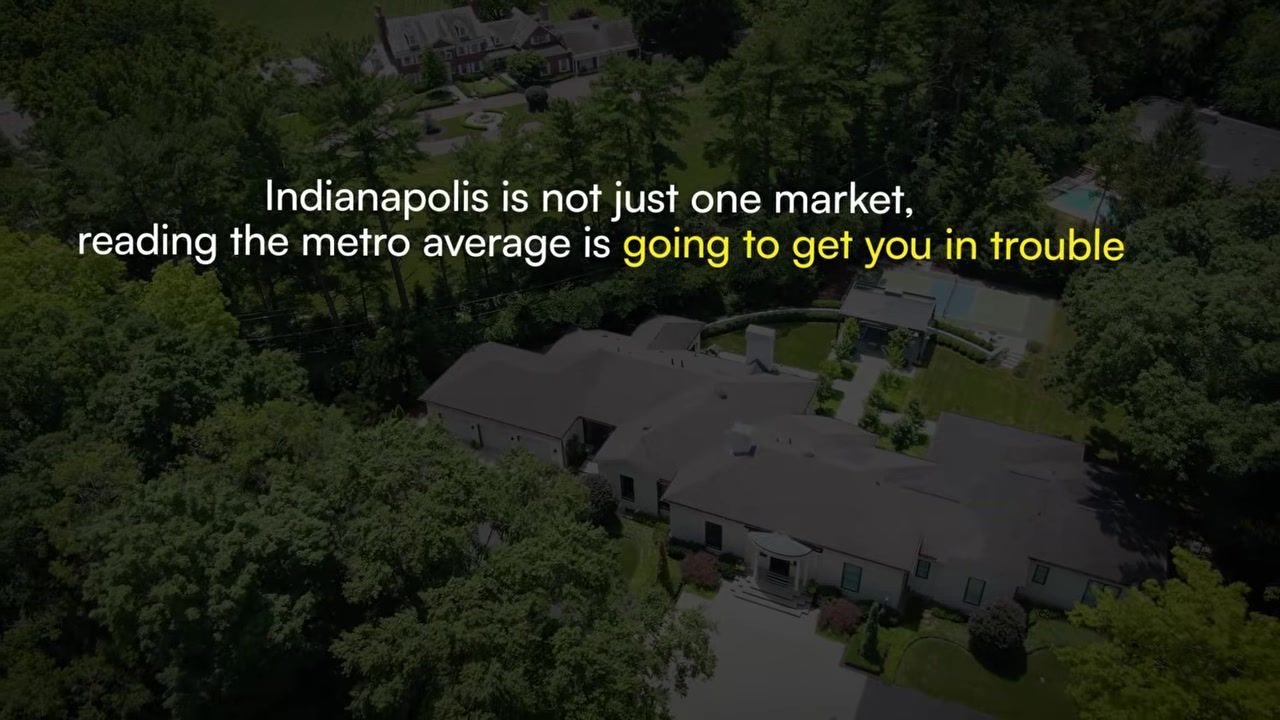
Zionsville is in a similar spot to Carmel. At the top end, with Zillow's index around $571,000, up 4%, Zionsville has similar tight market conditions. I don't expect meaningful buyer leverage there this year. If you're shopping Zionsville, you likely don't have much room to negotiate. Going in with a lowball offer there is just gonna lose you the house.
The fundamentals underneath Zionsville are still really strong. Markets with growing jobs and limited inventory don't collapse. Indianapolis real GDP grew 12.5% from 2019 through 2023 compared to 9.7% nationally. Unemployment here went from 4% down to 3.3% between 2024 and 2025. Markets with growing jobs and 1.88 months of supply don't collapse.
If you're planning to stay five years or more, the payment really works at today's rate, and you're buying in Zionsville, then yes, I'd buy now because you'll never have this much time and this much leverage in a market where prices are still rising. But if you're stretching to make the payments work, or there's a real chance you're moving again in two years, then no, I'd wait. I'd rather tell you that now than sell you a house that you regret.
Greenwood: Active New Construction with Incentives
Greenwood has an active new construction market. Builders are offering rate buydowns and closing cost assistance as a standard part of their package. So if you're shopping Greenwood, ask for them because you probably have some room. Your house isn't just competing with the resale down the street, it's competing with an incentive package that you have to answer in some way. That might mean a credit, it might mean fresh paint and staging, but it has to be something.
For buyers, this is actually a pretty good environment. You've got some time to think again. You can get a real inspection, you can ask for repairs, and you can walk away from a house that doesn't work without feeling like you just blew your only shot. Seller-paid closing costs, those credits, rate buydowns, they are very genuinely back on the table in a lot of situations.
One caution for anyone relocating here, and my team and I bring this up on a lot of relocation calls: the average weekly wage in the Indianapolis metro is $1,314, compared to $1,436 nationally. If you're moving from a higher wage market and taking a local salary, you gotta run your actual numbers before you fall in love with a price point. Zillow's analysis found a typical Indianapolis mortgage takes up about 26.9% of the median household income here around Indianapolis and the whole metro. In Miami, as a comparison, that same figure is 46.7%. So yeah, it costs more to borrow than it did three years ago, but your dollar still goes further here than almost anywhere that's comparable.
Greenfield: Builder Rate Buydowns and Closing Cost Assistance
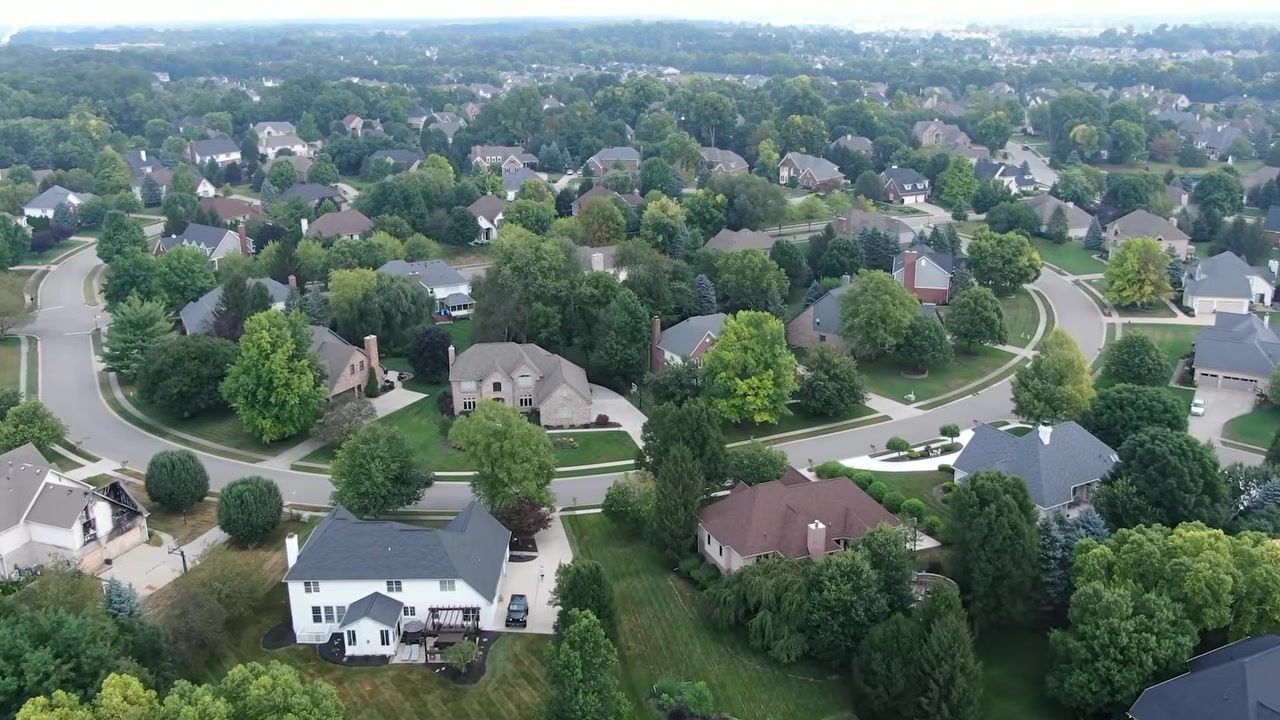
Greenfield has an active new construction market. Builders are offering rate buydowns and closing cost assistance as a standard part of their package. So if you're shopping Greenfield, ask for them because you probably have some room. Your house isn't just competing with the resale down the street, it's competing with an incentive package that you have to answer in some way. That might mean a credit, it might mean fresh paint and staging, but it has to be something.
For buyers, this is actually a pretty good environment. You've got some time to think again. You can get a real inspection, you can ask for repairs, and you can walk away from a house that doesn't work without feeling like you just blew your only shot. Seller-paid closing costs, those credits, rate buydowns, they are very genuinely back on the table in a lot of situations.
A lot of buyers also assume that asking for concessions makes them look kind of weak, like they're gonna lose the house over it. But in this market, in the suburbs with real inventory like Greenfield, it's the opposite. If you're getting quiet nos on the price, we're not going to do anything about that, try restructuring your ask just around things like the closing costs or maybe a temporary rate buydown.
Hamilton County: Strong Demand Continuing
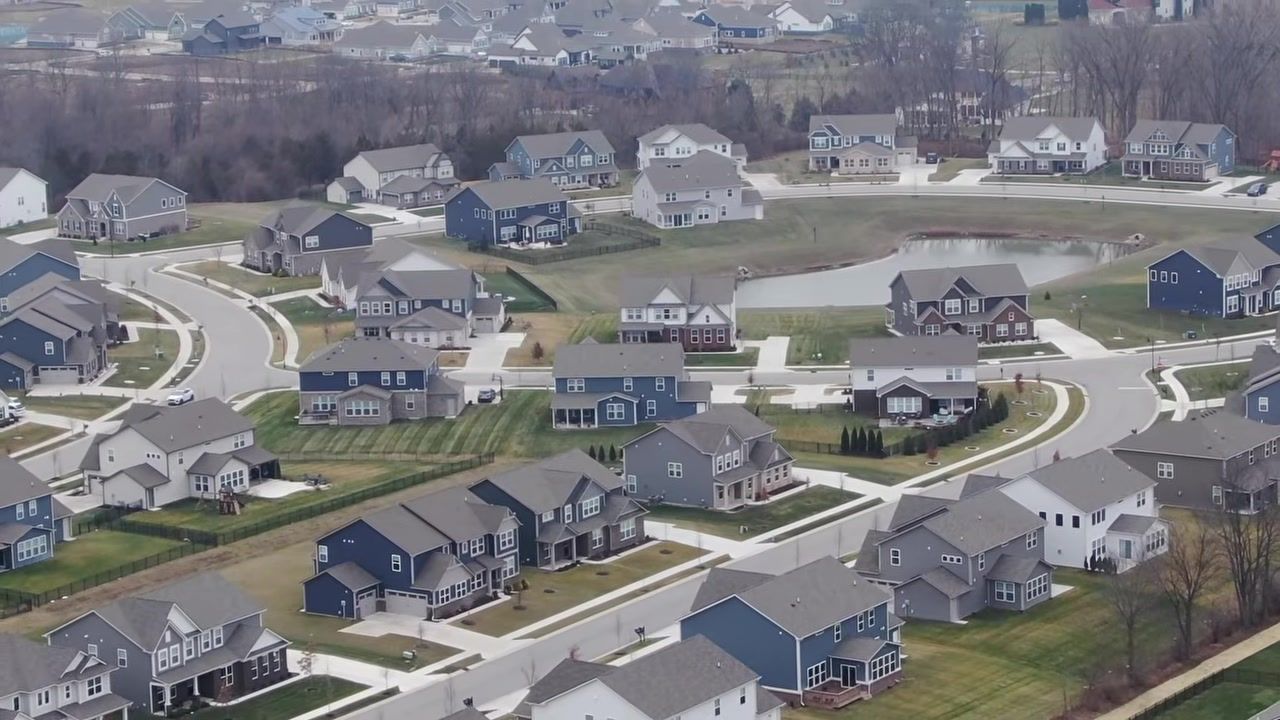
Hamilton County is wildly popular. The median sale price in Hamilton County hit $500,000 in May 2026. That's up 4.2% year over year. Average days on market actually fell from 32 days in April to 25 days in May of 2026. That's real demand, and it's happening right now. Prices are up 4.2% year over year as of May 2026, and strong demand is continuing.
What's happening in Hamilton County is that well-priced homes just about anywhere are going to move fairly fast. The sellers who are actually winning are the ones who price at the market on day one and capture that first two weeks of attention. It's so important. The most expensive mistake I'm watching people make right now is pricing off what their neighbor, the house just down the street, listed two years ago. Current listings across the market carry a median list price around $220 per square foot, and homes are actually selling somewhere between $185 and $200 per square foot. That gap between what people are asking and what people are paying is the entire problem.
For buyers, the thing you're probably wrestling with is the feeling that you're about to overpay at the worst possible time. I want to put Indianapolis in context for just a second here because the comparison matters more than just raw numbers. Zillow's analysis found a typical Indianapolis mortgage takes up about 26.9% of the median household income here around Indianapolis and the whole metro. In Miami, as a comparison, that same figure is 46.7%. Redfin also put Indianapolis, the median sale price 42% lower than the national median. Our overall cost of living runs about 10% below the national average. So yeah, it costs more to borrow than it did three years ago, but your dollar still goes further here than almost anywhere that's comparable. And that's a big part of why demand around here has never actually collapsed.
Which Suburb Is Right for You: Leverage and Trade-Offs
The reason I gave you a suburb-by-suburb answer instead of one metro number is that a metro number would have told you almost nothing useful individually. I've watched buyers walk into Carmel expecting Noblesville-level room to negotiate just based on advice from a friend in a totally different suburb, and they lose the house because of it. My team and I do this every single week with relocating families, and most of our clients are coming from out of state and making a huge decision off one short visit, or sometimes no visit at all.
Here's how I'd break down the trade-offs if you're trying to figure out which place fits you:
- Choose Carmel if you want the tightest market in the metro, strong seller position, and you're comfortable with minimal buyer leverage. Expect to pay around $550,000 median, prices up 4.7%, and homes averaging around three offers. Do not go in with a lowball offer. You will lose the house.
- Choose Noblesville if you want the best negotiating environment in Hamilton County, most buyer leverage on the north side, and you're comfortable with significant new construction activity. Expect to pay around $400,000 median, days on market around 57 days, and builder incentives like rate buydowns and closing cost assistance available.
- Choose Westfield if you want negotiating room, significant new construction with builder incentives, and you're comfortable competing with builder rate buydowns and closing cost packages. Expect homes averaging 69 days to sell, February sales volume down from 106 to 77 transactions, and buyers to keep negotiating room through 2026.
- Choose Zionsville if you want similar tight market conditions to Carmel, limited buyer leverage, and you're comfortable with prices around $571,000, up 4%. Do not go in with a lowball offer. You will lose the house.
- Choose Fishers if you want an active new construction market with builder incentives available, and you're comfortable with 69% of homes having had a price reduction late 2025 vs 52.9% year prior, and sale-to-list ratio at 96.2%. Sellers are taking longer and accepting less.
- Choose Greenwood or Greenfield if you want an active new construction market, builders offering rate buydowns and closing cost assistance, and you're comfortable asking for concessions because you probably have some room.
If you want to avoid wasting your only visit, or if you're trying to figure out which place fits you and what you should be offering there, you can call us, you can text us, or you can schedule a call and we'll map it out for you. Indianapolis can feel massive, so much bigger than you thought when you're relocating here. You start out looking at Carmel, then somebody mentions Noblesville or Fishers, then Zionsville, then Westfield, then Avon, Brownsburg, Greenwood, Greenfield, Fortville, and others out there too. And suddenly your brain's a mess just trying to keep it all straight, of course. So we see it a lot with families flying in for one weekend trying to cover six different areas in just a couple of days and picking the house that felt really, really good, really right, instead of the city or the town or that area that actually fits them.
That's exactly why we built our neighborhood match quiz. Answer a few quick questions about your budget, your commute, your home style, what actually matters to you in your day-to-day, and it gives you a personalized shortlist of communities that are probably worth looking at, which is fantastic to have something narrow it down for you. It's going to give you the reasons why each one of those fits. I've taken it myself and it's matched me right where my family and I actually live, so I feel pretty good about how accurate it really is. Links in the description, QR codes on the screen. Take it, then send me a message with what neighborhood you got.
My Prediction for the Rest of 2026
Here's my actual prediction for the rest of 2026, and I'll definitely put my name on it. I think this market holds roughly where it is. You're gonna get probably a little more inventory compared to last year. You got more negotiating room for buyers. And no widespread price drops across the Indy metro. I'd be pretty cautious about anybody selling you one of those because the fundamentals underneath the entire metro are still really strong.
Indianapolis real GDP grew 12.5% from 2019 through 2023 compared to 9.7% nationally. Unemployment here went from 4% down to 3.3% between 2024 and 2025. Markets with growing jobs and 1.88 months of supply don't collapse. Where I'd get specific is this: I think Carmel stays the tightest market in the entire metro, and I don't expect meaningful buyer leverage there this year, especially at 0.69 months of supply with prices up 4.7% to around $550,000. Zionsville , right next door, is in a similar spot. At the top end, with Zillow's index around $571,000, up 4%.
Noblesville and Westfield , when we're talking about the north side, are where I'd expect buyers to keep the most room. Noblesville, at $400,000 for its median with 57 days on market, is probably the single best negotiating environment in Hamilton County right now. The thing that could change all of this is Zillow's number one buyer-friendly ranking. If that pulls more out-of-state demand in faster than inventory could keep up, then this window is going to close quickly.
So is now the right time? If you're planning to stay five years or more, the payment really works at today's rate, and you're buying in an area with maybe some negotiating room, then yes, I'd buy now because you'll never have this much time and this much leverage in a market where prices are still rising. If you're stretching to make the payments work, or there's a real chance you're moving again in two years, then no, I'd wait. I'd rather tell you that now than sell you a house that you regret.
Conclusion
Indianapolis is not one market. It's a collection of submarkets that behave completely differently depending on where you're standing. Carmel has just 0.69 months of supply and homes averaging around three offers. Noblesville, right next door, has 57 days on market and the best negotiating environment in Hamilton County. Same metro, same month, two completely different negotiations. The reason I gave you a suburb-by-suburb answer instead of one metro number is that a metro number would have told you almost nothing useful individually.
If you want to avoid wasting your only visit, or if you're trying to figure out which place fits you and what you should be offering there, you can call us, you can text us, or you can schedule a call and we'll map it out for you. My team and I do this every single week with relocating families, and most of our clients are coming from out of state and making a huge decision off one short visit, or sometimes no visit at all. Reach out day or night. We'll catch you in the next one.
FAQ: Indianapolis Housing Market 2026
Are mortgage rates going to come down in 2026?
Honest answer: don't plan your life around a forecast. The market planned for around 5.7% right now, and we have more than 7% on a 30-year fixed. By June 25th, 2026, Freddie Mac had the average 30-year fixed at about 6.49%, which is nearly 40 basis points above the low for the year. Inflation accelerated to 4.2% in May of 2026, the highest reading since 2023, and rates followed it on up. Anybody who tells you with total confidence where rates are going to land in December is really truly just guessing. What I'd say instead is buy the payment, not the rate. If the rates drop later, you've got some options.
Is inventory going to keep climbing in Indianapolis?
Active inventory across the entire Indy metro was up roughly 20 to 30% year over year heading into the spring of 2026. But we're still sitting at about 1.88 months of supply, which is about half the national average. So we have more choices than we did, but this is not an oversupplied market, and I really don't expect it to be one anytime in the very near future. At the peak of the adjustment late in 2025, more than 55% of active listings in the metro had cut their price at some point. But in the fourth quarter of 2025, closed sales across the metro were actually up 11.4% year over year, and pending sales were up 18.7%. The market didn't break at all. It just stopped rewarding sellers for doing absolutely nothing.
Which Indianapolis suburb has the most buyer leverage right now?
Noblesville is probably the single best negotiating environment in Hamilton County right now. The median price in Noblesville is around $400,000, and in March 2026, days on market had gone from 20 days to 57 days. Noblesville has significant new construction activity, and builder incentives like rate buydowns and closing cost assistance are available. I expect buyers to keep most negotiating room in Noblesville through the rest of 2026. Westfield is in a similar spot, with homes averaging 69 days to sell in February 2026 compared to 43 days the year before.
Is Carmel still a seller's market?
Yes. In April of 2026, Carmel had just 0.69 months of supply with inventory down 10.9% year over year and homes averaging around three offers. That is a seller's market by any definition. The median price in Carmel is around $550,000, and prices are up 4.7%. Days on market actually fell from 32 days in April to 25 days in May of 2026. I think Carmel stays the tightest market in the entire metro through the rest of 2026, and I don't expect meaningful buyer leverage there this year. Going in with a lowball offer there is just gonna lose you the house.
Why did Indianapolis get ranked the number one buyer-friendly market for 2026?
Zillow ranked Indianapolis the number one buyer-friendly market out of the 50 largest metros in the entire country for 2026. Zillow's analysis found a typical Indianapolis mortgage takes up about 26.9% of the median household income here around Indianapolis and the whole metro. In Miami, as a comparison, that same figure is 46.7%. Redfin also put Indianapolis, the median sale price 42% lower than the national median. Our overall cost of living runs about 10% below the national average. So yeah, it costs more to borrow than it did three years ago, but your dollar still goes further here than almost anywhere that's comparable. And that's a big part of why demand around here has never actually collapsed.
Should I wait for prices to drop before buying in Indianapolis?
I'd be pretty cautious about anybody selling you that idea because the fundamentals underneath the entire metro are still really strong. Indianapolis real GDP grew 12.5% from 2019 through 2023 compared to 9.7% nationally. Unemployment here went from 4% down to 3.3% between 2024 and 2025. Markets with growing jobs and 1.88 months of supply don't collapse. Across the broader Indy metro, prices were still up 1.9% in May 2026. In Hamilton County, the median sale price hit $500,000 in May 2026, up 4.2% year over year. Prices are still going up, they're still climbing, just a lot slower. Buyers have just gained some time and a little bit of negotiating room, not discounts necessarily.
jason compton
A former teacher turned full-time real estate agent serving Greater Indianapolis. I help buyers, sellers, and relocation clients make informed moves—especially those coming from out of state. From neighborhood insights to home tours, my goal is to simplify the process and help you feel confident in every step.

Stay Informed
Insights, Tips & Life in Indianapolis
Your go-to resource for all things real estate and Indy living. Whether you're buying, selling, relocating, or just curious about the local market, our blog is packed with helpful articles, expert advice, and community highlights to keep you informed and inspired.