Not every neighborhood in Indianapolis is going to deliver the same return in 2026. Some places look great at first glance, especially when the purchase price feels accessible, but the full numbers tell a much different story. Others get overlooked and quietly have far stronger fundamentals.
When I rank the best areas to live in Indianapolis from an ROI perspective, I am not making a quality-of-life judgment. Downtown has energy, Greenwood has solid communities, and every area can make sense for the right person. This is strictly about where the data points for the strongest combination of appreciation, resale demand, rental potential, and neighborhood trajectory in 2026.
Table of Contents
- How To Evaluate The Best Areas To Live In Indianapolis
- Downtown Indianapolis Condos: ROI And Investment Potential
- Greenwood, Indiana: A Solid ROI Choice
- Westfield, Indiana: One Of The Best Areas To Live In Indianapolis
- Noblesville, Indiana: Hamilton County Value And Demand
- The Bottom Line On The Best Areas To Live In Indianapolis
- FAQs About The Best Areas To Live In Indianapolis
How To Evaluate The Best Areas To Live In Indianapolis
Buying for return is not just about picking the lowest-priced house or chasing last year’s appreciation number. Four factors have to work together.
- Appreciation: How much has the value grown, and what is genuinely pushing future demand?
- Rental yield: What income remains after HOA fees, taxes, insurance, maintenance, and other carrying costs?
- Days on market: Can you reasonably expect to sell when the time comes, or will the property sit?
- Neighborhood trajectory: Is the area improving, staying flat, or quietly losing its edge?
Across the Indianapolis metro, three-bedroom single-family homes generally rent for about $1,800 to $2,200 per month, depending on location. That is useful context, but gross rent is not the same as a strong investment. Costs can change dramatically from one part of the metro to another.
Metro inventory is sitting around 2.6 months of supply, still well under the six-month benchmark for a balanced market. Rates have stabilized in the mid-6% range, remote work has settled into normal life, and affordability pressure has pushed more buyers toward the suburbs. Those changes matter when comparing the best areas to live in Indianapolis.
Downtown Indianapolis Condos: ROI And Investment Potential
Downtown Indianapolis, including the Mile Square and Mass Ave corridor, has plenty going for it. There is culture, restaurants, entertainment, and a genuinely walkable urban feel. But for pure return in 2026, high-rise and mid-rise condos land in the lowest tier among the best areas to live in Indianapolis.

The first issue is resale liquidity. In February 2026, downtown Indianapolis homes were averaging roughly 90 days on market, compared with 47 days a year earlier. That is nearly double the marketing time. A property that takes longer to move can make a future exit far more difficult, especially when market conditions soften.
Appreciation is also relatively muted. The median downtown condo sale price was around $360,000 in February 2026, only a 2.9% year-over-year increase. That is not terrible, but it is hard to justify when stronger suburban markets are posting materially better growth.
The HOA Math Changes Everything
Statewide, average HOA fees are around $155 per month. In downtown high-rise and mid-rise buildings, however, monthly HOA fees can run from $400 to more than $1,000. Add the mortgage, property taxes, insurance, and interior maintenance, and a large portion of rental income is already committed before any actual return reaches the owner.
Short-term rental income is less predictable as well. Indianapolis began requiring short-term rental permits in January 2025. Operators must register and pay a permit fee, and permits can be revoked after three violations. Add Indiana sales tax and Marion County’s innkeeper’s tax, and the old easy-Airbnb calculation becomes much less dependable.
There is also a structural supply issue. New downtown construction has continued competing directly with resale condos. If a buyer can choose a new unit or a resale unit in the same location, resale appreciation has a ceiling placed on it.
The riskiest buyer is the person who sees a downtown condo in the low $200,000s or $300,000s and assumes it is an affordable entry point without calculating the complete monthly ownership cost. Downtown can still be a lifestyle purchase. It is simply not at the top of the list of best areas to live in Indianapolis for pure ROI.
Greenwood, Indiana: A Solid ROI Choice
Greenwood and the surrounding Johnson County suburbs fall in the middle tier. For a primary home purchase and a 10 to 15 year plan, the south side can be a completely reasonable choice. There are good communities, attractive affordability, and plenty of solid pockets.
But the growth drivers are simply not as strong as they are in Hamilton County. Greenwood’s Zillow Home Value Index was about $319,732, up just 1.1% year over year. For someone comparing the best areas to live in Indianapolis based on upside, that gap matters.
Rental economics are not especially compelling either. Average Greenwood rent was approximately $1,385 per month as of mid-2025. On a home priced around $310,000 to $320,000, that does not create a particularly strong net yield after non-owner-occupied taxes, insurance, and maintenance.
New construction is another factor to respect. At the time of this analysis, 54 new homes were for sale in Greenwood at a median listing price of $339,000. When new builds compete in the same price band as resale homes, appreciation can be limited just like it can in the downtown condo market.
The south side does not currently have an equivalent to the north side’s combination of Grand Park, the Westfield-Washington school trajectory, and the nearby Eli Lilly expansion in Lebanon. Greenwood public schools average a 5 out of 10 rating from GreatSchools, which does not create the same resale-demand insulation as top-rated Hamilton County districts.
That does not mean Greenwood is a bad place to buy. It makes sense if the lifestyle works, if you are buying a primary residence, or if you are a long-term conservative holder looking for steadier appreciation with less competition. It would need a confirmed major employer, significant infrastructure investment, or sustained school improvement to move higher among the best areas to live in Indianapolis.
Westfield, Indiana: One Of The Best Areas To Live In Indianapolis
Westfield is in the top tier for a very clear reason: the demand drivers are real, visible, and growing. The Redfin median sale price reached $489,000 in February 2026, up 17.4% year over year. Zillow’s broader home value measure came in at $433,537.
For perspective, typical metro appreciation is projected around 3.2% to 4.5% in 2026. Westfield is operating in a different category. That does not mean every house in Westfield is automatically a winner, but it explains why it ranks among the best areas to live in Indianapolis for return.
Grand Park Is A Permanent Economic Engine
Grand Park is more than 400 acres of sports facilities and has attracted more than 40 million visitors since opening in 2017. That amount of activity supports hotels, restaurants, retail, and residential demand in a way that does not simply turn off when the housing market gets softer.
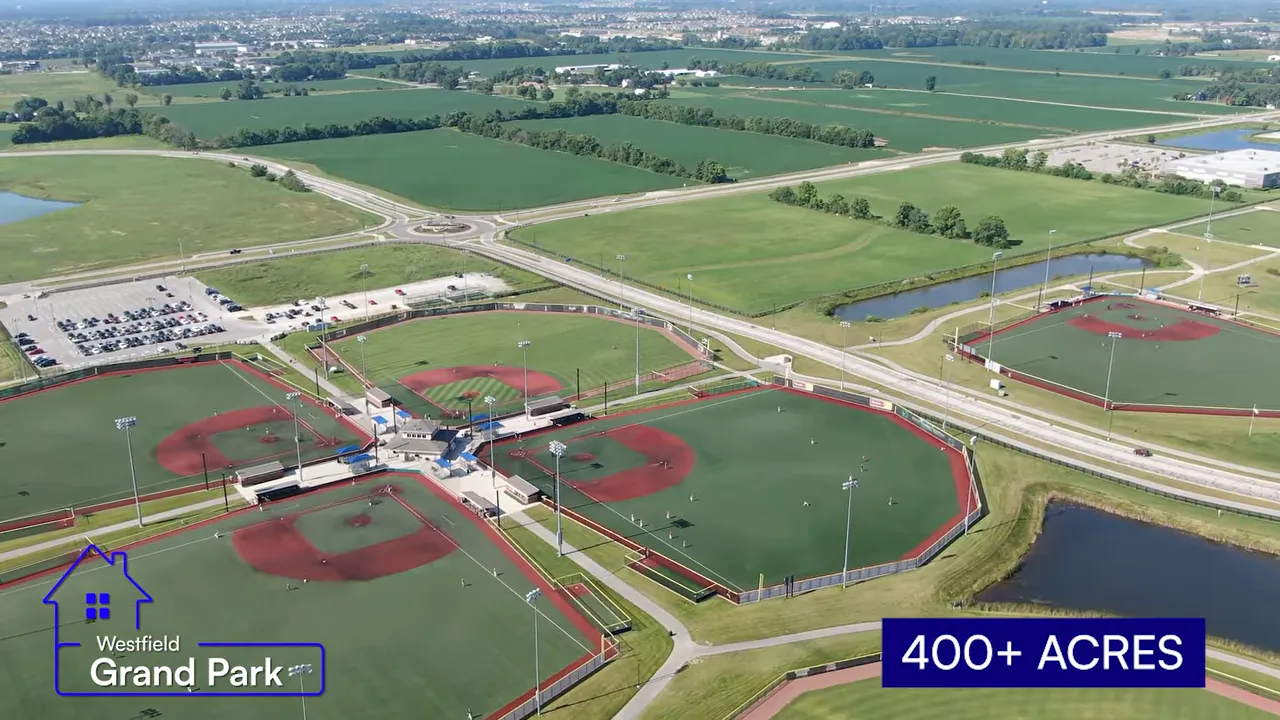
In January 2026, Westfield signed a public-private agreement with Grand Park Sports Entertainment projected to generate more than $184 million in city revenue. A new ice hockey facility approved in March 2026 is projected to create roughly $498 million in spending over 30 years, $220 million in earnings, and more than 105 full-time equivalent jobs. Its targeted opening is 2028.
Westfield also secured more than $46 million in industrial investment during 2025. It is officially Indiana’s fastest-growing city, expanding from fewer than 10,000 people in the late 1990s to more than 60,000 by 2025, with estimates closer to 70,000 today.
School quality adds another layer of protection. Westfield-Washington Schools ranks ninth out of 380 Indiana school districts with a five-star rating. Westfield High School ranks eighth in Indiana and within the top 514 nationally according to U.S. News. Strong schools create a reliable pool of payment-sensitive buyers, which helps support resale demand in softer markets.
Many buyers moving to Indianapolis begin their search in Carmel because it is the name they know. Carmel’s average home value was about $524,733, up 2.9% year over year. Westfield offers Hamilton County schools and the Grand Park engine at a meaningful price discount, while its appreciation has been moving faster. That discount is closing.
Noblesville, Indiana: Hamilton County Value And Demand
Noblesville is the other top-tier answer for buyers evaluating the best areas to live in Indianapolis. Its case is different from Westfield’s. This is the affordable entry point into the premium Hamilton County suburb tier, with a stronger value proposition for buyers who want schools, amenities, and room to grow without Carmel-level pricing.
Zillow’s average home value was $360,451, while Redfin’s median sale price was $400,000 in March 2026. More importantly, Noblesville had only 1.3 months of supply in March. That is a real buyer-demand signal.
For buyers looking for detached single-family homes around the $350,000 range with Hamilton County school access, Noblesville is one of the best areas to live in Indianapolis to take seriously. Carmel stopped offering that kind of entry point a long time ago.
The school foundation is solid. Noblesville Schools carry a composite rating of 7.5 out of 10, and Noblesville High School ranks 23rd in Indiana according to U.S. News. That type of school profile supports long-term resale demand.
The downtown quarter is also being actively redeveloped. Investment along the Riverwalk and A Street area is adding to an already appealing city center, with more walkable places and commercial activity. Noblesville has an unusual amount of variety, scale, and amenities for its price point.
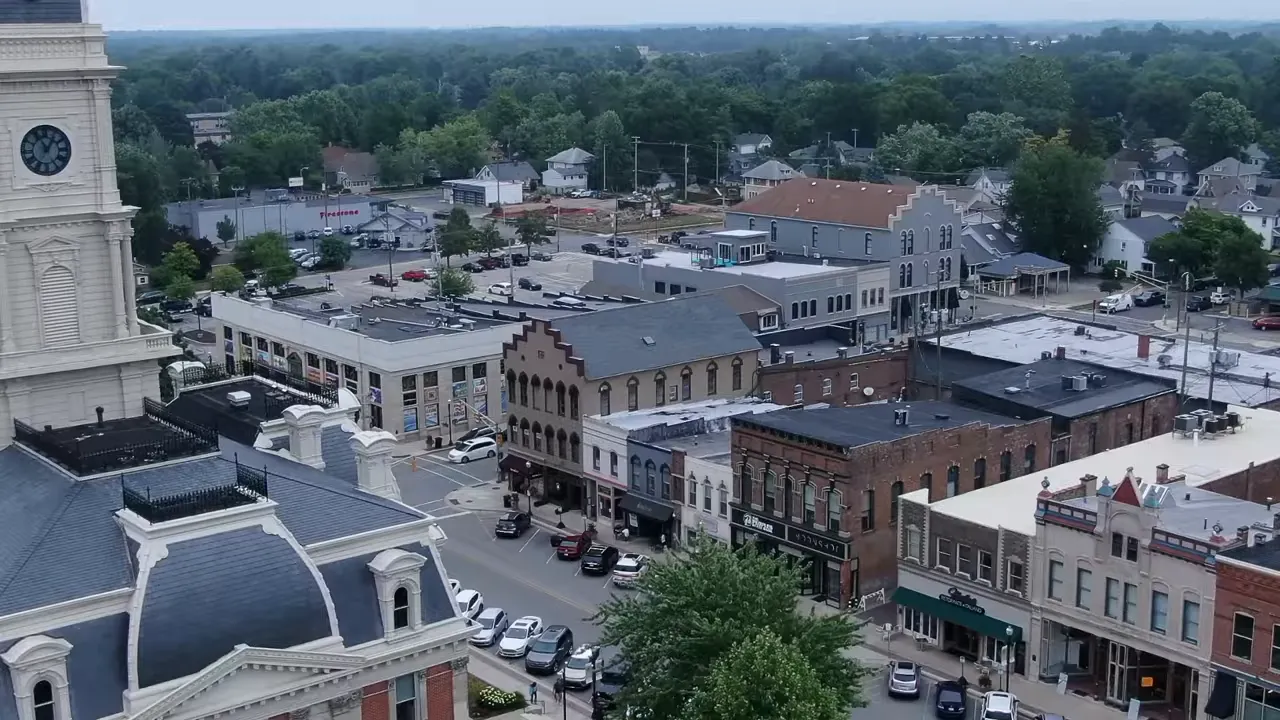
That combination is why Noblesville often gets underestimated. You are buying Hamilton County at a price that feels like it should no longer be available. For many buyers moving to Indianapolis, it is one of the most balanced choices in the entire metro.
The Bottom Line On The Best Areas To Live In Indianapolis
For maximum ROI in 2026, Westfield and Noblesville are the strongest two markets in the Indianapolis metro. Westfield has the bigger growth engine, exceptional recent appreciation, major investment, and strong schools. Noblesville provides a more accessible price point, tight supply, solid schools, downtown redevelopment, and serious variety.
Greenwood remains a reasonable lifestyle and long-term ownership choice, but the current data does not support putting it in the same ROI category. Downtown condos can work for buyers prioritizing urban living, but their HOA exposure, slower resale pace, supply competition, and less predictable short-term rental economics make them the weakest option for return.
The right suburb is only the first step. Even in the best areas to live in Indianapolis, certain streets, property types, and price points deserve urgency while others deserve patience. Getting the city right but the property wrong is still a costly mistake.
Whether you’re relocating to Indianapolis, comparing suburbs like Westfield, Noblesville, and Greenwood, or looking for a home with strong long-term value, local guidance can make all the difference. Call or text (317) 932-8620 or book a FREE consultation to discuss your relocation plans, explore the best areas to live in Indianapolis, and find the right home for your lifestyle, goals, and budget.
FAQs About The Best Areas To Live In Indianapolis
What Are The Best Areas To Live In Indianapolis For ROI In 2026?
Westfield and Noblesville rank at the top for ROI in 2026. Westfield stands out for rapid growth, Grand Park, investment activity, and school quality. Noblesville offers a lower entry point into Hamilton County, tight housing supply, school access, and downtown redevelopment.
Are Downtown Indianapolis Condos A Good Investment?
They can fit an urban lifestyle, but they are the weakest ROI tier in this comparison. Longer days on market, modest appreciation, high HOA fees, continued new construction, and changing short-term rental rules all limit the return case.
Is Greenwood A Good Place To Buy A Home?
Greenwood can be a very good choice for a primary residence, affordability, and a long-term ownership plan. It ranks in the average ROI tier because recent appreciation, rental economics, school ratings, and major growth catalysts trail the leading Hamilton County suburbs.
Why Do Schools Matter For Real Estate ROI?
Strong school districts support a deeper and more consistent buyer pool. That can help preserve resale demand, particularly when the broader market is softer and buyers become more selective.
Read More: MOVING TO INDIANAPOLIS: WHAT REAL ESTATE AGENTS MAY NOT TELL YOU BEFORE YOU BUY