


The Village of West Clay in Carmel Indiana: Master-Planned Living with a Real Village Center
I'm standing in the middle of a fountain plaza, watching people bike up to Saw Greek's Pizza for lunch. Behind me, Sam's Ale House is already filling up, and the smell of food is drifting across the courtyard. A Carmel Library branch anchors one end of the street. A dentist office, a law firm, and a wealth management firm occupy the other buildings. This isn't a strip mall or a town square in some distant downtown. This is the Village of West Clay , and it sits inside a neighborhood in West Carmel.
Carmel and the rest of the Indianapolis metro don't have many communities like this. We have plenty of neighborhoods with pools, playgrounds, and tennis courts. But a master-planned community with its own village center, complete with shops and restaurants you can walk to from your front door? That's rare. The Village of West Clay is the most extreme example you'll find in the area, and it's been here for more than 20 years. The homes range from townhomes to multi-million-dollar properties, the HOA fees are higher than typical West Carmel neighborhoods, and the yards are tiny or nonexistent. But if you want walkable access to a brewery, a pizza place, and a library without leaving your neighborhood, this is the place.
West Carmel is where the city has room to grow, and it's where you'll find the newest homes and the most master-planned communities. East Carmel is original Carmel, older on average, with a different feel. The border between Carmel and Zionsville zigzags out west, and Shelbourne Road marks the far edge of Carmel's expansion. The Village of West Clay sits in the middle of that growth, mature but not old, walkable but not self-contained. It's a lifestyle choice, not a fit for everyone, and it's worth understanding what you're getting before you commit.
Table of Contents
Village of West Clay: Walkable Village Living in West Carmel
The Village of West Clay is a large master-planned community in West Carmel, and it literally has a village inside it. That's where I am right now, walking past Danny Boy Brewery and watching people eat lunch outside at Sam's Ale House. The village center includes a Carmel Library branch, a handful of restaurants, and a mix of professional offices. You'll find dentist offices, a law firm, a wealth management firm, and a bank, all within the neighborhood. It's the kind of setup where you could bike to your dentist appointment or walk to dinner without getting in your car.
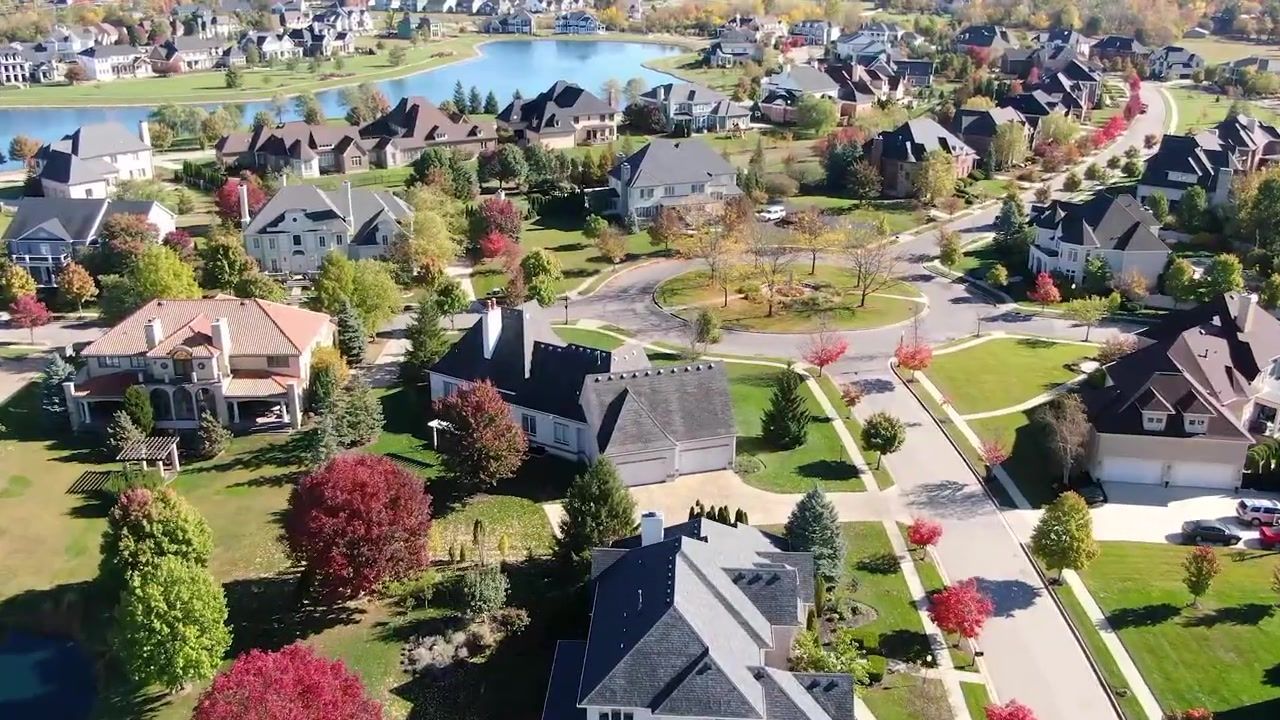
The neighborhood itself is more than 20 years old, so it's mature but not necessarily new. Homes in the Village of West Clay range from townhomes to single-family homes to multi-million-dollar properties, and the variety is part of the appeal. If you're looking for a less expensive entry point, the townhomes are your best bet. But even those are difficult to find under $600,000. Single-family homes are going to push well above that, and the higher end of the market here can reach into the millions.
The HOA fees are higher than typical West Carmel neighborhoods, where you might pay $700 to $800 a year. Here, you're paying more because you're maintaining all of the common areas, and there's a lot of common area. The HOA covers snow removal on the public roads through the neighborhood (not your driveway or sidewalk), the pool, the fountain, the landscaping, and all the shared spaces that make the village feel like a public park. The amenities are extensive, and they're open to the public, not just residents. I don't live here, and I can come here for lunch or just to walk around. It's almost like a public park, even though it's technically part of the master-planned community.
The trade-off is yard space. Most homes in the Village of West Clay have very tiny yards, if they have a yard at all. In many cases, you're looking at a little courtyard or a patio, not a backyard where kids can run around or a dog can play. If you have a bunch of kids who like to be outside, or if you need space for a dog, this might not be the perfect fit. But if you want less maintenance and you're willing to trade a yard for walkability and amenities, this is one of the few places in the Indianapolis area where you can get that.
You still need to leave the neighborhood for grocery stores, movie theaters, and most of the daily errands you'd run. The village has restaurants and a few services, but it's not self-contained. It's a lifestyle choice, and it's one that appeals to people who want to walk to dinner or bike to the library without driving across town. The homes are expensive, the HOA is higher, and the yards are small. But the amenities and the walkability are one of a kind in Carmel and really all of Indianapolis.
Housing Variety and Pricing
The Village of West Clay offers quite a variety of housing types, and that's part of what makes it accessible to more buyers than you might expect from a neighborhood with this many amenities. The townhomes are the most affordable option, though "affordable" is relative here. You're still looking at a difficult search if your budget is under $600,000, and single-family homes are going to be well above that. The townhomes are clustered in a few areas, including the white buildings near the village center, and they offer a way into the neighborhood without the multi-million-dollar price tag.
Single-family homes range widely in size, style, and price. You'll see everything from smaller homes with minimal yards to large custom builds on premium lots. The variety means you can find different architectural styles and floor plans, but the common thread is the lack of yard space. Most homes have courtyards, patios, or very small yards, and that's by design. The neighborhood is built around the idea of shared common areas and walkability, not private outdoor space.
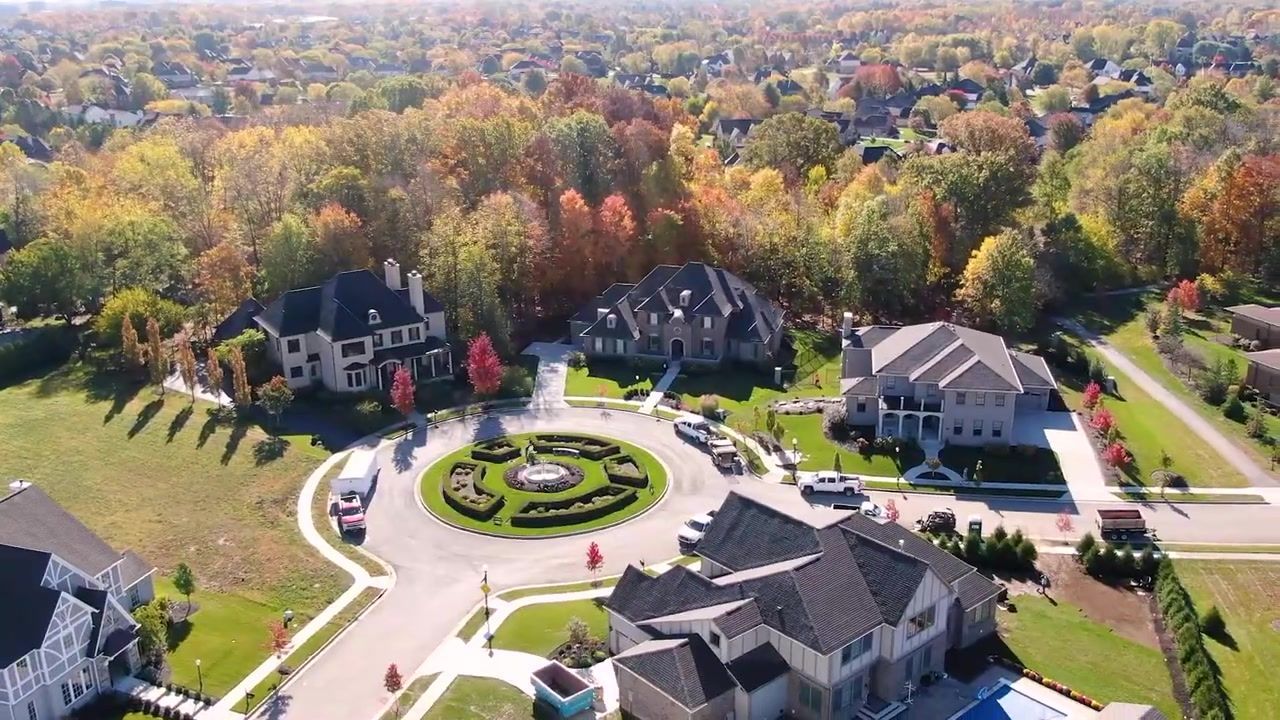
The higher end of the market here can reach into the millions, and those homes are going to offer more square footage, higher-end finishes, and better locations within the neighborhood. But even at the top of the market, you're not getting a large yard. The focus is on the home itself and the access to the village amenities, not the outdoor space.
What Makes West Carmel Different: Newer Homes and Master-Planned Growth
West Carmel is where Carmel is growing, and it's the only direction the city has room to expand. East Carmel is original Carmel, and the average age of homes there is older. West Carmel is newer on average, and that's where you'll find the most master-planned communities with amenities. The border between East and West Carmel isn't an official designation, and you won't have a West Carmel address. It's just Carmel. But when you visit the two areas, you'll notice the differences.
East Carmel is where Carmel was when it was still relatively small. Now the city is over 100,000 people, and it's expanded west. Twenty years ago, Town Road was considered far west. Now you have to go all the way out to Shelbourne Road to reach the western edge of Carmel, and that's essentially the border with Zionsville. The border between Carmel and Zionsville is subjective and zigzags a little bit, so there's no exact spot where one ends and the other begins.
West Carmel is where you'll find the newest neighborhoods, the most master-planned communities, and the most amenities. East Carmel still has newer homes and newer neighborhoods, but the overall average is older, and the feel is different. If you're relocating to Carmel and you want a newer home in a neighborhood with a pool and a playground, you're more likely to find that in West Carmel than in East Carmel.
Master-Planned Communities in the Area: What to Expect Beyond the Village
The Village of West Clay is an extreme example of a master-planned community, but it's not the only one in the area. West Carmel has quite a few neighborhoods that fit the definition of master-planned, though most of them are more basic. At the most basic level, a master-planned community in West Carmel is going to have a pool and a playground. The HOA might be $700 to $800 a year, sometimes a little more, and you'll have access to common areas and amenities.
Some neighborhoods get a little fancier and add basketball courts, tennis courts, or pickleball courts. Pickleball has exploded in popularity over the past couple of years, and I think the pandemic had a lot to do with that. I see a lot of tennis courts that have been transformed into pickleball courts, and it's become a huge draw for a lot of buyers. Pickleball is kind of like a sport between tennis and table tennis, right in between the two, and it's picking up steam fast.
The pool season in Indiana is shorter than what you'd get in the South. We're essentially Memorial Day to Labor Day, though it can be warm enough to swim before Memorial Day and well after Labor Day. If you're from Florida or Arizona, or even further south like Tennessee or Georgia, your pool season is going to be longer. But for most HOAs and public pools here, Memorial Day to Labor Day is the standard.
Other cities surrounding Indianapolis have master-planned communities with amenities, but not to the extent of the Village of West Clay. Westfield and Fishers both have neighborhoods with pools, playgrounds, and some additional amenities. Saxony in Fishers has a couple of restaurants that you could walk to if you lived in the neighborhood, but it's not going to be to the extent that we see in the Village of West Clay. You're not going to find a bank, a dentist, and a law firm in your own neighborhood that you could bike over to. That's much more rare.
The definition of a master-planned community is pretty varied and pretty wide. I've been talking to people recently who want to live in a master-planned community, but everybody's got a slightly different definition of what that really truly is. The Village of West Clay is on the extreme end, where it's almost like its own little town. Most of the time, I think people just mean they want some amenities. Carmel offers a lot of neighborhoods like that, but when you visit the Village of West Clay, you're seeing the extreme, and it's certainly a lot more rare.
Is the Village of West Clay Right for You?
The Village of West Clay is a lifestyle choice, and it's not going to be the right fit for everybody. If you want walkable access to restaurants, a library, and a village center without leaving your neighborhood, this is one of the few places in the Indianapolis area where you can get that. If you're willing to trade yard space for amenities and walkability, and if you're comfortable with higher HOA fees, this could be a great fit.
But if you have kids who need outdoor play space, or if you have a dog that needs room to run, the tiny yards and courtyards might not work. If you're looking for a home under $600,000, your options are going to be limited, and you'll likely be looking at townhomes. And if you want a neighborhood where you can handle all your daily errands without leaving, you're still going to need to drive to the grocery store, the movie theater, and quite a few other places.
The Village of West Clay is super neat, and it offers something you won't find in most other neighborhoods in the area. But it's not for everybody, and that's why you need to reach out and figure out if this is a good fit for you, or if you should push it to the side and look for something else.
Conclusion
The Village of West Clay is the most extreme example of a master-planned community in the Carmel and Indianapolis area, and it's one of the few places where you can walk to a village center with shops and restaurants from your front door. The homes are expensive, the HOA fees are higher than typical West Carmel neighborhoods, and the yards are tiny or nonexistent. But the amenities are extensive, the walkability is rare, and the variety of housing types means there are options beyond the multi-million-dollar homes.
West Carmel is where Carmel is growing, and it's where you'll find the newest homes and the most master-planned communities. The Village of West Clay has been here for more than 20 years, so it's mature but not old, and it offers a lifestyle that's hard to find anywhere else in the area. If you're relocating to Indianapolis or Carmel and you want to explore neighborhoods like this, reach out. We can help you figure out if the Village of West Clay is the right fit, or if there's another neighborhood that better matches what you're looking for. Call or text me directly at 317-932-8620, or email jason@livinginindianapolis.com. Let's talk about what you need and find a home that works.
FAQ
What is the Village of West Clay in Carmel?
The Village of West Clay is a large master-planned community in West Carmel with a village center that includes shops, restaurants, a Carmel Library branch, and professional offices. It's more than 20 years old and offers a variety of housing types, from townhomes to multi-million-dollar homes.
How much do homes cost in the Village of West Clay?
Homes in the Village of West Clay are difficult to find under $600,000, especially single-family homes. Townhomes are the most affordable entry point, but even those are going to be at or above that price range. The higher end of the market can reach into the millions.
What are the HOA fees in the Village of West Clay?
HOA fees in the Village of West Clay are higher than typical West Carmel neighborhoods, where you might pay $700 to $800 a year. The fees cover snow removal on public roads, the pool, common areas, and all the amenities that make the village center and shared spaces possible.
Do homes in the Village of West Clay have yards?
Most homes in the Village of West Clay have very tiny yards, if they have a yard at all. Many homes have courtyards or patios instead of traditional backyards. The neighborhood is built around shared common areas and walkability, not private outdoor space.
What amenities does the Village of West Clay offer?
The Village of West Clay offers a village center with shops and restaurants, a Carmel Library branch, a pool, common areas, a fountain, and public roads with snow removal. The village center includes Danny Boy Brewery, Sam's Ale House, Saw Greek's Pizza, and professional offices like dentists, a law firm, and a bank.
Is the Village of West Clay open to the public?
Yes, the village center and common areas are open to the public, not just residents. You can visit the restaurants, shops, and library even if you don't live in the neighborhood. It's almost like a public park, though it's technically part of the master-planned community.
jason compton
A former teacher turned full-time real estate agent serving Greater Indianapolis. I help buyers, sellers, and relocation clients make informed moves—especially those coming from out of state. From neighborhood insights to home tours, my goal is to simplify the process and help you feel confident in every step.
Stay Informed
Insights, Tips & Life in Indianapolis
Your go-to resource for all things real estate and Indy living. Whether you're buying, selling, relocating, or just curious about the local market, our blog is packed with helpful articles, expert advice, and community highlights to keep you informed and inspired.