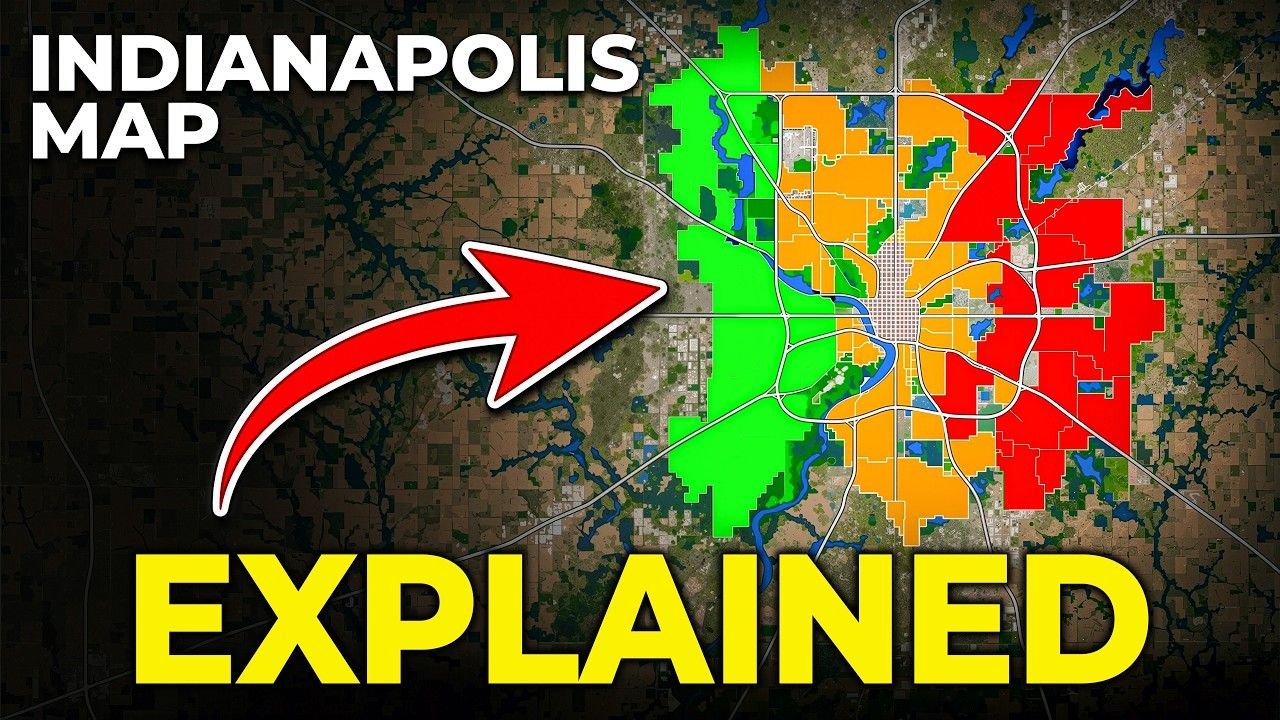
The pros and cons of living in Indianapolis are a lot more nuanced than a national ranking can tell us. Carmel and Fishers recently took the number one and number two spots on U.S. News & World Report’s best places to live list for 2026 and 2027, which is a huge deal. But a ranking does not tell us what a commute feels like in rush hour, what it costs to maintain a house through four real seasons, or whether a particular suburb fits the way we actually want to live.
Indianapolis has changed dramatically in the last decade. Carmel, Fishers, Westfield, Noblesville, and Zionsville are no longer just places where we buy a house and drive downtown for everything else. Fishers has passed 100,000 residents and now has its own jobs, restaurants, entertainment, and walkable districts. Westfield has built an entire ecosystem around Grand Park. Carmel has continued adding density, dining, arts, and public gathering spaces.
Still, the pros and cons of living in Indianapolis depend heavily on the neighborhood, school boundary, commute, and daily routine. Here is the honest version of what makes this metro area appealing, plus the trade-offs that catch people off guard.
Pro: More Space for the Money
One of the biggest pros of living in Indianapolis is still what a housing budget can buy. Buyers coming from Chicago, California, New York, or other high-cost markets are often genuinely surprised by the difference.
The median sale price in Indianapolis is about $245,000, with a median price per square foot around $144. In Fishers, that price per square foot is closer to $173, but the practical result can still be substantial: a $450,000 budget may buy a newer three-bedroom home, a two-car garage, and a legitimate backyard. In many coastal markets, that same budget may barely reach a two-bedroom condo and a designated parking space.
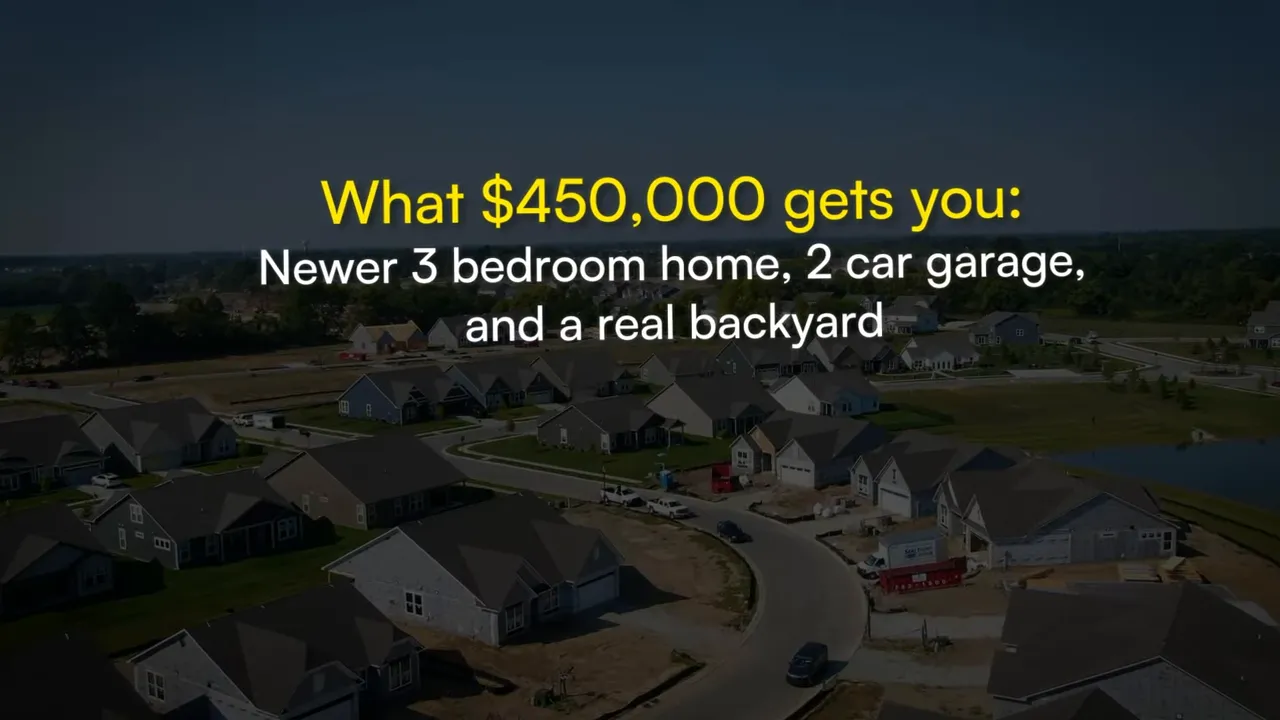
Westfield and Noblesville can often offer a similar north-side lifestyle with more square footage at a slightly lower price point than Fishers. The room matters. It can mean a real home office, a permanent guest room, a playroom, or enough outdoor space to actually use.
Carmel is the major exception. Its median price is hovering around $550,000, and getting under $600,000 has become difficult. There is not much land left for traditional development, so newer construction is increasingly higher density and vertical. For buyers under $500,000, Carmel can be a stretch from the beginning.
So when weighing the pros and cons of living in Indianapolis, we should not treat every suburb as interchangeable. A budget that works nicely in Noblesville or Westfield may not translate the same way in Carmel.
Con: Most of Suburban Life Requires a Car
This is one of the most important cons of living in Indianapolis, particularly for anyone relocating from a dense city. In most suburban neighborhoods, a vehicle is not optional. It is the baseline.
Carmel has a Walk Score of 19 out of 100. Indianapolis as a whole scores 31. Both figures fall into a car-dependent category, meaning most errands require driving. IndyGo operates a significant bus system, including the Red Line between Broad Ripple and downtown, but that service is not expected to extend into Hamilton County.
The cost is more than fuel. At the time these figures were recorded, gas was around $3.36 per gallon and annual vehicle maintenance averaged about $1,200 per car. Households with two separate work schedules, school activities, or teenagers who cannot drive yet often need two vehicles.
There are better choices for people who want some walkability. Downtown Carmel, the Arts and Design District, Midtown, Fishers’ Nickel Plate District, The Yard at Fishers District, and Noblesville’s downtown square all offer clusters of restaurants, trails, parks, and things to do. But even in these areas, we need to look at the exact address, not simply the city name.
The pros and cons of living in Indianapolis come down to location selection. Choosing the wrong suburb can add an hour to a day and hundreds of dollars in monthly transportation costs.
Pro: Strong Schools, With Real Competition
For families, school quality is one of the strongest arguments for the north-side suburbs. Carmel Clay Schools ranks number two in Indiana on Niche’s 2026 rankings and carries an A+ grade. Hamilton Southeastern Schools, serving Fishers, ranks number eight statewide with an A+. Westfield Washington Schools ranks number seven with an A+, while Noblesville Schools ranks number 20 with an A grade and serves more than 10,000 students.
All four districts are in Hamilton County, which Niche ranks as Indiana’s number one county to live in for 2026. Strong schools, a strong property tax base, and continued growth reinforce each other.
There is a trade-off. Excellent school boundaries drive competition. We are not likely to uncover a hidden bargain inside Carmel Clay or Hamilton Southeastern boundaries. Buyers notice those lines, and homes can command market price or a premium. Before starting a search, we need to verify the actual school boundary instead of assuming that a city address guarantees a particular district.
Con: Home Maintenance Is a Bigger Budget Item Than Most People Expect
Among the overlooked cons of living in Indianapolis, maintenance costs deserve a serious conversation. The mortgage payment gets attention, but ownership costs are what can surprise a new homeowner after closing.
The 2026 Pearl Home Maintenance Annual Report puts average annual maintenance spending at $8,808 nationally, up 42% from $6,200 in 2020. A practical planning rule is to reserve 1% to 2% of a home’s value each year. On a $450,000 house in Fishers or Westfield, that is roughly $4,500 to $9,000 annually before an unexpected major repair.
Indianapolis adds four-season wear and tear. Humid summers make HVAC systems work hard. Cold winters bring snow, ice dams, and freeze-thaw pressure on concrete, driveways, sidewalks, and foundations. Spring and fall mean gutter cleaning, landscaping, drainage checks, and exterior preparation.
First-time homeowners, frequent travelers, and anyone moving from a mild climate should build a maintenance reserve into monthly numbers from day one. The pros and cons of living in Indianapolis look very different when we budget for the whole house, not just the purchase price.
Pro: Community Infrastructure Is Already There
One thing people often do not expect is how much genuine neighborhood life exists in many Indianapolis suburbs. It is common to see people outside, talking in driveways, gathering at parks, or spending time around local events.
Fishers has committed funding to neighborhood vibrancy grants, offering up to $25,000 to approved neighborhoods for projects that improve livability and community connection. The Nickel Plate District gives Fishers an amphitheater, events, restaurants, and public space. Summer concerts can draw several thousand people.
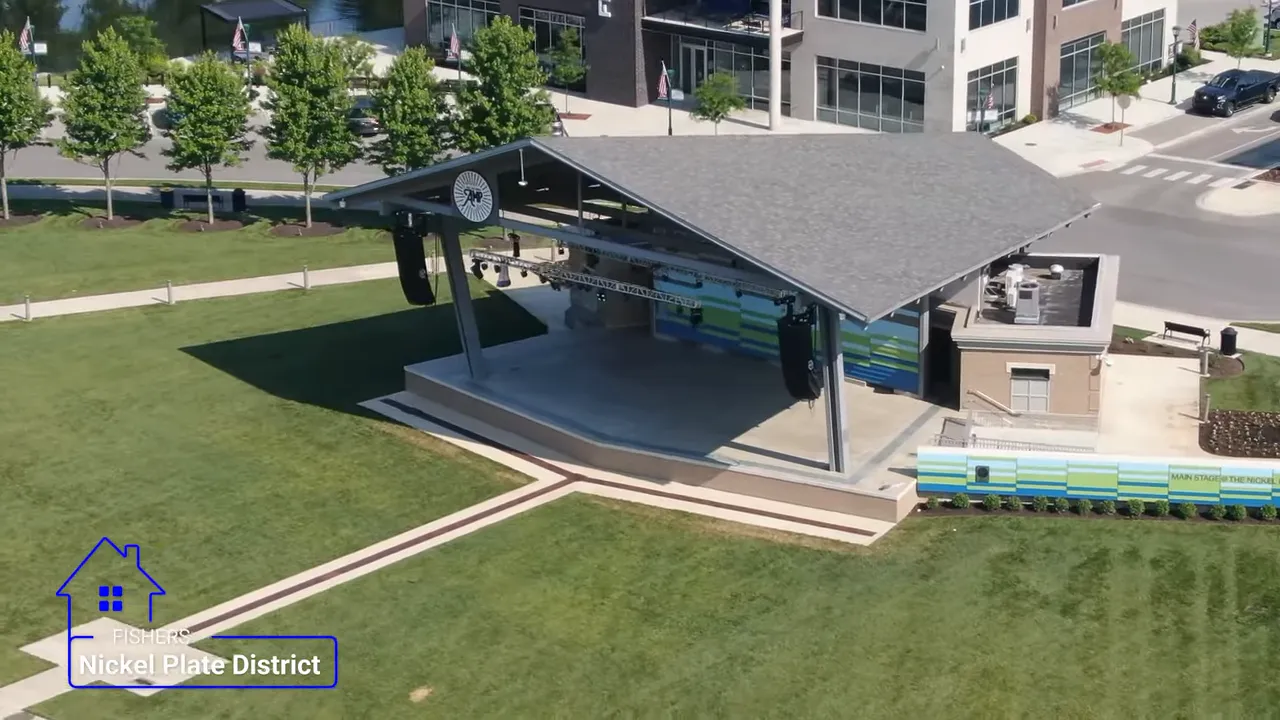
Noblesville has a real downtown square and Morse Reservoir for water recreation. Westfield has Grand Park, a 400-acre sports complex that has attracted more than 40 million visitors since 2017. Carmel brings together the Performing Arts Center, farmers market, Christkindlmarkt, City Center, Midtown, and the Arts and Design District.
HOA-managed neighborhoods are another part of the conversation. They can be a disadvantage for people who want fewer rules, but they can also help organize events and maintain common spaces. Community feel still varies significantly between a new cul-de-sac development, an established Fishers neighborhood, downtown Noblesville, and a neighborhood in Indianapolis proper.
Con: Dining and Entertainment Are Improving, But Not Equally Distributed
The suburbs are getting better restaurants every year. Downtown Carmel, Fishers, Noblesville, and increasingly Westfield have genuine local restaurant clusters. But for people moving from Chicago, New York, Los Angeles, or another city with dense dining and cultural options, there will likely be an adjustment period.
Much of Indianapolis’ strongest dining and culture remains concentrated in Marion County. Mass Ave, Broad Ripple, Meridian-Kessler, and downtown are major destinations for restaurants, live music, theater, museums, and events. From many suburbs, that trip can take 30 minutes or more each way.
For an intentional weekend outing, that can be a perfectly acceptable trade-off. For an unplanned Tuesday dinner, it can feel like a long trip. This is another area where the pros and cons of living in Indianapolis depend on whether we value a quieter home base more than immediate access to everything.
Pro: Slow and Steady Property Appreciation
Indianapolis is not generally a boom-and-bust housing market. Its story is more often gradual, steady growth over a long period. Indiana home prices rose 4% year over year to $273,400 in early 2026. Indianapolis ranked fourth among the National Association of Realtors’ home buying hotspots for 2026, and Zillow named it the number one best place to buy in 2026.
Hamilton County is particularly important in this conversation. Westfield is Indiana’s fastest-growing city, while Hamilton County is the state’s fastest-growing county and fastest-growing county by property value. Development, commercial investment, corporate headquarters, residential construction, and sought-after schools have all supported values.
Top Indianapolis suburbs were projected to see 2% to 4% annual appreciation in 2026, with the strongest submarkets reaching 5% to 7%. For long-term buyers, that is one of the most meaningful pros of living in Indianapolis.
Con: Commutes Can Quietly Take Over the Week
Commute time is one of the practical cons of living in Indianapolis that is easy to underestimate. From Hamilton County to downtown Indianapolis, a drive is commonly around 30 minutes in good traffic and longer during rush hour. Morning rush generally runs from 7:00 a.m. to 9:00 a.m., while afternoon congestion can last from about 4:30 p.m. until 6:30 or 7:00 p.m.
The metro has three of the country’s 100 worst traffic bottlenecks, according to the American Transportation Research Institute. Fishers faces regular congestion along I-69 and State Road 37, especially around 116th Street and I-69. Weather and construction can make an ordinary drive far more frustrating.
An hour to 90-minute round-trip commute, five days per week, equals about 7.5 hours in the car each week and nearly 400 hours a year. Before committing to a suburb, we need to test the work route, consider parking costs, and decide whether remote work changes the equation.
Pro: Safety Is the Benefit That Changes Daily Life
Safety is the biggest reason many families choose these suburbs. Carmel’s crime rate is 56% below the national average, with odds of being a victim of violent crime at approximately one in 1,524. Zionsville’s overall crime rate is 53% below the national average. Fishers has the third-lowest violent crime rate in Indiana, and Noblesville ranks among Indiana’s 10 safest cities for 2026.
These are not just marketing phrases. They shape daily life: kids riding bikes to a friend’s house, playing outside, walking to school, or families feeling comfortable in their neighborhoods. Hamilton County’s median household income is just over $104,000 and its poverty rate is 4%, compared with Indiana’s statewide rate of 12.5%. The same tax base that supports community safety also helps fund strong schools.
Con: Social Life Requires More Intentionality
The final item among the pros and cons of living in Indianapolis is not about safety or money. It is about how suburban design changes social life.
Most suburban addresses prioritize private space, not public space. We may have a bigger house, a backyard, and more quiet, but casual interaction does not always happen naturally. Coffee shops, restaurants, trails, and gathering spaces may be nearby in the same city, yet still require a drive.
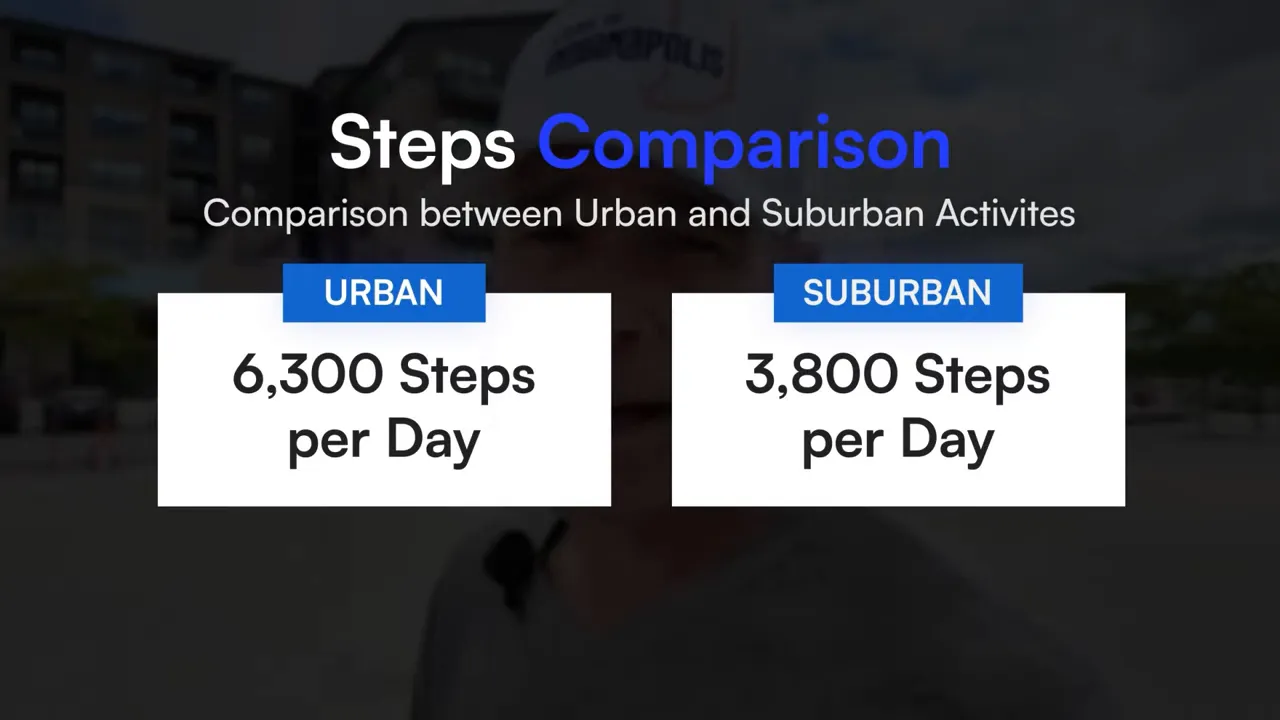
That means plans can become more scheduled. Urban residents average about 6,300 steps per day, while suburban residents average closer to 3,800. Singles new to the area, recent retirees, and people relocating without children or an existing friend group may need to be proactive from the beginning.
Join organizations. Attend HOA events. Use the parks, restaurants, classes, and local programming. The community infrastructure is there, but it does not come to the front door by itself.
Whether you're relocating, buying your first home, upgrading, or exploring new construction homes in Indianapolis, having the right local guidance can make all the difference. If you're ready to compare neighborhoods, builders, resale homes, and new construction communities, call or text 317-932-8620 or book a FREE consultation here . I'd be happy to help you find the right home and community for your lifestyle and budget.
FAQs About the Pros and Cons of Living in Indianapolis
Are the Indianapolis suburbs a good fit for families?
They can be an excellent fit for families who prioritize space, school quality, safety, and neighborhood community. Carmel, Fishers, Westfield, and Noblesville all offer strong school options, but the specific school boundary, commute, and housing budget should guide the final decision.
Do we need two cars when living in Indianapolis suburbs?
Many households do. Most suburban errands require driving, and public transit does not extend into Hamilton County. Families with separate work schedules, school activities, or children who cannot drive often find two vehicles necessary.
Is Carmel more expensive than Fishers or Westfield?
Generally, yes. Carmel’s median price is around $550,000, and homes below $600,000 can be difficult to find. Fishers, Westfield, and Noblesville may provide more space for the same budget, although pricing varies by neighborhood and school district.
What are the biggest hidden costs of living in Indianapolis?
The most common overlooked costs are vehicle ownership, gas, parking, commute time, and home maintenance. For homeowners, a reasonable maintenance reserve is 1% to 2% of the home’s value each year.
What is the most important factor when comparing the pros and cons of living in Indianapolis?
The biggest factor is matching the location to the life we actually live. A suburb can be great on paper but still be wrong if the commute, school boundary, access to community, or level of walkability does not work for our daily routine.
The pros and cons of living in Indianapolis are real on both sides. We get room to breathe, strong schools, steady growth, safer suburban environments, and more house for the money. In return, we need to plan for cars, maintenance, commutes, and a more intentional social routine. The right choice is not simply the best-ranked suburb. It is the place that matches our budget, work, family needs, and the way we want everyday life to feel.