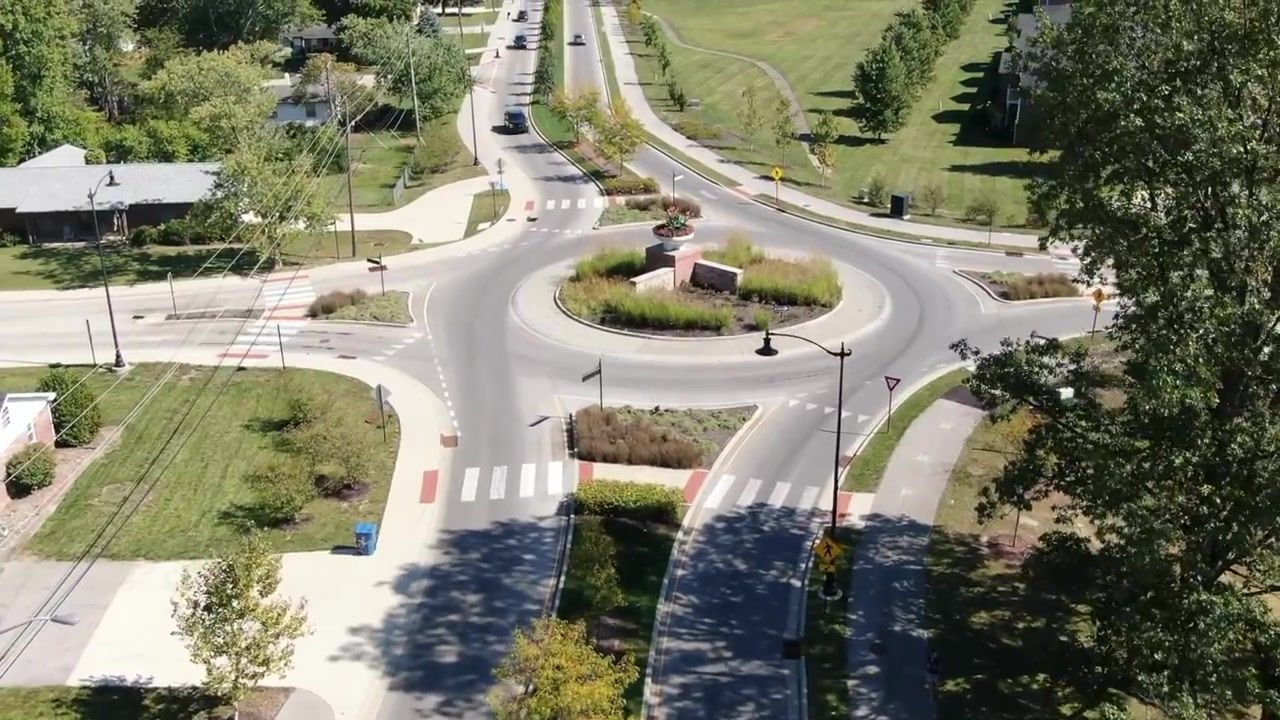

Carmel Indiana Roundabouts: The Real Story Behind the Traffic Circles
The first time someone tells you Carmel has over 140 roundabouts, you think they're exaggerating. Then you drive through town and realize they weren't kidding. Every major intersection, every neighborhood entrance, every connector road seems to loop you through another traffic circle. It's real, it's intentional, and if you're moving to the Indianapolis metro, you need to understand what that means for your daily commute.
Carmel isn't alone in this. You'll find roundabouts throughout the Indianapolis area in Fishers, Westfield, Zionsville, Noblesville, Brownsburg, Greenfield, and Greenwood. But Carmel takes it to another level. This isn't a quirky design choice or a passing trend. It's a deliberate infrastructure strategy that shapes how you move through the city, and honestly, it's one of the most polarizing topics when I talk to people relocating here.
Some people love them. Some people hate them. But here's the thing: if you move to Carmel or anywhere nearby, you're going to deal with roundabouts. The question isn't whether you'll encounter them. It's whether you understand why they're here and how they actually work.
Table of Contents
Why Carmel Has So Many Roundabouts
Carmel didn't stumble into becoming the roundabout capital of North America. The city made a conscious decision decades ago to replace traditional intersections with traffic circles as part of a broader infrastructure plan. The number people quote varies, but we're talking well over 100 roundabouts throughout the city, and that count keeps growing as new developments go in.
The honest truth is that roundabouts are polarizing. I've had clients tell me they'd never consider Carmel because of the traffic circles. I've had others say the roundabouts are one of the reasons they chose the city. The reality is somewhere in the middle. Once you learn how to navigate them, they become second nature. But there's definitely a learning curve, especially if you're coming from a place where roundabouts are rare.
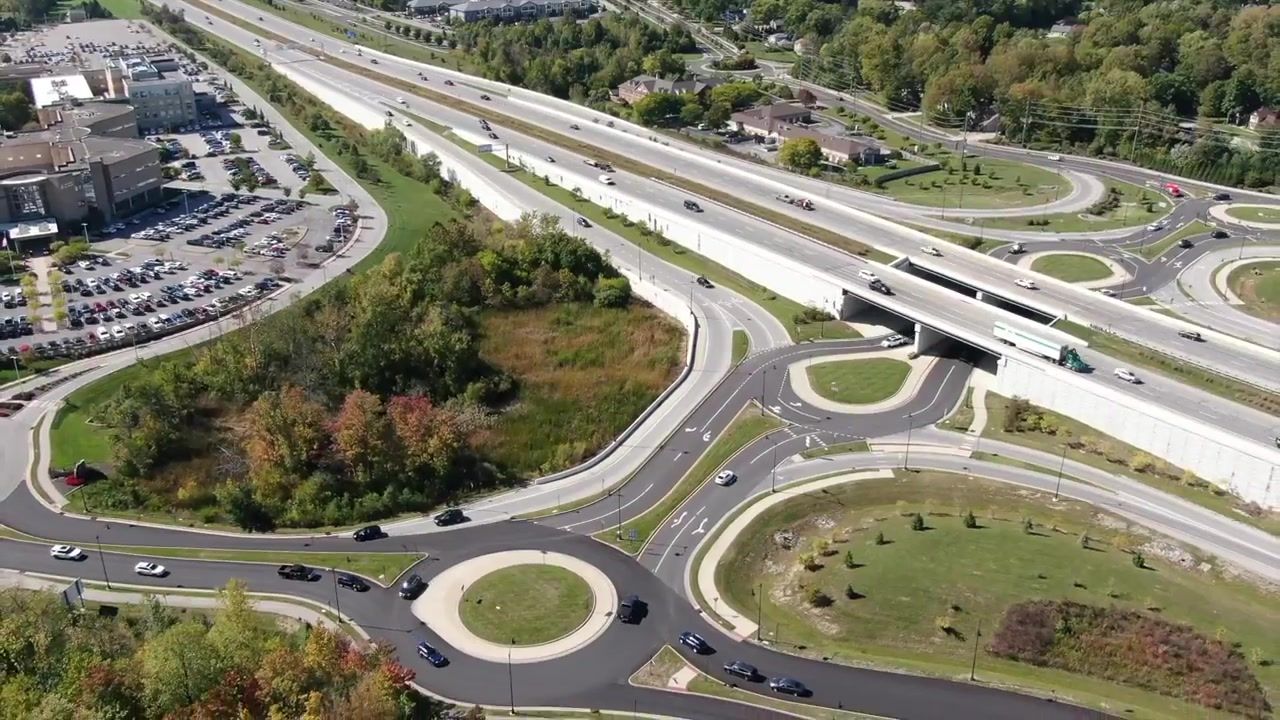
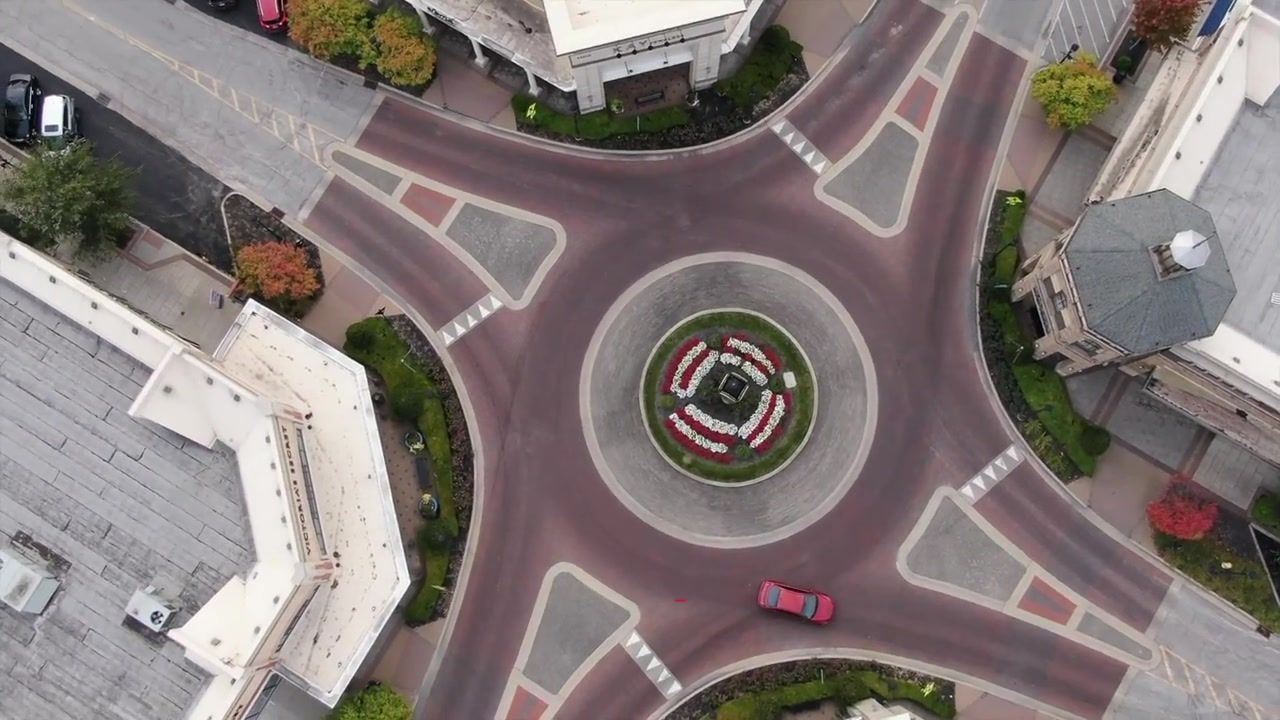
Carmel uses roundabouts at major intersections, neighborhood entrances, and even smaller connector roads. You'll loop through several just getting from one side of town to the other. Some are large, multi-lane circles that handle heavy traffic flow. Others are small, single-lane roundabouts in residential areas. The design varies, but the principle stays the same: keep traffic moving without traditional stop lights.
How Roundabouts Work Across the Indianapolis Metro
Carmel gets the attention, but roundabouts are everywhere in the Indianapolis metro. Fishers has dozens of them, especially along major corridors and in newer developments. Westfield uses them throughout the city. Zionsville, Noblesville, Brownsburg, Greenfield, and Greenwood all incorporate roundabouts into their road systems.
What this means for you is simple: if you're moving to the Indianapolis area, you need to get comfortable with traffic circles. They're not going away. In fact, more cities are adding them as they build out infrastructure and replace aging intersections.
The basic rule is straightforward. Yield to traffic already in the circle. Enter when there's a gap. Exit at your street. It sounds simple, and it is once you've done it a few times. The confusion comes when you're dealing with multi-lane roundabouts or when other drivers don't follow the rules. I've seen people stop inside the circle, cut across lanes, or hesitate so long they create a backup. But those are driver problems, not roundabout problems.
The Real Benefits of Traffic Circles
Here's the misconception: people think roundabouts are just a trendy design choice or a way to make driving more complicated. The reality is that roundabouts offer some pretty incredible benefits, and that's why cities across the metro keep building them.
First, they improve traffic flow. You're not sitting at a red light waiting for it to change when there's no cross traffic. Roundabouts keep vehicles moving, which reduces congestion and cuts down on commute times. During rush hour, that makes a real difference.
Second, they're safer. Serious accidents drop significantly at roundabouts compared to traditional intersections. You can't T-bone someone in a roundabout because everyone's moving in the same direction. The angles and speeds involved in roundabout collisions are far less severe than what happens at a stoplight intersection.
Third, they're better for the environment. Less idling means lower emissions. You're not burning fuel sitting at a red light. You slow down, yield if needed, and keep moving. Over time, that adds up.
Fourth, they cost less to maintain. No traffic signals to repair, no electricity to power lights, no sensors to replace. Once a roundabout is built, the ongoing costs are minimal compared to a traditional intersection.
To be fair, roundabouts do take up more space, and they can be intimidating if you've never used them. But the benefits are real, and that's why you're seeing them throughout the Indianapolis metro.
What This Means If You're Moving Here
If you're relocating to Carmel or anywhere in the Indianapolis area, you need to factor roundabouts into your decision. They're part of the infrastructure, and they're not optional. You'll encounter them on your commute, running errands, taking kids to activities, and just moving around town.
The good news is that most people adapt quickly. After a few weeks, you'll navigate roundabouts without thinking about it. The key is understanding the rules and staying calm. Don't overthink it. Yield to traffic in the circle, enter when it's clear, and exit at your street.
If you're someone who absolutely hates the idea of roundabouts, that's worth considering before you choose Carmel. But don't let it scare you off without giving it a fair shot. I've seen plenty of people who were skeptical at first become roundabout converts after living here for a while.
The honest truth is that roundabouts are just one piece of what makes Carmel and the surrounding cities work. They're part of a broader infrastructure strategy that prioritizes traffic flow, safety, and long-term cost savings. Whether you love them or tolerate them, they're here to stay.
Conclusion
Carmel's roundabouts are real, and they're not going anywhere. The number is factual, the benefits are proven, and if you're moving to the Indianapolis metro, you need to be ready to navigate them. They're throughout Carmel, Fishers, Westfield, Zionsville, Noblesville, Brownsburg, Greenfield, Greenwood, and beyond.
If you're relocating to Indianapolis or the surrounding areas, my team and I can help you understand what area fits best and find a home that works for your lifestyle. We've worked with so many people making this move, and we know how to make the transition easier.
Reach out. Let’s talk about what you’re looking for and how I can help you find the right home in the Indianapolis area.
FAQ About Carmel Indiana Roundabouts
How many roundabouts does Carmel actually have?
Carmel has well over 100 roundabouts throughout the city, with some counts putting the number above 140. The exact number changes as new developments add more, but it's enough to earn Carmel the title of roundabout capital of North America. You'll encounter them constantly if you live or work here.
Are roundabouts hard to learn?
Most people adapt within a few weeks. The basic rule is simple: yield to traffic already in the circle, enter when there's a gap, and exit at your street. Multi-lane roundabouts take a little more practice, but once you understand the flow, they become second nature. Don't let the learning curve scare you off.
Do other Indianapolis suburbs have roundabouts too?
Yes. Fishers, Westfield, Zionsville, Noblesville, Brownsburg, Greenfield, and Greenwood all use roundabouts throughout their road systems. Carmel has the most, but if you're moving anywhere in the Indianapolis metro, you'll encounter traffic circles regularly. They're part of the regional infrastructure strategy.
Why do cities keep building roundabouts?
Roundabouts improve traffic flow, reduce serious accidents, lower emissions, and cost less to maintain than traditional intersections. Cities throughout the Indianapolis area have adopted them because the benefits are proven. They keep traffic moving without the delays and safety risks of stoplight intersections.
Can I avoid roundabouts if I move to Carmel?
Not really. Roundabouts are throughout the city at major intersections, neighborhood entrances, and connector roads. If you live or work in Carmel, you'll deal with them daily. The good news is that most people who were skeptical at first end up adjusting quickly once they understand how they work.
Are roundabouts actually safer than stoplights?
Yes. Serious accidents drop significantly at roundabouts compared to traditional intersections. Because everyone moves in the same direction and speeds are lower, the types of collisions that do happen are far less severe. You can't T-bone someone in a roundabout, which eliminates one of the most dangerous types of intersection crashes.
jason compton
A former teacher turned full-time real estate agent serving Greater Indianapolis. I help buyers, sellers, and relocation clients make informed moves—especially those coming from out of state. From neighborhood insights to home tours, my goal is to simplify the process and help you feel confident in every step.
Stay Informed
Insights, Tips & Life in Indianapolis
Your go-to resource for all things real estate and Indy living. Whether you're buying, selling, relocating, or just curious about the local market, our blog is packed with helpful articles, expert advice, and community highlights to keep you informed and inspired.