
Table of Contents
- Introduction: Homes to Avoid in Indianapolis
- Fresh Paint Warning Signs in Indianapolis Homes
- Homes in Indianapolis Backing to Busy Roads
- Outdated Electrical Panels in Indianapolis Homes (1960s–1980s)
- Indianapolis Homes Without a Sump Pump
- Drainage & Grading Issues in Indianapolis Homes
- Radon Risks in Indianapolis Homes Without Mitigation
- Galvanized Plumbing in Older Indianapolis Homes
- Old Windows in Indianapolis Houses & Replacement Costs
- Hidden Structural Problems in Indianapolis Homes
- How to Evaluate Homes to Avoid in Indianapolis
- FAQs About Homes to Avoid in Indianapolis
Introduction: Homes to Avoid in Indianapolis
If you are researching homes to avoid in Indianapolis, you are asking the right question.
Some of the most desirable neighborhoods in the city, places like Meridian-Kessler, Butler-Tarkington, Herron-Morton, and Broad Ripple, are filled with charm. They also tend to come with older housing stock, and that means older-home problems. Sometimes those issues are manageable. Other times they turn into the kind of surprise that eats through your savings fast.
That is especially true in Indianapolis, where heavy clay soil, regular rainfall, and aging construction create a pretty specific set of risks. The goal is not to be scared off from older homes. The goal is to know which homes to avoid in Indianapolis, what warning signs matter, what repairs can cost, and when to walk away or negotiate hard.
Here are nine property types and red flags that deserve extra caution.
THINKING OF BUILDING YOUR NEXT HOME? HERE'S A LOCAL GUIDE TO BUILDERS AND PITFALLS
Fresh Paint Warning Signs in Indianapolis Homes
Fresh paint is not automatically bad. Sometimes it is just fresh paint. But among the most overlooked homes to avoid in Indianapolis are the ones where paint seems to be hiding a story.
A small ceiling stain in a bathroom might have a harmless explanation. A sink may have overflowed once. Kids may have splashed water out of a tub. That is very different from a house with repeated water intrusion that someone tried to conceal with a quick cosmetic fix.
Here is what raises concern:
- Ceiling spots that look painted over instead of repaired
- Walls with isolated bright white patches that do not match surrounding paint
- Multiple patched areas in the same room
- Visible water rings, bubbling, or texture changes
If you keep noticing these clues, ask direct questions. What happened? Was it a one-time event? Was the source fixed? Was there professional remediation?
When the answers are vague, that is a problem. Cosmetic coverups are one of the classic markers of homes to avoid in Indianapolis, especially in older neighborhoods where deferred maintenance is common.
Homes in Indianapolis Backing to Busy Roads
This one gets missed all the time by out-of-town buyers and even by locals who only look at listing photos.
A house can be in a fantastic area and still have a weak location within that area. If it backs up to a major road, sits on a noisy cut-through, or is just off a fast-moving thoroughfare, that affects more than daily peace and quiet.
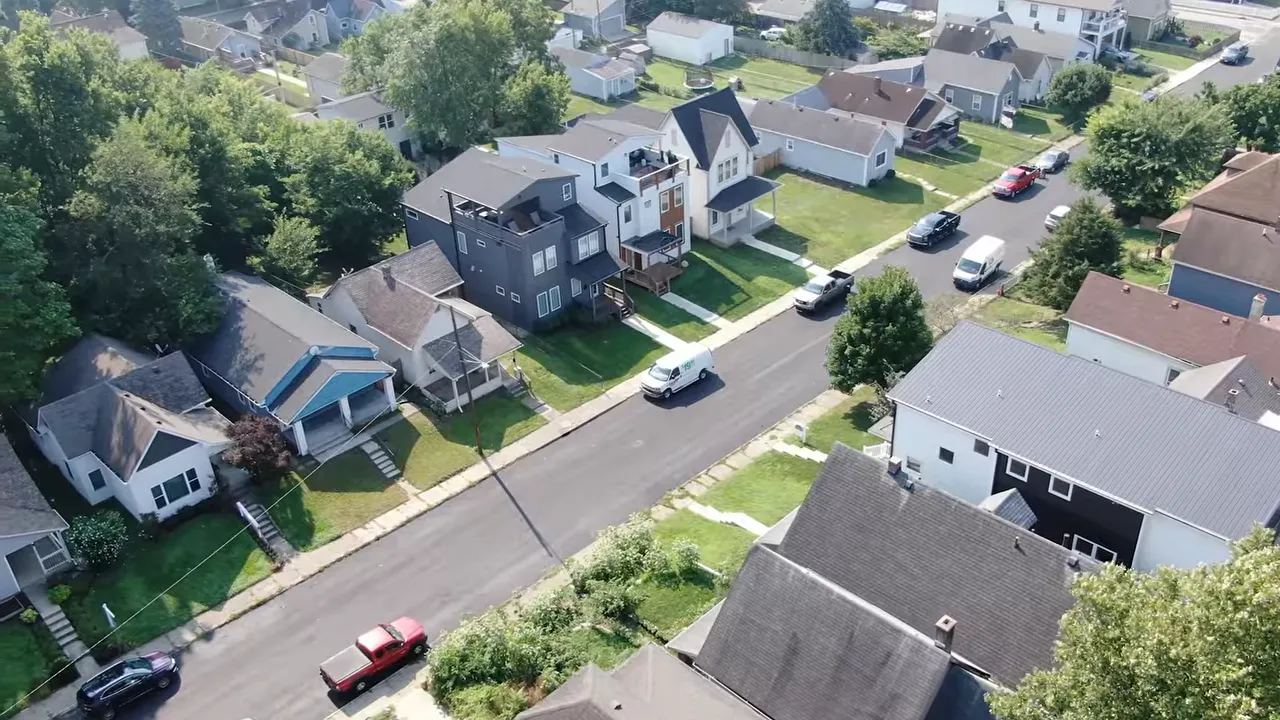
It can affect:
- Noise, especially in the backyard and bedrooms
- Safety, particularly for kids, pets, and driveway visibility
- Resale value, because future buyers will notice the same drawback
- Days on market, since busy-road homes often sit longer and require price reductions
A simple clue on a map is the road striping. If you see a double yellow center line, that often signals a more active road than people realize. Still, maps do not tell the full story. The real feel of the location only becomes obvious in person.
So when a listing price looks almost too good for the neighborhood, location is usually one of the first things to investigate.
Outdated Electrical Panels in Indianapolis Homes (1960s–1980s)
Older electrical systems are a major category of homes to avoid in Indianapolis, or at least homes to approach very carefully.
If you open the panel and find an old fuse box, or one of the known outdated panel brands that insurers dislike, you may be dealing with more than inconvenience. Some older panels cannot safely handle modern electrical demand. Others can become an insurance issue.
Even a newer-looking panel can still be limiting if it has no room for expansion or insufficient amperage for what you want to add later.
Typical concerns include:
- Outdated panels that create fire risk
- Insurance carriers requiring replacement
- No capacity for additions like EV chargers, hot tubs, or major renovations
- Upgrade costs that can run several thousand dollars or more
The right move is simple. Have a licensed electrician assess it, get real numbers before closing, and use that information in negotiations. Ignoring electrical infrastructure is not how you avoid the worst homes to avoid in Indianapolis.
Indianapolis Homes Without a Sump Pump
If a home has a basement, especially a more modern basement, a sump pump should usually be part of the conversation.
Indianapolis gets a lot of rain, and with heavy clay soil holding water around foundations, groundwater has to go somewhere. In many homes, that strategy is a perimeter drain feeding into a sump pit. Once water rises in that pit, a float activates the pump and pushes water away from the house.
If a basement does not have a sump system, the next question is obvious: where is the water going?
Now, older basements are a little different. Some were never designed to be perfectly dry, fully finished living spaces. They were functional basements, not necessarily family rooms. That matters. If you plan to finish the basement, waterproofing and drainage strategy become critical.
A few important notes:
- Sump pumps are mechanical and eventually fail
- Many last roughly 8 to 10 years
- A battery backup is smart protection if the main pump fails or the power goes out
- Without a water management system, basement finishes are at risk
A home without a sump pump is not automatically a deal breaker. But it is absolutely one of the bigger warning signs among homes to avoid in Indianapolis if the basement shows any sign of prior moisture.
Drainage & Grading Issues in Indianapolis Homes
This one is hiding in plain sight on a lot of houses.
You can sometimes spot water intrusion in the basement, then go outside and find the reason almost immediately. The grade may slope toward the house. Gutters may dump water right against the foundation. Underground drain lines may be clogged. Downspout extensions may be missing.
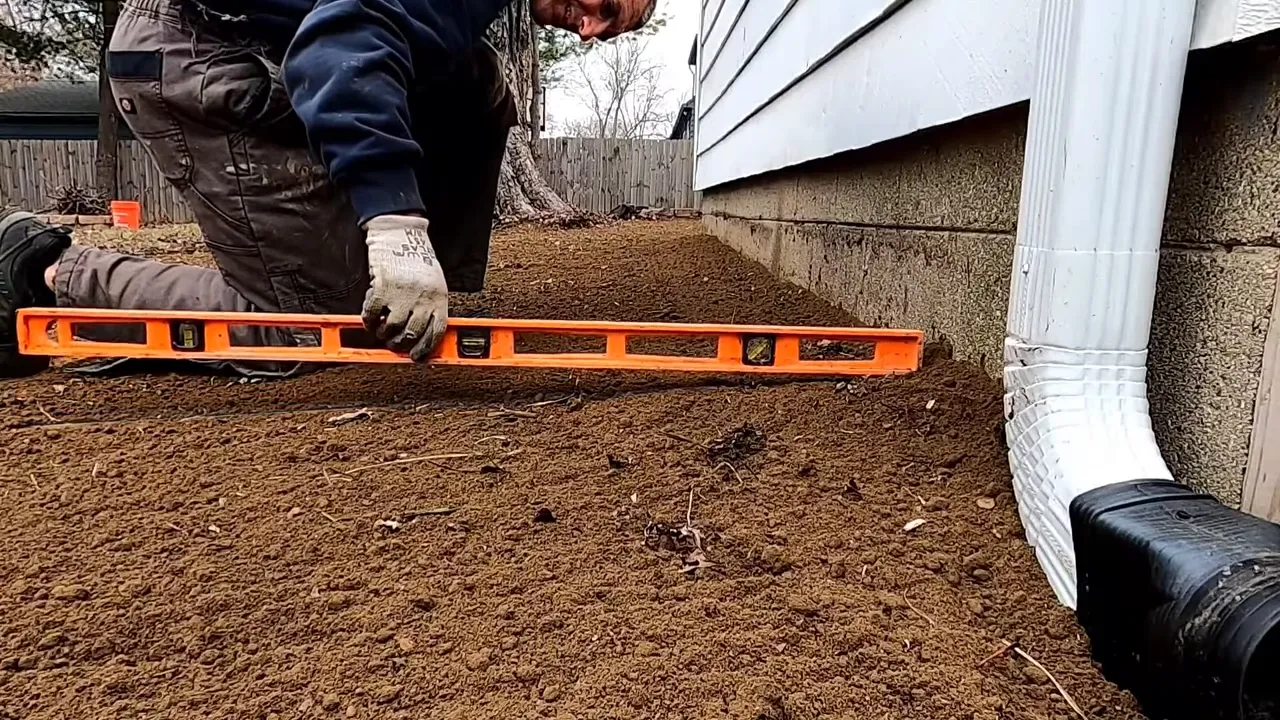
What you want to see is simple:
- Soil sloping away from the house
- Functional gutters
- Downspouts moving water well away from the foundation
- No obvious low spots collecting water near the home
Water problems do not always start with dramatic flooding. Sometimes it is just repeated minor seepage. Over time that can lead to mold, musty smells, damaged finishes, and larger repair bills.
When people ask about homes to avoid in Indianapolis, I would put bad drainage higher on the list than many buyers expect, because it is so common and so often underestimated.
Radon Risks in Indianapolis Homes Without Mitigation
Radon is one of the most important invisible issues in Indianapolis area housing.
You cannot smell it, taste it, or see it. It comes from the ground and can collect in crawl spaces and basements. That matters because it is a serious health concern and a leading cause of lung cancer after smoking.
A radon test during inspection gives you a snapshot of conditions at that moment. Levels can change, so one low reading does not mean you should ignore the issue forever.
In homes with basements or crawl spaces, a mitigation system is often a very smart move. These systems create negative pressure under the home and vent the gas safely outside.
Typical installation cost is often in the ballpark of about $1,500 to $2,000, depending on layout. That is not tiny, but compared to some repair categories, it is manageable and often negotiable during the inspection period.
So yes, this belongs firmly on any list of homes to avoid in Indianapolis, especially if the home has below-grade space and no mitigation plan at all.
Galvanized Plumbing in Older Indianapolis Homes
Galvanized pipes were common in older homes, especially those built before 1960. The problem is what happens inside those pipes over time.
They corrode. Rust builds up. Water pressure drops. Water can discolor. Eventually, leaks show up.
What to look for:
- Gray metal supply lines instead of copper, PVC, or PEX
- Low water pressure at fixtures
- Yellow or rusty-looking water
- Mixed plumbing materials where some sections were partially updated
A whole-house replacement can easily land somewhere around $8,000 to $15,000, depending on the size of the house and the replacement material. Copper tends to be more expensive. PEX is common in renovated homes and often more budget-friendly.
This does not always mean run away. But it does mean bring in a plumber, get an honest assessment, and price the risk correctly. If not, you may end up owning one of the very homes to avoid in Indianapolis that looked fine until everyday use exposed the plumbing limits.
Old Windows in Indianapolis Houses & Replacement Costs
Old windows are a classic tradeoff in charming Indianapolis homes.
They may look beautiful with original wood trim and period detail. They may also be drafty, inefficient, hard to open, and very expensive to replace.
Many older homes still have single-pane windows, sometimes with storm windows added seasonally. Modern windows usually include insulated double panes and better overall performance.
The big issue is cost. Replacing a few windows is one thing. Replacing an entire house full of old or custom-sized windows can easily go beyond $10,000 and may climb past $20,000.
What matters most is function. Are the windows operating properly? Are any broken? Are seals failed? Is there obvious air leakage or deterioration?
No seller is automatically responsible for replacing every old window in a historic home just because they are old. But if several are defective, it becomes a real budget issue. For buyers looking at homes to avoid in Indianapolis, this is one of those items that may not be catastrophic, but it can still become a major financial drag.
Hidden Structural Problems in Indianapolis Homes
This is the big one.
The most dangerous homes are not always the ugly ones. Sometimes they are the beautifully updated ones. Fresh paint, stylish fixtures, refinished floors, and modern finishes can distract from major structural concerns hiding underneath.
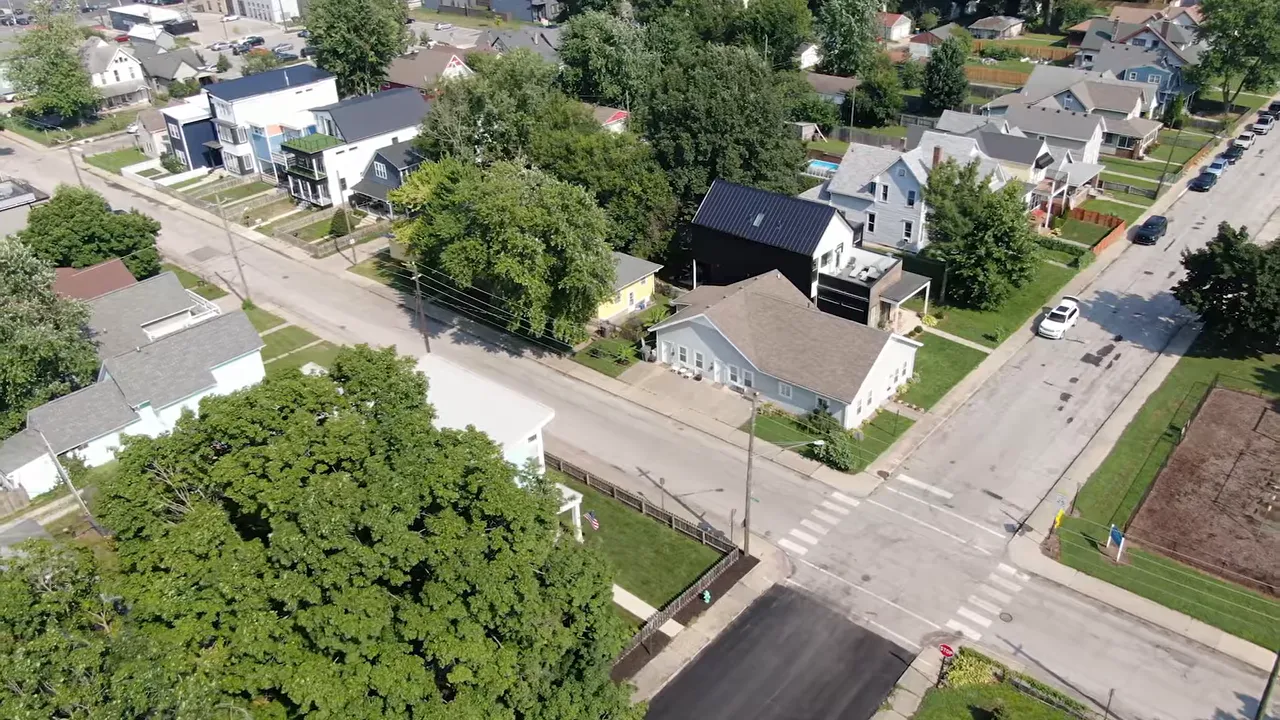
In older Indianapolis homes, especially flips or houses with a long history of do-it-yourself repairs, you have to be careful about work that was done without permits or done poorly.
A visible step crack in brick, uneven floors, doors that bind, or patched areas that do not quite make sense can all point to movement or past repair.
And this is where the stakes get serious. Major structural repairs can range from around $25,000 to $100,000 or more depending on the issue.
That is why hidden structural defects sit at the top of the list of homes to avoid in Indianapolis. A cosmetic makeover is nice. It is not a substitute for a thorough inspection and good due diligence.
Before moving forward on a heavily renovated property, make sure you:
- Get a very thorough home inspection
- Verify permits when major renovations were done
- Ask questions about foundation or masonry repair history
- Stay cautious with flips that seem all style and no substance
How to Evaluate Homes to Avoid in Indianapolis
The point is not to avoid every older home. If you did that, you would eliminate some of the best neighborhoods and most character-filled houses in the city.
The smarter approach is to understand risk clearly.
Some of these issues are negotiable. Some are fixable. Some are manageable if the price reflects the reality. And some really are the kind of homes to avoid in Indianapolis because the numbers just do not work.
Here is the short version:
- Ask more questions when something looks freshly covered up
- Pay close attention to location, even within great neighborhoods
- Inspect major systems like electrical, plumbing, drainage, and radon
- Take basement moisture seriously
- Do not let cosmetic updates distract you from structural concerns
The best buyers in this market are not the ones who find a perfect house. They are the ones who understand the tradeoffs before closing.
THINKING OF BUILDING YOUR NEXT HOME? HERE'S A LOCAL GUIDE TO BUILDERS AND PITFALLS
FAQs About Homes to Avoid in Indianapolis
Are older homes always among the homes to avoid in Indianapolis?
No. Many older homes are excellent purchases. The issue is not age by itself. The issue is older homes with unresolved water, electrical, plumbing, radon, or structural problems.
What is the biggest red flag when looking at homes to avoid in Indianapolis?
Hidden structural problems are usually the most expensive and the hardest to recover from after closing. Cosmetic upgrades that hide movement or unpermitted work deserve extra caution.
Is a basement without a sump pump a deal breaker?
Not always. In some older homes, the basement was never intended to be a finished dry living area. But if there are signs of moisture and no water management plan, that is a major concern.
How much can old galvanized plumbing cost to replace?
A full replacement can often run roughly $8,000 to $15,000 depending on the house and the materials used.
Should I avoid a house in Indianapolis if it does not have a radon mitigation system?
Not necessarily, but it should be tested and taken seriously. In homes with crawl spaces or basements, installing a mitigation system is often a smart health and safety upgrade.
Why are grading and drainage such a big deal in Indianapolis?
Because central Indiana gets substantial rainfall and the clay soil holds moisture. If water is not directed away from the house properly, it often ends up pressing against the foundation or entering the basement or crawl space.
If you’re thinking about buying in Indianapolis (and want to avoid costly surprises), reach out to me and I’ll help you evaluate the red flags in any home you’re considering. Call me at 317-932-8620 or schedule a FREE consultation here.