When people talk about moving to Indianapolis, they usually hear one of two versions. Either Indy gets pitched like it is perfect, or it gets dismissed like people are running for the exits. Neither version is very useful.
The real story is more nuanced than that. Indianapolis is still growing. The metro is still attracting people. But some households absolutely do leave certain parts of the city, and a lot of them are not leaving the region at all. They are simply moving outward into the suburbs and surrounding counties.
If we are serious about moving to Indianapolis, we need the full picture. That means understanding what is actually happening, why some people decide Indy is not the right fit, and why others are building a very strong financial future here.
Table of Contents
- What’s Really Happening in Indianapolis Metro Growth
- Reason 1: Space and Schools in Indianapolis
- Reason 2: Job Growth in Indianapolis
- Reason 3: Some Residents Feel the City Isn’t the Right Fit in Indianapolis
- Who’s Staying in Indianapolis and Why Suburban Buyers Are Winning
- Honest Verdict on Moving to Indianapolis
- FAQs About Costs, Growth, and Best Suburbs in Indianapolis
What’s Really Happening in Indianapolis Metro Growth
Before we talk about why some people leave, we need to set the context straight. Indianapolis itself has been growing slowly, with a population around 893,619 in 2026 and modest annual growth. But the bigger story is the metro.
The Indianapolis metro added more than 22,000 people from 2024 to 2025. That is over 1% growth, which is more than double the national average. The regional population is now over 2.2 million people. That matters because it changes the headline completely.
So no, this is not a story about everyone abandoning the market. It is mostly a story about where people choose to live once they get here, especially families.
Recent regional reporting also shows the same pattern. From 2020 to 2024, the metro grew far faster than the Indianapolis city limits. In plain English, the region is gaining momentum, but a lot of that momentum is happening in the suburbs.
That distinction is important for anyone moving to Indianapolis. If we only focus on city limits, we miss the actual lifestyle decisions families are making across the whole region.
THINKING OF BUILDING YOUR NEXT HOME? HERE'S A LOCAL GUIDE TO BUILDERS AND PITFALLS
Reason 1: Space and Schools in Indianapolis
The first reason some people leave Indianapolis is the most straightforward one of all. They want more space, newer homes, and schools that match what they want for their kids.
A lot of households start in denser urban neighborhoods, then shift toward surrounding communities where they can get:
- Newer housing stock
- Larger floor plans
- More yard space
- Lower density
- A less urban day to day feel
This trend is not limited to one side of town either. Yes, the north side gets most of the attention, but growth has been happening across multiple counties around Indy.
Boone County and Hancock County have been among the fastest growing in the state. Hamilton, Johnson, and Hendricks continue to add residents too. Hamilton County may add the most people in raw numbers, but Boone has recently posted the fastest percentage growth. Both things can be true at the same time.
That is why moving to Indianapolis is not just about choosing the city. It is really about choosing the right part of the metro.
Hamilton County remains the clearest example of long term suburban demand. It has grown dramatically over the last few decades. Places like Carmel, Fishers, Westfield, and Noblesville continue to attract buyers who want strong schools, planned growth, and a polished suburban environment.
At the same time, Boone County has become a serious option for people who want room to grow and a little more breathing room. Zionsville, Whitestown, and Lebanon all fit that conversation.
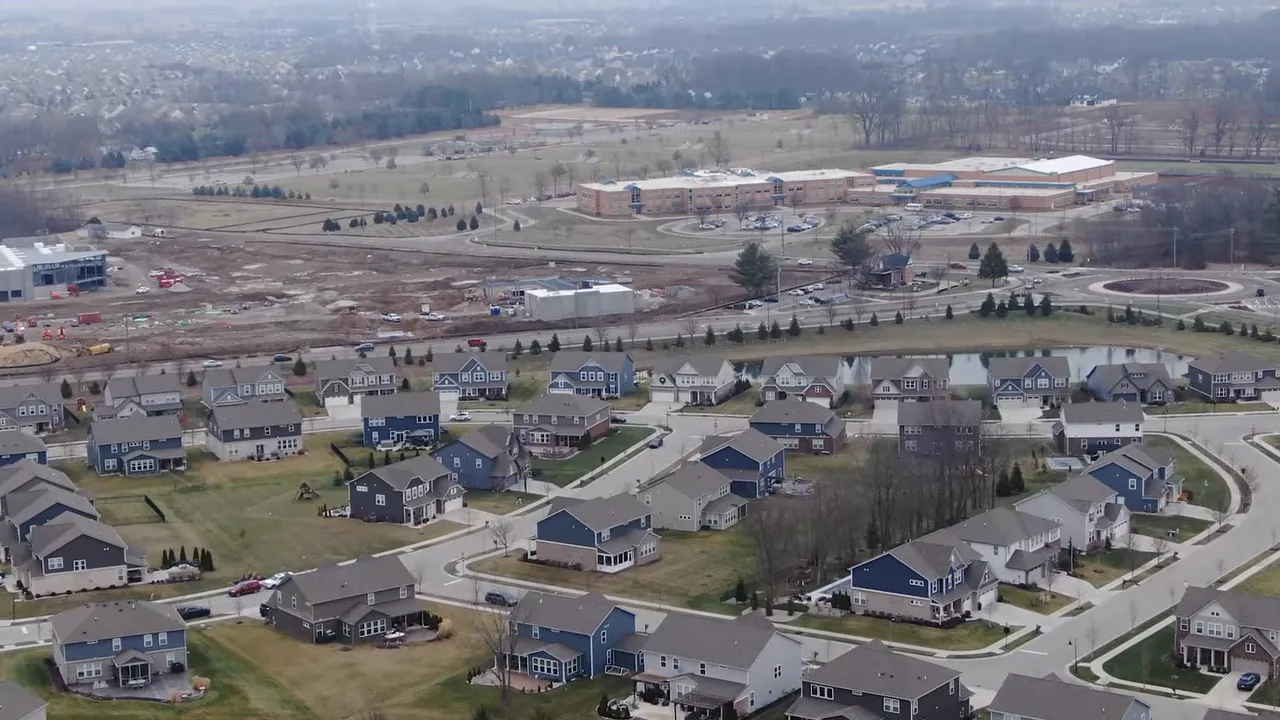
Then there is Hancock County on the east side. For a lot of buyers, that area hits a very practical sweet spot. Communities such as Greenfield, McCordsville, Fortville, and New Palestine appeal to people who want affordability, lower taxes, and a bit less of the heavy suburban intensity found elsewhere.
Carmel shows what long term growth can look like. It grew from around 37,733 residents in 2000 to over 105,000 today. Westfield is on a similarly aggressive trajectory, sitting near 70,000 people now and projected to reach 100,000 by 2035.
So when families leave certain areas of Indianapolis, that does not automatically mean the city failed them. Often, it means their priorities changed. Once school-age kids enter the picture, many households begin valuing square footage, district reputation, and neighborhood layout in a totally different way.
Reason 2: Job Growth in Indianapolis
The second reason is about employment geography.
Downtown Indianapolis is still important, but the office and business landscape has been shifting. There was positive occupancy to close out 2025 in the central business district, but then a notable drop in early 2026. A major factor was IU Health vacating office space as operations consolidated around the new medical campus along 16th Street.
For buyers, this matters because job location shapes housing decisions. If a company moves, consolidates, or changes its office footprint, employees may need to move too. Some cannot work remotely. Some decide to relocate to a market where their income stretches further. Some follow opportunity north or outward along major corridors.
Meanwhile, the suburbs posted a very different story. They recorded major office occupancy growth, and much of the economic activity has been concentrating in places like Carmel, Fishers, and along the I-465 corridor.
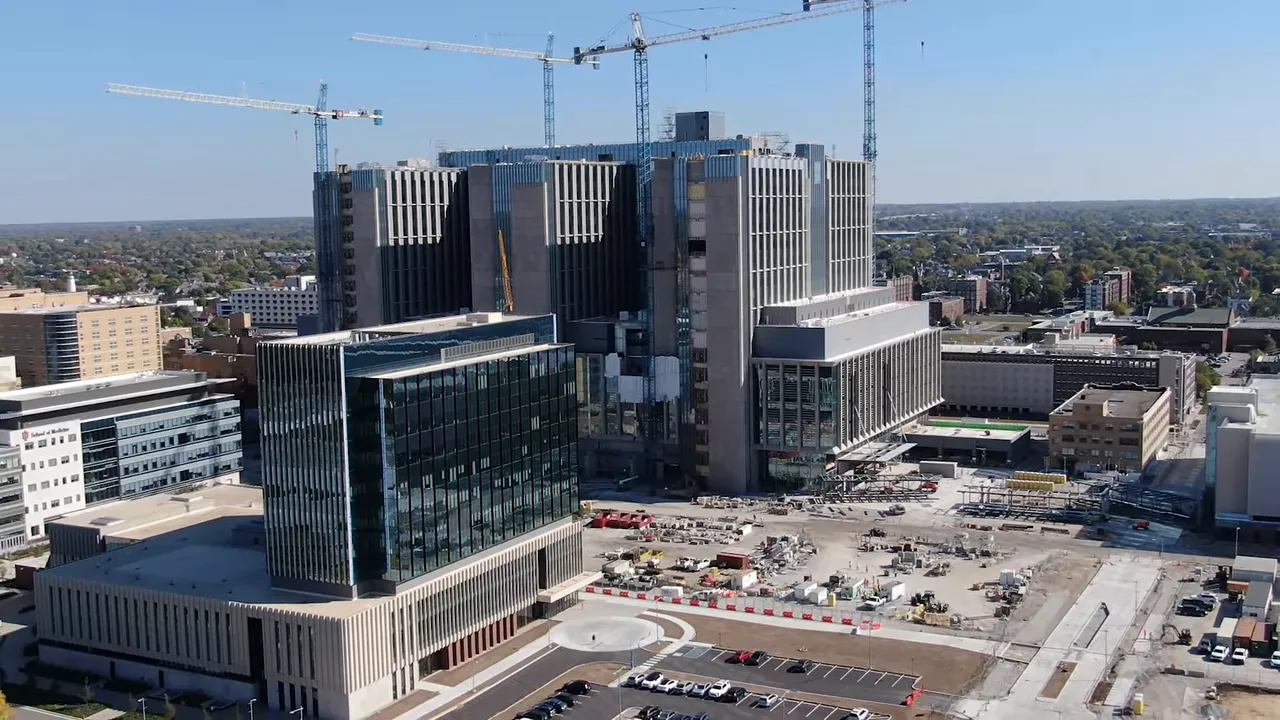
That is a restructuring, not necessarily a collapse. Business is still happening in the Indianapolis region. It is just happening in a broader and more suburbanized pattern than many people expect.
This is one of the biggest things to understand when moving to Indianapolis. The right home is not just about a house and a price point. It is also about commute patterns, employer clusters, flexibility, and how much you want your life centered around downtown versus the outer ring.
Reason 3: Some Residents Feel the City Isn’t the Right Fit in Indianapolis
The third reason is the one people do not always say out loud.
Some people leave because Indianapolis was never the right fit for what they actually wanted in the first place.
This happens all the time in relocation. People want Chicago style walkability, culture, and urban energy, but at Indianapolis prices. Or they want Denver style outdoor access and scenery, but with Midwest housing costs. Those expectations can create a mismatch before the move even begins.
That does not mean Indy lacks culture, recreation, or city amenities. It absolutely has real neighborhoods, sports, events, restaurants, trails, parks, and plenty of solid places to live. But it is still Indianapolis. It is not trying to be New York, Chicago, Denver, or Miami.
We have seen this with families moving from very large urban markets. They may appreciate the affordability, the calmer pace, and the ability to own a home without crushing financial pressure, yet still feel a pull toward the city they came from. That emotional gap is real.
If someone leaves for that reason, it is usually not because Indianapolis is broken. It is because the match was off. That is why honesty matters so much in moving to Indianapolis. We need to ask not just, “Can we afford it?” but also, “Does this city actually fit the way we want to live?”
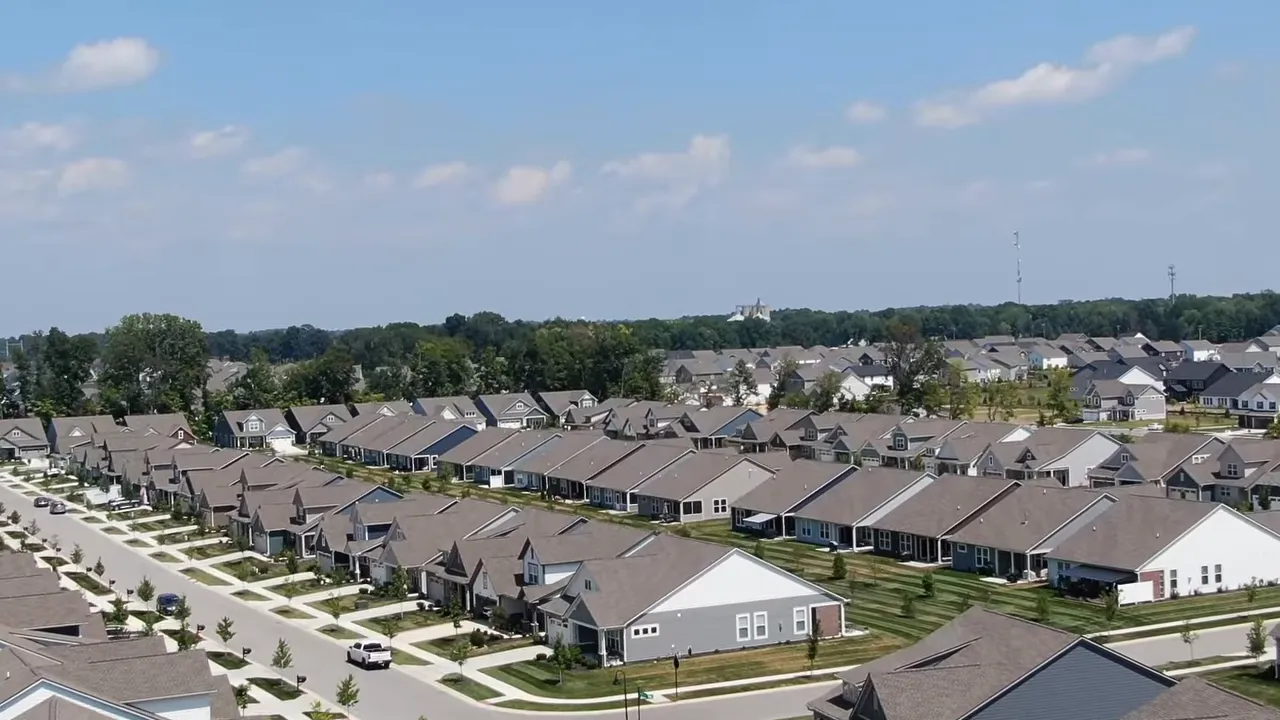
Indy works very well for people who want:
- Room to spread out
- A lower cost base than many major metros
- The ability to build equity
- Access to suburban and urban options in one metro
- A more manageable pace of life
It works less well for people whose identity is built around:
- Heavy urban walkability everywhere
- Mountain access
- Beach access
- A huge nightlife ecosystem
- A top tier global city atmosphere
Who’s Staying in Indianapolis and Why Suburban Buyers Are Winning
Now for the other side of this conversation. If some people are leaving, who is actually doing well here?
There are three buyer profiles that stand out.
1. Families who bought in surrounding counties before the latest run up
Buyers who purchased in areas like Hamilton County between 2019 and 2022 have often seen major equity gains. Many of them also locked in mortgage rates in the 3% to 4% range, and some even lower.
That combination is powerful. They bought into growing areas, their homes appreciated, and their monthly payment is now hard to beat. Those households are in a very strong position and usually have little reason to move.
Hamilton County especially has been a standout because of its broad strengths. It has low taxes, relatively low crime, a business friendly environment, and highly regarded schools. Those factors support both demand and confidence.
That is a big reason many people who were early to the suburban growth story are sitting pretty today.
2. Buyers who understand what is coming
Indiana has benefited from strong domestic migration in recent years. Even as the numbers fluctuate year to year, the state continues to pull in people from elsewhere in the country, and that remains one of the biggest engines of growth.
Smart buyers look at that and recognize something simple. When more households move into a state and metro that is still affordable relative to peers, demand does not just vanish. It tends to support prices over time, especially in the strongest submarkets.
That does not mean every neighborhood grows at the same pace. It does mean we should not assume values are about to collapse just because people online keep waiting for a dramatic reset.
3. Families earning solid middle to upper middle incomes
The third group doing especially well is the family making roughly $90,000 to $200,000 a year.
That income range can still buy meaningful quality of life in this metro. Not everywhere, and not endlessly, but in a way that is increasingly hard to find in many comparable cities across the country.
These buyers often want three things at once:
- To build equity
- To avoid becoming house poor
- To stay connected to jobs, amenities, and normal suburban or city life
That is where Indianapolis stands out. For many families, moving to Indianapolis creates a path to homeownership and financial stability that would feel out of reach in higher cost states.
Honest Verdict on Moving to Indianapolis
So where do we land on moving to Indianapolis in 2026?
Here is the honest answer.
If we are relocating from a high cost state and want strong schools, real space, manageable ownership costs, and a metro with multiple good options, Indianapolis is one of the best answers in the country right now.
If we care about appreciation potential with less painful entry costs, several northern suburbs such as Westfield, Fishers, and Noblesville still look earlier in their growth curve than many people realize.
If we are remote workers with flexibility and our priorities are lifestyle balance plus financial security, Indy makes a lot of sense.
If our top priorities are heavy urban culture, mountains, or beaches, then Indianapolis may not be the right answer. And there is nothing wrong with admitting that up front.
If we are renters waiting for home prices to crater before buying, that strategy has not been rewarded so far. The people who bought a few years ago are generally glad they did. The people waiting for a dramatic fall are, in many cases, still waiting.
That is really the takeaway. Indianapolis is not for everybody. But that is not a weakness. It is simply reality. The better we understand our budget, expectations, and daily lifestyle goals, the easier it becomes to decide whether moving to Indianapolis is the right call.
And once that answer is yes, the next decision matters just as much: which specific part of the metro fits us best. Because choosing between downtown, the near northside, Carmel, Fishers, Westfield, Noblesville, Zionsville, Greenwood, Brownsburg, Plainfield, McCordsville, or Greenfield can completely change our schools, commute, equity outlook, and day to day experience.
THINKING OF BUILDING YOUR NEXT HOME? HERE'S A LOCAL GUIDE TO BUILDERS AND PITFALLS
FAQs About Costs, Growth, and Best Suburbs in Indianapolis
Are people really leaving Indianapolis?
Some people are leaving parts of the city, but the bigger metro area is still growing. A lot of households are not leaving the region at all. They are moving to surrounding suburbs and counties.
What is the biggest reason families leave the city for the suburbs?
The most common drivers are more space, newer homes, lower density, and school preferences. For many families, those factors become more important as children get older.
Is moving to Indianapolis still a good financial decision?
For many buyers, yes. Especially for households coming from expensive states, the Indianapolis metro still offers a combination of affordability, homeownership access, and long term equity potential that is hard to find elsewhere.
Which areas around Indianapolis are growing the fastest?
Boone, Hancock, Hamilton, Johnson, and Hendricks counties have all seen strong growth. Hamilton County adds a large number of residents, while Boone and Hancock have posted especially fast percentage growth in recent years.
Is Indianapolis a good fit for remote workers?
It can be an excellent fit if flexibility, affordability, and a balanced lifestyle are priorities. Remote workers who do not need a specific downtown commute often have more freedom to choose neighborhoods based on value and quality of life.
Who should think twice before moving to Indianapolis?
People who want a truly intense urban experience, constant walkability, mountain access, beach access, or a major global city atmosphere may find Indianapolis lacking compared to what they want most.
If you’re thinking about moving to Indianapolis and want help pinpointing the right neighborhoods, budget fit, and next steps, contact me today. Call or text me anytime at 317-932-8620 to get started, or book a FREE consultation here.
READ MORE: Homes to Avoid in Indianapolis: Red Flags Buyers Must Know