If you are moving to Indianapolis, the headline numbers can get confusing fast. One report says prices are down. Another says price per square foot is up. One suburb looks weak on paper, but homes are still competitive. Another looks healthy at first glance, but buyers are quietly gaining leverage.
That is the big point here. Data is helpful, but raw data without context can send you in the wrong direction. If you are thinking about moving to Indianapolis or you are already comparing suburbs around the metro, the real question is not just whether prices are up or down. The real question is what that means in everyday life for buyers and sellers.
Some of the most popular places for living in Indianapolis and the surrounding suburbs are showing softer numbers right now. That does not automatically mean those places are in trouble. In many cases, it simply means the market has become more normal, more selective, and more dependent on correct pricing.
Table Of Contents
- Why Indianapolis Housing Market Data Can Mislead Buyers
- Carmel Housing Market
- Noblesville Market Trends
- McCordsville New Construction Impact
- Whitestown Growth Trends
- Fishers Market Update
- What This Means If You Are Moving To Indianapolis
- FAQs About Moving to Indianapolis
Why Indianapolis Housing Market Data Can Mislead Buyers
Across the country, housing has slowed down compared with the frenzy from a few years ago. The Indianapolis metro is no exception. Homes are not flying off the shelf at every price point the way they once did. Buyers have more room to think. Sellers have to be more strategic. That part is real.
But when you are moving to Indianapolis, broad headlines are not enough. Real estate is local, and even inside one metro area, the numbers can mean very different things depending on the suburb, price range, age of the homes, and how much new construction is competing with resale inventory.
Here is where people get tripped up:
- Median price can fall even if home values are still solid.
- Price per square foot can reveal a stronger trend beneath the surface.
- Days on market can rise without signaling a collapse.
- New construction can distort resale performance in a major way.
That is why anyone serious about living in Indianapolis should look beyond the top line numbers and ask what is actually happening in the neighborhood types they are considering.
THINKING OF BUILDING YOUR NEXT HOME? HERE'S A LOCAL GUIDE TO BUILDERS AND PITFALLS
Carmel Housing Market
Carmel is one of those places where negative data catches your attention because it is just not what people expect. It has a strong reputation, highly regarded schools, polished infrastructure, and long term demand from both local move up buyers and people relocating from out of state.
So when median prices show a year over year drop in the ballpark of 8 to 9 percent, it sounds dramatic. But the more useful story is underneath that headline.
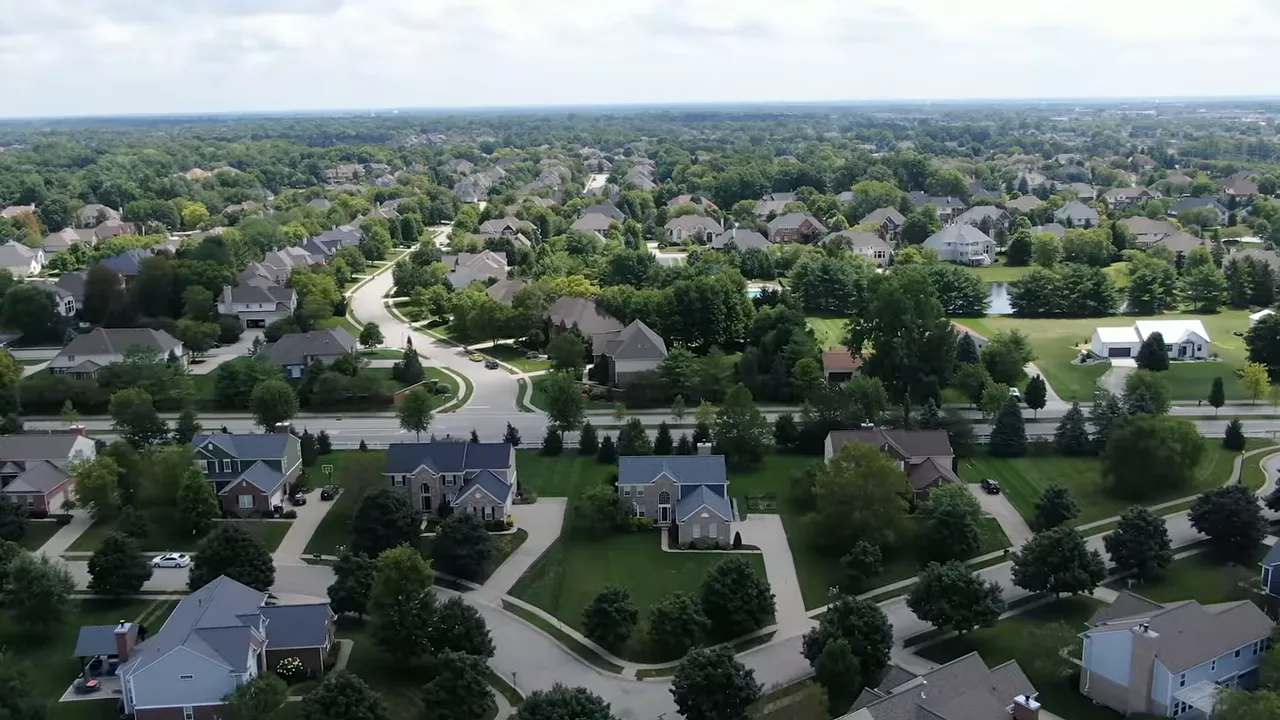
In Carmel, the median sale price moved down while price per square foot actually moved up. That is not a contradiction. It usually means the mix of homes that sold shifted toward smaller or less expensive properties, which pulls down the median even if the value of individual homes is still holding or rising on a per square foot basis.
That distinction matters a lot if you are moving to Indianapolis and trying to compare premium suburbs. Carmel is not suddenly cheap, and it is not suddenly weak. It is just behaving more like a balanced market than the ultra competitive rush people saw a few years ago.
Another clue is sales volume. More homes are still getting sold year over year, which tells you buyers are absolutely still there. At the same time, homes are taking longer to sell than they did last year. Depending on the source, Carmel listings are spending noticeably more time on the market.
That means buyers can slow down a bit. They can compare options. They do not always have to throw out an offer instantly just to stay in the game.
For sellers in Carmel, the message is simple:
- Correct pricing matters more now than it did two years ago.
- The Carmel name alone will not rescue an overpriced listing.
- Buyers are informed and quick to spot homes that miss the mark.
For buyers, this is actually a healthier version of Carmel. It is still competitive. It is still popular. But it is less chaotic, and that makes it easier to make a smart decision if you are moving to Indianapolis and considering the north side.
Noblesville Market Trends
Noblesville tells a different story. On the surface, things look pretty normal. Median sale price sits around $400,000 and was slightly up year over year in the data discussed here. If you stopped there, you might think nothing much is changing.
But price per square foot in Noblesville slipped by around 4.7 percent year over year. That is the stat that deserves attention.
When median price stays flat while price per square foot declines, it often points to one of two things:
- Buyers are getting smaller or lower quality homes for similar money.
- Sellers of larger homes are discounting more aggressively to make deals happen.
The other signs support that reading. Homes were spending much longer on the market, and closed sales were down modestly. None of that screams disaster, but it does show softening.
A big reason is the age of the housing stock. More than half of Noblesville homes were built after 2000. That means there is a large supply of newer homes, and many buyers are also comparing resale homes against nearby new construction. If a buyer can get a fresh build with modern finishes, builder warranties, and fewer near term maintenance concerns, older resale homes have to work much harder to stand out.
If you are selling in Noblesville, old comps from 2022 are not your friend. That market was a different planet. Today, a more realistic strategy is to:
- Price competitively from day one
- Expect a longer timeline
- Understand that newer homes may be your real competition
If you are buying, especially in established neighborhoods with strong schools and community appeal, this may be one of the better openings in the metro for moving to Indianapolis without paying top of market heat everywhere you look.
McCordsville New Construction Impact
McCordsville is one of the clearest examples of what happens when new construction starts to outrun buyer demand.
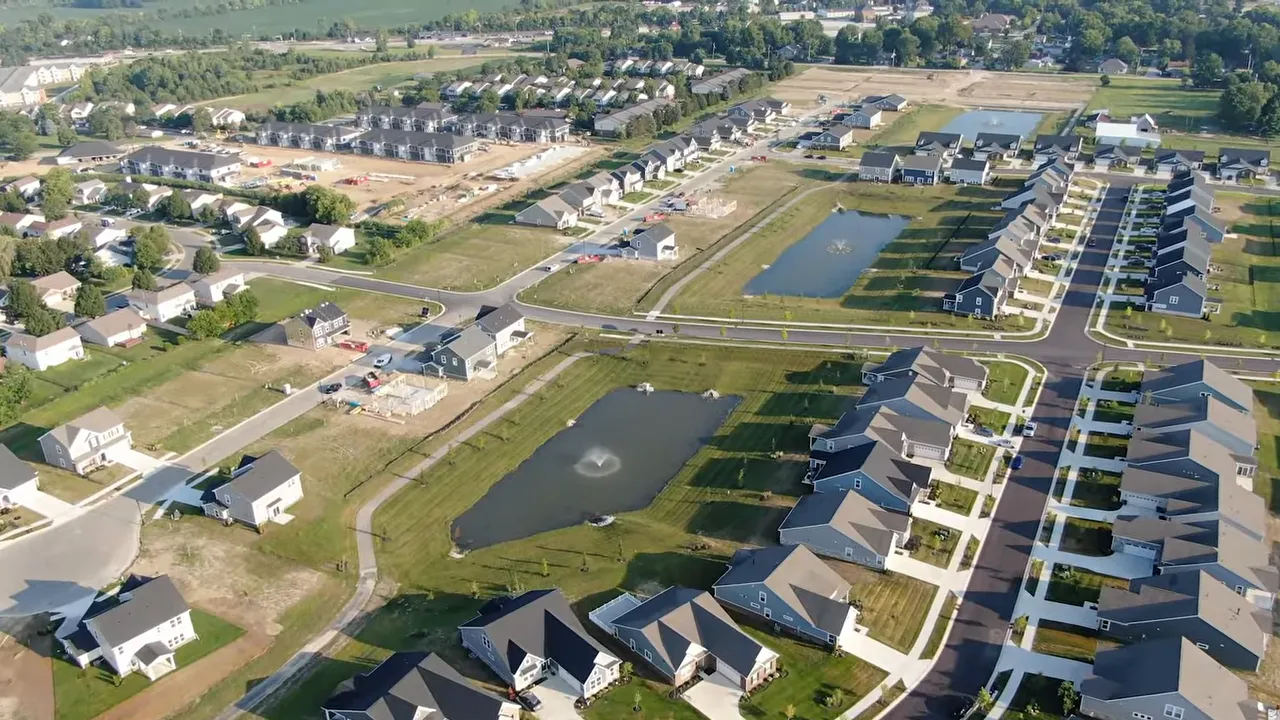
The average sale price in McCordsville showed a notable year over year decline, and homes were taking much longer to sell. A large majority of homes were selling below asking price, while only a much smaller share sold over asking.
That kind of pattern points toward a market that is favoring buyers more than many other Indianapolis suburbs.
There are a few reasons for that.
- It is an outer ring suburb. For many households, commute time matters more when rates are higher and budgets are tighter.
- Buyers are more selective now. The farther out you go, the more they weigh that trade off.
- New construction supply has been aggressive. Builders are directly competing with resale listings.
This is where moving to Indianapolis gets very neighborhood specific. If your budget is pushing you outward and you are open to newer subdivisions, McCordsville can offer more negotiating room than places like Carmel or Fishers.
Builders sitting on completed or nearly completed inventory often want those homes moved. That can translate into better pricing, credits, rate incentives, or upgrades.
For sellers, the hard truth is that your house is not competing against what you paid for it. It is competing against the brand new product nearby. In a place with this much fresh inventory, even a ten year old home can start to feel older than it really is.
Whitestown Growth Trends
Whitestown has one of the most fascinating stories in the Indianapolis metro because the headline numbers look strong while the selling environment says something else.
The median home sale price was up significantly year over year. That sounds great. But at the same time, most homes were still selling under asking, and only a tiny share sold over asking.
The best explanation is explosive growth. Whitestown has transformed from a very small town into a fast growing suburb in a relatively short period. When a place expands that quickly, the housing market gets heavily influenced by new construction, higher end new builds, and a rapid shift in the local housing mix.
That kind of growth can push median prices up even while individual sellers have to negotiate more than they expect. It can also create a ceiling where buyers start doing the math and become more cautious, especially after a huge run up in values over the past decade.
Whitestown has enjoyed enormous appreciation over time, including a major spike in one of the recent peak years. After a run like that, some cooling is not surprising at all.
If you are buying in Whitestown, this can be a very useful place to shop during the process of moving to Indianapolis. Negotiating leverage appears to be real, especially for resale homes competing against new subdivisions nearby.
If you are selling, you have to recognize that your comparable set has changed. You are not really competing against the price your neighbor got two years ago. You are competing against builders that can offer:
- Rate buydowns
- Closing cost credits
- Upgrade packages
- Brand new finishes and lower maintenance expectations
That is a tough matchup if the list price is not sharp from the start.
Fishers Market Update
Fishers is a little different from the other places on this list because the softer number discussed here is not exactly a home price stat. It is school enrollment.
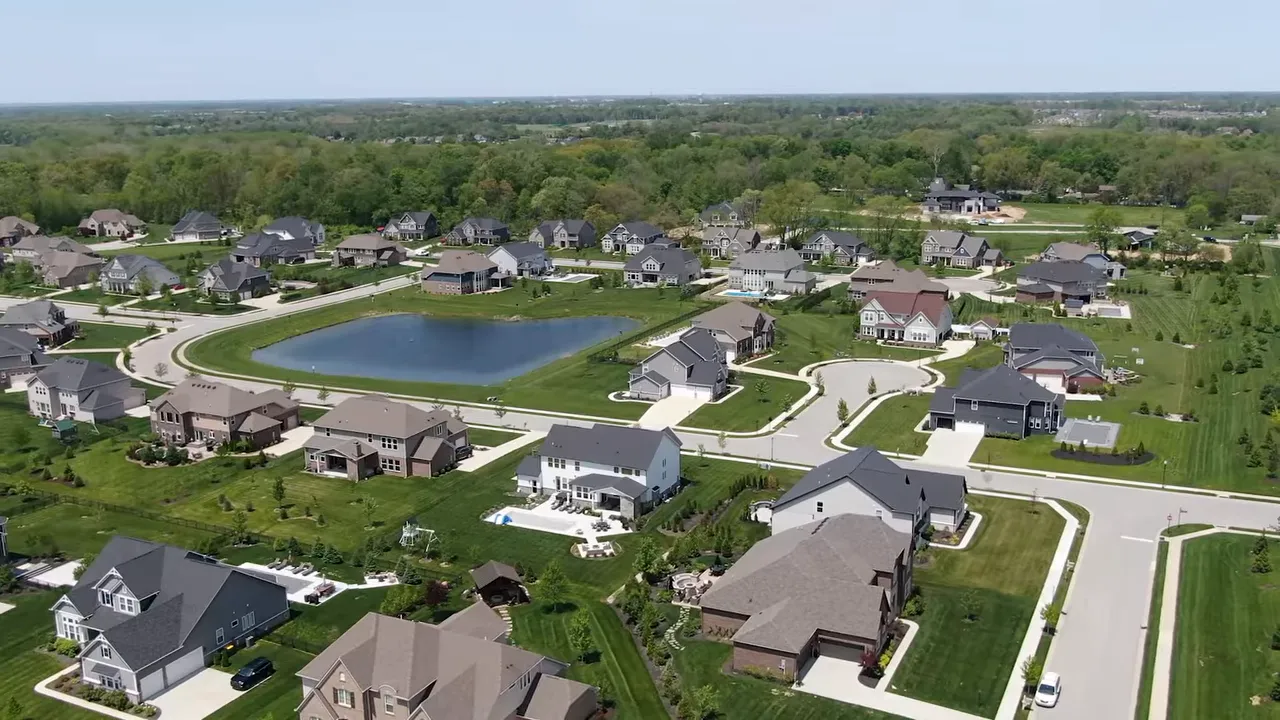
Enrollment in the local school system has been declining, and that can sound alarming if you are thinking about living in Indianapolis and prioritizing family friendly suburbs. But this is not a decline story in the dramatic sense. Fishers remains one of the most sought after places in the country, and it was recently ranked near the very top nationally as a place to live.
So what is really happening?
Fishers grew extremely fast for many years. Now it is maturing. The city is largely built out, with only limited room left for major outward expansion. That changes the age profile of the population.
In practical terms, more kids are aging up and graduating than are being replaced by incoming kindergarten students. The families who moved there years ago are staying put, but their children are older now. That means the community is still strong while the school age mix is shifting.
Housing affordability also plays a role. Fishers is more expensive than it was 15 years ago, which makes it harder for younger families just starting out to buy there than it used to be.
That said, the real estate environment in Fishers is still competitive. Demand is still there. Multiple offer situations still happen. So if you are moving to Indianapolis and Fishers is on your shortlist, declining enrollment should not be interpreted as a sign that the city is fading. It is much more about maturity than weakness.
What This Means If You Are Moving To Indianapolis
If you are moving to Indianapolis, the smartest takeaway is this: not all negative looking data is actually bad news.
Sometimes softer numbers simply mean:
- Buyers have more room to negotiate
- Sellers need better pricing discipline
- New construction is changing the rules
- A suburb is maturing rather than declining
That is why the best suburb for living in Indianapolis depends on what you need most.
Best Fit If You Want Long Term Prestige And Stability
Carmel still stands out for schools, infrastructure, and sustained demand, even if the market is less forgiving for overpriced listings.
Best Fit If You Want A Strong Community With A Softer Entry Window
Noblesville may offer opportunities in established neighborhoods, especially if you are patient and compare newer resale options carefully.
Best Fit If You Want More Negotiating Leverage
McCordsville can offer real buyer power, particularly when builders are sitting on spec inventory.
Best Fit If You Want Newer Suburban Growth But Need To Stay Price Aware
Whitestown remains one of the biggest growth stories in the metro, but rapid expansion has created a more negotiable market than the median price alone suggests.
Best Fit If You Want a Mature Top-Tier Suburb
Fishers is still a very desirable choice, but it is transitioning from high growth mode into a more fully developed phase.
Anyone moving to Indianapolis should pay attention to the nuance, not just the headline. What looks like doom for one person may actually be an opening for another.
THINKING OF BUILDING YOUR NEXT HOME? HERE'S A LOCAL GUIDE TO BUILDERS AND PITFALLS
FAQs About Moving to Indianapolis
Are home prices falling everywhere in the Indianapolis metro?
No. The market is mixed. Some suburbs are showing softer prices, longer selling times, or more homes closing below asking, but that does not mean the entire metro is dropping in the same way. The details vary a lot by location and housing type.
Is moving to Indianapolis a good idea in a slower housing market?
For many buyers, yes. A slower market can mean more choices, less pressure, and better negotiating leverage. If you are moving to Indianapolis now, you may have a better chance to compare suburbs carefully instead of rushing into a decision.
Why does median price sometimes drop while price per square foot rises?
Usually because the mix of homes sold has changed. If more smaller or lower priced homes close in a given period, the median can fall even while individual home values remain solid on a per square foot basis.
Which suburbs currently give buyers the most leverage?
Based on the numbers discussed here, McCordsville and Whitestown appear to offer some of the clearest negotiating opportunities, especially where resale homes are competing with new construction.
Does lower school enrollment mean Fishers is declining?
No. The more likely explanation is that Fishers has matured. It grew rapidly, is now more built out, and many longtime residents have older children. That is different from a city losing desirability.
What should sellers keep in mind in this market?
Sellers need to price according to current competition, not past peak years. In several suburbs, buyers are more patient and builders are offering incentives that resale sellers cannot always match.
When it comes to moving to Indianapolis, the broad market story only gets you halfway there. The real advantage comes from understanding how each suburb is behaving right now, and how that lines up with your budget, commute, home style, and long term goals.
If you’re moving to Indianapolis and want a clear plan for which neighborhoods make the most sense for your budget, reach out to me and my team today. I’ll help you compare the data to real-life conditions—so you know where buyers have leverage and where pricing needs to be more disciplined.
Call or text: 317-932-8620 to get started.