


How Bad Is Indianapolis Traffic? A Real-World Test and Ranking

Jason Compton • December 14, 2023

I filled up at a gas station off I-70 and Mount Comfort Road one morning, punched in a destination on the north side, and watched the GPS estimate 23 minutes for a 21-mile drive. Not awful. The next day, same route, same distance, 38 minutes. That 15-minute swing is the kind of thing that makes people ask me about traffic before they move here, and honestly, I get it. If you're coming from a city where an hour-long crawl is normal, Indianapolis might feel like a dream. If you're used to open highways and five-minute errands, a half-hour commute might sound rough.

Traffic here is subjective. What counts as bad depends entirely on what you're already used to and how far you need to go. Indianapolis isn't small, it surprises most people how large the metro footprint is, but that size doesn't automatically mean gridlock. I ran two real-world tests on the same route, checked the rankings, and I'll walk you through what the numbers actually mean and what you can expect day to day.

Table of Contents

The 21-Mile Test: Off-Peak vs. Rush Hour

I started at that gas station off I-70 and Mount Comfort Road and headed to the area around US 31 and 465 on the north side. I'm in that vicinity quite a bit right now, so it's a route I know well. The first trip wasn't during rush hour. The GPS said 23 minutes for 21 miles, and I pulled into the Starbucks parking lot exactly 23 minutes later. Pretty smooth, pretty accurate, and for the distance I had to cover, really not bad at all.

The second trip left earlier in the day, same starting point, same destination. The GPS jumped to 38 minutes. I'm glad I checked before I left, every single time I look at traffic before heading somewhere, I'm glad I did. That drive took 37 minutes, almost exactly as predicted. It was thick, slow, and there was no way to make it faster going that exact direction. That's a 15-minute difference on the same route, and while it's not typical for Indianapolis, it's not unheard of either.

So what causes that kind of swing? It's got to be something fairly significant. Bad weather can do it, although that's actually pretty rare where it affects your drive time. Accidents happen from time to time, of course. But the number one thing that's probably going to cause variations in your travel time is construction.

Construction: The Real Wild Card

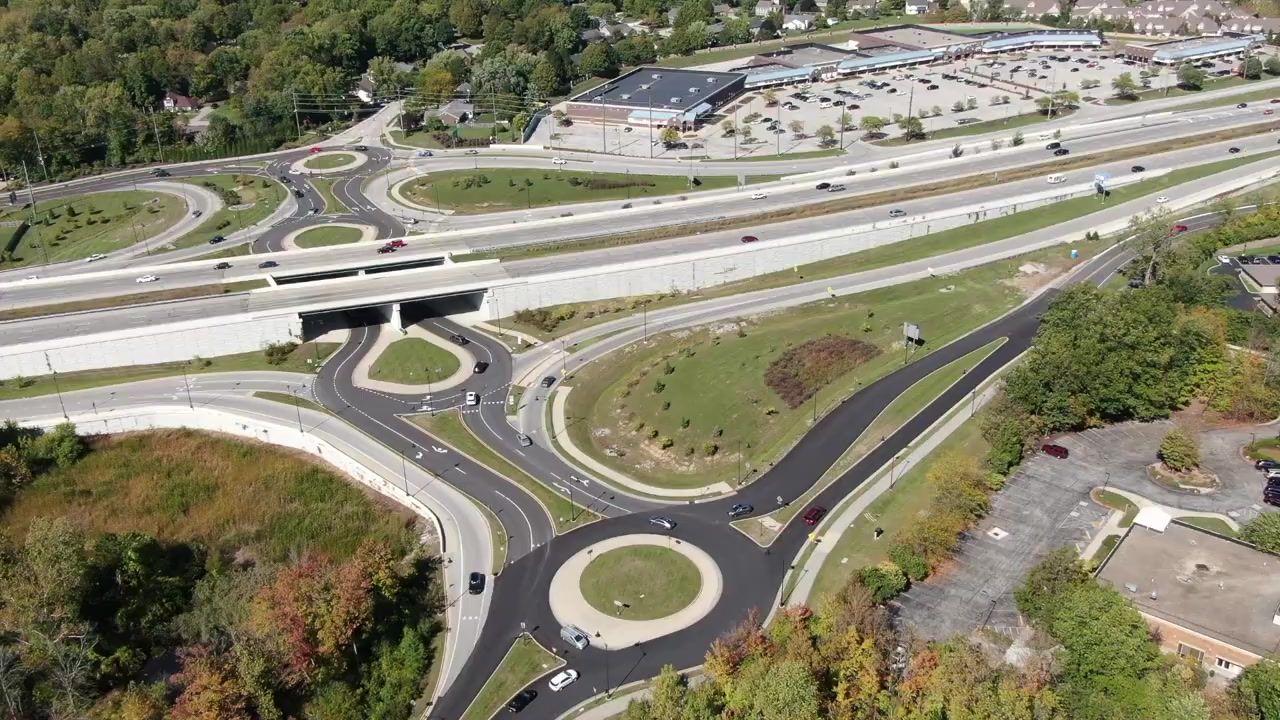
If you live in a big city with a lot of people and a lot of infrastructure, you are always going to have construction. You just cannot get around it. I really think that Indianapolis and all the cities surrounding Indianapolis have done a nice job keeping up with the growth in population. Construction projects are more about accommodating, and you're going to find a lot of accommodations all around the city every single year. Sometimes the projects are really big, sometimes they're much smaller, but when you get some big projects, you get lane closures, and then you get into a lot of the traffic situations like I did on that second day.

The northeast side is going through a number of changes, at least right now. But in the future, of course, they're going to be better. If you didn't do those projects, the traffic probably would be worse as the population gets larger. So while you kind of have to take a step back to take two steps forward, you just need to realize that living in a big city, it's part of the process, it's part of the growth. That 15-minute delay I hit was directly tied to construction, and once those projects wrap up, that route will handle more volume more smoothly.

How Indianapolis Ranks Globally and Nationally

Outside of construction, how does Indianapolis compare with the rest of the world and the rest of the United States? I looked at the rankings on TomTom, and Indianapolis ranks 214th in the world as far as traffic is concerned. That's city only, kind of just that Indianapolis address, with most of those commutes being about between 13 and 14 minutes.

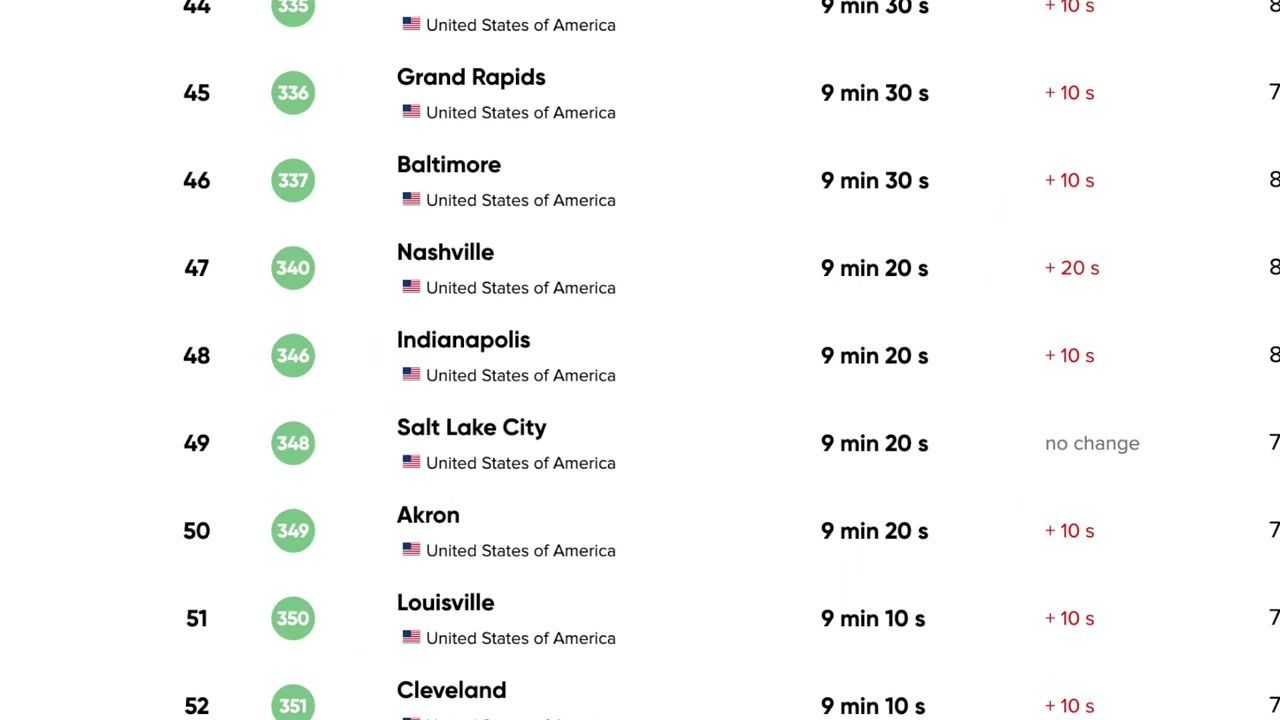
When you're looking at the whole metro area, it's different. Indianapolis in the world ranks 347th. That list only goes up to 390, so Indianapolis actually just, not barely, but just, is inside that list, that worldwide list. And that commute metro-wide is just over nine minutes or so, which compared to a lot of places in the world when you're over 20 minutes, pushing 30 minutes, that's really not too bad.

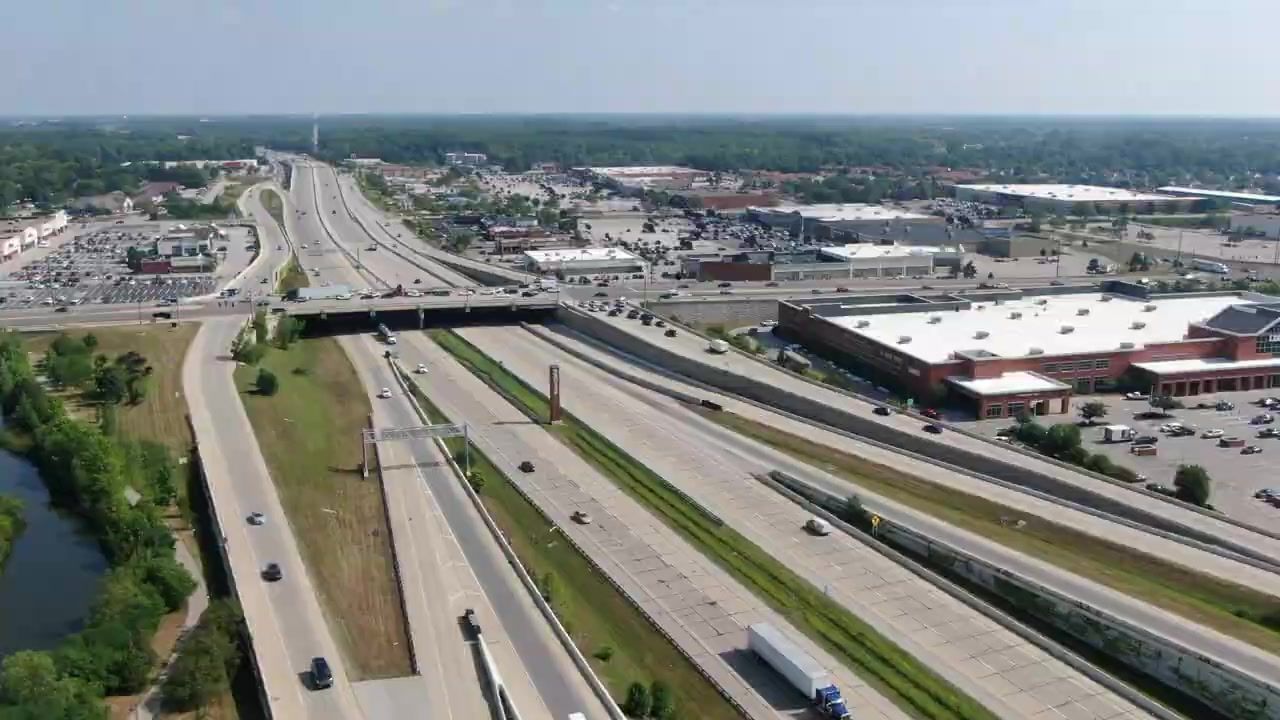
As far as the United States goes, Indianapolis ranks 48th as far as metro area is concerned. I think there's a lot of variables that go into that, though. How big is the footprint of where you live? Sometimes your commute doesn't really have to do with traffic, it's just how far you have to go. Ten miles is ten miles. It's gonna take you what it takes you. If you live in a place that has a smaller footprint, ten miles like in New York City could take you an hour. But if you live in a place like Indianapolis or the metro area around Indy, it may take you really just a matter of minutes to go ten miles because it's just not that dense.

The Subjective 30-Minute Rule

I get the traffic question a lot from people. What's the traffic like in Indianapolis? And honestly, even after going through all of that, it's really subjective. Bad traffic is not so bad to somebody else. I found pretty much around here that there's a third 30-minute rule. If you feel like a 30-minute drive is a long commute, then okay, the traffic's not that good. But if you feel like a 30-minute commute is a short one, you're used to places where it's a lot worse than that, then the traffic is actually not that bad at all.

You can see from the stats that in Indianapolis, not everyone, but a lot of commutes here in Indy are well under 30 minutes. That's kind of what you're facing. And when you hit a delay or a kind of a rough one like I did in the second day, I mean, is that bad? I don't know. To me, some days it's frustrating and I don't love it, an extra 15 minutes on my drive. But that's actually pretty extreme. Usually it's more like five minutes or ten minutes at most on a 20-ish minute commute.

Conclusion

Traffic in Indianapolis is manageable for most people most of the time. The metro-wide average commute is just over nine minutes, and even a longer cross-town drive like my 21-mile test clocks in around 23 minutes off-peak. Construction can add time, and rush hour can double your drive on certain routes, but those swings are the exception, not the rule. If you're relocating from a place where an hour in the car is normal, you'll probably find Indianapolis refreshing. If you're used to wide-open roads and no delays, you'll need to adjust your expectations during peak times and active construction zones.

If you have questions about how traffic might affect your daily commute based on where you live and work, don't hesitate to give me a call or send me an email. I want to help you find the right location anywhere around the Indianapolis metro and walk you through commute times, construction timelines, and what to expect day to day. Let's make sure your move is as smooth as your morning drive should be!

Is Indianapolis traffic bad?

It depends on what you're used to. Indianapolis ranks 347th in the world for metro-area traffic, with an average commute just over nine minutes. If you're coming from a dense city where 30-minute crawls are normal, Indianapolis will feel easy. If you're used to rural roads, rush hour and construction might feel slower than you expect.

What causes traffic delays in Indianapolis?

Construction is the number one cause of delays. Indianapolis and the surrounding cities are growing, and infrastructure projects are ongoing. Lane closures and detours can add 10 to 15 minutes to your drive, especially on the northeast side right now. Accidents and bad weather can also slow things down, but those are less common.

How long is a typical commute in Indianapolis?

Most commutes in the Indianapolis metro area are well under 30 minutes. City-only commutes average between 13 and 14 minutes. A 21-mile cross-town drive can take 23 minutes off-peak or closer to 40 minutes during rush hour or active construction.

Does Indianapolis rank high for traffic in the United States?

Indianapolis ranks 48th in the United States for metro-area traffic. That ranking reflects both actual congestion and the size of the metro footprint. Ten miles in Indianapolis takes far less time than ten miles in a denser city like New York, even if the rankings look similar.

What is the 30-minute rule for Indianapolis traffic?

If you think a 30-minute drive is a long commute, Indianapolis traffic might feel frustrating at times. If you think 30 minutes is short, you'll probably find traffic here pretty manageable. Most delays are five to ten minutes, not the hour-long crawls you see in larger metros.

Should I check traffic before I leave in Indianapolis?

Yes. I check every single time I'm heading somewhere, and I'm glad I do. The GPS is usually accurate, and knowing whether your drive will take 23 minutes or 38 minutes helps you plan. Construction and rush hour can double your time on certain routes, so it's worth the quick look.

jason compton

A  former teacher turned full-time real estate agent serving Greater Indianapolis. I help buyers, sellers, and relocation clients make informed moves—especially those coming from out of state. From neighborhood insights to home tours, my goal is to simplify the process and help you feel confident in every step.

ready to move?

A man is standing in front of a city skyline on the cover of a relocation guide for indianapolis.

WATCH OUR VIDEOS

Stay Informed

Insights, Tips & Life in Indianapolis

Your go-to resource for all things real estate and Indy living. Whether you're buying, selling, relocating, or just curious about the local market, our blog is packed with helpful articles, expert advice, and community highlights to keep you informed and inspired.

One building in Lebanon, Indiana is going to use as much electricity as 750,000 homes.
By Jason Compton • October 22, 2026
Meta's $10B Lebanon project, Google's canceled Franklin site, and approved Decatur facility, how data centers impact home values across Indianapolis suburbs.

for the first time in years.
By Jason Compton • October 15, 2026
Indianapolis ranked #1 buyer-friendly market for 2026, but Carmel has just 0.69 months of supply. Discover what changed, who has leverage, and where to negotiate.

Westfield, it's one of the fastest changing towns in the entire metro.
By Jason Compton • October 8, 2026
Relocating to Indianapolis? Learn the real costs, neighborhoods, schools, and commute realities across the metro from Carmel to Greenfield to downtown.
Indianapolis: The Urban Core and Hidden Neighborhoods — Lawrence, And Lawrence, There's
By Jason Compton • October 1, 2026
Jason Compton breaks down the Indianapolis metro by zone, from northern suburbs like Carmel and Fishers to eastern neighborhoods, with honest takes on commutes, affordability, and growth potential.
Before-and-after aerial view of a riverfront area transformed from barren land to a vibrant city district.
By Jason Compton • September 24, 2026
From Fishers District's $169M expansion to Westfield's billion-dollar Grand Park development, discover 7 major projects reshaping Indianapolis suburbs.

So you get very walkable established streets without giving up access to really a lot of the desirable
By Jason Compton • September 17, 2026
Discover Meridian-Kessler, one of Indianapolis’ most exclusive neighborhoods, with historic homes, walkable streets, and sought-after amenities.
Video screenshot at 459.5s
By Jason Compton • September 10, 2026
Indianapolis reached 2.2M people, but some leave. Jason Compton explains growth, affordability, traffic, walkability, and wages across the metro.

Text graphic with man pointing at colorful numbered map pins and “I’D MOVE HERE!” banner
By Jason Compton • September 3, 2026
Explore the best suburbs to live near Indianapolis, including Carmel, Fishers, Westfield, Noblesville, and Zionsville, plus schools and new construction.
Indianapolis weather map with “IS FLIPPING” headline and a surprised man on the right
By Jason Compton • August 28, 2026
Zillow ranked Indianapolis the #1 buyer-friendly metro for 2026. See how inventory, mortgage rates, and longer selling times are reshaping the market.

Man with surprised expression beside aerial city view and bold text: “Keep out of Indianapolis”
By Jason Compton • August 21, 2026
Discover why Indianapolis is booming beyond downtown and learn what makes Indianapolis suburbs different, plus buyer tips on schools and total home costs.

Show More