


Lebanon Indiana: What It's Like to Live in This Growing Northwest Indianapolis Alternative
Lebanon sits about 30 miles northwest of Indianapolis, and over the past five years, I've watched more buyers ask about it. Not as a backup plan, but as a real option. People know the names: Carmel, Zionsville, Westfield. They've seen the price tags and the traffic. Lebanon keeps coming up because it offers something different without requiring you to leave the Indianapolis metro orbit entirely.
This is a small city, not a suburb trying to act like one. The pace is slower. The downtown has actual history instead of a lifestyle center designed to look historic. You're close enough to reach the north side job centers, but far enough that you're not paying for proximity you don't need. If you've been priced out of the headline towns or you just want more space and less density, Lebanon has become worth a serious look.
The question isn't whether Lebanon is "good enough." It's whether what Lebanon offers lines up with what you actually need. Let's get into what living here really looks like.
Table of Contents
Why Lebanon Is Getting More Attention
Five years ago, many buyers were not even considering Lebanon. It seemed too far, too small, and too disconnected from the Indianapolis growth story. That has changed. As north side suburbs like Carmel, Zionsville, and Westfield have become more expensive and crowded, buyers are starting to look farther out for more space and better value. When a starter home in Westfield pushes beyond a buyer’s budget, Lebanon starts to look much more appealing.
Lebanon is not trying to be Carmel, Zionsville, or Westfield. It is a county seat with its own identity, downtown, and school system. Rather than being a bedroom community that developed over the past 20 years, Lebanon has been established for generations and is now experiencing growth on its own terms. More buyers are becoming willing to drive a little farther in exchange for getting more house and land for their money.
The reality is that Lebanon works well for people who do not need to be in the middle of the north side suburban scene. For buyers who work downtown Indianapolis or on the northwest side, want a larger lot, and are looking for a lower cost of living, Lebanon can make a lot of sense. However, buyers who prioritize walkable neighborhoods, numerous restaurant options, and a 15-minute commute to Carmel may find that Lebanon is not the right fit.
What You Get in Lebanon vs. the North Side Suburbs
Lebanon is not Carmel. That's not a criticism, it's just a fact. Carmel has the Arts & Design District, the Monon Trail, the roundabouts, the national reputation. Lebanon has a courthouse square, local shops, and a pace that feels like a small city, not a suburb. You're trading amenities and density for space and affordability.
The housing stock in Lebanon is more varied. You'll find older homes near downtown, newer subdivisions on the edges, and larger lots than you'd get in Fishers or Westfield at the same price point. You're not paying for the premium that comes with a Zionsville or Carmel address. That premium is real, and it shows up in property taxes, home prices, and HOA fees.
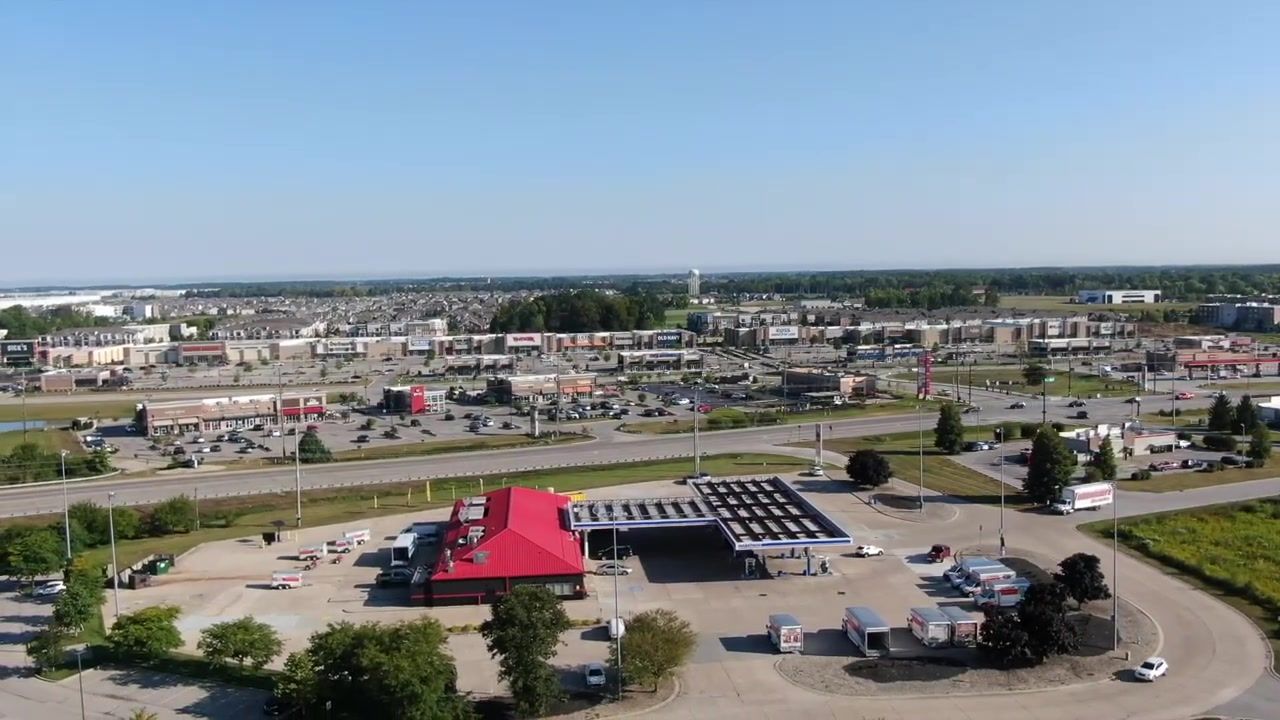
The trade-off is infrastructure and convenience. Lebanon doesn't have the same retail and dining density. You're not walking to a coffee shop or a boutique grocery store. You're driving to the grocery store, and if you want more options, you're heading toward Zionsville or the north side. That's fine if you're used to driving and you value the cost savings. It's a problem if you're used to having everything within a few miles.
The Commute Reality
The big question for many buyers is whether they can live in Lebanon while working in Indianapolis or the north side suburbs. The answer is yes, but it requires being realistic about the commute.
For someone working downtown Indianapolis, the commute can take about 35 to 45 minutes, depending on traffic and where they live in Lebanon. Those working in Carmel or Fishers may be looking at closer to 30 to 40 minutes. For people commuting to Westfield or Noblesville, the drive can be more manageable at roughly 20 to 30 minutes. Remote workers and those with jobs on the northwest side may find that the commute is much less of a concern.
The equation also changes depending on how often someone needs to commute. A 40-minute drive twice a week may be manageable, while the same drive ten times a week can add up quickly. Buyers need to consider gas, time spent on the road, and whether the commute is worth the potential housing savings. For some people, the trade-off makes sense. For others, it may be a deal-breaker.
Lebanon tends to work best for buyers who have some flexibility in their commute or who work closer to the northwest side of Indianapolis. Those tied to a downtown office five days a week will likely notice the longer drive more.
Housing Options and What You Can Expect
Lebanon's housing market is more affordable than the north side suburbs, but it's not immune to the broader market trends. Prices have gone up here too, just not at the same rate as Carmel or Zionsville. You're getting more house for your money, and you're getting more land.
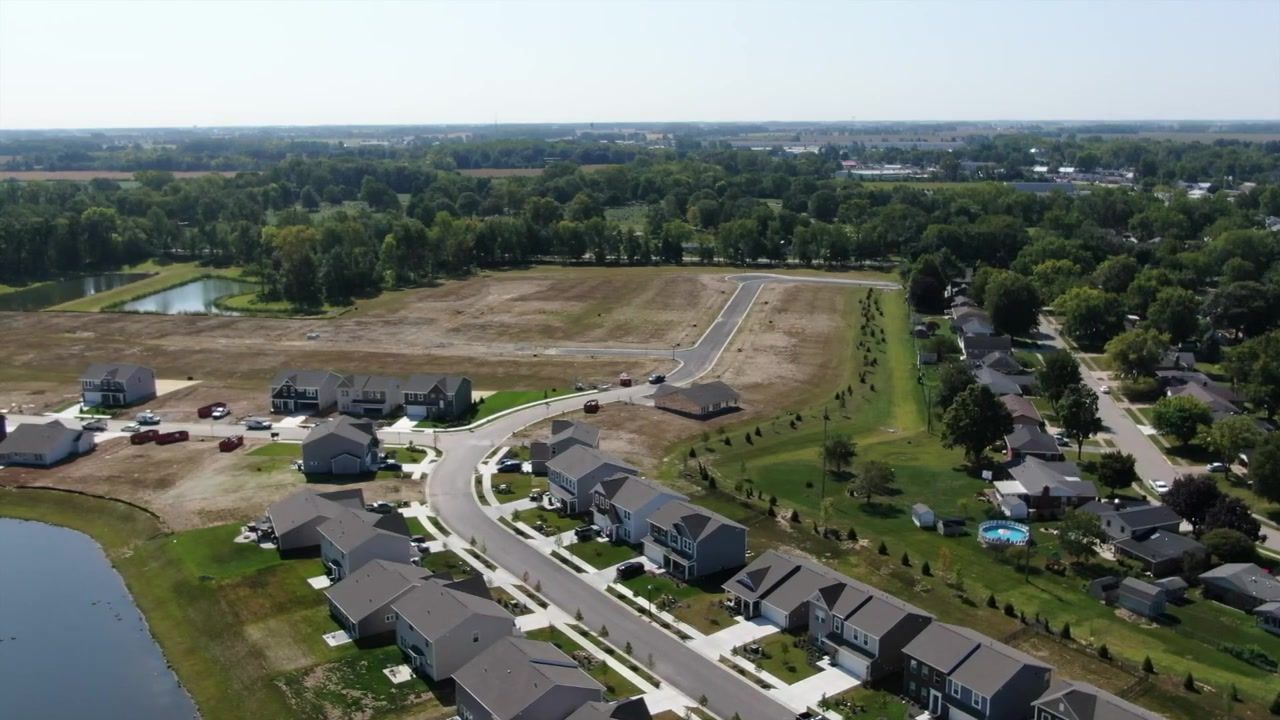
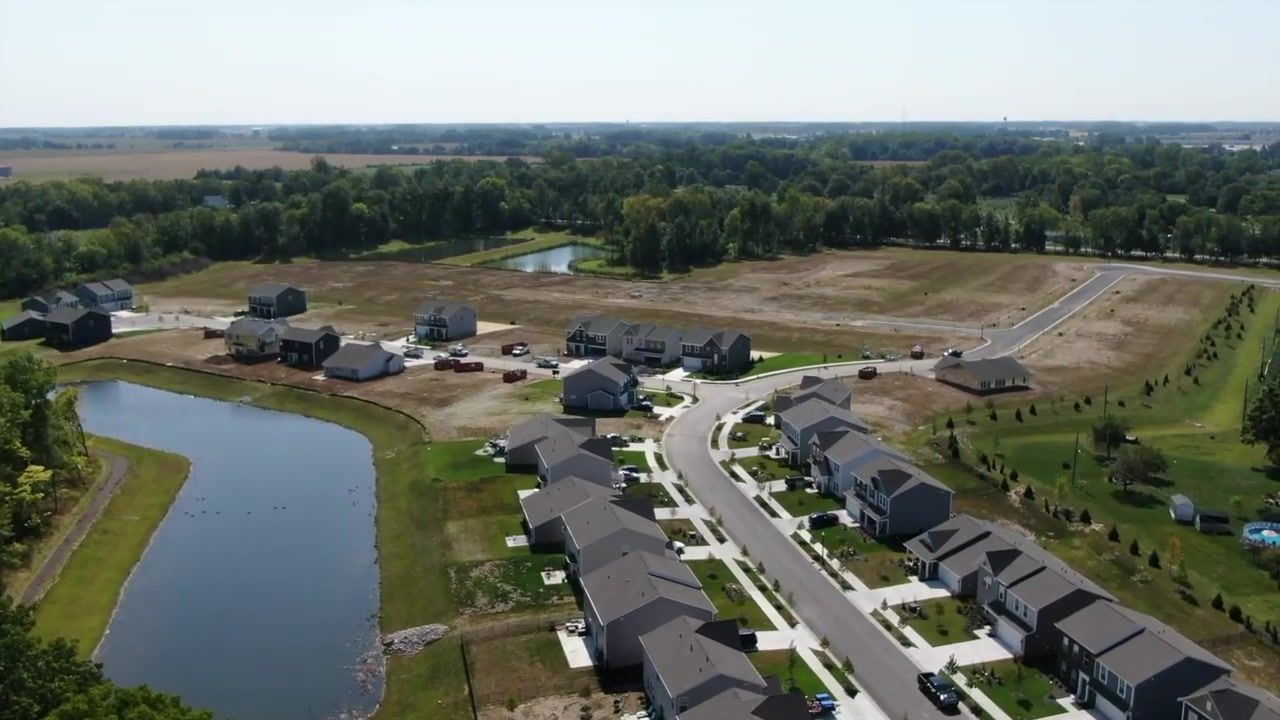
You'll find a mix of older homes near the downtown area, some of which need work, and newer construction on the outskirts. The newer subdivisions offer modern floor plans and finishes, but you're still paying less than you would for a comparable home in Westfield or Fishers. Lot sizes tend to be larger, which appeals to people who want a yard, space for kids to play, or just more breathing room.
The inventory can be limited depending on what you're looking for. Lebanon is smaller, so there are fewer homes on the market at any given time. If you're set on a specific style or neighborhood, you might need to be patient. The flip side is that you're not competing with the same buyer pool you'd face in Carmel or Zionsville.
Schools and Community Feel
Lebanon has its own school district, and it's not Carmel or Zionsville. That's not a knock, it's just a different system. If schools are a major factor in your decision, you'll want to research the district and talk to buyers who live here. The district serves the city and surrounding areas, and it has its strengths, but it doesn't have the same reputation or resources as some of the larger north side districts.
The community feel in Lebanon is more small-city than suburb. You have a downtown with local businesses, community events, and a courthouse square that actually functions as a gathering place. It's not trying to replicate the suburban lifestyle center experience. If you want that small-town feel with a bit more infrastructure than a true rural area, Lebanon delivers.
The trade-off is that you don't have the same level of programming, amenities, or social infrastructure you'd find in a place like Carmel. There are fewer youth sports leagues, fewer community centers, fewer organized activities. If you're someone who thrives on that kind of structure, you'll notice the difference. If you prefer a quieter, more independent lifestyle, it's a plus.
Which Area Is Right for You
Lebanon makes sense if you're looking for affordability, space, and a slower pace without completely leaving the Indianapolis metro area. It works for remote workers, people with flexible commutes, or anyone who values a larger home and lot over proximity to urban amenities.
It doesn't make sense if you need a short commute to downtown Indianapolis or the north side, if you want walkable neighborhoods and dense retail, or if you're set on a specific school district reputation. Lebanon is not a suburb pretending to be a small city. It's a small city that happens to be close enough to Indianapolis to make it viable for some buyers.
The honest truth is that Lebanon is growing because it offers something the north side suburbs don't: affordability and space without requiring you to move to a completely rural area. If that's what you're after, it's worth a serious look. If you're chasing the Carmel or Zionsville lifestyle, you'll be disappointed.
Conclusion
Lebanon has carved out a niche for buyers who want more house, more land, and a lower cost of living without leaving the Indianapolis metro area entirely. It's not for everyone, but for the right buyer, it's a solid option that's only going to get more attention as the north side suburbs continue to price people out.
If you're considering Lebanon or any of the surrounding areas, let's talk. I've worked with buyers all over the Indianapolis metro, and I can help you figure out what area actually fits your needs and your budget. Reach out, and we'll set up a time to go over your options.
FAQ
Is Lebanon, Indiana a good place to live?
Lebanon works well for buyers who want affordability, larger lots, and a small-city feel without leaving the Indianapolis metro area. It's a real town with its own identity, not a suburb. If you value space and cost savings over proximity to urban amenities, it's a solid option. If you need a short commute or dense retail and dining, it's less ideal.
How far is Lebanon from Indianapolis?
Lebanon is about 30 miles northwest of downtown Indianapolis. The drive typically takes 35 to 45 minutes depending on traffic and your specific starting and ending points. If you're commuting to Carmel, Westfield, or the northwest side, the drive is shorter, usually 20 to 40 minutes.
Are homes in Lebanon cheaper than in Carmel or Zionsville?
Yes. You'll pay significantly less for a comparable home in Lebanon than you would in Carmel, Zionsville, or Westfield. You also get larger lots and more space. The trade-off is that you're farther from the north side amenities and you're in a different school district.
What is the commute like from Lebanon to Indianapolis?
If you're working downtown Indianapolis, expect 35 to 45 minutes each way. If you're working in Carmel, Fishers, or the northwest side, it's closer to 20 to 40 minutes. The commute is manageable if you're remote or only going in a few days a week, but it adds up if you're driving five days a week.
Does Lebanon have local schools?
Lebanon has its own school district. It's not Carmel or Zionsville, and it doesn't have the same reputation or resources. If schools are a major factor, research the district and talk to buyers who live there to see if it meets your needs. Verify current information directly with the district.
What kind of housing is available in Lebanon?
You'll find a mix of older homes near downtown and newer construction in subdivisions on the outskirts. Lot sizes are generally larger than what you'd get in the north side suburbs at the same price point. Inventory can be limited because it's a smaller market, so you may need to be patient depending on what you're looking for.
jason compton
A former teacher turned full-time real estate agent serving Greater Indianapolis. I help buyers, sellers, and relocation clients make informed moves—especially those coming from out of state. From neighborhood insights to home tours, my goal is to simplify the process and help you feel confident in every step.
Stay Informed
Insights, Tips & Life in Indianapolis
Your go-to resource for all things real estate and Indy living. Whether you're buying, selling, relocating, or just curious about the local market, our blog is packed with helpful articles, expert advice, and community highlights to keep you informed and inspired.