Table of Contents
- Introduction
- Why Indianapolis is No Longer One Real Estate Market in 2026
- How New Construction in Indianapolis is Shaping Buyer Leverage
- Indianapolis Migration and Demographics: What’s Driving Real Estate Demand
- The Impact of a Stable Economy on Buyer Behavior in Indianapolis
- Buyer Leverage in Indianapolis: Where to Find Opportunities in 2026
- Indianapolis Real Estate Pricing: Why Prices Are Softening, Not Crashing
- What the 2026 Indianapolis Real Estate Market Means for Buyers, Sellers, and Investors
- FAQs
- Final Thoughts
Introduction
Indianapolis real estate market trends are shifting into 2026. On the surface the market looks calmer, more affordable, and a bit safer than the frantic years we lived through, but that surface-level stability hides a more complicated reality. Parts of the metro are cooling and giving buyers leverage, while other pockets are staying competitive and rewarding sellers who understand local nuance. This guide breaks down where the market is splitting, why new construction and migration matter, how buyer behavior has changed, and specific steps buyers, sellers, and investors should take in 2026.
EXPLORE HOMES FOR SALE IN INDIANAPOLIS CITIES & SUBURBS
Why Indianapolis is No Longer One Real Estate Market in 2026
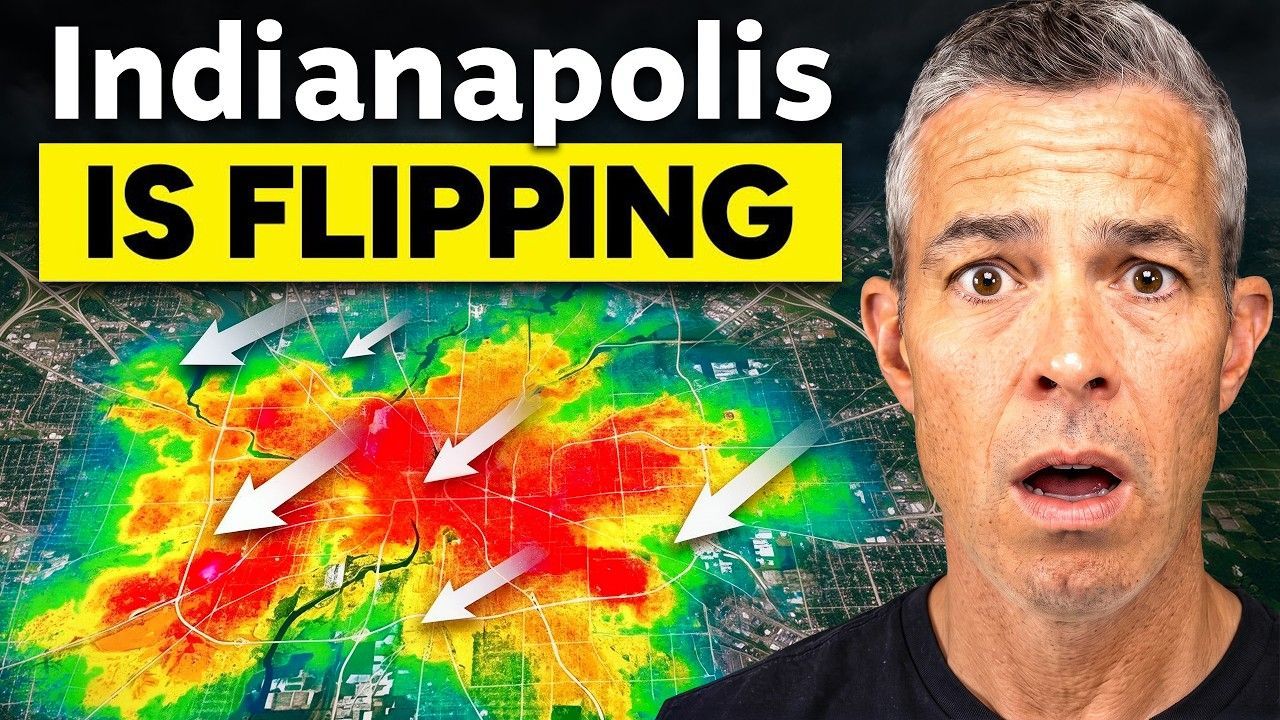
The biggest single idea to understand about current Indianapolis real estate market trends: the metro is not a single, homogeneous market. It never really was, but the differences are now sharper than they’ve been in recent memory. Some neighborhoods are cooling fast; others are moving faster than many expect.
Across the metro you’ll see three different patterns:
- Cooling pockets: New subdivisions, heavy builder activity, more distant locations from job centers, and areas with weaker school demand are seeing inventory rise and days on market stretch into 30, 60, or even 90 days.
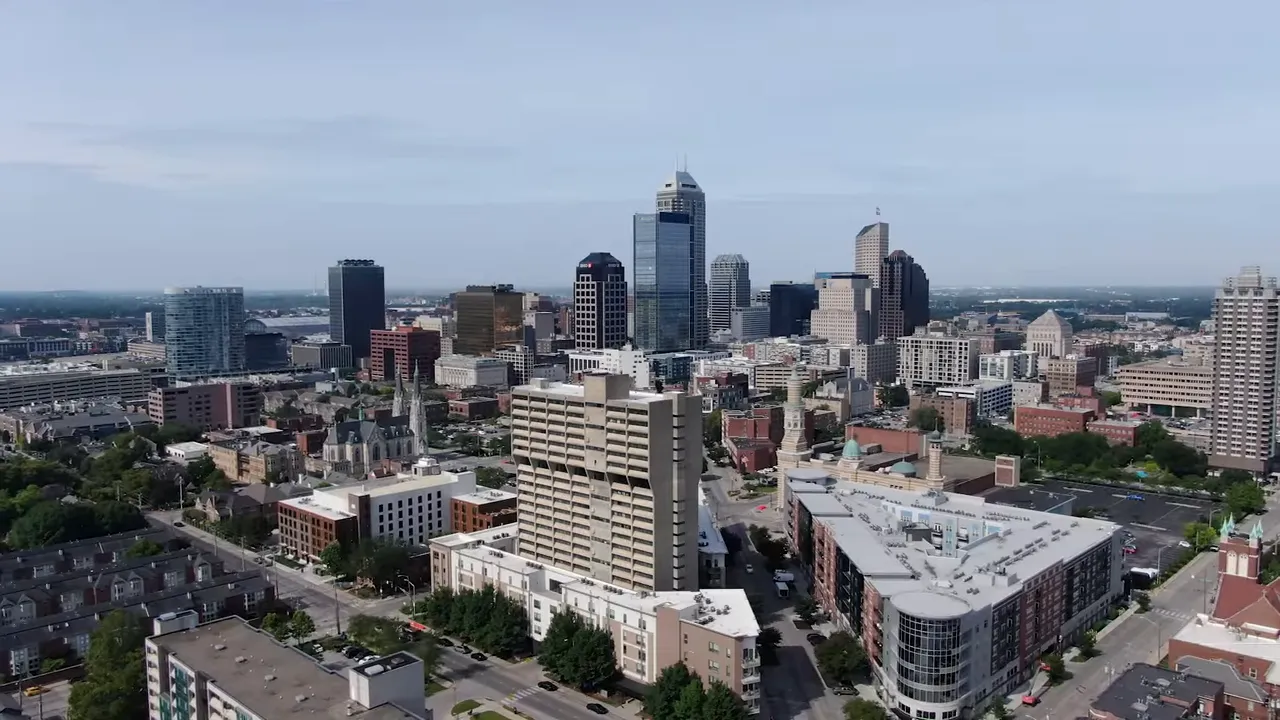
- Stable hotspots: Places with limited land, strong schools, and clear lifestyle appeal—Carmel, Fishers, Westfield, Zionsville and similar suburbs—remain competitive when homes are positioned correctly.
- Move-in ready winners: Even inside popular areas, the homes that are truly turnkey and priced right still sell quickly despite higher interest rates.
Buyers are behaving differently: higher rates have made many stop stretching for imperfect properties. They’re narrowing the list of areas they’ll consider and throwing out many listings that used to be viable. Out of ten homes in a buyer’s search, eight might be discarded; that means several listings will sit longer and require price adjustments.
The result: sellers who price based on 2021–2023 expectations risk watching their listing age and then having to cut price. Meanwhile, well-priced homes that show well still capture demand and often sell at strong prices. Neighborhood-level intelligence matters more than ever.
How New Construction in Indianapolis is Shaping Buyer Leverage
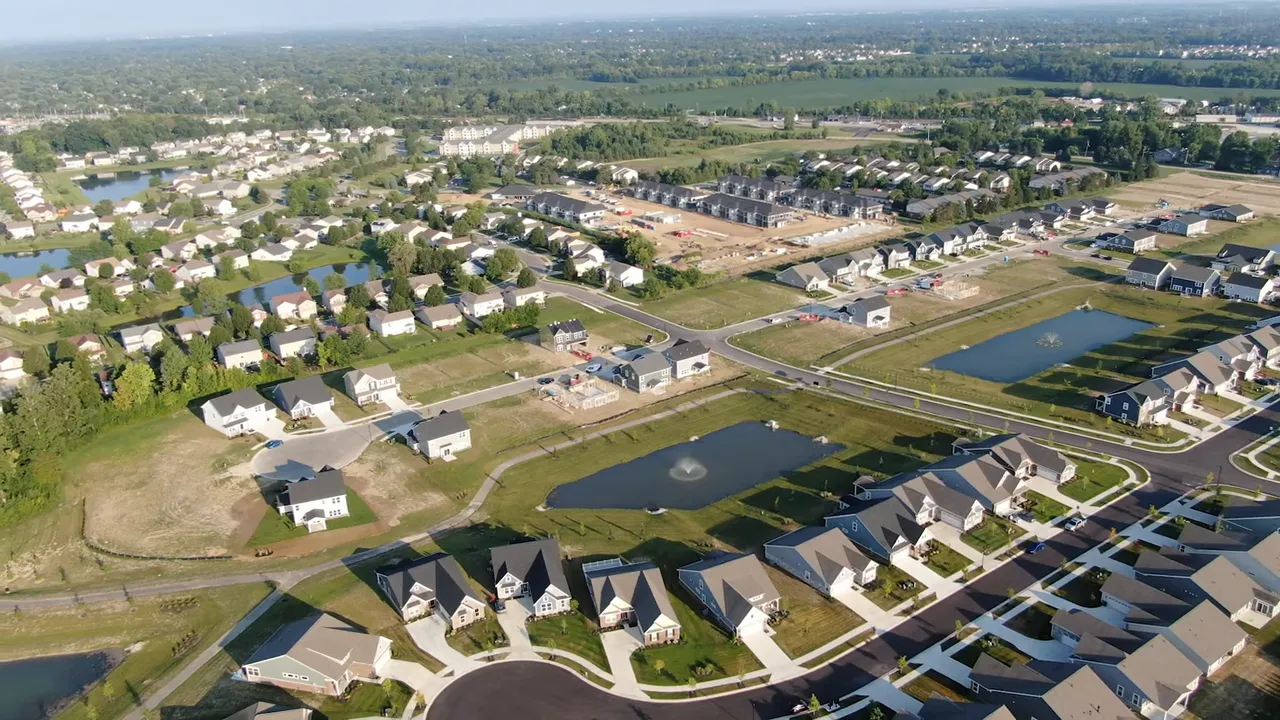
New construction is a major force behind current Indianapolis real estate market trends. Indianapolis has added a ton of housing supply in recent years—more than many comparable Midwest metros—and builders have concentrated in areas with available land and affordable entry points. That means entire subdivisions, not just scattered homes, are competing with each other.
Common places where builder activity is heavy include Fishers, Westfield, McCordsville, Brownsburg, Whitestown, Greenwood, and Greenfield. In those zones buyers have more options than they’ve had in years, which creates leverage.
Builders have not dramatically cut sticker prices—construction costs, labor, insurance, and regulation remain high. Instead they are protecting base prices and offering back-end incentives such as:
- Seller-paid closing costs
- Rate buydowns
- Upgrade or design packages
These incentives can materially change a buyer’s monthly payment and long-term cost of homeownership. That means comparison shopping needs to be about monthly payments and total deal math—not just list price.
Resale homes retain advantages in mature neighborhoods (mature landscaping, central locations, proximity to jobs and amenities). But in oversupplied new subdivisions with little differentiation, patient and informed buyers can negotiate substantial concessions.
Indianapolis Migration and Demographics: What’s Driving Real Estate Demand
Migration and shifting demographics are quietly directing demand to specific corners of the metro. Indianapolis remains relatively affordable and keeps showing up on relocation lists for people leaving higher-cost states like California and New York—and surprisingly some movers from nearby Illinois.
New residents bring different expectations and budgets. At the same time, the metro is seeing more downsizers and near-retirees who want low-maintenance, single-level living. Those preferences are creating local pockets of demand for ranch-style homes, one-level layouts, and smaller yards—sometimes in new construction, sometimes in resale.
Remote work remains a major factor. People who work remotely want a location that fits daily life: good schools, nearby amenities, and reasonable access to services. Local policy—zoning, permitting, and infrastructure—also affects where housing supply can expand and where growth concentrates.
The upshot for buyers and sellers: chasing the cheapest price metro-wide can lead to weaker long-term demand and potential resale challenges. Instead, consider whether the specific neighborhood aligns with where buyers will want to live in 5–10 years.
The Impact of a Stable Economy on Buyer Behavior in Indianapolis
Indianapolis is economically diversified. Healthcare, logistics, manufacturing, education, and tech all play strong roles here. That makes the local economy more resilient than many larger, single-industry cities and is a big reason prices did not collapse in 2025 and are unlikely to in 2026.
A stable economy combined with higher rates has changed buyer behavior. Buyers feel comfortable waiting, comparing, and negotiating. Monthly payment matters to them more than list price. Layouts, storage, home office space, and outdoor usability are often deciding factors. Homes with obvious compromises are being skipped.
For sellers, that means presentation and pricing matter. For buyers, patience is an advantage if used strategically.
Buyer Leverage in Indianapolis: Where to Find Opportunities in 2026
Buyer leverage is back in pockets where inventory is higher. That leverage looks like:
- Homes selling below list, especially outside core hotspots
- Return of contingencies—inspection and appraisal terms are more common
- Seller credits and rate buydowns appearing more frequently
- Investor and cash buyer advantages in negotiation
Where does that leverage live? Primarily in oversupplied, builder-heavy areas and in listings that are dated, overpriced, or poorly presented. But leverage evaporates in well-located, move-in ready homes in desirable suburbs. Days on market is an important metric: listings that sit become more negotiable.
Common buyer mistakes in this environment:
- Lowballing homes in truly strong submarkets, which can kill your chances.
- Hesitating on a home that fits your needs and then being surprised when it sells quickly.
- Assuming leverage means unlimited negotiation—small leverage should be used intelligently, not stretched beyond reason.
Indianapolis Real Estate Pricing: Why Prices Are Softening, Not Crashing
Headlines about nationwide price collapses are often misleading. Across the Indianapolis metro median prices have held up. What is changing is the distribution: individual homes and submarkets are adjusting while overall citywide medians stay relatively steady.
Expect normalcy in price corrections: price reductions are becoming common again for homes that are dated, overpriced, or located in oversupplied neighborhoods. But pricing remains strong in:
- Well-located neighborhoods
- Turnkey, move-in ready homes
- Areas with limited new supply and strong schools
Builders are keeping list prices intact but using incentives to influence affordability. Buyers who only compare list prices can miss opportunities; the real math is monthly payments and incentive structures.
What the 2026 Indianapolis Real Estate Market Means for Buyers, Sellers, and Investors
Buyers: You have more leverage than in recent years, but that leverage is uneven. The smart play is neighborhood-level research. Identify which areas are softening and which are still competitive. Be patient, do the math on monthly payments (including builder incentives), and be decisive when the right property appears. Waiting for an ideal rate drop could backfire—if rates fall quickly, competition will spike again.
Sellers: You can still get strong prices, but only with strategy. Overpricing based on past trends is costly. Price correctly for your specific neighborhood from day one, present your home well, and be ready to act strategically on offers. The longer a home sits, the more it costs you.
Investors: Reduced emotional competition opens opportunity. Inventory growth in select areas creates negotiating room for terms and concessions. Disciplined, long-term investors will find value in well-located properties with strong fundamentals.
EXPLORE HOMES FOR SALE IN INDIANAPOLIS CITIES & SUBURBS
Quick action checklist
- Buyers: Compare monthly payment scenarios (including incentives), track days on market, and line up financing so you can move fast when a good property appears.
- Sellers: Price to your specific neighborhood, stage and present the home, and be ready to adjust quickly if it doesn’t attract attention in the first few weeks.
- Investors: Focus on neighborhoods with long-term fundamentals, and be prepared to use cash or strong terms to win favored deals.
FAQs
Which neighborhoods should buyers focus on in 2026?
Focus on neighborhoods with strong schools, limited developable land, and proximity to major job centers if you want resilience and faster appreciation. Examples include pockets of Carmel, Fishers, Westfield, and Zionsville. For value buys, look at oversupplied new-construction corridors where incentives reduce monthly costs.
How do builder incentives compare to price cuts?
Builder incentives often protect sticker price but reduce effective buyer cost through closing cost contributions, rate buydowns, or upgrades. These can lower monthly payments and improve short-term affordability, which may matter more than a modest list price drop on resale homes.
Are prices going to crash in Indianapolis?
A crash is unlikely. The economy is diversified and demand remains clustered. Prices are softening in specific areas and for particular homes, but citywide medians have held. Expect normal price adjustments rather than a major correction.
Should I wait for rates to drop before buying?
Waiting carries risk. If rates fall quickly, competition will return and prices in competitive pockets could rise fast. Instead, get preapproved, monitor neighborhoods, and be ready to act when a well-priced opportunity fits your plan.
What mistakes do sellers make today?
The most common mistakes are overpricing based on 2021–2023 expectations and ignoring builder competition in nearby new subdivisions. Homes that are not priced or presented correctly will sit and often sell for less after price reductions.
How should investors approach the market?
Investors should be disciplined and look for long-term fundamentals: location, rental demand, and property condition. With reduced emotional buyers in some segments, investors can negotiate better terms—cash buyers have the strongest advantage.
Final Thoughts
Indianapolis real estate market trends in 2026 are not a single story. They are a set of neighborhood-level narratives. Be specific with your research, focus on monthly costs and incentives as much as list price, and use strategy over aggression. Whether you are buying, selling, or investing, the winners will be the people who understand the micro-markets.
Ready to talk about how these 2026 trends affect your move, sale, or investment? Call or text me anytime at 317-932-8620 and we'll walk through personalized next steps for your situation.
READ MORE: Living in Indianapolis: The Ultimate Guide to What You Really Need to Know