Table of Contents
- Introduction: How to Choose the Best Areas to Live in Indianapolis
- Living in Fishers Indiana: A Mature Growth Engine
- Living in Westfield Indiana: Northside Growth and New Construction
- Living in Greenwood Indiana: Southside Value and Accessibility
- Living in Brownsburg Indiana: Quiet Westside Growth
- Living Near Downtown Indianapolis: Urban Growth by Neighborhood
- Why Growth Timing Matters When Buying in Indianapolis
- Relocating to Indianapolis: Practical Steps Before You Buy
- FAQs About Living in Indianapolis
- Final Thoughts on the Best Places to Live in Indianapolis
Introduction: How to Choose the Best Areas to Live in Indianapolis
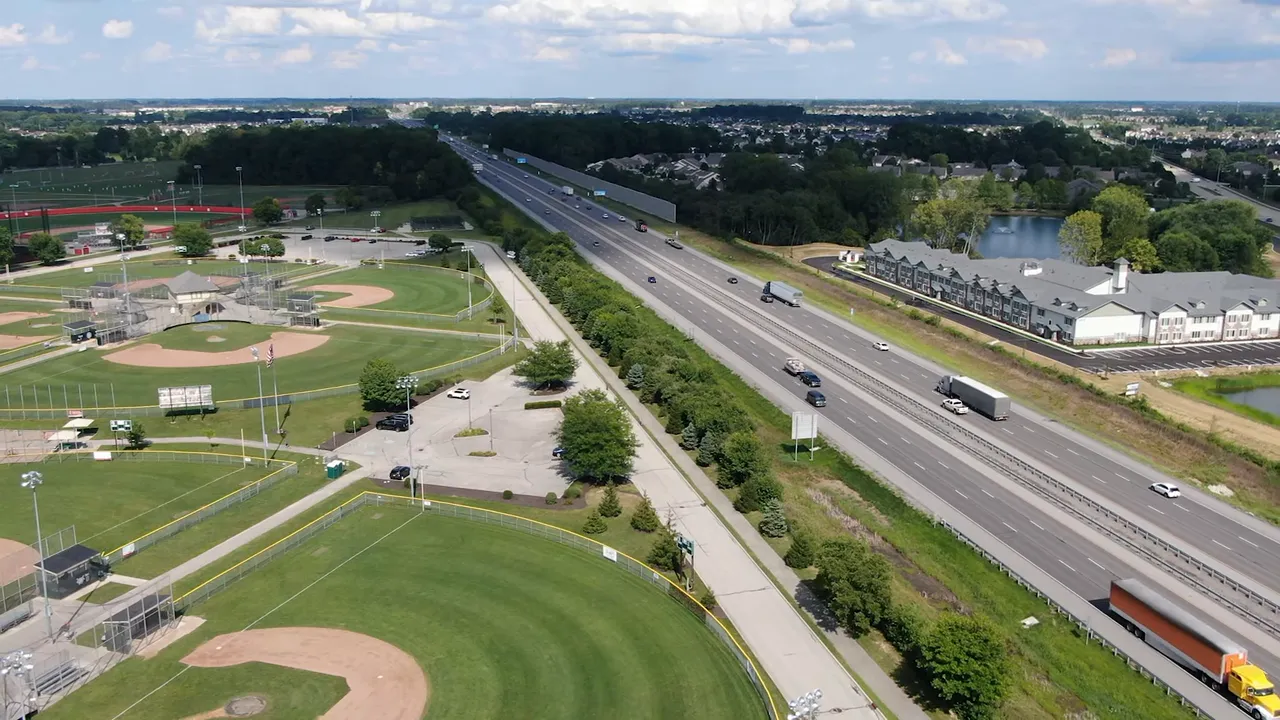
Choosing the best areas to live in Indianapolis means looking past price and square footage. The real advantage comes from understanding where growth is accelerating right now—before the rest of the market catches up. Below I break down five neighborhoods and suburbs that are pulling new residents, why they are growing, what that growth means for housing and daily life, and how to decide which one fits your goals. If you’re focused on living in Indianapolis for the long run, these are the places to watch.
EXPLORE HOMES FOR SALE IN INDIANAPOLIS CITIES & SUBURBS
Living in Fishers Indiana: A Mature Growth Engine
Fishers has been one of the fastest-growing cities in Indiana for more than a decade. Growth here is not a fad—it's sustained by jobs, infrastructure upgrades, and intentional planning. The city now has more than 100,000 residents and has shifted from a traditional bedroom suburb to a mixed-use, walkable community that attracts families and buyers relocating from high-cost coastal metros.
Why Fishers Is Growing
- I-69 Corridor: Faster access to major employment hubs in Fishers, Noblesville, and Indianapolis.
- Infrastructure investment: Road expansions and capacity improvements that support new neighborhoods.
- Mixed-use lifestyle: The Nickel Plate District is a great example—walkability, dining, and events make the city feel live-work-play.
- Education and safety: Top schools and stable neighborhoods attract families who plan to stay for a long time.
What It Means For Buyers
Fishers has absorbed significant new construction, particularly on the eastern side, and families love the modern designs, neighborhood amenities, and consistent layouts. Appreciation since 2020 has been strong but steady—driven by demand that’s likely to continue as the city fills out. If you want to be in one of the best areas to live in Indianapolis with a clear long-term plan, Fishers should be on your shortlist.
Living in Westfield Indiana: Northside Growth and New Construction
Westfield’s rise has been fueled by spillover from Fishers and deliberate planning. As buyers looked north for more space and newer homes at better value, Westfield picked up steady, planning-driven growth rather than hype-driven spikes.
Key Growth Drivers
- US 31 upgrades: Major improvements removed stoplights and made commuting significantly faster—96th Street to Westfield now feels much more connected to the metro.
- Grand Park: A national draw that brings millions of visitors for tournaments and events, increasing visibility and prompting infrastructure investment.
- Large master-planned communities: Strong pipeline of new construction and family-focused amenities such as parks and trails.
Buying Considerations
Many buyers begin their search in Fishers and end up in Westfield because it offers similar lifestyle benefits for a lower price and often more square footage. Westfield rewards quicker action—new inventory can move fast within months, and hesitation often means losing preferred options or paying more. For families prioritizing space, schools, and access to the northern part of the metro, Westfield ranks among the best areas to live in Indianapolis.
Living in Greenwood Indiana: Southside Value and Accessibility
Greenwood is a consistent growth area on the south side that often flies under the radar. It combines affordability with convenience and offers room to grow without paying Hamilton County prices. Builders know demand is real here, and steady construction continues to absorb buyers priced out of northern suburbs.
Why Greenwood Works
- Strategic location: Sits along I-65 and I-69, which makes commuting to multiple employment centers convenient.
- County Line Road Corridor: New development along this corridor adds retail, medical, logistics, and job access.
- Housing flexibility: Established neighborhoods and newer developments let you choose between character homes and modern layouts.
Who Greenwood Is For
Buyers who want more square footage for their budget—often at a lower price per square foot than northern suburbs—tend to favor Greenwood. If you prioritize value, commute flexibility, and options between existing homes and new construction, Greenwood deserves serious consideration among the best areas to live in Indianapolis.
Living in Brownsburg Indiana: Quiet Westside Growth
Brownsburg surprises many people. Growth here has been quieter than northern suburbs but very consistent. It attracts families who want a quieter suburban life, a bit more space, and reliable schools—without the high-profile flash of other fast-growing towns.
Where Brownsburg Shines
- West-side accessibility: Close to I-74 and other arterial routes that make logistics and commuting straightforward.
- Employment expansion: Distribution, manufacturing, and logistics employers have been expanding on the west side, adding job opportunities nearby.
- Balanced housing supply: Plenty of both existing homes and new construction neighborhoods that offer a range of budgets and styles.
Buyer Profile
Brownsburg is particularly attractive to families wanting a long-term home with lower density, more outdoor space, and community stability. Prices have risen, but compared to Hamilton County towns, Brownsburg remains more affordable—making it one of the practical picks for living in Indianapolis.
Living Near Downtown Indianapolis: Urban Growth by Neighborhood
Growth near downtown is driven by redevelopment, employment density, and lifestyle demand. But downtown is not one single market—micro markets matter. Picking the right pocket or building can make a huge long-term difference.
What To Know About Downtown Growth
- Redevelopment-led growth: New condos, townhomes, and mixed-use mid-rises are where most of the new urban inventory appears.
- Lifestyle buyers: People moving for culture, sports, dining, and walkability are the demand drivers here.
- Micro market importance: Performance varies block to block. Choosing the wrong pocket can lead to regret; choosing the right one can create lasting satisfaction and resale strength.
Practical Advice
If you want urban living, identify the specific district that matches your daily routine—whether that is walkability to events, proximity to employers, or building amenities. Treat downtown as multiple markets and match lifestyle to location; this approach often outperforms a blanket “I want to live downtown” decision.
Why Growth Timing Matters When Buying in Indianapolis
Timing the growth cycle in a neighborhood affects how fast prices appreciate, how competitive buyers become, and how easy it will be to resell later. Buying in an area before demand peaks usually means faster equity gains and better long-term outcomes.
How To Think About Timing
- Infrastructure signals: New highways, road upgrades, and public investments are early indicators of future demand.
- Employment and logistics: New employers, distribution centers, and healthcare or retail hubs indicate sustainable housing demand.
- Pipeline of inventory: Large master-planned communities suggest continued absorption; limited inventory against steady demand indicates upward pressure on prices.
- Lifestyle shifts: Walkable downtown pockets or mixed-use developments often attract younger professionals and long-term residents.
Most relocation regret comes not from the house itself but from misunderstanding how different areas grow and how that growth affects daily life and long-term equity. The smart move is aligning your budget and lifestyle needs with places where jobs and infrastructure point to sustained demand.
Relocating to Indianapolis: Practical Steps Before You Buy
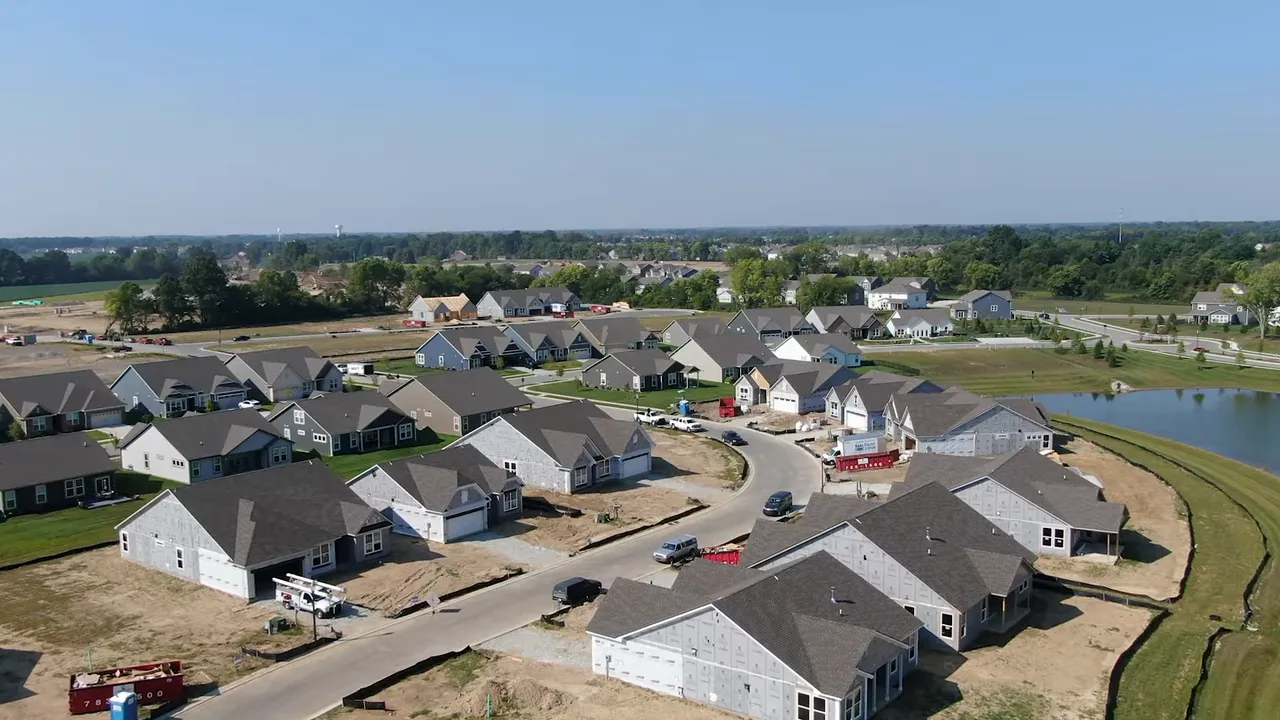
- List priorities: Schools, commute time, new vs established neighborhoods, and amenity preferences.
- Map commute and job access: Use major corridors like I-69, US 31, and I-65/I-69 intersections to see travel times.
- Compare value: Look at price per square foot and what that square footage buys in each suburb.
- Consider long-term fit: Are you planning to buy once and stay? That shifts preference toward stability and top-rated schools.
- Act when inventory aligns: In places like Westfield and Fishers, the best inventory moves quickly; hesitation can cost options or lead to higher prices.
EXPLORE HOMES FOR SALE IN INDIANAPOLIS CITIES & SUBURBS
FAQs About Living in Indianapolis
Which suburb is best for families who want new construction and modern amenities?
Fishers and Westfield are both excellent for families seeking new construction, neighborhood amenities, and strong schools. Fishers offers mixed-use urban pockets and a mature market; Westfield provides large master-planned communities and slightly lower price points in many cases.
Where can I get the most square footage for my money?
Greenwood and Brownsburg generally deliver more square footage for the dollar compared to northern Hamilton County suburbs. Greenwood often allows buyers to trade a shorter commute for increased home size and lower price per square foot.
Is downtown Indianapolis a good long-term investment?
Yes—if you pick the right pocket. Downtown is not a single market. Redevelopment and employment growth support strong demand in specific micro markets, especially for condos, townhomes, and mid-rises. Focus on location within downtown and building quality to reduce long-term risk.
How do I know when to act on a listing in these fast-growing areas?
Watch inventory levels and recent absorption in the specific neighborhood you like. If inventory is consistently low and new listings are being snapped up quickly, act sooner rather than later—especially in Westfield and Fishers where desirable new phases can move within months.
Which of these areas is most affordable overall?
Greenwood and Brownsburg tend to be more affordable overall than Fishers and Westfield, though affordability varies with specific neighborhoods and new construction tiers. Compare price per square foot and factor in commute and lifestyle trade-offs.
Final Thoughts on the Best Places to Live in Indianapolis
The best areas to live in Indianapolis are those where demand is driven by jobs, infrastructure, and real lifestyle shifts—not just speculation. Fishers, Westfield, Greenwood, Brownsburg, and select pockets around downtown each offer different blends of affordability, amenities, and growth potential. Match your priorities to the market signals and you’ll do more than buy a house—you’ll position yourself for long-term stability and equity.
If you want help narrowing these choices based on your budget, commute tolerance, and lifestyle goals, a targeted, neighborhood-first approach will save money and avoid common relocation mistakes. The right pocket matters.
Ready to narrow your search? Call or text me today at 317-932-8620 to schedule a free, no-pressure neighborhood strategy session.
READ MORE: Indianapolis Real Estate Market Trends: Buyer, Seller, and Investor Insights