Table of Contents
- Introduction
- Why People Choose to Stay in Indianapolis: Top Reasons to Relocate
- The Realities of Moving to Indianapolis: What Newcomers Don’t Expect
- Who Thrives in Indianapolis? The Best Fit for This Midwest City
- Who Struggles with Living in Indianapolis? Understanding the Challenges
- Final Verdict: Is Indianapolis the Right Place for You?
- Living in Indianapolis: Key Trade-Offs to Consider Before Moving
- The Rewards of Living in Indianapolis: What Makes It Special
- Practical Moving Tips for Relocating to Indianapolis: Your Essential Guide
- FAQs
- Final Thoughts
Introduction
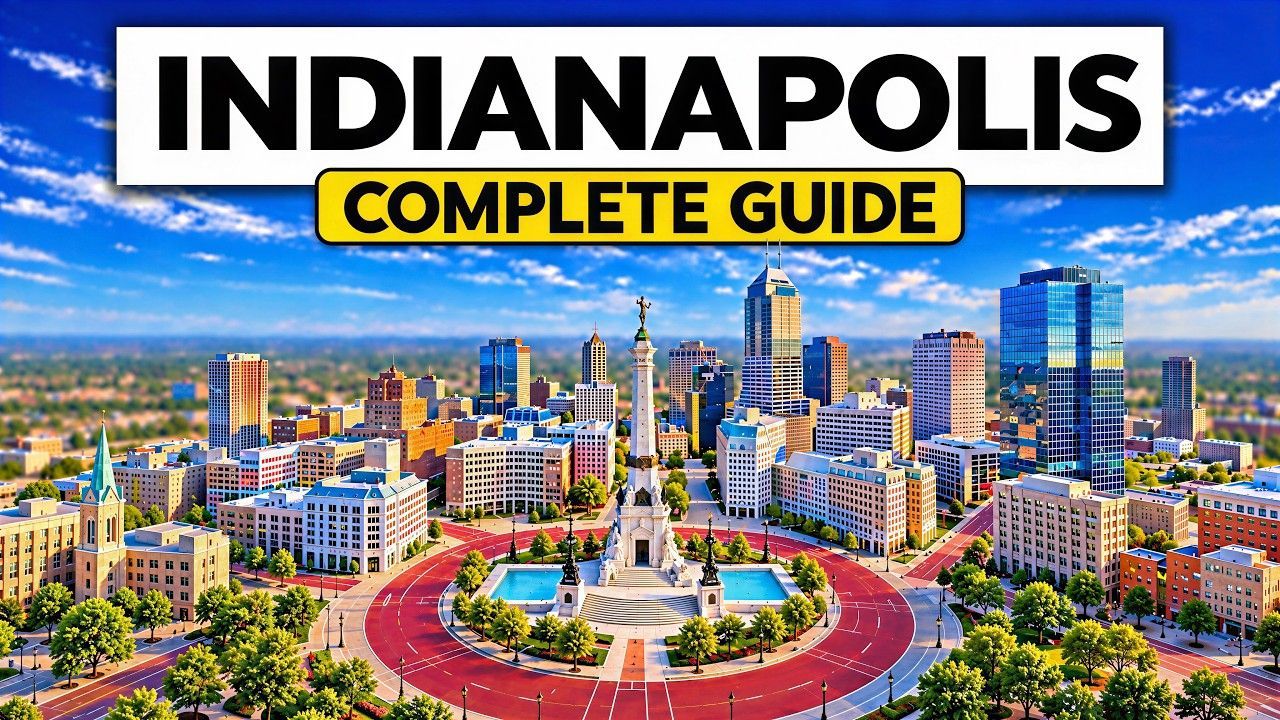
If you are thinking about living in Indianapolis, you deserve an honest look at what daily life really feels like beyond the glossy highlights. After living in central Indiana for nearly three decades, I can tell you the city quietly builds a life the way few places do: grounded, steady, and surprisingly rewarding. But it also has real tradeoffs—weather, infrastructure, and a slower cultural tempo—that matter depending on what you value.
EXPLORE HOMES FOR SALE IN INDIANAPOLIS CITIES & SUBURBS
Why People Choose to Stay in Indianapolis: Top Reasons to Relocate
For many, living in Indianapolis becomes less about destination status and more about rhythm. There is a calm Midwest cadence that shapes your day: shorter, more predictable commutes, quiet neighborhoods, and people who smile back in the grocery store line. That steadiness makes it easy to put down roots.
A few things stick out as reasons people settle here long term:
- Everyday livability — Mornings are rarely a mad dash. Routines feel unhurried and manageable.
- Distinct seasons — Spring blooms, long summer evenings, crisp fall, and cozy winters create a predictable annual rhythm.
- Suburbs with personality — Towns like Fishers, Carmel, Westfield, Zionsville, Greenwood, and Greenfield feel like small towns with big-metro conveniences.
- Access without overwhelm — Major concerts, sporting events, downtown dining, and a compact, easy-to-navigate airport are close, without the nonstop bustle of larger cities.
- Family-friendly stability — Yards, garages, basements, local schools, youth sports, and neighborhood traditions are all part of the fabric.
One practical tip: if you are planning a move, download a relocation guide or build a short list of suburbs to compare. Choosing where you live in the Indianapolis metro will determine if the daily rhythm matches what you want.
The Realities of Moving to Indianapolis: What Newcomers Don’t Expect
The sunny highlights are easy to love. The less obvious realities can be the ones that derail a move if you are not prepared. These are the things most newcomers underestimate when considering living in Indianapolis.
Weather and the winter rhythm
Winters are real here. We do not get daily blizzards, but long stretches of gray and cold are common. Snow tends to come in bursts—roughly a little over 20 inches annually—followed by thaw and refreeze cycles that create icy mornings and potholes come spring.
That gray can affect mood and outdoor habits more than people expect. Locals adapt by building indoor routines: coffee shops, gyms, neighborhood get-togethers, and planning occasional winter escapes. Embracing slower evenings, earlier bedtimes, and indoor community life is a useful mindset shift.
Roads, construction, and commute planning
Roadwork is a constant reality. Interstates like I-465, I-65, and I-69 frequently undergo long-term improvement projects to handle growth. Construction affects travel time unpredictably, so locals often check GPS and choose alternate backroad routes when needed. If you commute, prioritize neighborhoods based on commute patterns as much as price.
Transit and walkability are patchy
Indianapolis is car dependent. There is a bus system, but it is limited—especially in suburban areas where service is virtually nonexistent. There are very walkable pockets—parts of Carmel, Broad Ripple, and selected Indianapolis neighborhoods—but much of the metro requires a vehicle for everyday errands.
Cost of living: affordable but rising in hot suburbs
Compared to major metros, living in Indianapolis still offers notable value: more square footage, yards, basements, and garages for the same price you might pay for much less elsewhere. But pockets like Carmel and Fishers have seen price growth. Property taxes can vary by county and city and may surprise newcomers, so factor these into long-term budgets.
Cultural adjustment: steady instead of flashy
The Midwest personality is practical, friendly, and polite. If you crave constant novelty and high-energy nightlife, the day-to-day tempo here may feel slow. The flip side is meaningful community—backyard barbecues, farmers markets, youth sports, and neighborhood block parties—that reward people who invest locally.
Who Thrives in Indianapolis? The Best Fit for This Midwest City
Certain personalities and life stages align especially well with living in Indianapolis. If your priorities fit any of the categories below, the metro will likely exceed expectations.
- People who value calm and community — Those who prefer steadiness over spectacle. You will find neighbors who wave, stable routines, and a sense of belonging.
- Families seeking space and strong schools — Suburbs like Carmel, Fishers, Westfield, Zionsville, Brownsburg, Avon, Plainfield, and Greenwood offer excellent schools, safe neighborhoods, youth sports, and yards where kids can roam.
- Season lovers — If you enjoy spring blooms, long summer evenings, football-filled autumn, and cozy winters, the seasons become part of the lifestyle rather than an inconvenience.
- Remote workers and people seeking balance — Lower stress, shorter commutes, and affordable homes make it easier to allocate time to family, hobbies, and health without fearing you are falling behind.
Who Struggles with Living in Indianapolis? Understanding the Challenges
Not everyone finds this metro a natural fit. Here are the groups who commonly struggle with life in Indianapolis.
- Sun-seekers — If you thrive on year-round sunshine and minimal gray, the long Midwest winters can be heavy.
- Fast-paced nightlife seekers — While there is nightlife, dining, and major events, the daily tempo is calmer than dense urban cores. Those who need constant stimulation may find Indianapolis too quiet.
- People intolerant of infrastructure hiccups — Construction, potholes, and roadwork are part of life here. If you’re used to minimal congestion or no road projects, this can be frustrating.
- High-adrenaline, status-driven personalities — The cultural personality leans humble and practical, not flashy. If image and trendiness drive you, the Midwest vibe may feel off.
Final Verdict: Is Indianapolis the Right Place for You?
My family and I chose to stay. After living here since the late 1990s, I have watched the region grow and adapt while keeping what matters: enough. If you value authenticity over constant stimulation, living in Indianapolis gives you space to build something steady and human.
Ask yourself these questions before choosing a home in the metro:
- Do you embrace four seasons and the rhythms they bring?
- Are you comfortable depending on a car for most errands?
- Is community, schools, and stability more important than nonstop nightlife?
- Do you accept the tradeoffs—weather and construction—for affordability and space?
Living in Indianapolis: Key Trade-Offs to Consider Before Moving
No place is perfect. Here are the core tradeoffs to weigh when thinking about living in Indianapolis.
- Weather vs seasonal life — Long winters and gray skies, balanced by vibrant springs, golden summers, and colorful falls.
- Infrastructure vs growth — Roadwork and potholes are symptoms of development and population growth; they come with improved roads over time.
- Car dependence vs convenience — You get easy access to parks, trails, and a simple airport, but transit options are limited outside pockets of walkability.
- Affordability vs rising suburb costs — Overall value is strong, though popular suburbs have seen price increases and property tax variability.
The Rewards of Living in Indianapolis: What Makes It Special
The rewards of living in Indianapolis often outweigh the inconveniences for many people. Here is what you can expect:
- Space to grow — Larger homes and yards at reasonable prices make it easier to start and raise a family.
- Community and belonging — Neighbors, local events, youth sports, and neighborhood traditions create real social capital.
- Access to amenities — Major events, good restaurants, and a clean, easy airport are nearby without the chaos of a major metro.
- Quality schools in many suburbs — Numerous towns around the city offer strong school systems and family-centered programming.
Practical Moving Tips for Relocating to Indianapolis: Your Essential Guide
If you are narrowing down locations, do more than tour the highlights. Routine matters more than splashy attractions.
- Drive rush hour — See what commutes feel like before you sign anything.
- Visit grocery stores and parks — Where you shop and how long it takes matters every week.
- Walk neighborhoods — Even in suburbs, check sidewalks, nearby parks, and whether you can safely walk or bike.
- Compare property taxes — Taxes vary by county and city; factor them into monthly housing costs.
EXPLORE HOMES FOR SALE IN INDIANAPOLIS CITIES & SUBURBS
FAQs
Is Indianapolis a good place to raise a family?
Yes. Many suburbs around Indianapolis offer strong schools, safe neighborhoods, youth sports, parks, and community events that create a supportive environment for children.
How bad are winters in Indianapolis?
Winters are cold and often gray, with snow coming in bursts. The freeze-thaw cycle and shorter daylight can affect mood and outdoor routines, but locals adapt with indoor activities and seasonal traditions.
Can I live here without a car?
It depends on where you live. Some neighborhoods and suburbs offer walkability, but much of the metro is car dependent. If you rely on transit, choose a walkable pocket or plan for a car.
Is living in Indianapolis affordable?
Generally yes. Housing provides more space for your money compared to larger metros, though prices in popular suburbs have risen and property tax differences can affect overall affordability.
What neighborhoods should I consider?
Popular family-friendly suburbs include Carmel, Fishers, Westfield, Zionsville, Brownsburg, Avon, Plainfield, Greenwood, and Greenfield. Each offers a slightly different mix of schools, commute times, and local culture.
Final Thoughts
Living in Indianapolis is a choice about lifestyle more than a bet on nonstop excitement. If you value authenticity, community, and room to grow, this region has a lot to offer. If you prioritize constant urban intensity and year-round sunshine, you may want to look elsewhere. Either way, spend time in the neighborhoods, try daily rhythms, and weigh the tradeoffs honestly—that will tell you if this place will feel like home.
If you want more localized comparisons between suburbs or help thinking through commute tradeoffs and school districts, reach out and ask for a tailored relocation guide. The right neighborhood makes all the difference.
Ready to get started? Call or text us at 317-932-8620 to request your free, personalized relocation guide.
READ MORE: Mistakes People Make When Moving to Indianapolis (And How to Avoid Them)