The Indianapolis real estate market is not collapsing in dramatic fashion. Instead, it is quietly shifting into a mode that creates more long-term pain than a sudden drop in prices would. Rather than watching values tumble, many homeowners and buyers are facing a slow-moving affordability crisis that chips away at flexibility, equity growth, and options.
Table of Contents
- Introduction
- Affordability is breaking down
- Aging housing stock problem
- Investors
- True Cost of Owning a Home
- Uneven Population Growth
- What this means if you want to buy or sell
- How to think about risk versus opportunity
- Neighborhood checklist before you buy
- Final thoughts
- FAQs
Introduction
On the surface, the Indianapolis real estate market looks stable: prices are not plunging. That stability can feel reassuring, but it masks a different problem. Home prices are essentially stalled — trading significant year-over-year appreciation for a narrow, almost flat range. When appreciation stalls, equity builds at a crawl, and the options that come from owning a home — moving, upgrading, or cashing out — become harder to execute.
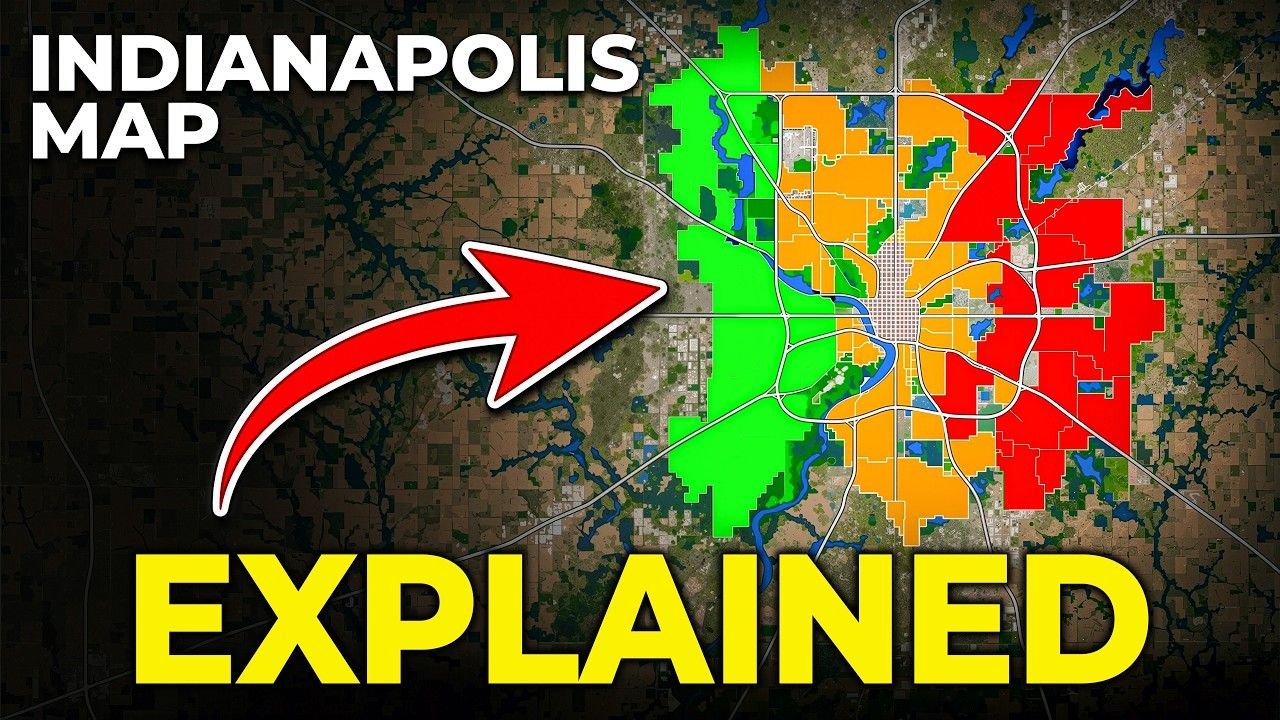
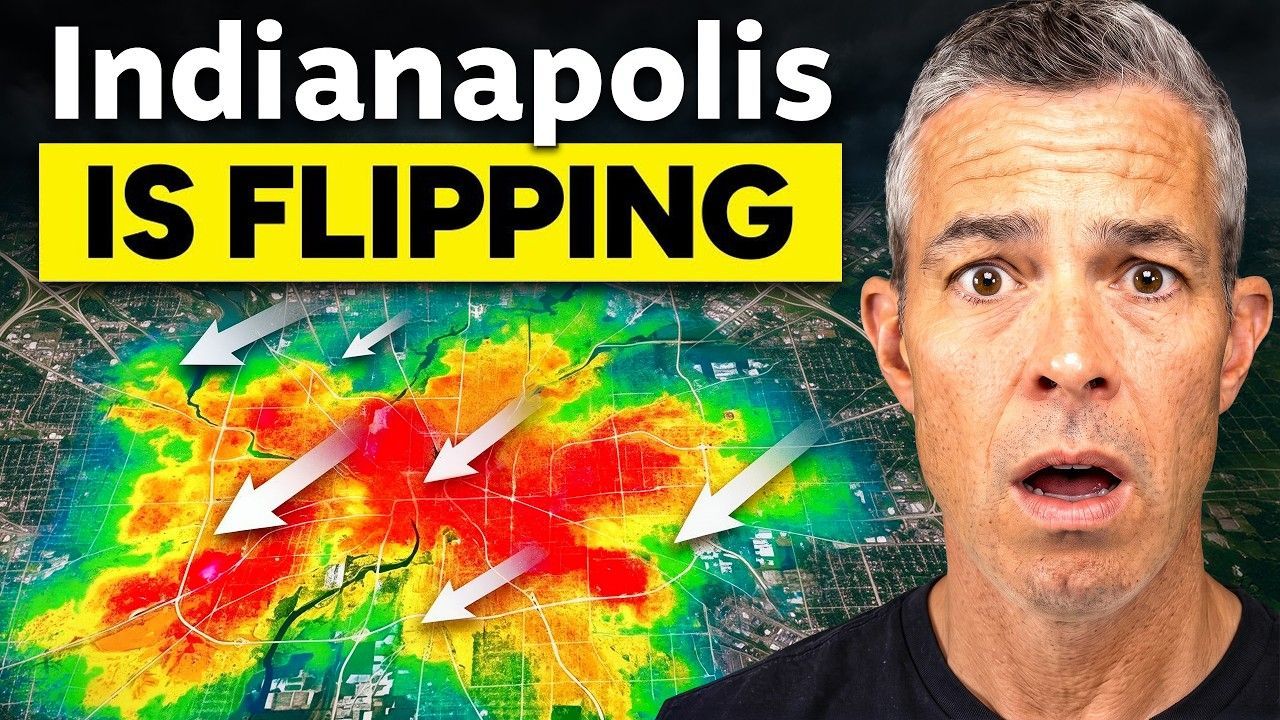
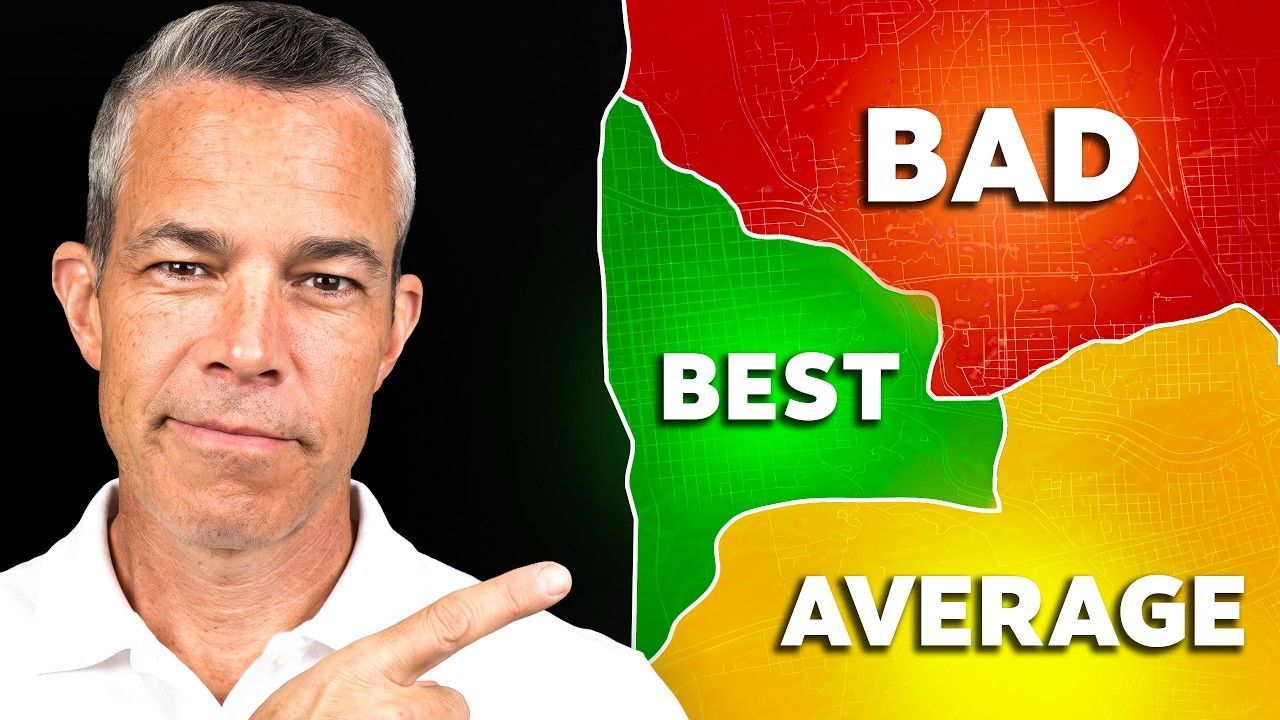
This stall is not uniform across the metro. The market is splitting into two distinct tracks. The high-demand suburbs in Hamilton County — think Carmel, Fishers, and Westfield — continue to see tight inventory and competitive bidding. In those markets, prices remain strong and even creep upward.
Meanwhile, many neighborhoods inside Marion County are showing growing inventory and softer demand. More listings, less urgency from buyers, and longer days on market create resistance to price movement. The result is a widening gap across the Indianapolis real estate market where some areas continue to thrive and others slowly stagnate.
A stall is more dangerous than a sharp crash in one key way: a crash creates a reset and clear entry points for buyers. A stall creates uncertainty. Sellers hesitate because they do not want to give up low-rate mortgages and buyers remain frozen by affordability pain. That limbo can persist for years.
SEARCH FOR HOMES ACROSS GREATER INDIANAPOLIS
Affordability is breaking down
Affordability is the real crisis unfolding across the Indianapolis real estate market. Even with flat prices, the monthly cost of ownership has jumped sharply because mortgage rates have risen. A payment that was $1,600 per month in 2021 can easily be over $2,000 today for the same house. That payment shock is the reason many buyers feel priced out even when listing prices do not change.
Many current homeowners are sitting on mortgage rates of 3 percent or less. Selling a home and buying another at current rates often means a materially higher monthly payment, which makes relocating or upgrading irrational for a lot of families. The mortgage-rate gap freezes the market.
On top of rates, the cost-of-living differences between neighborhoods magnify the problem. Hamilton County communities offer top-rated schools and amenities but carry a higher payment burden. Parts of Marion County may appear more affordable up front, yet they can come with higher taxes, older homes in need of repair, or rising insurance costs that erode affordability over the long term.
The net effect is a squeeze: prices remain high enough to hurt, while monthly carrying costs climb. No quick reset appears likely, and the strain can last for years.
Aging housing stock problem
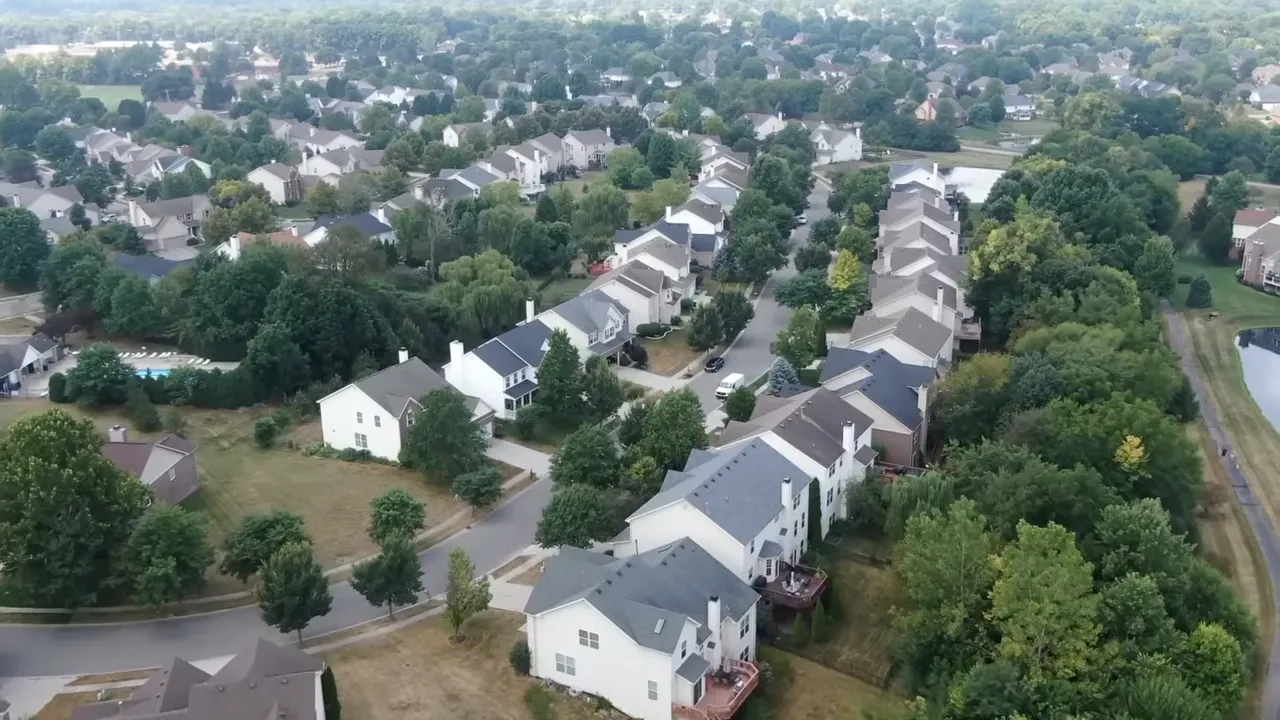
A large portion of housing inside the Indianapolis real estate market is aging. Many homes were built between the 1950s and 1980s. At scale, that means roofs, HVAC systems, plumbing, windows, and electrical systems are approaching or hitting replacement age.
Renovation costs have not been kind either. Labor and materials have surged over the last four years. What once might have been a $20,000 repair can now be $35,000 or more. When major systems begin failing simultaneously across a neighborhood, homeowners face waves of costly repairs. Sellers who cannot or will not invest in updates list homes with deferred maintenance, and buyers often walk away or demand steep discounts.
That uneven renovation cycle fragments neighborhood values. One block gets updated and lifts in value; the next block suffers from neglect and slips. Over time, this creates unpredictable resale performance and traps some homeowners in slower-growing pockets of the Indianapolis real estate market.
Investors
Investors are reshaping parts of the Indianapolis real estate market quietly and deliberately. Institutional and local investors target older, lower-priced homes in neighborhoods where conversions to rentals are straightforward. Areas near downtown — Irvington, Fountain Square, Garfield Park, and parts of the east and south sides — have seen sizeable investor activity.
When investors buy homes, especially in bulk, they reduce owner-occupancy rates and outbid many first-time buyers. A growing portfolio of single-family rentals changes the character of a block: fewer long-term homeowners, higher turnover, and a different neighborhood feel. That change pushes rents higher and shrinks the pool of homes available for people trying to start building equity.
A notable trend is renovation-to-rent. Instead of flipping and reselling, many investors renovate older homes and hold them as long-term rentals. These renovated rentals sometimes look like the ideal home on the surface, but they are not returning to the owner-occupied inventory. That strategy keeps available starter homes artificially scarce and further pressures affordability in the Indianapolis real estate market.
True Cost of Owning a Home
Many buyers budget only for principal and interest. That underestimates the true cost of homeownership across the Indianapolis real estate market. Property taxes have risen unevenly across neighborhoods. Local assessments and budget pressures have pushed taxes up in several pockets of Marion County, and suburban counties started from higher baselines that are also climbing.
Insurance premiums are rising too. While Indiana has not experienced the extreme insurance shocks of some coastal states, underwriter pressure, weather-related claims, and the age of the housing stock are all contributing to higher premiums. Maintenance costs are also up. Regular servicing, painting, and minor replacements cost more, and homeowners are often surprised by these increases after close.
All this means that even if sale prices remain flat, monthly affordability declines over time. Taxes, insurance, and maintenance can rise faster than household incomes, forcing some homeowners to move unexpectedly and preventing others from moving at all.
Uneven Population Growth
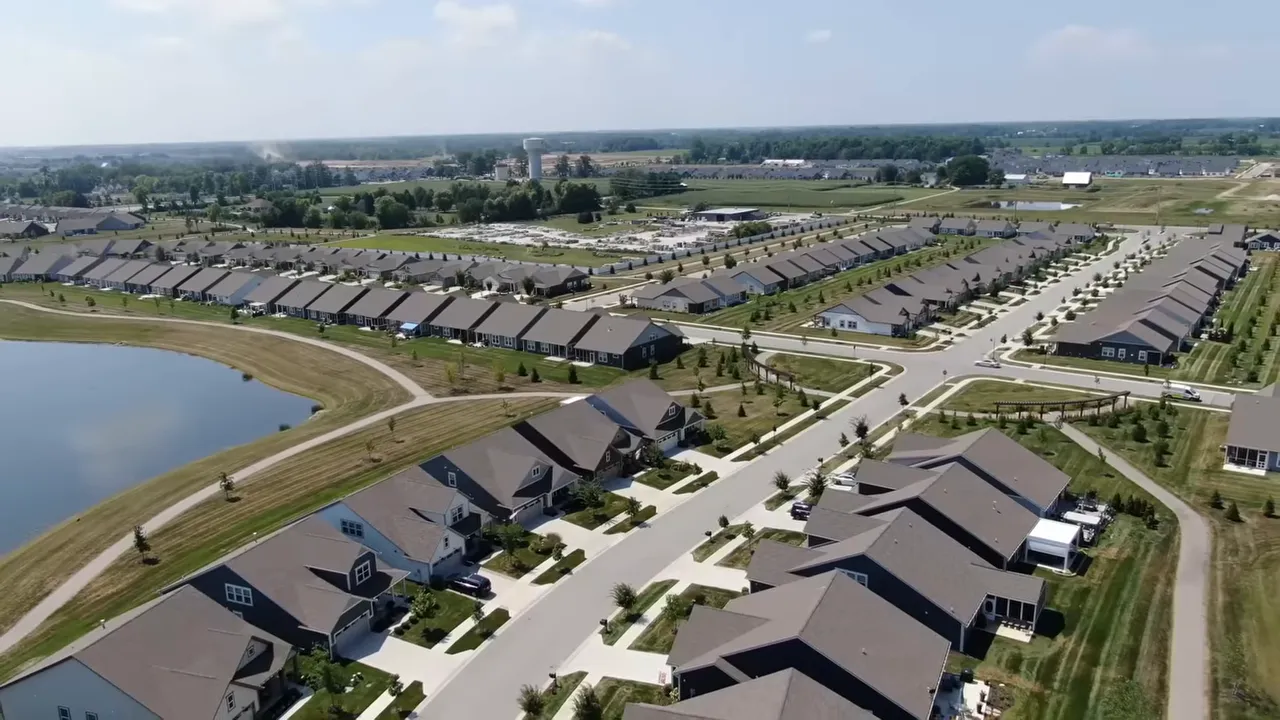
Population dynamics are creating winners and losers inside the Indianapolis real estate market. Suburbs with strong schools, new development, and steady job growth — especially in Hamilton County and growing communities like Westfield, Fishers, and Carmel — continue to draw families and investment. Demand in these suburbs frequently outstrips supply, keeping prices and competition elevated.
Meanwhile, many neighborhoods inside Marion County are seeing slower population growth or even decline. That softening demand leads to longer days on market, weaker appreciation, and inconsistent resale values. The divide between high-demand suburbs and softer urban corridors deepens over time.
Builders are not solving the problem evenly. New construction tends to skew toward larger, amenity-rich homes that start well above the price point for first-time buyers. The cost of land, materials, and labor makes true entry-level new construction rare. As a result, supply growth amplifies the divide: booming suburbs receive new product and amenities, while many urban neighborhoods remain constrained by limited new construction and slower investment.
The overall effect is clear: the Indianapolis real estate market is fragmenting into fast-growing and slow-growing submarkets. There is no broad, uniform reset in prices to restore affordability. Instead, affordability erodes in place.
What this means if you want to buy or sell
The market you are navigating is not dramatic. It is complicated and slow moving. That means strategy matters more than ever. Here are practical steps to consider:
- Match neighborhoods to your goals. Understand which pockets are appreciating and which are stagnating. Don’t assume all affordable areas will perform the same over time.
- Model the real monthly costs. Run budgets that include taxes, insurance, maintenance, and potential repairs. Use conservative estimates for increases in taxes and insurance.
- Get a thorough inspection. With an aging housing stock, inspections are critical. Know the likely repair timeline and cost before committing.
- Consider financing strategies. If you are a current homeowner with a low-rate mortgage, explore bridge loans, rate buydowns, or leasing to bridge a move rather than taking an immediate rate shock.
- Work with a local advisor who tracks submarket trends. Neighborhood-level insight matters far more than a general market headline. Look for someone who monitors inventory, investor activity, and renovation patterns street by street.
- For investors: be mindful of community impacts. If your strategy involves turning homes into rentals, consider long-term neighborhood health and tenant demand to protect your investment while preserving options for owner-occupants.
These steps won't eliminate the structural pressures, but they will reduce the chance of being surprised and help you make decisions that support long-term wealth building in the Indianapolis real estate market.
How to think about risk versus opportunity
Many people assume a crash is the worst thing that can happen. In this context, the slow-burning affordability decline and uneven neighborhood performance are more dangerous because they are less visible and harder to plan for.
A crash is painful but creates immediate buying opportunities. The current path offers no reset. Instead, it compounds over years: rising carrying costs, aging inventory, investor-driven supply shifts, and selective new construction. Homeowners in slow-growth pockets can find themselves trapped with limited equity growth and very few attractive options.
Opportunity still exists, but it is tactical. Look for neighborhoods with clear signs of investment, infrastructure improvements, and sustained demand. If you are buying, focus on total cost of ownership and resale drivers. If you are selling, be realistic about condition and where value is concentrated.
Neighborhood checklist before you buy
- Inventory trends: Are listings growing or shrinking? Increasing inventory usually signals softening demand.
- Owner-occupancy rate: High investor concentration can indicate future rent pressure and fewer owner-occupied buyers.
- School and amenity trajectory: Schools and amenities drive family demand — check recent investments and planned projects.
- Renovation profile: Are homes being updated on the block, or is deferred maintenance common?
- Tax and insurance history: Research recent assessment increases and insurance rate changes for the neighborhood.
Final thoughts
The Indianapolis real estate market is entering a period where slow-moving structural forces will shape outcomes more than headline price swings. Affordability pressures, an aging housing stock, investor buying patterns, uneven population shifts, and an imbalanced new-construction pipeline are combining to create a landscape that requires local knowledge and deliberate planning.
If you are planning to buy, sell, or simply prepare for the future, focus on the neighborhood-level details and total ownership costs. Strategies that worked in a fast-appreciating market need rethinking in an environment where equity growth slows and monthly burdens rise.
SEARCH FOR HOMES ACROSS GREATER INDIANAPOLIS
FAQs
Is the Indianapolis real estate market crashing?
No. The market is not experiencing a dramatic crash. Prices are largely stable in aggregate, but the market is stalling in different ways across neighborhoods.
Why does affordability feel worse even if prices are flat?
Higher mortgage rates, rising taxes, increasing insurance premiums, and elevated maintenance and renovation costs raise monthly ownership expenses, making homes less affordable even when sale prices do not fall.
Which neighborhoods are most affected by investor activity?
Older, lower-priced neighborhoods near downtown and certain east and south side corridors have seen higher investor concentrations. Areas like Irvington, Fountain Square, and Garfield Park have experienced meaningful investor buying and renovation-to-rent activity.
How can buyers protect themselves in this market?
Budget for total ownership costs, get detailed inspections, research neighborhood-level trends, and work with advisors who track inventory and investor activity. Consider financing options and contingency plans for future tax or insurance increases.
Are builders solving the entry-level housing shortage?
Not effectively. New construction tends to prioritize larger, higher-priced homes. Rising land, material, and labor costs make true entry-level new builds rare, which exacerbates the divide in the Indianapolis real estate market.
READ MORE: Practical Guide on How to Choose the Best Home Builders in Indianapolis