Table of Contents
- Introduction
- Thing #1: Affordable Living in Indianapolis
- Thing #2: Indianapolis Weather – Four Distinct Seasons
- Thing #3: Choosing the Right Neighborhood in Indianapolis
- Thing #4: Traffic and Commute in Indianapolis
- Thing #5: Job Opportunities and Economic Stability in Indianapolis
- Thing #6: Quality of Schools in Indianapolis
- Thing #7: Exploring Downtown Indianapolis
- Thing #8: Crime and Safety in Indianapolis
- Thing #9: Understanding Property Taxes, Insurance, and Utilities in Indianapolis
- Thing #10: Indianapolis Real Estate Market: Stability and Growth
- Practical Checklist Before You Make an Offer in Indianapolis
- Conclusion: Why Moving to Indianapolis Could Be Right for You
- FAQs
Introduction
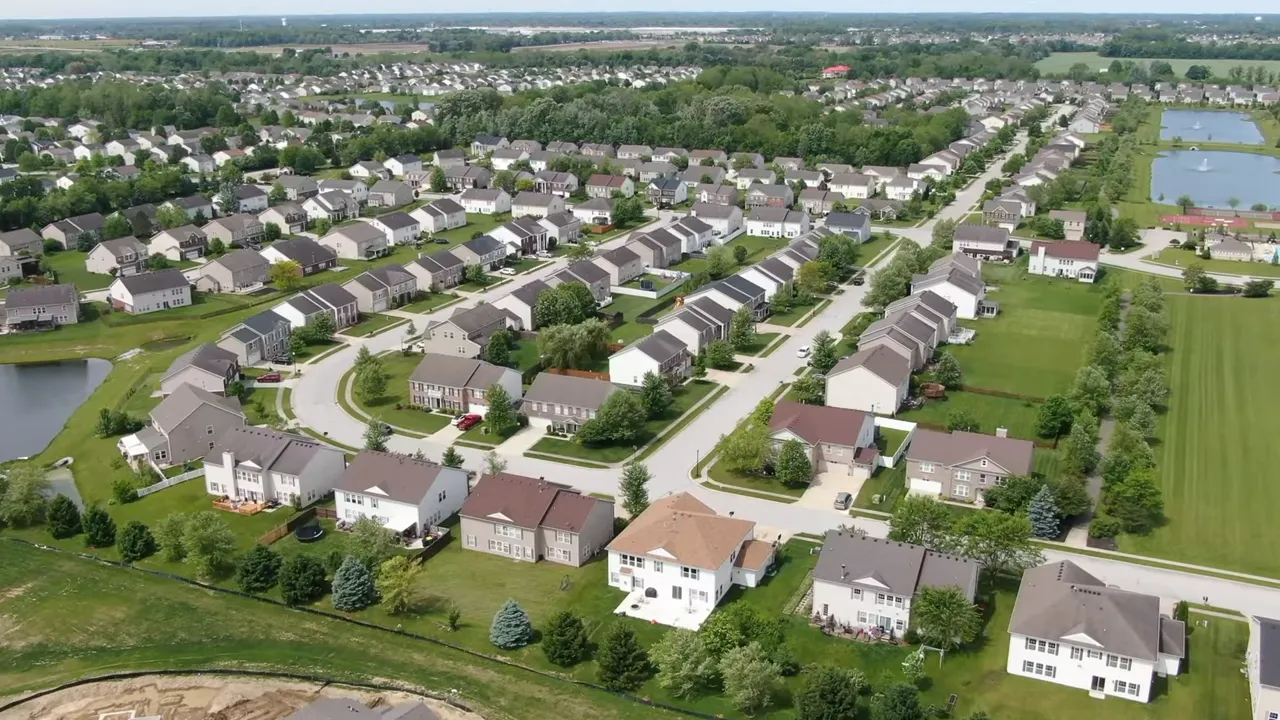
When you are researching things to know before moving to Indianapolis, it helps to get a practical, neighborhood-by-neighborhood look at what life really feels like here. Indianapolis offers a strong combination of affordability, job stability, and Midwestern charm, but there are trade-offs that matter depending on your priorities. Below are the ten most important realities that will shape your experience, with concrete numbers, neighborhood differences, and practical advice so you can make a confident move.
SEARCH FOR HOMES ACROSS GREATER INDIANAPOLIS
Thing #1: Affordable Living in Indianapolis
Affordability is a real advantage — but it is changing. The metro remains cheaper than most coastal cities, and you generally get more house for your money. As of late 2025, the median within Indianapolis proper is around $248,000, while the entire metro sits near $320,000. That gap matters: suburbs like Carmel, Fishers, and Zionsville push median prices into the $450,000 to $650,000 range, while quieter or less-known suburbs often sit lower.
Renters can still find bargains — low-to-mid 1400s for some apartments — but walkable neighborhoods and in-demand areas can push rent over $2,000 per month. Groceries, utilities, and transportation costs across the metro are generally average to a touch below average, but rising demand is nudging prices up. If one of your primary things to know before moving to Indianapolis is how far your budget stretches, factor in where in the metro you plan to live before declaring how affordable everything will be.
VIEW HOMES FOR SALE IN CARMEL, IN
Thing #2: Indianapolis Weather – Four Distinct Seasons
The weather delivers four distinct seasons — and they are not subtle. Summers can be hot and humid, roughing into the 90s with a heavy heat index. Winters are cold and often wet more than snowy. Expect about 20 inches of snow per year on average, but much of winter is bare, gray, and damp rather than picture-perfect snow days.
Spring can swing wildly from warm to cold in short stretches, and fall is short but exceptional — a reason many people fall for the area on a first visit, only to be surprised later by extremes. Tornadoes do occur in Indiana (roughly twenty-plus per year statewide), but most hit rural areas. More common threats to property are thunderstorms, hail, and straight-line winds, which are the typical insurance concerns.
VIEW HOMES FOR SALE IN FISHERS, IN
Thing #3: Choosing the Right Neighborhood in Indianapolis
Every suburb has its own identity — your lifestyle decides the right one. The Indianapolis metro is a web of unique towns and cities, each with a distinct pace, amenities, and price point.
- Carmel: Master planned, top infrastructure, roundabouts, award-winning schools, median roughly $550,000.
- Fishers: Fast growing, family focused, lots of parks, median around $475,000.
- Zionsville: Quaint downtown with brick streets and boutiques, quieter and pricier — median near $610,000.
- Westfield: New construction hotspot, youth sports focus, dramatic growth over two decades, median about $440,000.
- Plainfield, Avon, Brownsburg: Often more affordable options ranging roughly $340,000 to $390,000, with strong schools and convenient airport access.
Choosing the best suburb comes down to commute preferences, family needs, and budget. If you value walkable downtowns and boutique shopping, one town will be best. If you want new construction, sports fields, and growing schools, another will fit. One practical resource is a relocation guide that lays out the differences across suburbs so you can narrow options without trying to tour every single town at once.
VIEW HOMES FOR SALE IN ZIONSVILLE, IN
Thing #4: Traffic and Commute in Indianapolis
Traffic is manageable today but increasing with growth. For a 2.1 million person metro, daily driving is surprisingly comfortable overall. You can generally traverse east to west across the city in under an hour; that same drive often takes about 45 minutes off-peak. That said, there are hot spots to watch during rush hour.
Major slowdowns tend to happen where big arteries converge: I-69, State Road 37, and around I-465 are common pinch points. Neighborhoods that have gotten denser like Carmel and Fishers also see more internal traffic. Public transit remains limited; bus service exists in the core but rarely extends to the suburbs. Plan to rely on a car unless you intend to live very close to downtown.
VIEW HOMES FOR SALE IN WESTFIELD, IN
Thing #5: Job Opportunities and Economic Stability in Indianapolis
Jobs are diverse and the economy is balanced. One of the biggest strengths of the region is a balanced job market that does not hinge on a single industry. Major employers span healthcare, pharmaceuticals, insurance, manufacturing, technology, and logistics.
Examples include large healthcare organizations, research and development companies, insurance firms, and manufacturers. Indianapolis’s central location and a capable international airport help the logistics and distribution sector. Unemployment typically runs below the national average, and the state environment supports business growth, making the labor market stable for both large employers and small business ventures.
VIEW HOMES FOR SALE IN PLAINFIELD, IN
Thing #6: Quality of Schools in Indianapolis
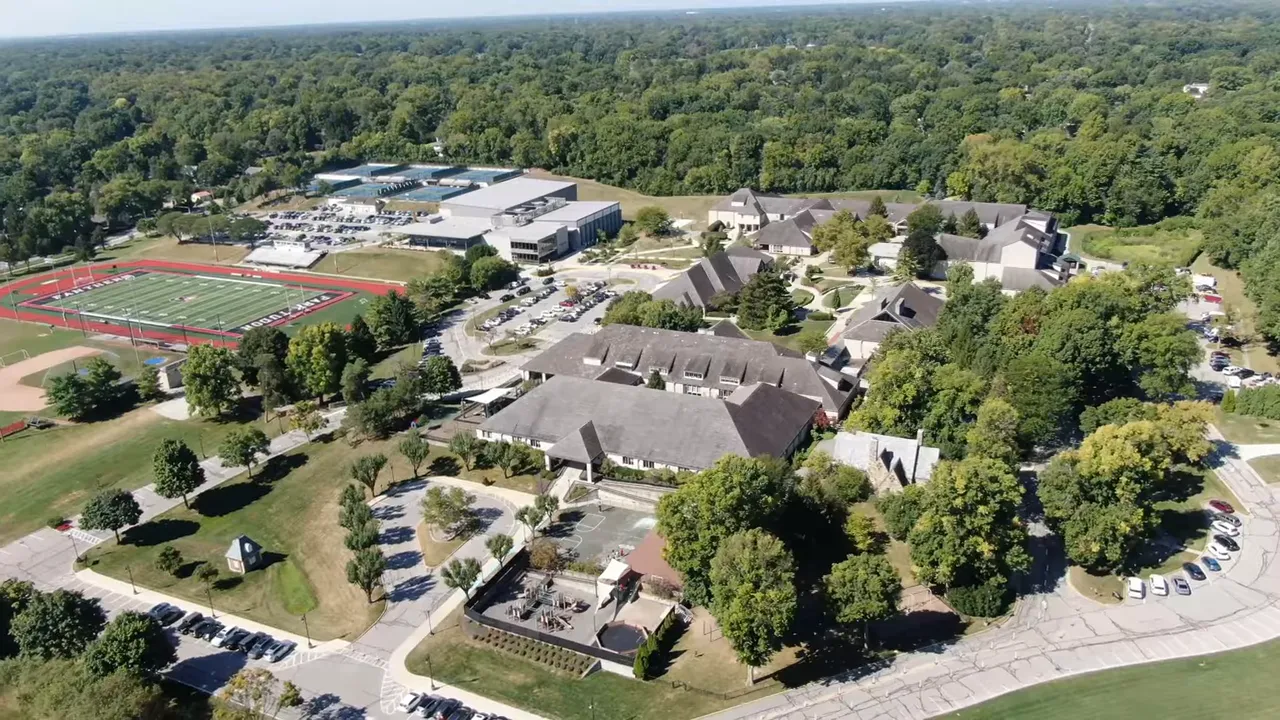
School quality varies block by block — research before you buy. Public school ratings drive a lot of real estate decisions here. Towns like Carmel, Zionsville, and Westfield consistently rank highly, and many surrounding districts are strong as well. Indianapolis public schools have a mixed reputation overall, and performance can vary substantially across districts and individual campuses.
There are also well-regarded magnet and charter schools and a range of private religious schools. Tuition and availability vary widely. Always verify the exact school boundaries for a specific address before making an offer; districts and attendance zones can change the home’s appeal and long-term value.
VIEW HOMES FOR SALE IN AVON, IN
Thing #7: Exploring Downtown Indianapolis
Downtown is evolving — more energy, more mixed use, easier parking than you might expect. The downtown core has seen significant revitalization with mixed-use projects, new apartments, boutique hotels, and renovated districts.
Places like Fountain Square and the Bottleworks District are examples of that energy. Parking in many central locations is still easier than in larger coastal cities, and many venues are close enough to each other to park once and walk to several events in the same trip. Expect more development in coming years as the area continues to modernize.
VIEW HOMES FOR SALE IN BROWNSBURG, IN
Thing #8: Crime and Safety in Indianapolis
Crime patterns are localized — neighborhood knowledge matters. Crime rates differ substantially between downtown, county, and the suburbs. Downtown behaves like many other American downtowns: relatively safe during normal hours with sensible precautions, but with higher property and violent crime pockets in certain neighborhoods.
Suburbs like Carmel, Fishers, and Brownsburg report very low crime rates. To evaluate safety, use detailed local tools and crime maps to check micro-level trends for the exact blocks you are considering. Partnering with an advisor who understands micro markets can help you avoid surprises and make a location choice that aligns with your comfort level.
Thing #9: Understanding Property Taxes, Insurance, and Utilities in Indianapolis
Taxes, insurance, and utilities add up — know the details. Indiana’s property tax system caps a primary residence at about 1 percent of assessed value in many counties, though you may see small county-to-county variation. Marion County often runs near 1.1 percent. Indiana also has a flat income tax rate of 3.05 percent, which is comparatively low among states that levy income tax.
Insurance is generally more affordable than in many coastal or disaster-prone regions, though storm-related damage — especially hail — is a frequent source of claims. Utility bills swing seasonally: electric bills climb in the summer for AC, and gas bills rise in winter if you use gas heat. Older or poorly insulated homes will show larger spikes.
Thing #10: Indianapolis Real Estate Market: Stability and Growth
Real estate here favors stability and long-term growth over quick flips. The Indianapolis market is known for steadiness. Annual appreciation often sits in the low to mid single digits in normal years. That makes the market appealing for long-term investors and homeowners who value predictability over volatile speculation.
Certain suburbs are in more rapid growth phases — Westfield, Brownsburg, Fishers, McCordsville, and Whitestown among them — and can offer stronger long-term upside if you buy early in developing corridors. If your goal is short-term flipping for quick gains, expect fewer dramatic jumps than in highly volatile coastal markets. For most buyers, the value here is long-term peace of mind, predictable cash flow, and strong livability.
Practical Checklist Before You Make an Offer in Indianapolis
- Confirm the school boundary for the property address.
- Check micro-level crime maps rather than relying on county-level summaries.
- Estimate commute times at rush hour by driving the route or using real-time traffic tools.
- Review utility and insurance history for the home, especially roof and storm damage claims.
- Compare suburb amenities to your priorities: parks, walkability, new construction, or quieter downtowns.
Conclusion: Why Moving to Indianapolis Could Be Right for You
The most important things to know before moving to Indianapolis come down to priorities: whether affordability, neighborhood identity, school quality, or commute time matters most to you. Indianapolis delivers a lot — stable jobs, reasonable costs, authentic neighborhoods, and predictable real estate — but it is not uniform. Do the legwork on the exact suburb and address you are considering and treat this as a long-term move rather than a short-term experiment.
When you line up your priorities with what each town uniquely offers, you will find the right fit. Remember that the best move is the one where your lifestyle maps neatly onto the neighborhood’s character, schools, and commute realities.
FAQ
What are the basic housing cost expectations to keep in mind?
Expect a median city price near $248,000 and a metro median near $320,000 as of late 2025. Suburbs vary widely: higher-end towns often sit between $450,000 and $650,000, while other suburbs may be in the mid $300,000s. Rental prices range from about $1,400 in many places to over $2,000 in walkable or premium areas.
How bad is traffic and do I need a car?
Traffic is generally manageable compared to larger metros, but rush hour slowdowns occur on primary corridors like I-69, State Road 37, and I-465. Public transit is limited and does not reach most suburbs, so plan to rely on a car unless you intend to live in a very central, walkable neighborhood.
How should I approach school research?
School quality can vary block by block. Start with district and school ratings, then verify boundaries for the specific address. Consider magnet, charter, and private options if public schools in your chosen area do not meet your needs.
Is Indianapolis a good place for long-term real estate investment?
Yes. The market favors stability and steady appreciation rather than dramatic short-term flips. Look for growing suburbs and areas with new infrastructure if you want stronger long-term upside, but expect a longer timeline for appreciation in developing neighborhoods.
What are the biggest weather-related risks to plan for?
The most common risks are thunderstorms, hail, and strong straight-line winds. Tornadoes happen but most occur in rural areas. Ensure adequate insurance coverage, especially for roof and storm-related damage, and factor seasonal utility swings into your budget.
How can I quickly narrow down suburbs that fit my lifestyle?
Start by listing your top three priorities, such as schools, commute, and walkability. Use a relocation guide or neighborhood comparison tool to eliminate towns that do not meet those priorities. Then visit two or three shortlisted suburbs at different times of day to test commuting and daily life.
Solid preparation around these things to know before moving to Indianapolis will make your relocation smoother and ensure you pick the right neighborhood the first time. Good planning beats last-minute compromises.
READ MORE: Moving to Indianapolis: Suburbs Poised to Explode in 2026 and 2027