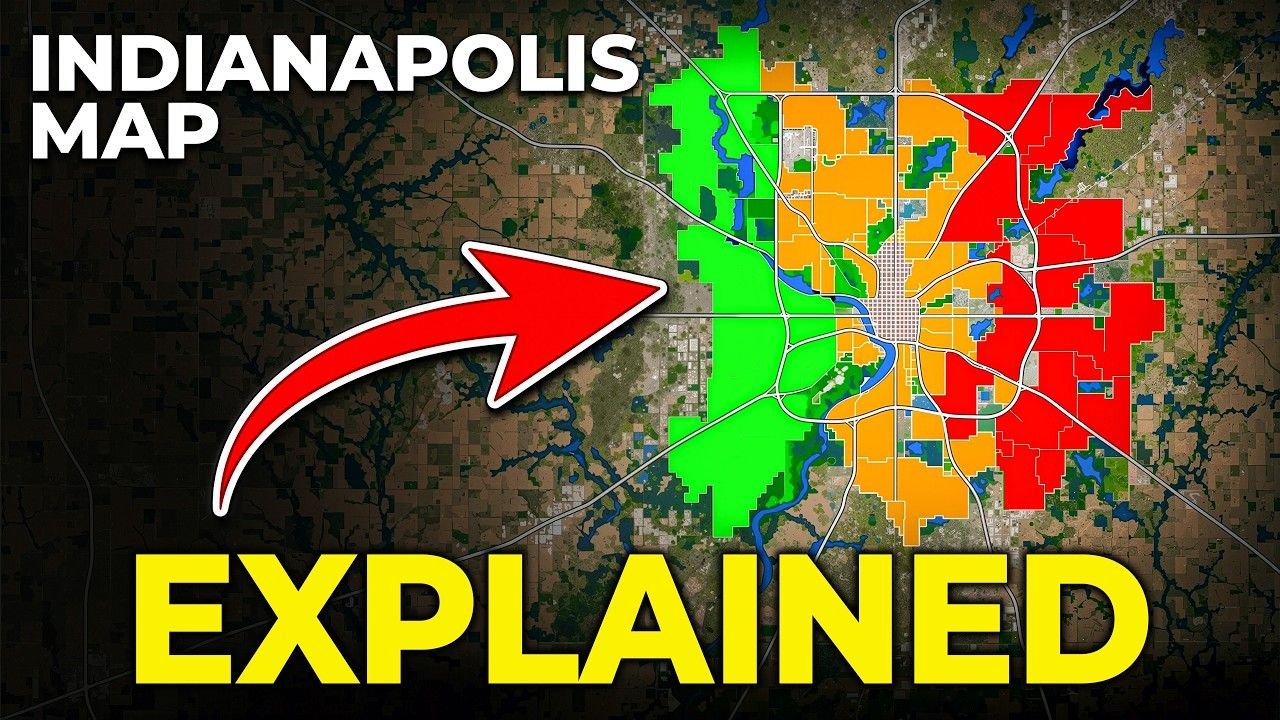
If you're moving to Indianapolis, affordability is often the first thing you hear. What most people do not expect is how easily a neighborhood choice can quietly wreck daily life. This guide breaks down the top mistakes people make when moving to Indianapolis and shows practical fixes so your move feels like a win—not a regret.
Below I walk through each common mistake with clear actions you can take. Use this as your checklist when researching neighborhoods, touring homes, and planning your move.
Table of Contents
- Introduction
- Mistake #10: Assuming All Indianapolis Neighborhoods Feel the Same
- Mistake #9: Underestimating Commute Times When Moving to Indianapolis
- Mistake #8: Misunderstanding Indianapolis Property Taxes
- Mistake #7: Ignoring HOA Rules and Restrictions
- Mistake #6: Misreading School District Options
- Mistake #5: Overlooking Winter, Basements, and Drainage
- Mistake #4: Choosing Older Homes vs. New Construction
- Mistake #3: Ignoring Future Development and Resale Impact
- Mistake #2: Miscalculating the True Cost of Living
- Mistake #1: Not Planning Your Daily Life Before Moving to Indianapolis
- Practical Checklist Before You Commit
- FAQs
- Final Thoughts
Introduction
The single biggest misstep is shopping for a home as if Indianapolis is one uniform place. People often pick a neighborhood because they liked it on a weekend visit or because a friend recommended it. That approach overlooks how dramatically daily life changes from block to block. Treating the city as one place can lead to commute shock, school surprises, unexpected property taxes, and lifestyle mismatches.

EXPLORE HOMES FOR SALE IN INDIANAPOLIS CITIES & SUBURBS
Mistake #10: Assuming All Indianapolis Neighborhoods Feel the Same
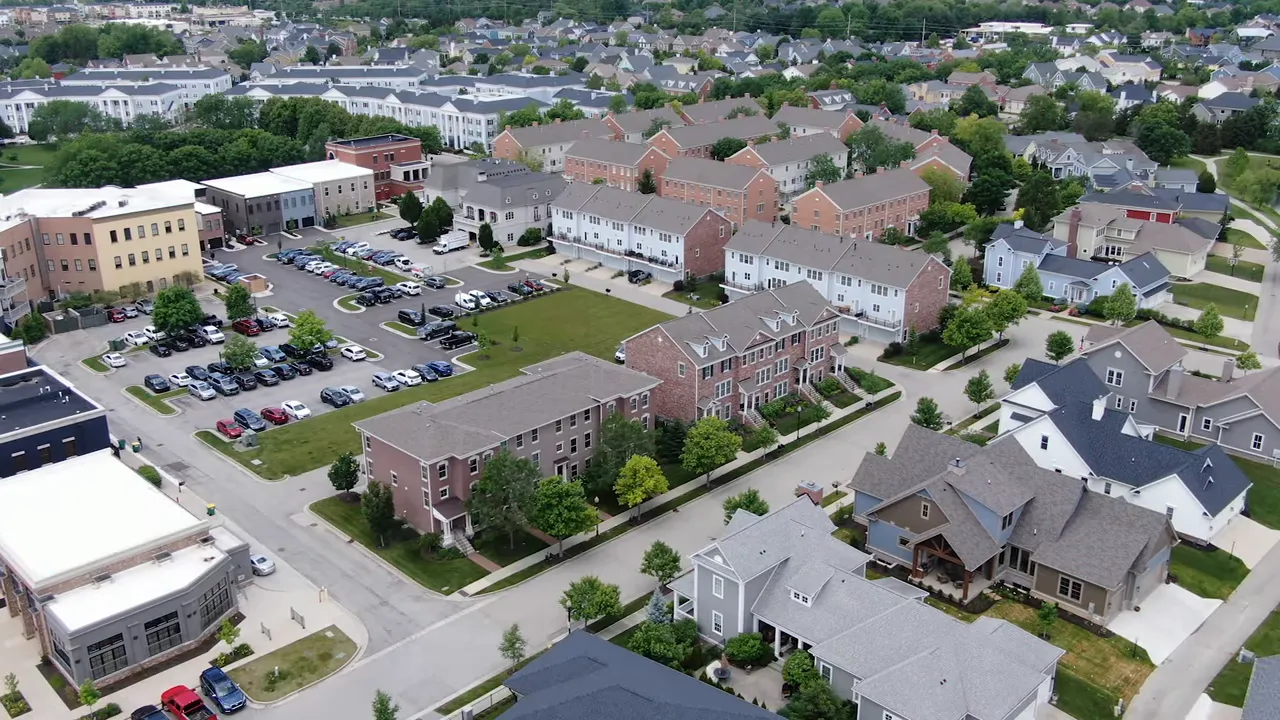
The assumption that all parts of Indianapolis feel the same is costly. Downtown neighborhoods, Broad Ripple, Carmel, Fishers, Westfield, Greenwood, and west-side towns like Avon or Brownsburg each deliver very different daily experiences.
- Urban neighborhoods — Walkability, restaurants, nightlife, older housing stock, mixed school options.
- Northern suburbs(Carmel, Fishers, Westfield) — Top-rated schools, planned communities, predictable convenience.
- Southern suburbs(Greenwood, Center Grove) — Newer construction, strong value, quieter streets, easy interstate access.
- West side(Avon, Brownsburg, Plainfield) — Suburban living with airport access and solid schools.
Map out your weekday life—office, gym, grocery, medical care, kids’ activities—before committing. If possible, rent for 3 to 6 months to test routines, especially through winter.
Mistake #9: Underestimating Commute Times When Moving to Indianapolis
Underestimating commute times and how different corridors behave is a fast route to daily frustration. Distance is not time in Indianapolis. Twelve miles can be a 15-minute drive or 45 minutes depending on whether you use I-65, I-69, or another corridor.
Drive your actual routes at peak hours—don’t rely only on mapping apps. Also consider who handles snow removal on your street (city, township, HOA, or you) and how that affects winter commutes.
Mistake #8: Misunderstanding Indianapolis Property Taxes
Misreading Indiana property taxes is common. Taxes are based on assessed value from the county assessor, not the purchase price, and reassessments can raise bills substantially.
- Claim your homestead exemption early—this typically caps taxes at roughly 1% of assessed value for owner-occupied homes.
- If you don’t qualify, expect rates closer to 2% of assessed value.
- Township and county rates vary—Hamilton County tends to run higher than Johnson or Hendricks County.
Check the county assessor site, compare township rates, and ask your lender for escrow projections based on projected post-purchase assessments.
Mistake #7: Ignoring HOA Rules and Restrictions
Overlooking HOA rules, covenants, and restrictions leads to surprises after closing. HOAs can limit rentals, dictate fence height and materials, control exterior changes, and regulate street parking.
Always read full covenants during inspection, call the HOA directly, and ask sellers about special assessments—especially for townhomes and condos.
Mistake #6: Misreading School District Options
Assuming every area has the same school options is a mistake. Indianapolis has IPS, township districts, charter schools, and private schools with different enrollment rules and deadlines.
- Verify schools using official district maps—don’t trust a listing.
- Confirm transportation rules. If you live out of district, bus access may not be available.
- Popular districts and charters fill quickly—track application deadlines early.
Mistake #5: Overlooking Winter, Basements, and Drainage
Underestimating winter, freeze-thaw cycles, and basement realities leads to costly repairs. Indiana’s clay soils and the freeze-thaw cycle stress foundations and drainage.
- Look for a functioning sump pump and proper grading away from the foundation.
- Include inspection of crawl spaces and basements in your contingency.
- Confirm snow removal responsibilities for streets, sidewalks, and driveways.
Mistake #4: Choosing Older Homes vs. New Construction
Choosing older homes or new construction without weighing tradeoffs will bite you later. Older homes may need system updates—roof, HVAC, water heater—while newer builds can mean HOA rules, less mature landscaping, and maintenance after a few years.
Pick the build era that matches your tolerance for projects, privacy needs, and long-term plans.
Mistake #3: Ignoring Future Development and Resale Impact
Ignoring neighborhood turnover and future development hurts appreciation. A high-end home surrounded by much lower-value houses will have its resale affected. Vacant land near established areas rarely stays empty.
Research zoning, planned developments, and appreciation paths before buying. Talk to local agents or municipal planning offices to understand where the neighborhood is headed.
Mistake #2: Miscalculating the True Cost of Living
Misjudging the total cost of living is common. Affordability is more than a mortgage payment—include taxes, insurance, utilities, HOA fees, and a maintenance reserve.
- Ask for utility histories and insurance quotes before purchase.
- Factor in system ages so you can predict replacement timelines for roof, HVAC, and appliances.
- Include HOA dues in monthly budgeting—a $1,200 yearly fee adds $100 per month.
Mistake #1: Not Planning Your Daily Life Before Moving to Indianapolis
The top mistake is ignoring how your weekly routines will play out. People visit in the spring or fall and assume that experience represents year-round life. That assumption misses winter weather, altered commutes, and how much driving adds friction.
Be honest about how long you are willing to spend in the car and choose neighborhoods that match your real rhythm. The most common regrets aren’t about the house itself—they’re about blind spots in daily life.
EXPLORE HOMES FOR SALE IN INDIANAPOLIS CITIES & SUBURBS
Practical Checklist Before You Commit
- Map your weekly routes: Test commutes at peak times and verify grocery, medical, and childcare access.
- Check schools: Use official district maps and confirm bus policies and enrollment deadlines.
- Review taxes: Lookup assessor info, confirm homestead exemptions, and get lender escrow projections.
- Inspect basements and drainage: Confirm sump pumps and grading away from the foundation.
- Read HOA documents: Check for rental caps, exterior rules, parking limits, and special assessments.
- Budget fully: Include utilities, insurance, HOA dues, and a maintenance reserve.
- Check future development: Review zoning and planned projects nearby.
FAQs
How can I test a commute before moving?
Drive the exact route at 8 a.m. and 5 p.m. on weekdays. Time it yourself rather than relying exclusively on apps. Repeat the drive during different seasons, especially in winter if possible.
Will property taxes jump after I buy?
Taxes are based on assessed value, which will be updated periodically. Claim the homestead exemption when you move in to limit your tax rate. Ask your lender for post-purchase tax projections.
What should I check about basements and drainage?
Verify a working sump pump, check the grading around the house, and include a professional inspection of the foundation, crawl space, and drainage systems.
How do I find out HOA rules or covenants?
Request the full HOA documents during escrow and call the HOA management directly to clarify parking, fence, and rental rules. Check deed restrictions for non-HOA neighborhoods.
What’s the single best thing to do when moving to Indianapolis?
Build your weekday life first. Map every routine—work, school, grocery, medical—and confirm those patterns will work year-round before you commit to a location.
Final Thoughts
If you use this checklist while researching neighborhoods, you’ll avoid the common blind spots that turn an affordable move into a daily frustration. Moving to Indianapolis can be a fantastic decision—make it stick by choosing a place that fits how you actually live.
Ready to move with confidence? Call or text me at 317-932-8620 and I’ll create a personalized neighborhood plan that covers schools, taxes, commutes, and everything in between.
READ MORE: The True Cost of Owning a Home in Indianapolis: Affordability Challenges