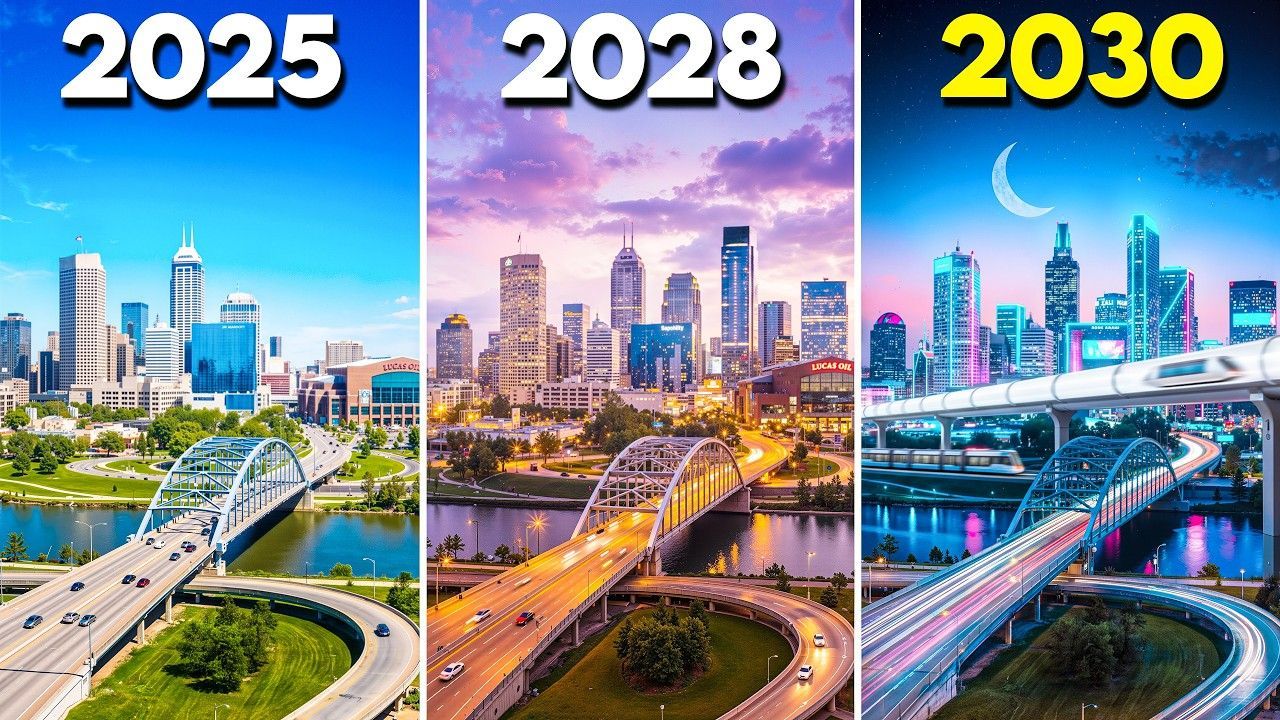
If you are living in Indianapolis or considering a move here, the next five years will change how you navigate, work, and enjoy the city. More than $7 billion in projects are under way across the downtown and near-downtown corridors. These developments range from a record-breaking hospital campus and a luxury convention hotel to mixed use reboots that knit fragmented neighborhoods back together. For people living in Indianapolis, that means more jobs, more nightlife, more walkable neighborhoods, and new real estate opportunities.
Table of Contents
- Introduction
- Development #1: IU Health Downtown Hospital Campus
- Development #2: Signia Hotel + Convention Center Expansion
- Development #3: Circle Centre Mall Redevelopment
- Development #4: Shinola Hotel + Wholesale District Reboot
- Development #5: Indiana Fever Performance Center
- Development #6: Bottleworks District Phase Two
- Development #7: Purdue Expansion and STEM Urban Campus
- Development #8: 21c Museum Hotel + Old City Hall Redevelopment
- How This Affects Buyers and Sellers in Indianapolis
- What to Watch Next Over the Next 3–5 Years
- FAQs
- Final Thoughts
Introduction
The package of investments being built out across downtown is more than a collection of standalone projects. Taken together, these developments aim to transform downtown from a patchwork of weekday office activity into a truly 24/7 destination: a healthier, more walkable, and better-connected urban core. For anyone living in Indianapolis, the results will be felt through new amenities, stronger property values, and a sharper identity for the city center.
VIEW HOMES FOR SALE IN INDIANAPOLIS
Development #1: IU Health Downtown Hospital Campus
IU Health Downtown Hospital Campus
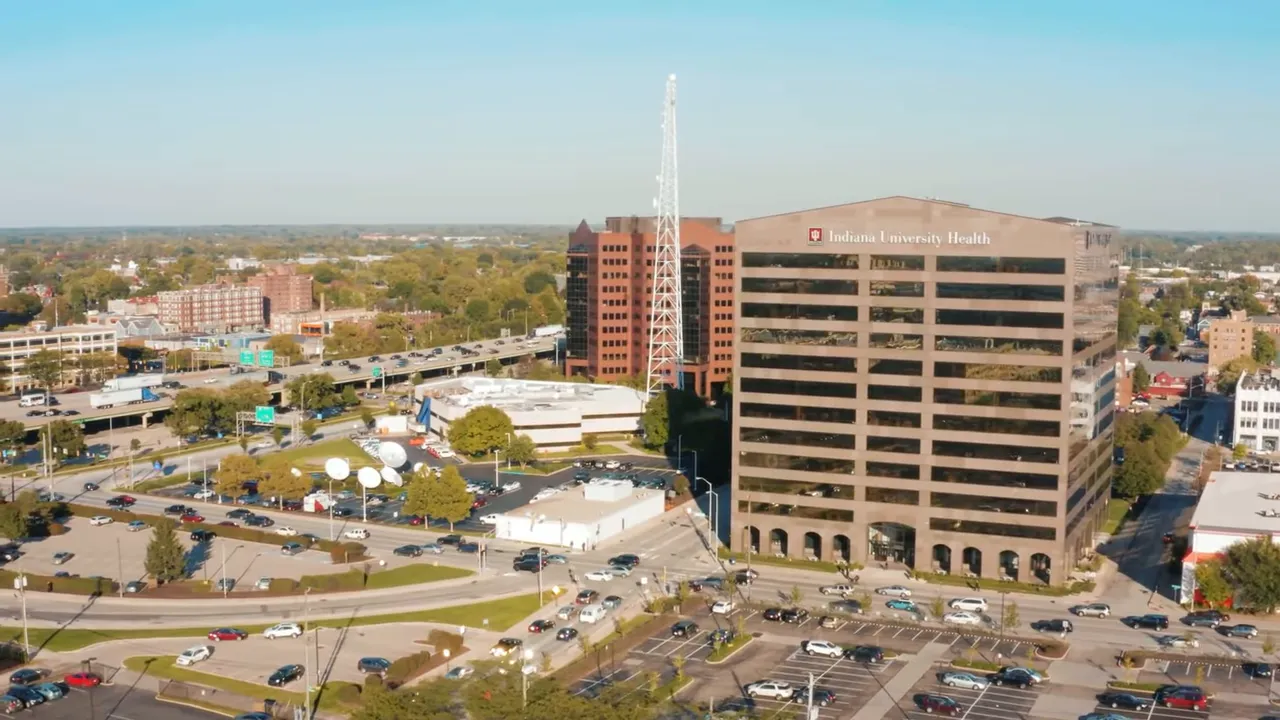
This is the biggest single bet on the future of downtown. The new IU Health Downtown Hospital campus is a massive, $4.3 billion build that will add roughly 2 million square feet of medical space, 864 patient rooms, and numerous operating suites. Scheduled for completion by the end of 2027, the campus sits just north of the central business district and further expands the existing medical corridor.
The impact is more than clinical. Major health investments are reliable catalysts for neighborhood appreciation because they create long-term jobs and steady economic demand. For those living in Indianapolis, being near an anchor like IU Health can mean more predictable long-term value for nearby homes and commercial properties. Early positioning—whether as an owner-occupant or investor—often delivers the best upside before construction finishes and prices adjust.
Large healthcare projects are stabilizers for urban neighborhoods: they bring year-round employment, predictable demand, and long-term infrastructure investment.
Development #2: Signia Hotel + Convention Center Expansion
Signia Hotel by Hilton + Convention Center Expansion
Indianapolis is doubling down on conventions. The Signia Hotel by Hilton, a $710 million investment, will rise to about 38 stories with more than 800 rooms and direct access to a significantly expanded convention center. The expansion includes roughly 143,500 square feet of new event space plus a 50,000 square foot ballroom, with completion expected near the end of 2026.
Why this matters to folks living in Indianapolis: conventions drive sustained tourism, dining, and service-sector demand. More capacity means larger events, more nights filled in hotels, and higher occupancy for restaurants and retail. Downtown becomes easier to navigate too: with greater connectivity between stadiums, arenas, and convention space, you can park once and walk to multiple venues—Victory Field, Lucas Oil Stadium, and Gainbridge Fieldhouse are all reachable within minutes.
Development #3: Circle Centre Mall Redevelopment
Circle Centre Mall Redevelopment
Circle Centre Mall has occupied 2.5 downtown blocks for decades, but vacancy and an outdated indoor mall layout left the space underperforming. Hendricks Commercial Properties purchased the site in 2024 and announced a transformative, mixed use redesign estimated at over $600 million. The plan converts the space into an open-air, pedestrian-focused district with more than 400,000 square feet of combined retail, office, and residential floorspace, and over 300 units planned. The target completion is around 2030.
For people living in Indianapolis, this project restores downtown retail and neighborhood life. It prioritizes walkability so you can access shops and restaurants from surface streets without circling parking ramps. Nearby corridors such as Meridian, Illinois, and Georgia Street will benefit as the area becomes more desirable and connected. Investors and buyers who position themselves early can capture upside before the market fully prices in the redevelopment.
Development #4: Shinola Hotel + Wholesale District Reboot
Shinola Hotel and Wholesale District Reboot
A luxury boutique brand from Detroit is bringing a new hotel to the wholesale district. The Shinola Hotel concept is a roughly $300 million project with about 13 stories and 170 guest rooms. Its most eye-catching feature: a 4,000-seat amphitheater operated by Live Nation. The hotel sits on a former CSX site and is scheduled to open around 2027.
The hotel will knit the wholesale district to Market East and Mile Square, making the eastern reaches of downtown feel less isolated. For anyone living in Indianapolis near Fletcher Place, Fountain Square, or the near east side, that increased connectivity removes psychological and physical barriers created by past infrastructure. A boutique luxury brand also elevates the hospitality offering, drawing higher-end visitors and events that support restaurants, retail, and short-term rental demand.
Development #5: Indiana Fever Performance Center
Indiana Fever Performance Center
The Indiana Fever are getting a new state-of-the-art training and performance center. The site repurposes the old Marion County Jail and converts it into a professional-grade facility targeted to open before the 2027 season. This is another example of bringing underutilized land and buildings back into productive urban use.
Sports and performance centers do more than host athletes. They anchor neighborhood identity and stimulate mixed use development nearby. Expect secondary effects: new residential units, ancillary retail, and a stronger sense of place in the near east side and wholesale district. For residents living in Indianapolis near Market East, this creates more day and night activity that supports local businesses.
Development #6: Bottleworks District Phase Two
Bottle Works District Phase Two
The Bottle Works District has been a downtown success story. The converted Coca-Cola bottling plant became a lively mixed use district with restaurants, a luxury hotel, offices, and apartments. Phase two adds roughly 50,000 square feet of new retail, 60,000 square feet of office, and about 250 to 280 residential units. This project started in 2024 and aims to finish by 2026, with a budget in the $100 million range.
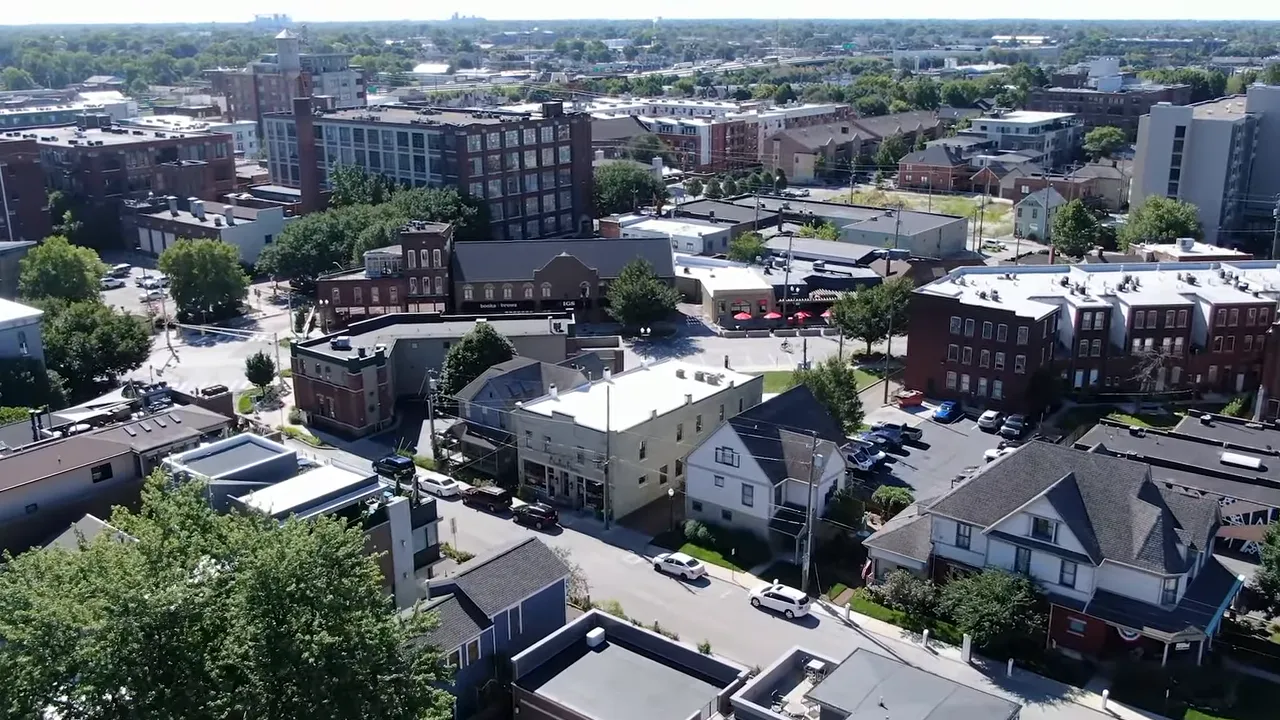
Bottle Works already commands high price per square foot and the next phase solidifies its premium positioning. For people living in Indianapolis who favor urban living, Bottle Works expands options for amenities, Class A office space, and higher-end residential units. Nearby neighborhoods such as Chatham Arch, Cottage Home, and Windsor Park have seen value increases thanks to improved connectivity and walkability.
Development #7: Purdue Expansion and STEM Urban Campus
Purdue Expansion: A STEM-Focused Urban Campus
Purdue University is making a strategic move to expand its Indianapolis footprint. This initiative—part of a broader multi-hundred-million-dollar investment—builds a mixed use, STEM-focused urban campus along the White River and Indiana Avenue. A 12-story building will include roughly 263 apartment units plus retail and commercial space, and the campus is scheduled to begin operations around mid-2027.
For residents living in Indianapolis, the Purdue expansion brings students, researchers, and technological activity into downtown. That translates to stronger demand for rental housing, co-working spaces, cafes, and transit-oriented services. Long-term, the White River corridor could evolve into a stronger innovation district—imagine more labs, startups, and amenities framing the riverfront.
Development #8: 21c Museum Hotel + Old City Hall Redevelopment
21c Museum Hotel and Old City Hall Redevelopment
The 21c Museum Hotel project will reuse the historic city hall site while adding a contemporary 32-story tower. The brand blends a boutique hotel, art museum, and residential living. Total projected cost is about $264 million, with over 150 boutique hotel rooms and more than 200 residential apartments. Completion is targeted for 2028.
Preserving architectural heritage while adding hotel rooms, culture, and housing strengthens downtown character. For people living in Indianapolis, this means more cultural programming, new hospitality options for high-end travelers, and a boost to neighborhood vibrancy. The 21c project also complements nearby districts like Bottle Works and City Market through walkable connections.
How This Affects Buyers and Sellers in Indianapolis
All these projects add up to more than $7 billion in downtown and near-downtown investment. That level of concentrated spending rewrites opportunity maps for local real estate.
- For buyers — Areas that have been quiet or underutilized are likely to heat up. Getting positioned near mixed use projects or infrastructure upgrades within the next 3 to 5 years can capture predictable appreciation. Be mindful that construction brings short-term disruption, but the long-term upside typically outweighs temporary inconveniences.
- For sellers — Expect increased visibility and lifestyle demand. Urban properties with strong walkability—where you can step outside and reach groceries, transit, and entertainment—command premiums. Timing matters: selling before the market becomes saturated by new inventory can maximize returns.
- For investors — Higher convention capacity, healthcare employment, and university-affiliated growth support demand for short-term and long-term rentals. Identify corridors where multiple projects overlap; those nodes tend to concentrate the best upside.
Overall, the new developments make downtown more connected and usable for people living in Indianapolis. The emphasis is on walkability, mixed use, and long-term anchors—hospitals, universities, hotels, and entertainment venues—that stabilize demand across economic cycles.
VIEW HOMES FOR SALE IN INDIANAPOLIS
What to Watch Next Over the Next 3–5 Years
- Completion timelines for the IU Health campus and the Signia Hotel. These are major anchors that will shift foot traffic and service demand.
- Progress on Circle Centre Mall. Its conversion into an open-air, mixed use district is a multi-year story with big implications for downtown retail.
- Purdue’s campus rollout and how student housing absorbs new rental supply.
- Smaller but catalytic projects like Bottle Works Phase Two and the 21c Museum Hotel, which refine the downtown experience and attract higher-end visitors.
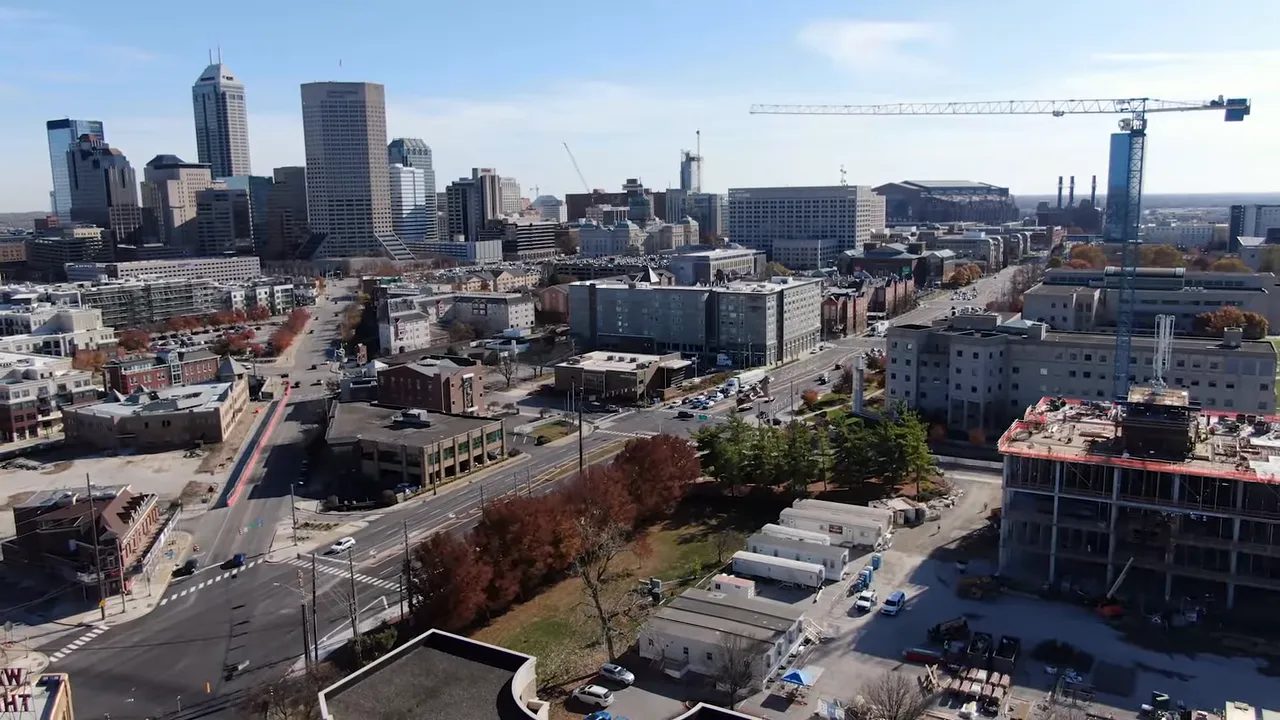
Want to see the $7 billion downtown expansion in action? Aside from reading the blog, you can watch the full video to get a closer look at the plans, projects, and what it means for Indianapolis. Watch the video here ➡️ The $7 BILLION Plan To Fix Downtown Indianapolis
FAQs
How will these developments change day-to-day life for people living in Indianapolis?
Expect more amenities, easier walkability, and greater nightlife. New hospitals, hotels, and cultural venues create year-round foot traffic and services. Residents will benefit from better dining, retail choices, and employment options close to home.
Will construction hurt property values in the short term?
Construction can cause temporary inconveniences and noise, which may slightly affect demand during the build phase. However, long-term value usually rises once projects complete because of improved amenities, jobs, and infrastructure.
Is downtown the best place to invest if I am living in Indianapolis?
It depends on goals. Downtown offers strong upside where projects overlap—healthcare, convention, and education anchors are particularly reliable. For steady rental income, consider areas with new institutional investment. For appreciation, target neighborhoods near major projects before completion.
How can I use these developments to time a sale or purchase?
Buyers looking for appreciation should consider getting in before major projects complete. Sellers often see the best timing either before excitement peaks or after new amenities are fully functioning. Work with local market experts who can map timelines against neighborhood inventory and pricing trends.
Will these projects make living in Indianapolis more expensive?
Some areas will see rising prices as demand increases, especially neighborhoods near major anchors. That said, broader market dynamics and supply additions (new housing units) may moderate price jumps over time. Expect a mixed but generally upward pressure on central-city values.
Final Thoughts
The next wave of development is not just about new buildings; it is about creating a more connected downtown with predictable economic anchors. For anyone living in Indianapolis, that means more choices—housing, entertainment, healthcare, and jobs—closer to home. The prudent strategy is to watch project timelines, locate where multiple investments overlap, and think medium to long term. Those who align with the transformation now will likely reap the benefits over the next decade.
Living in Indianapolis is entering a new chapter. Whether you live downtown now or are considering a move, the city’s future core will be more walkable, more vibrant, and more resilient than it was five years ago.
If you need to buy a home in Indianapolis, contact me — call or text: 317-932-8620.
READ MORE: Things You NEED to Know Before Moving to Indianapolis