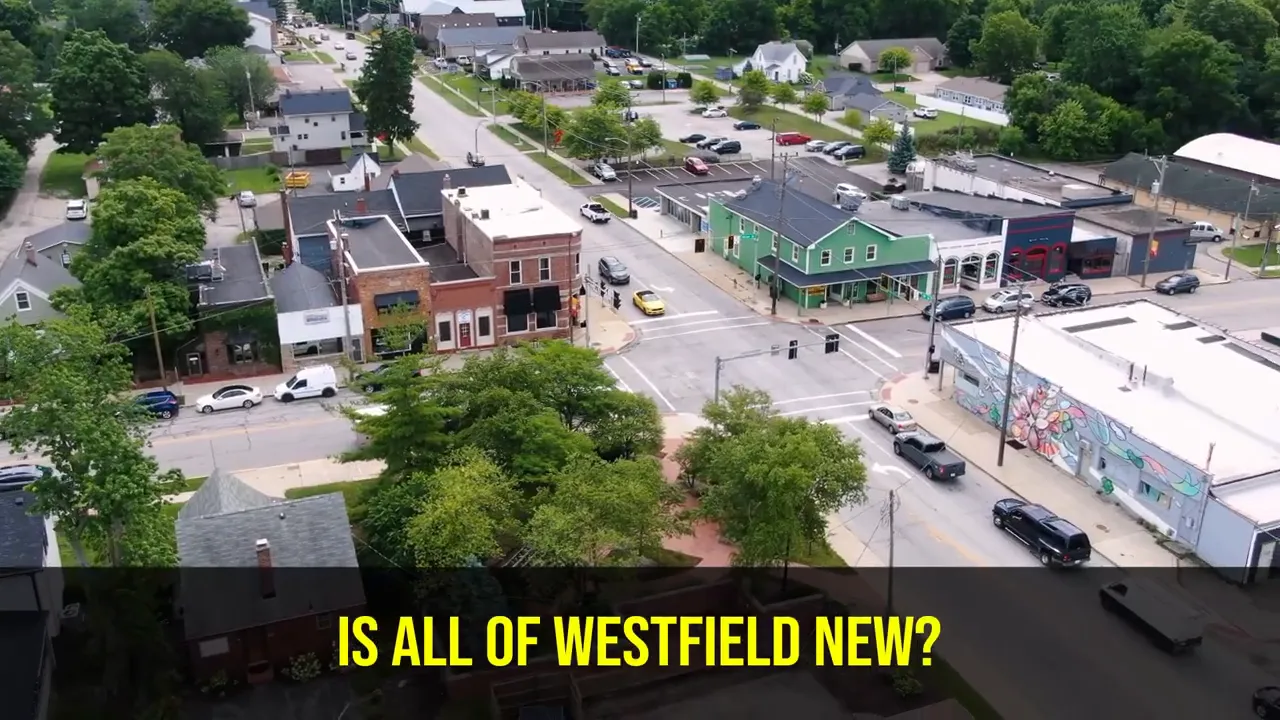
For anyone considering living in westfield, one question comes up all the time: is the entire city new? It is a fair question. Westfield has grown at a pace that is hard to ignore, with new neighborhoods, schools, retail, and construction seeming to show up everywhere.
But the simple answer is no. Westfield is not all new. A great deal of it is newer, especially compared with many established Indianapolis-area communities, but there are also neighborhoods from the 1980s and 1990s, plus a smaller collection of historic homes dating back to the late 1800s and early 1900s.
That mix is exactly what makes living in westfield worth looking at closely. We can find brand-new construction, relatively recent homes that are still in great shape, established streets with mature trees and larger lots, and a historic downtown character that reminds us Westfield was here long before its population boom.
Key Takeaways
- Most Westfield homes were built after 2000 because of rapid population growth.
- Established 1980s and 1990s neighborhoods can offer larger lots and mature trees.
- Historic homes exist in Westfield but are limited and vary in condition.
- Near 146th Street, verify the school district because a Westfield address may be assigned to Carmel schools.
Table of Contents
- Living in Westfield: A Look at Its Recent Growth
- Why So Many Westfield Homes Were Built After 2000
- New Construction vs. Newer Homes in Westfield
- Where to Find Older Homes When Living in Westfield
- Westfield Also Has a Historic Homes in Westfield: What Buyers Should Know Historic Housing Supply
- Westfield Location, Addresses, and School Districts
- How Westfield Growth Has Changed Daily Life
- Is Living in Westfield Right for You?
Living in Westfield: A Look at Its Recent Growth
Westfield existed for a long time as a small farming community north of Indianapolis. For much of its history, it stayed fairly small. Then the growth across Hamilton County, along with Carmel expanding north toward the Westfield border, changed the entire picture.
The population numbers tell the story pretty clearly. In 1990, Westfield had fewer than 4,000 people. By around 2000, it was still under 10,000. Then came the major growth period. Between 2000 and 2010, the population increased by more than 200 percent, rising to well over 30,000 people.
By 2022, Westfield was approaching 50,000 residents. Growth has slowed from that explosive early-2000s pace, but it has certainly not stopped. The city is still adding homes, businesses, and infrastructure, and it is likely to continue growing well beyond 50,000 residents over the coming years.
This is why so much of living in westfield feels newer. Most of the housing supply had to be built to serve a city that rapidly grew from a small town into one of the larger communities on the north side of Indianapolis.
Why So Many Westfield Homes Were Built After 2000
The largest wave of residential development happened from 2000 through 2010, and construction continued strongly through the following decade. As a result, a major share of Westfield homes are less than 20 years old or were built sometime after 2000.
That does not mean every street looks the same or every home has the same layout. It means buyers looking at living in westfield should expect to find a lot of homes from the modern growth era. These are often located in planned neighborhoods with sidewalks, newer utilities, community amenities, and designs that reflect what buyers have wanted in more recent decades.
New construction remains part of the equation as well. There are homes actively being built, lots being prepared, and areas where development is still moving outward. For buyers who want to be the first owner of a home, Westfield can absolutely provide that opportunity.
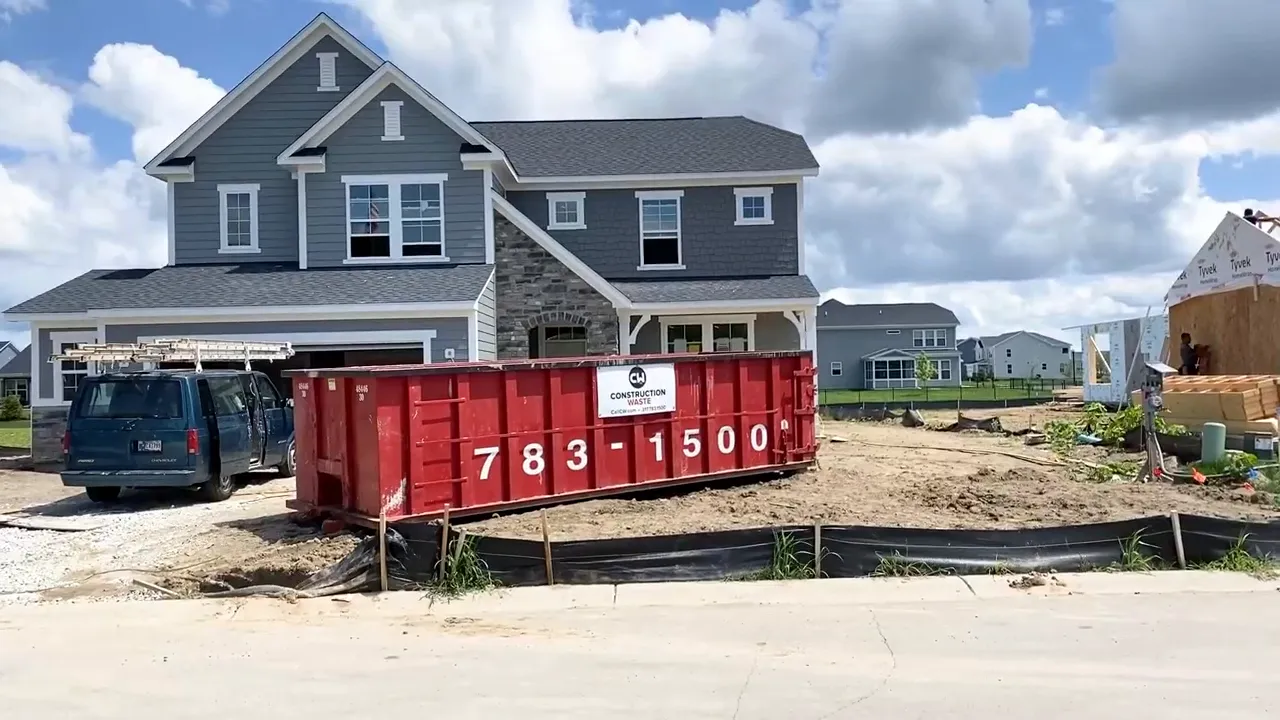
A newly built home can appeal to buyers who want current finishes, less immediate maintenance, and the feeling of getting in on the ground floor of a neighborhood. That appeal is a major reason living in westfield continues to attract people looking for a newer suburban environment.
New Construction vs. Newer Homes in Westfield
There is an important difference between a brand-new home and what we would call a newish home. New should really mean new construction, a property that has just been built and has not previously been lived in.
Newish homes are generally those under about 10 years old. They may not have the same untouched feel as a newly completed home, but they can still offer a relatively modern layout and features without the longer history that comes with older housing stock.
When considering a home under 10 years old, the major systems still deserve attention. A roof in that age range should typically have plenty of useful life remaining. The HVAC system may be approaching the middle of its service life depending on its maintenance history, so it is worth understanding how it has been cared for.
For many people interested in living in westfield, this middle ground is attractive. A newer resale home can offer more established landscaping and a completed neighborhood while still avoiding some of the maintenance concerns that may come with older homes.
What We Should Still Evaluate in a Newish Home
- The age and condition of the roof.
- The condition and maintenance history of the HVAC system.
- Whether major systems and appliances have been maintained properly.
- The condition of smaller items throughout the home that can wear with time.
Age alone does not tell the whole story. A well-maintained home can be a great option, and a careful review of the property remains important regardless of when it was built.
Where to Find Older Homes When Living in Westfield
Westfield does have homes from the 1980s and 1990s, although there are not as many of them as there are newer homes. One area where we can find some of these established neighborhoods is near the southern portion of Westfield, west of U.S. 31 and along the north side of 146th Street.
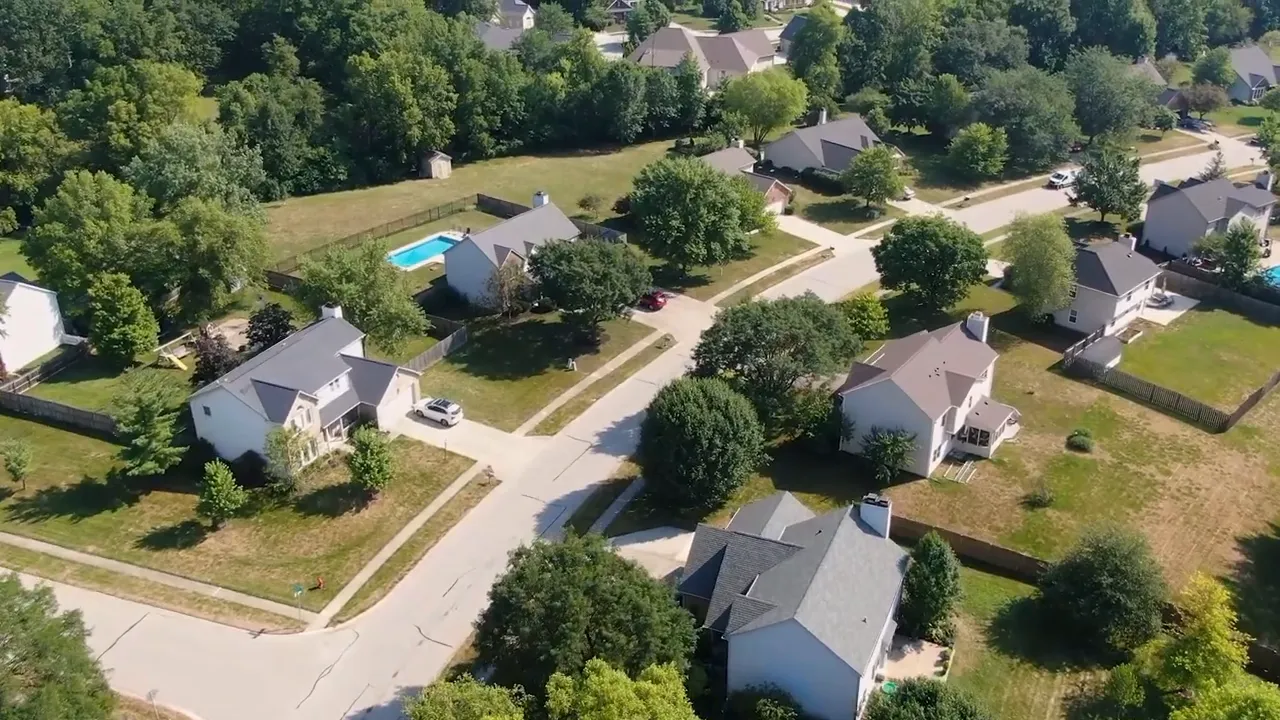
These homes are often more than 30 years old, and in some cases around 40 years old. That means buyers should ask the practical questions: Has the roof been replaced? Has the HVAC system been updated? What other age-related repairs or updates have been completed?
Still, older does not automatically mean worse. In fact, this housing category can be a strong fit for someone who does not want a brand-new subdivision. In established neighborhoods, we may find:
- Larger lots than many new construction neighborhoods offer.
- Mature trees and more established landscaping.
- A broader variety of home styles and floor plans.
- Potentially lower prices than some newer construction homes.
- Three-bedroom, four-bedroom, and five-bedroom options in reasonable sizes.
For buyers considering living in westfield, these neighborhoods can offer a different feel from newer development. Some homes have more open layouts, while others are more compartmentalized in the style that was popular in the 1980s and 1990s. We may not find as many 5,000-square-foot homes in these areas, but there is still a good range of practical home sizes.
Westfield Also Has a Historic Homes in Westfield: What Buyers Should Know Historic Housing Supply
At the far other end of the age spectrum, Westfield has historic homes built in the late 1800s and early 1900s. These properties are much more limited in number than newer homes, and their condition can vary significantly from one house to another.
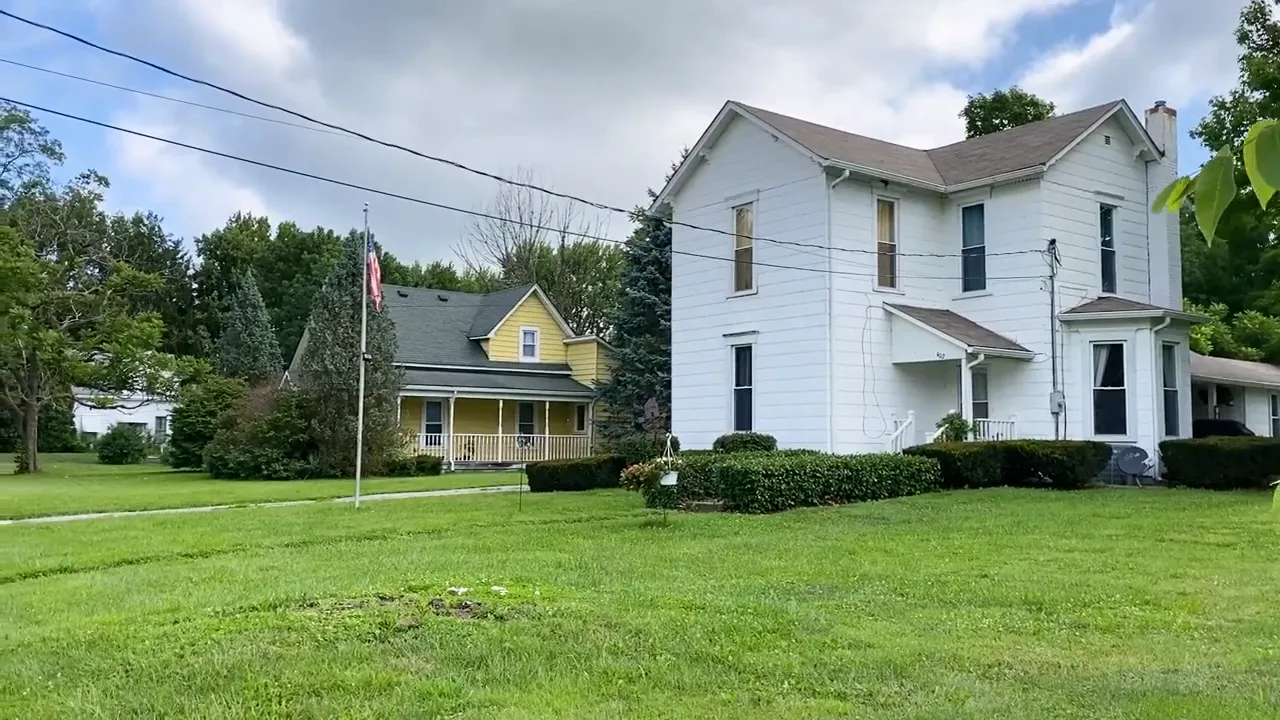
A historic home is not going to be the right fit for everybody. Some buyers want modern construction, fewer immediate concerns, and a home that needs little attention. Others are drawn to the character, architecture, trees, and established feeling that only an older property can provide.
The important point is that living in westfield does not require choosing only a recently built house. The historic options are rare, but they do exist. They are part of the community’s story and a reminder that Westfield is much more than a collection of new subdivisions.
Westfield Location, Addresses, and School Districts
When looking around the southern part of the city, especially near 146th Street, we need to pay close attention to the exact location and school district. 146th Street generally runs east to west and often serves as the line between Carmel to the south and Westfield to the north.
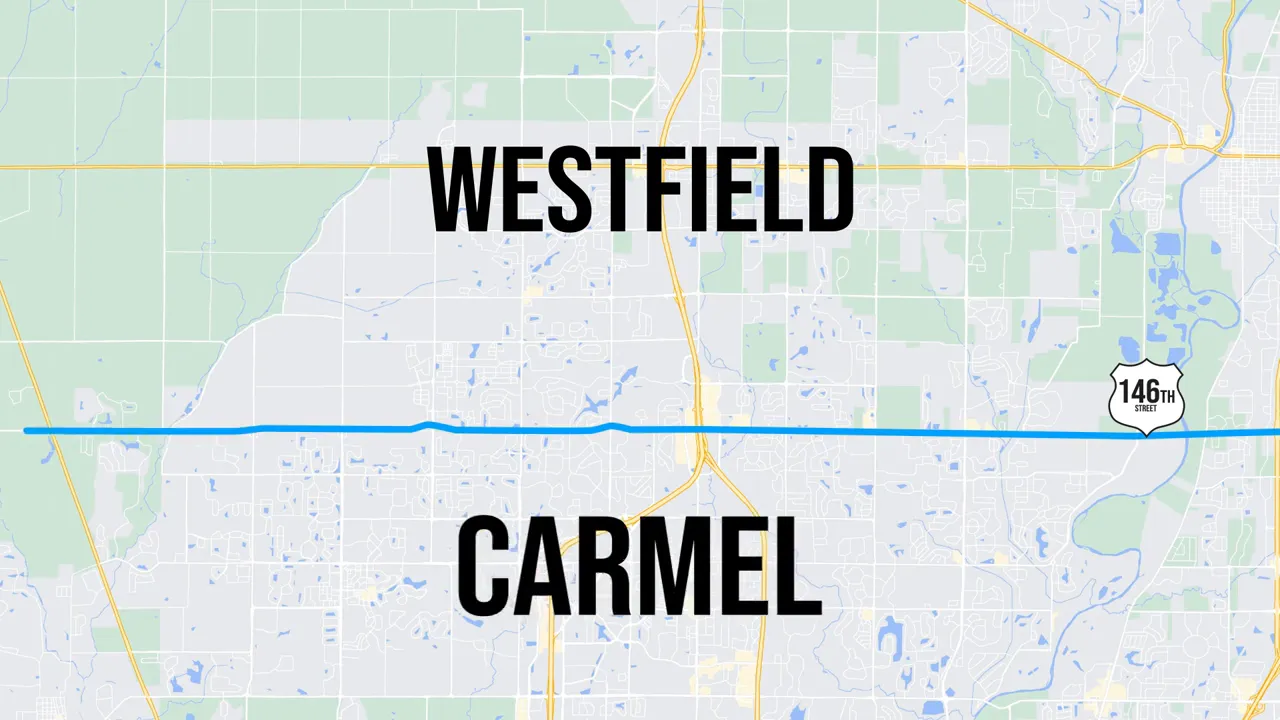
The boundaries can be a little unusual in this corridor. We can find a Westfield address that is assigned to Carmel schools. In other places, there may be different combinations along the boundary area. So if a particular school district is a priority, we should never assume the mailing address tells us everything.
For families focused on Westfield schools, confirm that both the property location and school assignment match what is needed. For someone who wants a Westfield address with Carmel schools, that can be an option in certain locations as well.
This is one of those details that can make a major difference when living in westfield. A home may look ideal on paper, but school district boundaries are worth verifying before getting too far down the road.
How Westfield Growth Has Changed Daily Life
Westfield’s growth has affected much more than residential construction. Schools have had to expand substantially to keep pace. In the 1990s, Westfield High School had fewer than 700 students. It has since grown to roughly 2,500 students without splitting into a separate high school.
The school system added elementary schools and expanded the high school with additional wings, classrooms, and other improvements. Keeping up with this type of rapid growth is difficult for any city or school district, but the changes show how dramatically the community has evolved.
Convenience has grown right alongside the population. Near the interchange where Keystone Parkway and U.S. 31 come together around 146th Street, there is a very active commercial area. We find major retailers such as Walmart and Best Buy nearby, while Clay Terrace is just south in Carmel.
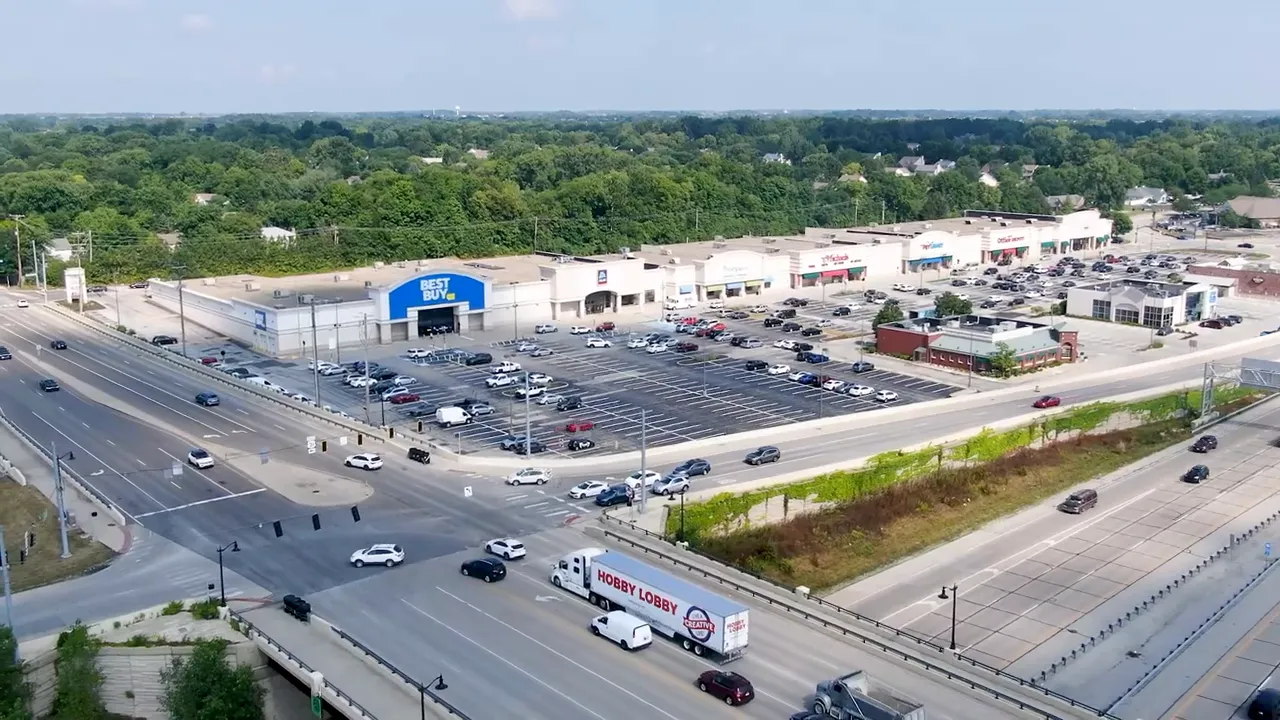
That access to shopping, schools, and major roads is part of the reason living in westfield continues to appeal to people coming from around Indianapolis and from other parts of the country.
Is Living in Westfield Right for You?
Whether Westfield feels too new really comes down to personal preference. Some people want established neighborhoods, huge trees, larger lots, and homes with a little history. Others want new construction, a fresh neighborhood, and fewer near-term maintenance concerns.
Westfield offers options across that spectrum, although newer housing is clearly the dominant category. If someone wants a historic home or an older neighborhood, choices may be more limited. But limited does not mean nonexistent.
Here is the practical way to think about living in westfield:
- If brand-new construction is the goal, Westfield offers it.
- If a home built after 2000 sounds right, that is where a large portion of the inventory sits.
- If a 1980s or 1990s neighborhood with mature trees and larger lots is preferred, those options can still be found.
- If historic character matters most, there are older homes, but they are much rarer.
Westfield is still growing, but it is not a blank slate. It has an older downtown, established pockets of housing, schools that have expanded with the community, and a large supply of homes built during its major growth years. The best fit depends on whether we value newness, lot size, mature surroundings, layout, school assignment, or the character of an older home.
Thinking about living in Westfield or interested in new construction homes in Westfield, Indiana? Call or text (317) 932-8620 or book a FREE consultation to get started. We can help you explore Westfield neighborhoods, compare new construction with existing homes, and find the right fit for your next move.
Frequently Asked Questions About Living in Westfield
Is all of Westfield Indiana new?
No. Much of Westfield was built after 2000, but the city also has 1980s and 1990s neighborhoods as well as a smaller number of historic homes from the late 1800s and early 1900s.
What age are most homes in Westfield?
A large share of homes were built from 2000 onward, when Westfield experienced its most significant population growth.
Can we find larger lots when living in Westfield?
Yes. Older neighborhoods, particularly those with homes from the 1980s and 1990s, may offer larger lots and more mature trees than some newer construction areas.
Are Westfield addresses always assigned to Westfield schools?
No. Around parts of the 146th Street corridor, a home with a Westfield address may be assigned to Carmel schools. Confirm the district assignment for any specific property.
Read More: INDIANAPOLIS IS BOOMING, BUT HERE’S WHAT NOBODY TELLS YOU