
West Carmel vs East Carmel Indiana: Comparing Neighborhoods, Prices, and Character
The first thing you notice when you drive through West Carmel is how residential it feels. Neighborhood after neighborhood unfolds along streets lined with homes built around the turn of the century, their twenty-year-old trees still filling out. You can drive for five or six minutes without seeing a single shop, even though you're within ten minutes of a grocery store or shopping center. It's a different rhythm than the vintage blocks of East Carmel, where homes from the 1950s through the 1980s sit under fifty-year-old trees that were there before the subdivisions went in. Both areas carry the Carmel address, but the look, the age, and the price point shift as you cross US 31.
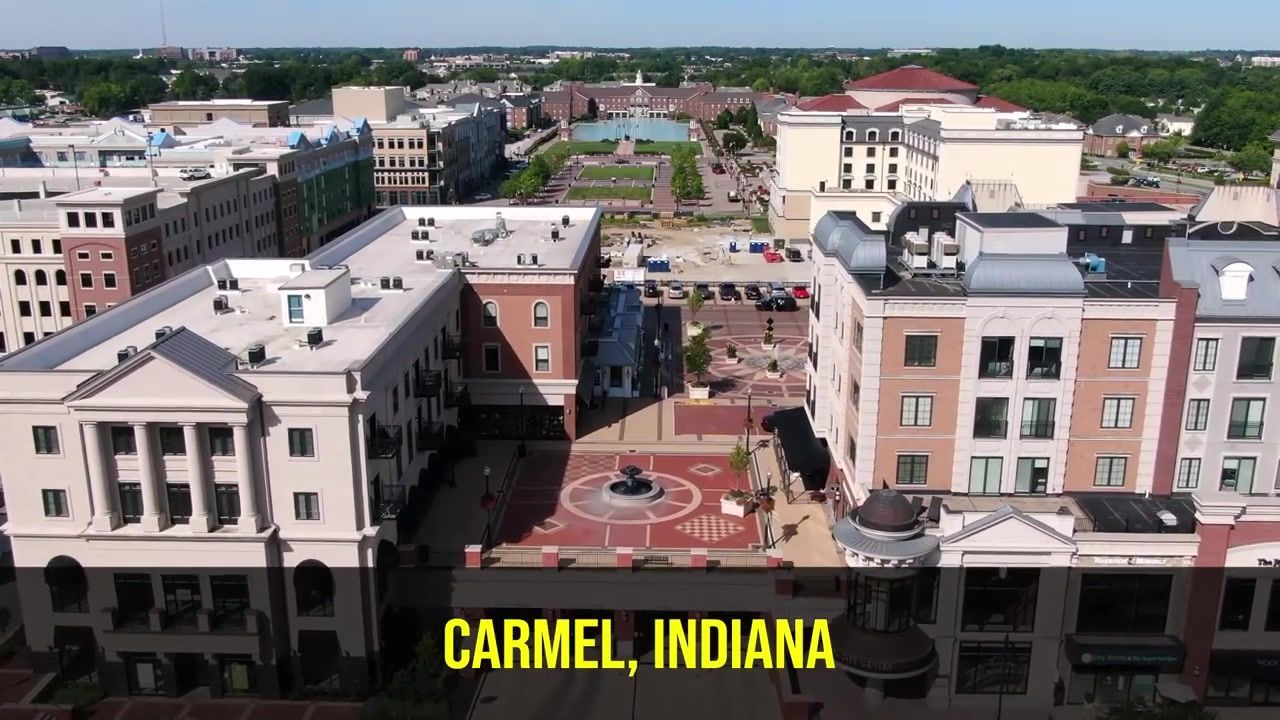
I spend a lot of time showing homes on both sides of Carmel, and people relocating here often ask what the difference really is. There's no official designation on your address that says "West Carmel" or "East Carmel." It's all just Carmel, Indiana. But if you spend any time here, you'll feel the contrast. West Carmel skews newer, larger, and more expensive. East Carmel offers more vintage character, smaller homes on average, and slightly easier entry pricing, though "easier" is relative when you're talking about Carmel. The honest truth is that both sides have their trade-offs, and understanding those helps you figure out where you'll actually want to live.
In this article, I'll walk you through what each side looks like, what you can expect to pay, and the lifestyle differences that matter when you're choosing a neighborhood. We'll cover the residential feel of West Carmel, the mature character of East Carmel, and how to think about the trade-offs between newer infrastructure and vintage charm.
Table of Contents
West Carmel: Newer Homes and a Residential Feel
West Carmel is everything west of US 31, stretching out toward Ditch Road and beyond. If you drive north of 146th Street, you're in Westfield. If you head west past Ditch Road, you're still in Carmel but getting close to the edge of town. The neighborhoods out here feel extremely residential. You can drive down 131st Street or 126th Street and see house after house without a single storefront. It's not that shopping is far away. From where I'm standing in one of these neighborhoods, I'm within ten minutes of a grocery store and a shopping center with most of what you'd need day to day. It just doesn't feel that way. The layout keeps the commercial side tucked away, so the residential streets stay quiet and uninterrupted.
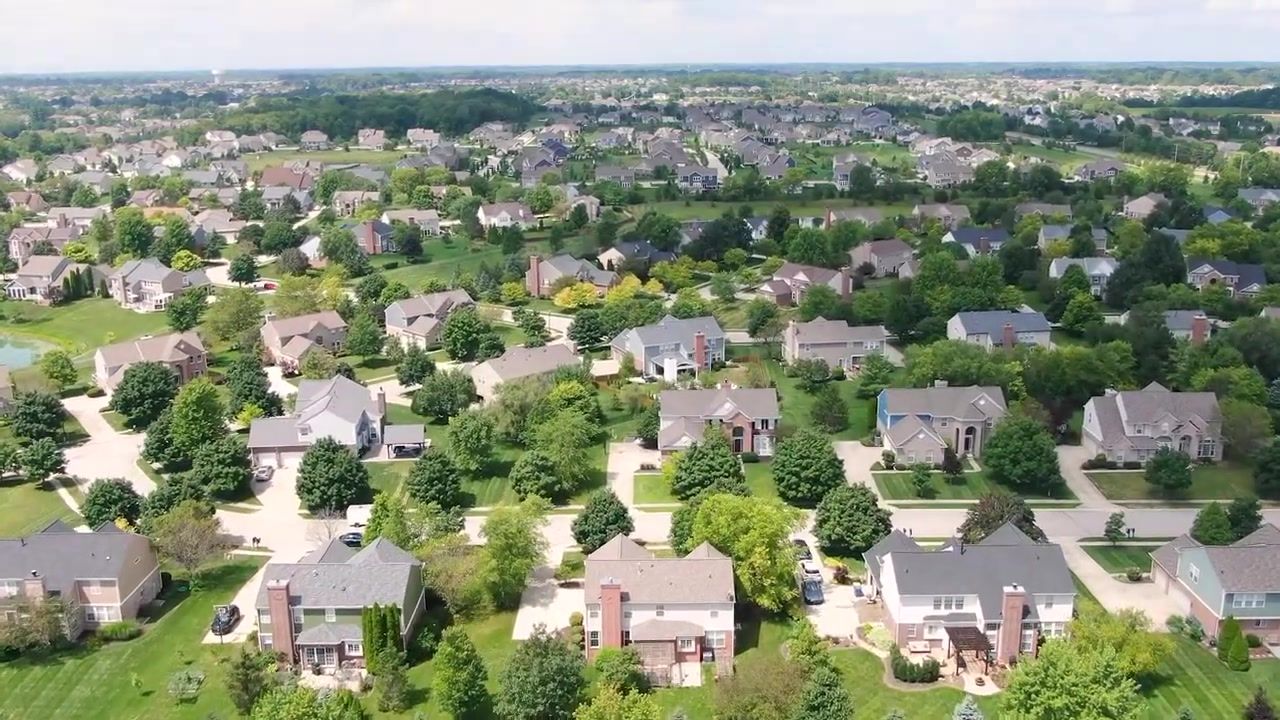
Most of the homes in West Carmel were built around 2000 or later, so we're talking about houses that are a little over twenty years old. That's not ancient, but it's not brand new either. You'll see newer roofs, probably fifteen years or younger in most cases. The HVAC systems have likely been upgraded after twenty years, so you're not dealing with original equipment in a lot of these homes. The streets, the shops when you get to them, and the overall infrastructure all have that newer feel. The trees are twenty years old, so they have some maturity but they're still filling out. They're not the fifty- or sixty-year-old trees you see on the east side of Carmel, where the canopy predates the subdivisions.
Pricing and Home Size
West Carmel is more expensive than East Carmel. It's not easy to find a home under $400,000 or even $500,000 over here. You can find them, but the inventory is limited, and you're not tripping over choices. The reason is simple: the homes in West Carmel tend to be larger. If you're looking for a small house, something in the 1,300 to 1,400 square foot range with three bedrooms, you're not going to have a tremendous number of choices. You can find townhomes and condos, but there aren't a lot of those either. The average square footage in West Carmel runs bigger than what you see on the east side, so the price goes up accordingly.
West Carmel also has more multi-million dollar homes than East Carmel. You'll find some tremendously expensive properties out here, and that skews the overall market. If you're looking for a larger home with newer finishes and a neighborhood that feels polished and established, West Carmel delivers. If you're trying to get in under $400,000, you'll have a harder time finding something that fits.
HOA Restrictions and Fences
A lot of the neighborhoods in West Carmel have HOAs that cover common areas like walking paths and retention ponds. The HOA fees vary by neighborhood, but they typically handle landscaping for those shared spaces. One thing that comes up a lot with people relocating from other parts of the country is the fence situation. In some places, like California, you're used to having a wall between your yard and your neighbor's. Here in West Carmel, and in Carmel generally, a lot of backyards don't have fences at all. It's like these super yards where the houses back up to each other with no barrier.
That said, fences do exist, and the HOA usually has restrictions on what you can put up. In neighborhoods that back up to retention ponds, you'll see wrought iron fences or wooden fences that are restricted on height, usually around four feet. The idea is to keep the view of the pond open. If you're away from the pond, you might be able to put up a privacy fence, but it's going to depend on the HOA rules. You're not going to be able to put up a six- or eight-foot privacy fence made of wood or stone right next to the pond. The restrictions are there to keep the look consistent, and that's part of the trade-off when you're in a neighborhood with an HOA.
The Residential Feel
The thing that stands out most about West Carmel is how residential it feels. You drive through and it's neighborhood after neighborhood. The homes are beautiful, the streets are clean, and everything feels polished. But if you're someone who likes to walk to a coffee shop or have a restaurant within a few blocks, that's not what West Carmel offers. You're close to shopping, but it's a ten-minute drive, not a five-minute walk. The layout keeps the residential and commercial sides separate, so you get that quiet, suburban feel without the mixed-use vibe you might find closer to downtown Carmel.
East Carmel: Vintage Character and Mature Trees
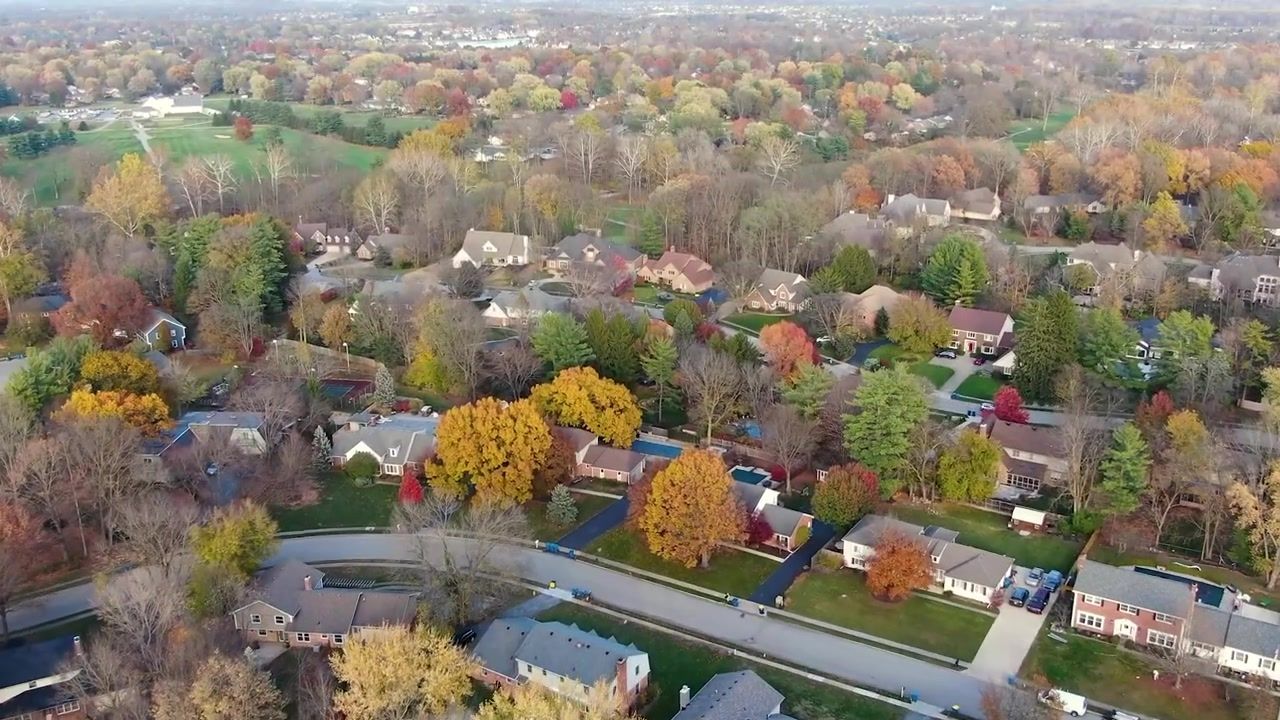
East Carmel is everything east of Keystone. The area between US 31 and Keystone is more central Carmel, including the downtown area, so you have to get east of Keystone before you're really in what I'd call East Carmel. The homes over here are older, built mostly in the 1950s through the 1980s, and they tend to be smaller on average than what you see in West Carmel. The trees are mature, often fifty years old or more. In a lot of cases, the trees were there before the homes were built, so the neighborhoods were designed around them. That gives East Carmel a different look and feel compared to the west side.
The vintage character is one of the big draws. If you like older homes with more history, East Carmel has that. The trade-off is that older homes often need work. You might be looking at a kitchen remodel or other renovations depending on how much updating the previous owner did. The homes are smaller on average, so if you're looking for something in that 1,300 to 1,400 square foot range, you'll have more options on the east side than you will in West Carmel. But if you want a large, newer home with modern finishes, you're going to have a harder time finding that over here.
Pricing and Entry Options
East Carmel is slightly easier to get into under $400,000 or $500,000 than West Carmel, but it's still not easy. You're not going to be tripping over choices, but you'll have a few more options than you would on the west side. The homes are smaller on average, so the price per square foot might be similar, but the overall price tag is lower because you're buying less square footage. There are fewer multi-million dollar homes in East Carmel than in West Carmel, so the market skews a bit more affordable overall.
The honest truth is that Carmel is expensive no matter which side you're on. East Carmel gives you a slightly better shot at finding something under $400,000, but you're still going to be competing with other buyers, and the inventory is limited. If you're willing to take on some renovation work, East Carmel can be a good entry point. If you want something move-in ready, you're going to pay for it.
Mature Trees and Older Infrastructure
The trees in East Carmel are one of the things people notice right away. They're big, mature, and they give the neighborhoods a canopy that you don't see in newer developments. If you're someone who loves that established, tree-lined street look, East Carmel has it. The trade-off is that older trees mean more maintenance. You're dealing with leaves, branches, and the occasional tree that needs to come down. The infrastructure is older too. The streets, the utilities, and the overall layout date back to when these neighborhoods were first built, so you're not getting the newer feel you see in West Carmel.
The homes themselves reflect that age. If you're buying a house built in the 1960s or 1970s, you're probably going to need to update the kitchen, maybe the bathrooms, and possibly the HVAC or roof depending on what's been done. That's not a dealbreaker, but it's something to factor into your budget. The vintage character is part of the appeal, but it comes with the reality of maintaining an older home.
Which Side of Carmel Is Right for You?
The choice between West Carmel and East Carmel comes down to what you value and what trade-offs you're willing to make. Here's how I think about it based on what I see with buyers:
Choose West Carmel if:
- You want a newer home with less immediate maintenance.
- You prefer larger square footage and modern finishes.
- You like the polished, residential feel of newer neighborhoods.
- You're comfortable with a higher price point and limited inventory under $500,000.
- You want newer infrastructure, including streets, roofs, and HVAC systems.
Choose East Carmel if:
- You're drawn to vintage character and mature trees.
- You're willing to take on some renovation work to get into the market.
- You prefer smaller homes and a slightly lower price point.
- You want a better shot at finding something under $400,000 or $500,000.
- You like the established, tree-lined street aesthetic.
Both sides of Carmel share some similarities. You'll find HOA neighborhoods with fence restrictions on both sides. You'll see the super yard effect where backyards flow into each other without barriers. And you'll be in Carmel, which means local schools, low crime, and a strong sense of community. The difference is in the age, the size, and the price. West Carmel feels newer and costs more. East Carmel offers vintage charm and slightly easier entry pricing. Neither side is easy to get into under $400,000, but East Carmel gives you a few more options.
Conclusion
West Carmel and East Carmel are both part of the same city, but they feel different when you're driving through. West Carmel is newer, larger, and more expensive, with a residential feel that keeps the commercial side tucked away. East Carmel is older, smaller, and slightly more affordable, with mature trees and vintage character that appeal to buyers who like that established look. Both sides have their trade-offs, and the right choice depends on what you're looking for in a home and a neighborhood.
If you're thinking about moving to Carmel and you want to talk through which side makes sense for your situation, reach out. I've worked with a lot of people relocating to the Indianapolis area, and I can help you figure out where you'll actually want to live. Call or text me at 317-932-8620, or email jason@livinginindianapolis.com. Let's set up a time to talk, and I'll walk you through what's available and what to expect.
FAQ
What is the difference between West Carmel and East Carmel?
West Carmel is west of US 31 and features newer homes built mostly around 2000 or later, with larger square footage and higher prices. East Carmel is east of Keystone and has older homes from the 1950s through 1980s, smaller square footage, and slightly easier entry pricing. West Carmel feels more residential and polished, while East Carmel offers vintage character and mature trees.
Is West Carmel more expensive than East Carmel?
Yes, West Carmel is generally more expensive. It's harder to find homes under $400,000 or $500,000 in West Carmel compared to East Carmel. The homes in West Carmel tend to be larger, and there are more multi-million dollar properties on the west side, which drives up the overall market.
Are there HOA restrictions on fences in Carmel?
Yes, many neighborhoods in both West Carmel and East Carmel have HOA restrictions on fences. In areas near retention ponds, you'll typically see wrought iron or wooden fences restricted to around four feet in height. Privacy fences may be allowed in some areas away from ponds, but you'll need to check the specific HOA rules for the neighborhood.
What are the schools like in Carmel?
Carmel is part of the Carmel Clay Schools district. I recommend verifying current school information directly with the district, as boundaries and programs can change. The district serves both West Carmel and East Carmel.
Can I find a small home in West Carmel?
It's more difficult to find small homes in West Carmel compared to East Carmel. If you're looking for something in the 1,300 to 1,400 square foot range, your options are limited in West Carmel. You can find some townhomes and condos, but the majority of homes in West Carmel are larger. East Carmel has more inventory of smaller homes.
How old are the trees in West Carmel compared to East Carmel?
The trees in West Carmel are typically around twenty years old, matching the age of the homes built around 2000. In East Carmel, the trees are often fifty years old or more, and in many cases they were there before the homes were built. The mature tree canopy is one of the defining features of East Carmel.
jason compton
A former teacher turned full-time real estate agent serving Greater Indianapolis. I help buyers, sellers, and relocation clients make informed moves—especially those coming from out of state. From neighborhood insights to home tours, my goal is to simplify the process and help you feel confident in every step.
Stay Informed
Insights, Tips & Life in Indianapolis
Your go-to resource for all things real estate and Indy living. Whether you're buying, selling, relocating, or just curious about the local market, our blog is packed with helpful articles, expert advice, and community highlights to keep you informed and inspired.