Looking for Space East of Indianapolis? What You Need to Know About Hancock County

Jason Compton • January 25, 2024

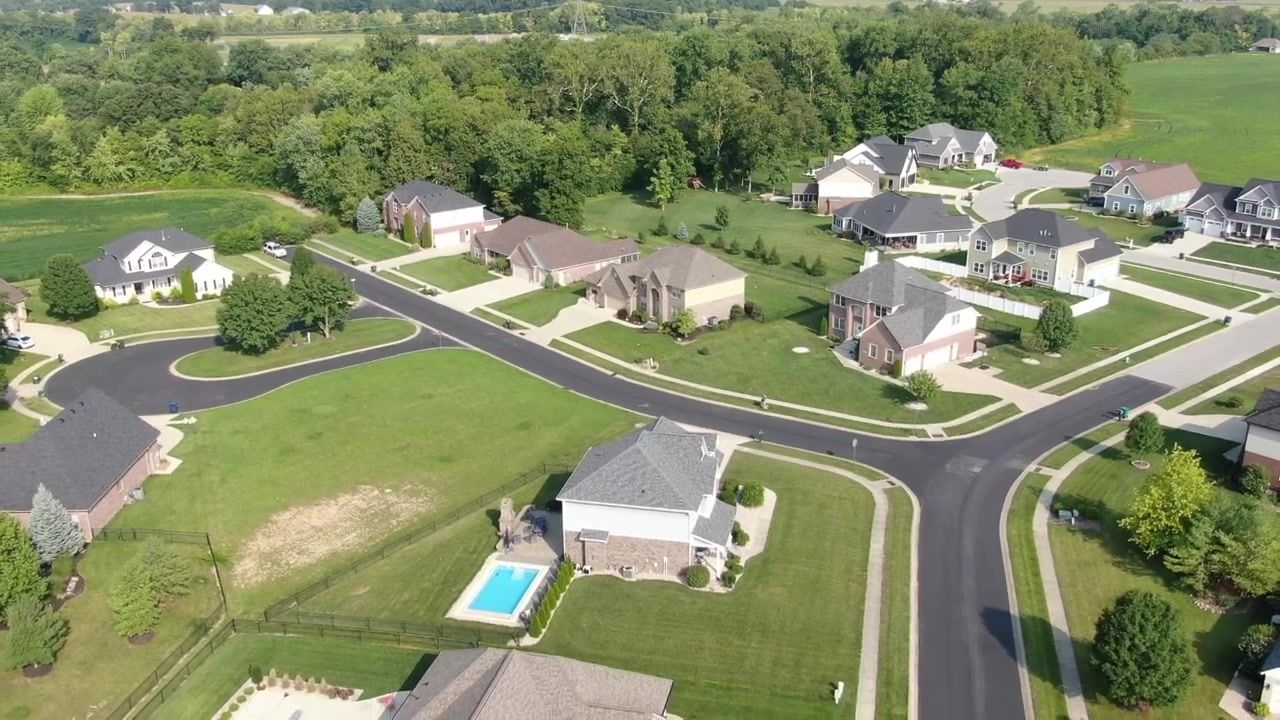
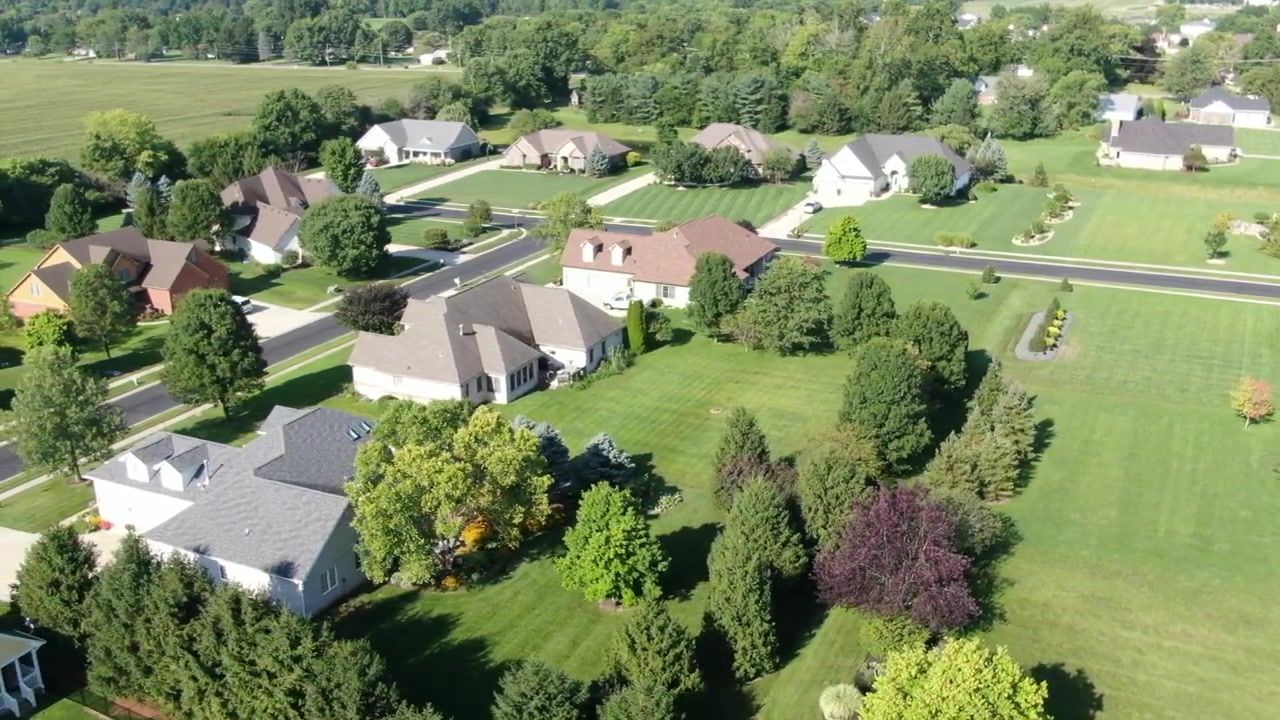
When people tell me they want space, I always ask what that actually means to them. For some, it's five acres and a barn. For others, it's just enough yard that you can't hear your neighbor's TV through the wall. Most people I work with aren't looking for a ranch. They want half an acre, maybe an acre, enough room to breathe without feeling like they're in a subdivision where the houses are ten feet apart.

You can find that in Indianapolis, but if you want to be outside the city and still close enough for an easy commute, Hancock County should be on your radar. It's the least populated county bordering Indianapolis, with fewer than 100,000 people. That sounds like space should be easy to find, right? Here's the thing: even in Hancock County, getting that extra elbow room can be surprisingly tough. The space is there, but inventory and development patterns don't always line up with what buyers expect.

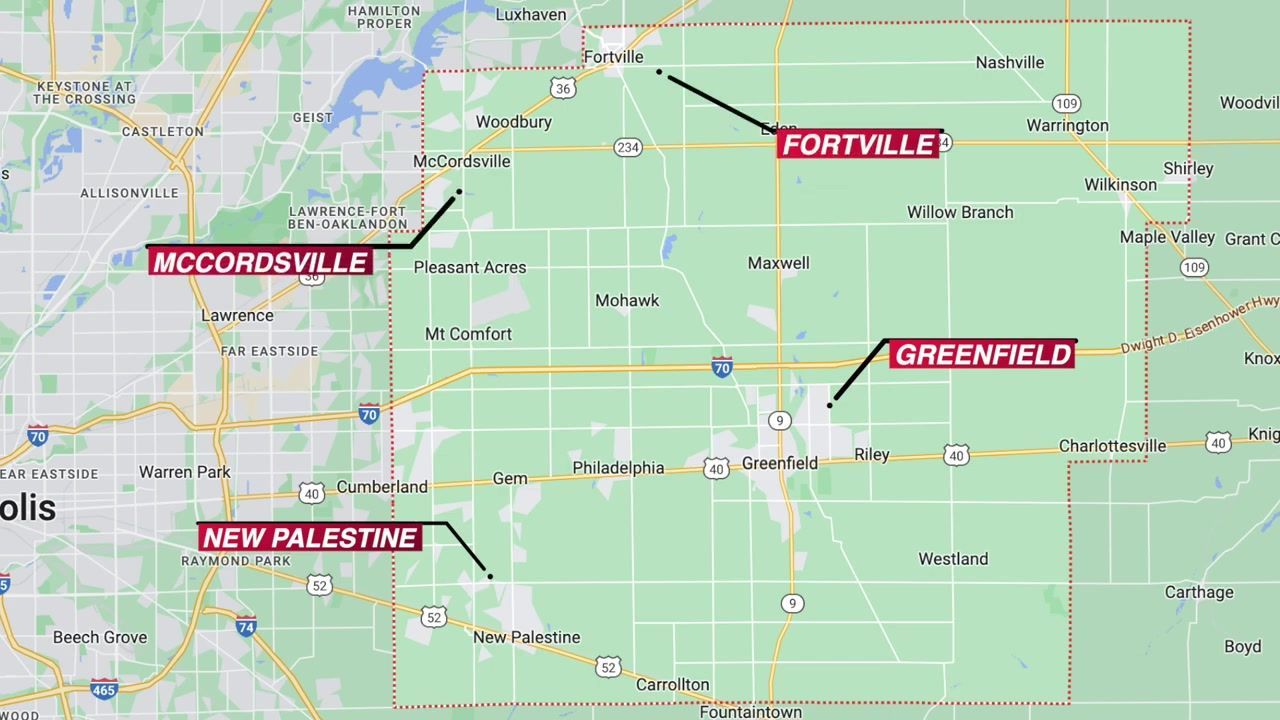
This article covers what you need to know about McCordsville, Fortville, Greenfield, and New Palestine if you're looking for a little more land without driving an hour from Indianapolis.

Table of Contents

What "Space" Actually Means (and Why It Matters)

I've worked with plenty of people who say they want space, and their definitions are all over the map. Some want acreage for horses or privacy. Others just want a bigger yard than what you get in a typical subdivision. The honest truth is, if you want multiple acres at a reasonable price, you have to get pretty far outside of Indianapolis. That's true for just about all of Indiana.

But if your version of space is half an acre or an acre, that's more realistic closer in. You can find it in Indianapolis proper, but you'll pay a premium, and your options shrink fast. Moving east into Hancock County opens up more possibilities, at least in theory. The county is less dense, the commute to Indianapolis is manageable, and the towns still have that small-town feel without being in the middle of nowhere.

The catch is that even though Hancock County has fewer people, the housing stock doesn't always reflect that. Development has been heavy in some areas, and a lot of what's been built recently is standard subdivision lots, not the larger parcels people picture when they think "space."

McCordsville, Fortville, Greenfield, and New Palestine: The Hancock County Options

Hancock County has four main towns that people consider when they're looking east of Indianapolis: McCordsville, Fortville, Greenfield, and New Palestine. Each has its own character, and each offers a different balance of proximity to Indianapolis, small-town feel, and availability of larger lots.

 McCordsville is the closest to Indianapolis and has seen a ton of growth in the last decade. It's convenient if you work on the east side or downtown, and it's got newer development. The trade-off is that a lot of that development is standard subdivision lots. You'll find some half-acre parcels, but they're not everywhere, and competition can be stiff.

 Fortville is just north of McCordsville and has a more established small-town vibe. It's a little farther from Indianapolis, but not by much. You'll find a mix of older homes on larger lots and newer subdivisions. The older stock is where you're more likely to find that extra space, but inventory can be limited.

 Greenfield is the county seat and sits a bit farther east. It's got more of a traditional downtown, and the town itself has been around longer than the newer growth areas. You'll find a range of lot sizes here, and because it's a little farther out, prices can be more reasonable. The commute to Indianapolis is longer, but it's still doable for a lot of people.

 New Palestine is south of Greenfield and has a reputation for local schools and a tight-knit community. It's one of the farther options in Hancock County, but it's still within reach of Indianapolis. Like Greenfield, you'll find a mix of older homes on larger lots and newer subdivisions. The farther you get from the center of town, the more likely you are to find space.

Why Finding Space in Hancock County Can Be Harder Than You Think

Here's the misconception: Hancock County is the least populated county around Indianapolis, so space should be easy to find. The reality is that population density doesn't always translate to available inventory on larger lots. A lot of the recent development has been standard subdivisions with quarter-acre or third-acre lots. Builders know that's what sells quickly, and that's what they're putting up.

If you want half an acre or more, you're often looking at older homes or custom builds on land that's harder to come by. The older stock exists, but it doesn't turn over as fast, and when it does, it goes quickly. Custom builds are an option if you can find a lot, but lot availability is inconsistent. Some areas have land, but it's not always platted or ready to build on.

The other factor is that even though Hancock County is less dense overall, the towns themselves are growing fast. McCordsville and Fortville especially have seen a surge in new construction, and that construction is filling in the gaps. What used to be farmland or open space is now subdivisions. That's not a bad thing if you want a newer home, but it does mean that the "space" people picture when they think of moving to a less populated county isn't always there.

Which Hancock County Town Is Right for You?

If you're trying to decide between McCordsville, Fortville, Greenfield, and New Palestine, here's how I'd break it down:


  • Choose McCordsville if you want the shortest commute to Indianapolis and don't mind newer subdivisions. You can find some larger lots, but you'll need to be patient and ready to move when something comes up.
  • Choose Fortville if you want a small-town feel with a mix of old and new. It's close enough to Indianapolis to be convenient, and you'll have a better shot at finding older homes on larger lots.
  • Choose Greenfield if you want a more established town with a traditional downtown and you're okay with a slightly longer commute. Prices can be more reasonable, and you'll find a wider range of lot sizes.
  • Choose New Palestine if schools are a priority and you want a tight-knit community. It's farther out, but you'll have a better chance of finding space without going too far from Indianapolis.

The honest truth is that no matter which town you pick, finding that half-acre or acre lot is going to take some work. Inventory is tight across the board, and the lots that do come up don't last long. If space is your priority, you need to be ready to act, and you need to be flexible on other factors like the age of the home or the exact location within the town.

Conclusion

Hancock County offers a real alternative if you want more space than what you'll find in Indianapolis proper, but it's not a guarantee. McCordsville, Fortville, Greenfield, and New Palestine all have their strengths, and each can deliver that extra elbow room if you know where to look and you're willing to wait for the right property.

If you're serious about finding space east of Indianapolis, let's talk. I can walk you through what's actually available right now, what's realistic for your budget, and which town makes the most sense for your commute and lifestyle. Reach out, and we'll figure out the best fit.

FAQ

How far is Hancock County from downtown Indianapolis?

McCordsville is about 20 minutes from downtown Indianapolis, Fortville is around 25 minutes, Greenfield is about 30 minutes, and New Palestine is closer to 35 minutes. Commute times vary depending on traffic and where you're headed in the city.

What's considered a larger lot in Hancock County?

Most newer subdivisions have quarter-acre to third-acre lots. Half an acre or more is considered larger and is less common in new construction. Older homes are more likely to sit on bigger parcels.

Are homes in Hancock County cheaper than Indianapolis?

Generally, yes, especially as you move farther east. McCordsville prices are closer to Indianapolis levels because of proximity and demand. Greenfield and New Palestine tend to be more affordable.

Is Hancock County still growing?

Yes. McCordsville and Fortville especially have seen significant growth in the last decade. New subdivisions are going up, and the population is increasing as people look for space outside Indianapolis.

Can I find acreage in Hancock County?

You can, but it's not as common as people expect. If you want multiple acres, you'll likely need to look at custom build lots or older properties farther from the town centers. Inventory is limited and moves fast.

What are the schools like in Hancock County?

New Palestine is known for strong schools. The other towns have their own districts, and quality varies. Check with the specific school district for current ratings and programs, as this can change year to year.

jason compton

A  former teacher turned full-time real estate agent serving Greater Indianapolis. I help buyers, sellers, and relocation clients make informed moves—especially those coming from out of state. From neighborhood insights to home tours, my goal is to simplify the process and help you feel confident in every step.

ready to move?

A man is standing in front of a city skyline on the cover of a relocation guide for indianapolis.

WATCH OUR VIDEOS

Stay Informed

Insights, Tips & Life in Indianapolis

Your go-to resource for all things real estate and Indy living. Whether you're buying, selling, relocating, or just curious about the local market, our blog is packed with helpful articles, expert advice, and community highlights to keep you informed and inspired.

Video screenshot at 459.5s
By Jason Compton September 10, 2026
Indianapolis reached 2.2M people, but some leave. Jason Compton explains growth, affordability, traffic, walkability, and wages across the metro.
Text graphic with man pointing at colorful numbered map pins and “I’D MOVE HERE!” banner
By Jason Compton September 3, 2026
Explore the best suburbs to live near Indianapolis, including Carmel, Fishers, Westfield, Noblesville, and Zionsville, plus schools and new construction.
Indianapolis weather map with “IS FLIPPING” headline and a surprised man on the right
By Jason Compton August 28, 2026
Zillow ranked Indianapolis the #1 buyer-friendly metro for 2026. See how inventory, mortgage rates, and longer selling times are reshaping the market.
Man with surprised expression beside aerial city view and bold text: “Keep out of Indianapolis”
By Jason Compton August 21, 2026
Discover why Indianapolis is booming beyond downtown and learn what makes Indianapolis suburbs different, plus buyer tips on schools and total home costs.
Three side-by-side city skyline illustrations labeled 2025, 2028, and 2030 showing futuristic urban development.
By Jason Compton August 14, 2026
Explore how $21B+ in investment, IU Health, Blue Line, downtown redevelopment, and Eli Lilly expansion could reshape Indianapolis real estate through 2030.
“Indianapolis is changing!” text over glowing city map with a surprised man on the right
By Jason Compton August 14, 2026
Explore how the Indianapolis housing market is shifting, which suburbs may win, and what buyers and sellers should do in today’s changing market.
Man pointing at a green and red map labeled BEST, AVERAGE, and BAD
By Jason Compton July 31, 2026
Discover the best areas to live in Indianapolis for ROI in 2026, including appreciation, rental yield, resale demand, and growth potential in top suburbs.
Man in red shirt beside Indianapolis skyline at night with bold text “KEEP OUT OF INDIANAPOLIS”
By Jason Compton July 24, 2026
Moving to Indianapolis? Learn what agents may not tell you about inspections, ownership costs, disclosures, and choosing the right agent.
Man centered between “PROS” over a city skyline and “CONS” over traffic congestion
By Jason Compton July 17, 2026
Discover the pros and cons of living in Indianapolis in 2026, from housing, schools, and commutes to Carmel, Fishers, Westfield, and more.
Text “INDIANAPOLIS HAS CHANGED!” beside a judge statue and a serious man in a red shirt
By Jason Compton July 10, 2026
Learn the 5 biggest 2026 Indianapolis real estate law changes, including HOA updates, tax credits, AI disclosures, FinCEN, and sellers.

Show More