

Why Some People Won't Live in Plainfield Indiana

Jason Compton • September 21, 2023

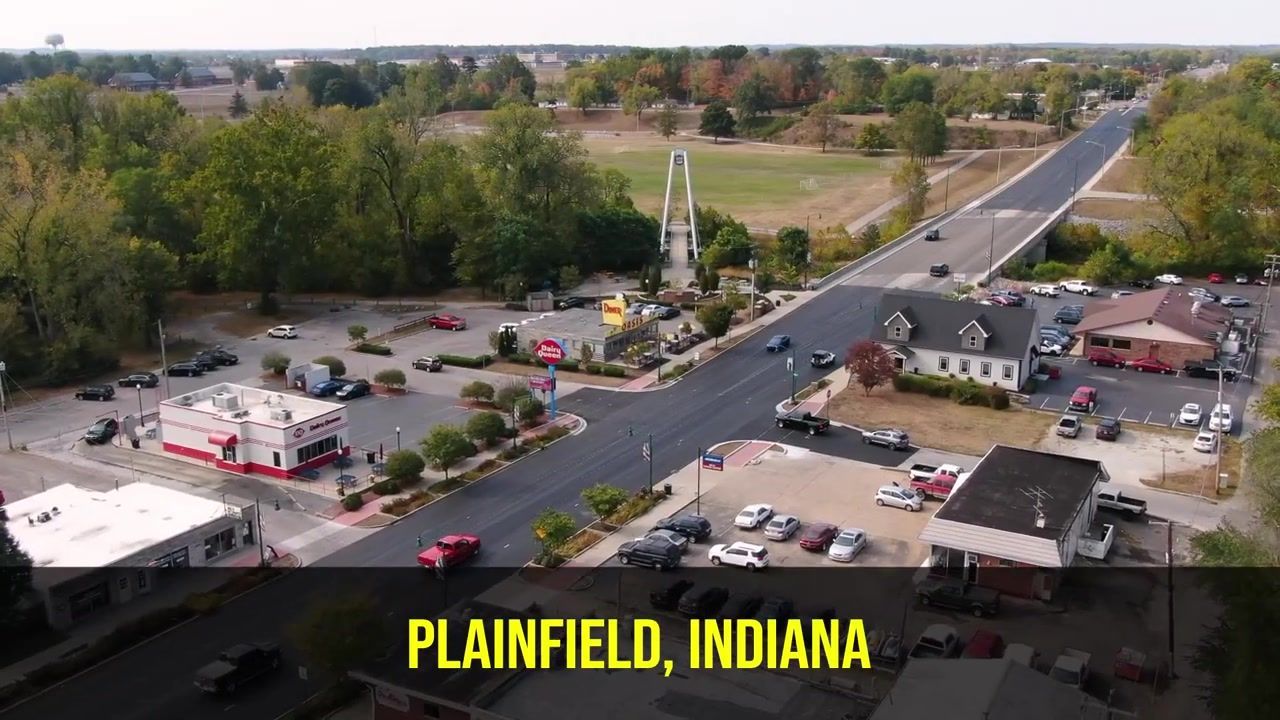
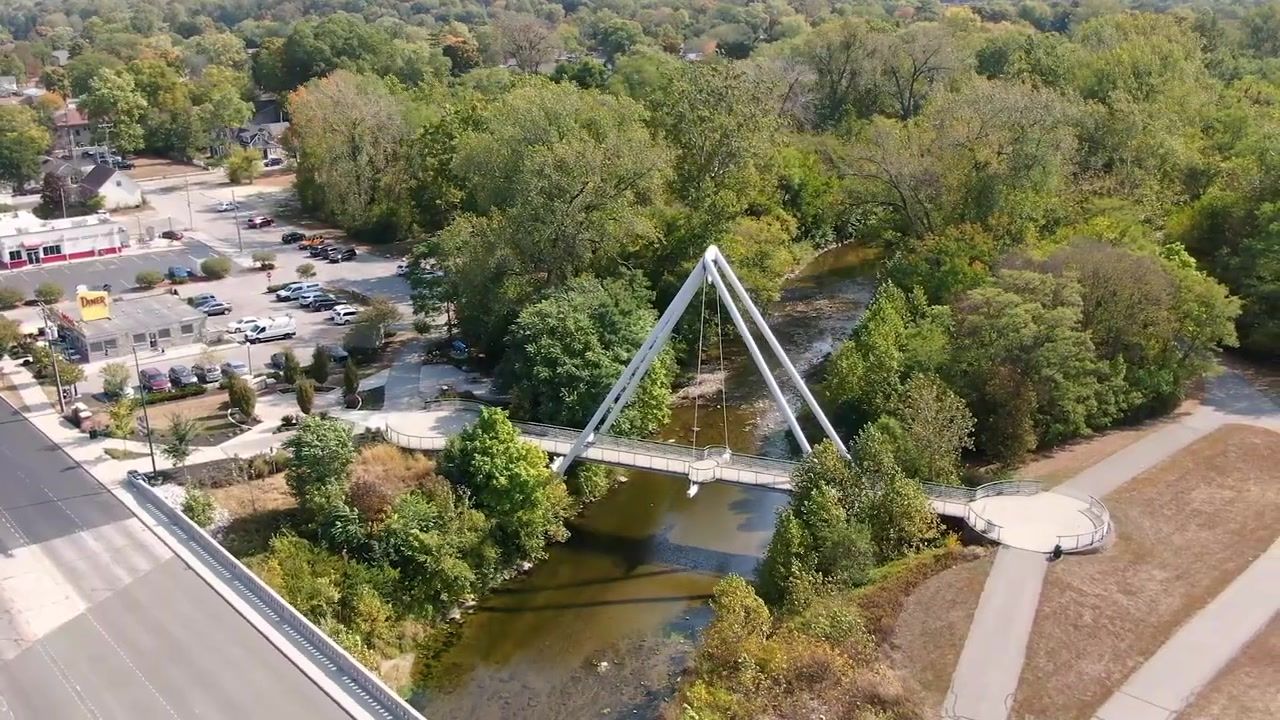
I'm standing on a footbridge over White Lick Creek in Plainfield, watching cyclists and walkers pass by on the Vandalia Trail. The morning is cool, the park is beautiful, and I'm about to tell you why I don't live here, even though I think Plainfield is one of the best-kept secrets in the Indianapolis metro.

Plainfield has local schools, an extensive trail system, major shopping, and sits right next to Indianapolis International Airport. It's only 30 minutes to downtown. The population hovers around 35,000, so it's not too big and not too small. Honestly, I'm a huge fan. But there's one reason people pass it by, and it's the same reason I don't live in Los Angeles, Tulsa, or Fort Myers: location.

If you work on the far east side of Indianapolis, or anywhere that puts you on the opposite end of the metro, Plainfield is a 45- to 50-minute drive, sometimes pushing an hour in traffic. That commute adds up fast. But if the location fits your work and lifestyle, Plainfield is a hidden sparkling gem that deserves a closer look.

Table of Contents

Plainfield: Trails, Schools, and Airport Access on the West Side

Plainfield sits on the southwest side of the Indianapolis metro, and its location is both its biggest strength and the main reason some buyers skip it. If you work downtown, near the airport, or anywhere on the west or south side, Plainfield is incredibly convenient. You're 30 minutes from downtown Indianapolis, and the Indianapolis International Airport is so close you can practically hear the planes. That airport, by the way, is one of the easiest in North America to navigate, security moves quickly, direct flights are plentiful, and you're in and out without the chaos of a massive hub.

But if you work on the far east side, the math changes. From my house way out east, it takes me a solid 45 to 50 minutes to reach this park, and if traffic is heavy, it can push an hour. That's mostly mileage driving from one extreme of the metro to the other. The Indianapolis metro is bigger than people think, roughly 2 million people spread across a wide area, and extreme east to extreme west can feel like a different world.

Traffic here isn't as brutal as other major cities. It can get heavy, but it's usually still moving, and delays are typically just a handful of minutes. In your mind it might feel longer, especially when you're stuck in it, but if you're timing it, it's really not much worse than a clear day. Still, a 45- to 50-minute commute one way, every single day, wears on a person. I can't do that kind of drive long-term, and I know I'm not alone.

So the number one reason people don't choose Plainfield, and the number one reason I don't live here, is simple: location. It's not because Plainfield lacks anything. It's just that if your job, your family, or your daily routine is anchored on the opposite side of the metro, the commute becomes a dealbreaker.

Now, if the location does fit, Plainfield has so much to offer. The schools are super highly rated, which is a big concern for families. The trail system is ridiculous in the best way. White Lick Creek runs through town, and because it's a floodway, you can't develop the land around it. Plainfield turned that into an advantage by creating a linear park system that runs north to south along the creek. The Vandalia Trail connects parks like Franklin Park and Splash Island, the big outdoor water park that people from all over Indianapolis come to visit.

Some of the trails look more like sidewalks, but at least they're off the road, and they connect to beautiful stretches like the one I'm walking this morning. You can take this trail all the way up to Splash Island, and if you lived further east in Plainfield, you could catch a connecting trail and ride or walk the whole way. It's an unbelievable amenity for a town of 35,000 people.

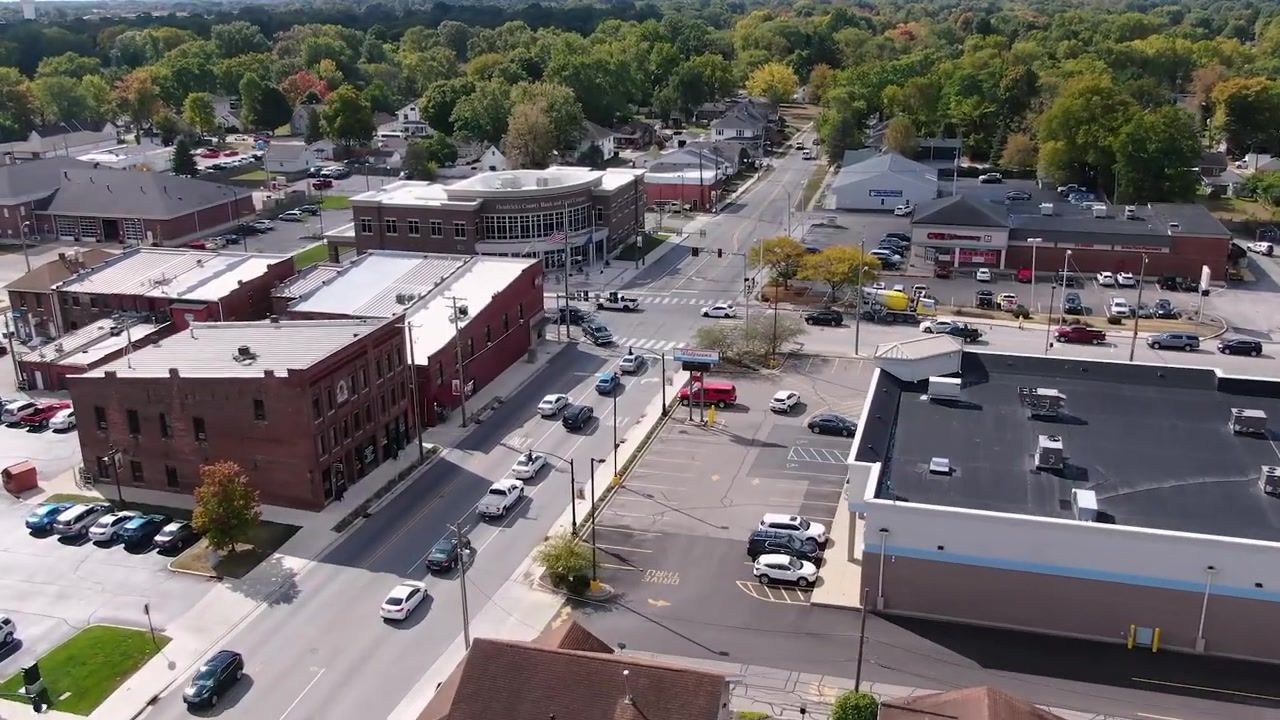
Plainfield also has the Shops at Perry Crossing, a major shopping area with all the commercial options you could want. You're not lacking for restaurants, grocery stores, or entertainment. The town isn't overly big, so it doesn't feel crowded, but it's not so small that you're driving 20 minutes for basic errands.

I can't find that many negatives about Plainfield. It's just like a lot of places around Indianapolis, there's so much to like, and the downsides are usually about fit, not flaws. If you're trying to make a place like Carmel or Fishers work because you've heard the name, but you work downtown or near the airport, you're setting yourself up for a 30- to 50-minute commute that's going to get old fast. Plainfield, on the other hand, might be overlooked, but if the location fits your day-to-day, it's absolutely worth considering.

Which Indianapolis Suburb Fits Your Commute?

People moving to Indianapolis often gravitate toward the well-known names, Carmel, Westfield, Fishers, even when those cities don't fit their work location. I see it all the time. Someone hears Carmel is great, and they try to make it work even though they're commuting 40 or 50 minutes to the south side or the airport every day. That's a tough existence, and I don't think most people can sustain it for years.

The good news is that Indianapolis has plenty of overlooked alternatives that might fit you better. Choose Plainfield if you work downtown, near the airport, or anywhere on the west or south side. You'll have a short commute, local schools, and access to trails and parks that rival anything in the metro.


Choose Brownsburg
if you're working northwest of Indianapolis. It's another overlooked gem with a similar vibe and a location that keeps your commute manageable.

Choose Avon if you want to be just north of Plainfield with easy access to the same shopping and amenities. Avon is so close to everything, and you're still in a great school district.

Choose Greenwood if you're working on the south side. Greenwood is absolutely overlooked, and it has a lot to offer for buyers who want a suburban feel without the long drive.

Choose Hancock County or Greenfield if you're working on the east side. That whole county is overlooked, there are less than 100,000 people in the entire county, and there's going to be growth and increased popularity out there without a doubt. If the location fits, you're getting in early on an area with a lot of potential.

The Indianapolis metro is bigger than people think, and the extreme east to extreme west can be 45 to 50 minutes of mostly mileage driving. That's not stop-and-go gridlock like you'd find in other cities, but it's still time you're spending in the car instead of at home. Location matters, and it's worth being honest about where you'll actually be driving every day.

Final Thoughts on Plainfield

Plainfield is a hidden sparkling gem. It has local schools, an incredible trail system, major shopping, and proximity to the airport and downtown. The population is just right, not too big, not too small, and the amenities punch above the town's weight class. I'm a huge fan, and if the location fit my day-to-day, I'd seriously consider living here.

But I live on the far east side, and that 45- to 50-minute drive is the same reason I don't live in a lot of places I'd otherwise love. It's not a knock on Plainfield. It's just reality. If you work on the opposite side of the metro, the commute is going to wear on you, and there are other great options closer to where you need to be.

If you're moving to Indianapolis and you're not sure which suburb fits your work location and lifestyle, reach out. We work with people relocating from all over the country, and we can help you figure out which area makes sense for your day-to-day. Don't try to force a well-known name to fit when there's a better option you haven't heard of yet. Let's talk through your commute, your priorities, and what you're looking for in a neighborhood. We'll make sure you end up in the right spot.

FAQ: Living in Plainfield, Indiana

Why don't more people live in Plainfield?

The main reason is location. Plainfield is on the far west side of the Indianapolis metro, so if you work on the east side, you're looking at a 45- to 50-minute commute, sometimes longer in traffic. That distance is a dealbreaker for a lot of buyers, even though Plainfield has local schools, trails, and amenities.

How far is Plainfield from downtown Indianapolis?

Plainfield is about 30 minutes from downtown Indianapolis, depending on traffic. It's a straight shot on I-70, and the drive is usually pretty manageable. If you work downtown or near the airport, the location is fantastic.

What is the trail system like in Plainfield?

The trail system in Plainfield is extensive and runs along White Lick Creek, which is a floodway. Because you can't develop the land around the creek, Plainfield created a linear park system that connects parks from north to south and east to west. The Vandalia Trail is one of the highlights, and it runs all the way up to Splash Island, the big outdoor water park. Some trails are more like sidewalks, but they're off the road and connect to beautiful stretches through the parks.

Is Plainfield a good place for families?

Absolutely. Plainfield has local schools, a great trail system, parks like Franklin Park and Splash Island, and major shopping at the Shops at Perry Crossing. The population is around 35,000, so it's not too big or too small. If the location fits your work commute, it's a fantastic option for families.

How is traffic in the Indianapolis metro?

Traffic in Indianapolis isn't as bad as other major cities. It can get heavy, but it's usually still moving, and delays are typically just a few minutes. You're not dealing with the kind of gridlock you'd see in bigger metros. That said, the distance from one side of the metro to the other can still add up, extreme east to extreme west is 45 to 50 minutes of mostly mileage driving.

What other Indianapolis suburbs are overlooked like Plainfield?

Brownsburg to the northwest, Avon just north of Plainfield, Greenwood to the south, and Hancock County (including Greenfield) to the east are all overlooked. Each one has a lot to offer, and if the location fits your work commute, they're worth a serious look. There are less than 100,000 people in all of Hancock County, so there's a lot of growth potential out there.

jason compton

A  former teacher turned full-time real estate agent serving Greater Indianapolis. I help buyers, sellers, and relocation clients make informed moves—especially those coming from out of state. From neighborhood insights to home tours, my goal is to simplify the process and help you feel confident in every step.

ready to move?

A man is standing in front of a city skyline on the cover of a relocation guide for indianapolis.

WATCH OUR VIDEOS

Stay Informed

Insights, Tips & Life in Indianapolis

Your go-to resource for all things real estate and Indy living. Whether you're buying, selling, relocating, or just curious about the local market, our blog is packed with helpful articles, expert advice, and community highlights to keep you informed and inspired.

Aerial view of Indianapolis with a graphic overlay showing growth arrows radiating from the city center.
By Jason Compton • November 5, 2026
Discover what's driving Indianapolis' northwest growth, which suburbs are changing, and what buyers and sellers should know about the metro's future.

A stylized graphic of Indianapolis skyline with a red overlay and the word 'Indianapolis' prominently displayed.
By Jason Compton • October 29, 2026
Whitestown and McCordsville are growing Indianapolis suburbs. Discover home prices, new developments, and why buyers are comparing them to Carmel and Fishers.

One building in Lebanon, Indiana is going to use as much electricity as 750,000 homes.
By Jason Compton • October 22, 2026
Meta's $10B Lebanon project, Google's canceled Franklin site, and approved Decatur facility, how data centers impact home values across Indianapolis suburbs.

for the first time in years.
By Jason Compton • October 15, 2026
Indianapolis ranked #1 buyer-friendly market for 2026, but Carmel has just 0.69 months of supply. Discover what changed, who has leverage, and where to negotiate.
Westfield, it's one of the fastest changing towns in the entire metro.
By Jason Compton • October 8, 2026
Relocating to Indianapolis? Learn the real costs, neighborhoods, schools, and commute realities across the metro from Carmel to Greenfield to downtown.
Indianapolis: The Urban Core and Hidden Neighborhoods — Lawrence, And Lawrence, There's
By Jason Compton • October 1, 2026
Jason Compton breaks down the Indianapolis metro by zone, from northern suburbs like Carmel and Fishers to eastern neighborhoods, with honest takes on commutes, affordability, and growth potential.
Before-and-after aerial view of a riverfront area transformed from barren land to a vibrant city district.
By Jason Compton • September 24, 2026
From Fishers District's $169M expansion to Westfield's billion-dollar Grand Park development, discover 7 major projects reshaping Indianapolis suburbs.

So you get very walkable established streets without giving up access to really a lot of the desirable
By Jason Compton • September 17, 2026
Discover Meridian-Kessler, one of Indianapolis’ most exclusive neighborhoods, with historic homes, walkable streets, and sought-after amenities.
Video screenshot at 459.5s
By Jason Compton • September 10, 2026
Indianapolis reached 2.2M people, but some leave. Jason Compton explains growth, affordability, traffic, walkability, and wages across the metro.
Text graphic with man pointing at colorful numbered map pins and “I’D MOVE HERE!” banner
By Jason Compton • September 3, 2026
Explore the best suburbs to live near Indianapolis, including Carmel, Fishers, Westfield, Noblesville, and Zionsville, plus schools and new construction.

Show More