
First Impressions of Carmel, Indiana: What to Expect When You Visit
When you roll into Carmel, Indiana for the first time, you might find yourself on Rangeline Road watching construction crews work, dodging orange barrels, and sitting in traffic that feels busier than you expected. You might see a Crew Car Wash, a Firestone, a KFC, and think: this is Carmel? But here's the thing, if you judge this city of just over 100,000 people by one commercial corridor on a Monday afternoon, you're going to walk away with an incomplete picture.
Carmel sits just north of Indianapolis, and it has a reputation. People hear the name and imagine tree-lined streets, roundabouts, a thriving downtown, and quiet neighborhoods. That's all true. But Carmel also has busy intersections, ongoing construction, and stretches that look like any other growing suburb in America. The trick is knowing where to look and understanding that one drive down Rangeline doesn't tell the whole story.
In this article, I'm going to walk you through what you'll actually see when you visit Carmel, why your first impression might surprise you, and how to get a more accurate sense of what living here is really like. We'll cover the downtown area, the differences between East and West Carmel, the construction you'll encounter, and how close you really are to everything you need, even from the quietest neighborhoods.
Table of Contents
Carmel: Beyond the Busy Corridors
I'm standing on Rangeline Road, which runs north-south through the heart of Carmel. To the south, it turns into Westfield Boulevard and heads into Indianapolis. To the north, it continues into Westfield, Indiana. This road has been here for decades, it's not new, but it looks very different now than it did in the '90s when I first moved to the Indianapolis area. It's nicer, more developed, and a whole lot busier.
Right now, there's construction everywhere. The intersection at 116th Street and Rangeline, which used to have a stoplight, is now a roundabout. It's open, but it still looks like a work zone with orange barrels scattered around. There's a new townhome complex going up on the corner. A Fresh Market grocery store is being built. Just up the road, two brand-new roundabouts replaced stoplights, and most of the buildings you see in the downtown area are less than two years old.
So if you visit Carmel and drive down Rangeline, you might think the whole city is under construction all the time. You'll see traffic, not Los Angeles traffic, but steady traffic on a workday afternoon. You'll see the usual chains: Crew Car Wash, Firestone Auto Care, KFC, Dunkin' Donuts, Jiffy Lube, AutoZone, CVS, Walgreens. You'll think, "This is way busier than I expected."
And you'd be right about this particular road. But Carmel is big enough that you can live in a quiet neighborhood and never feel like you're in the middle of all this. I've shown homes to buyers who toured five or six houses in one day and never saw anything that looked like this commercial corridor. They drove through neighborhood after neighborhood, some newer, some older, and couldn't imagine that a CVS, a Walgreens, or a gas station was anywhere nearby. The truth is, you're about five to ten minutes max from any of those places, even from the quietest parts of Carmel.
Downtown Carmel: Three Distinct Areas
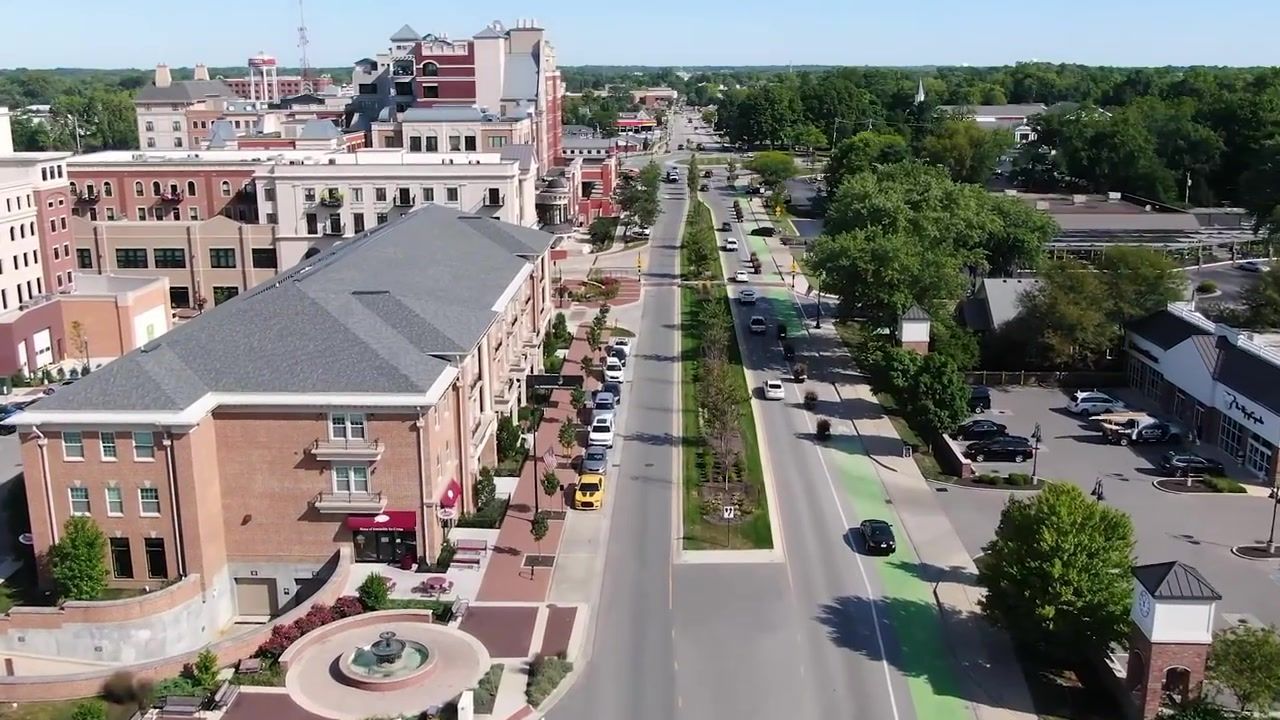
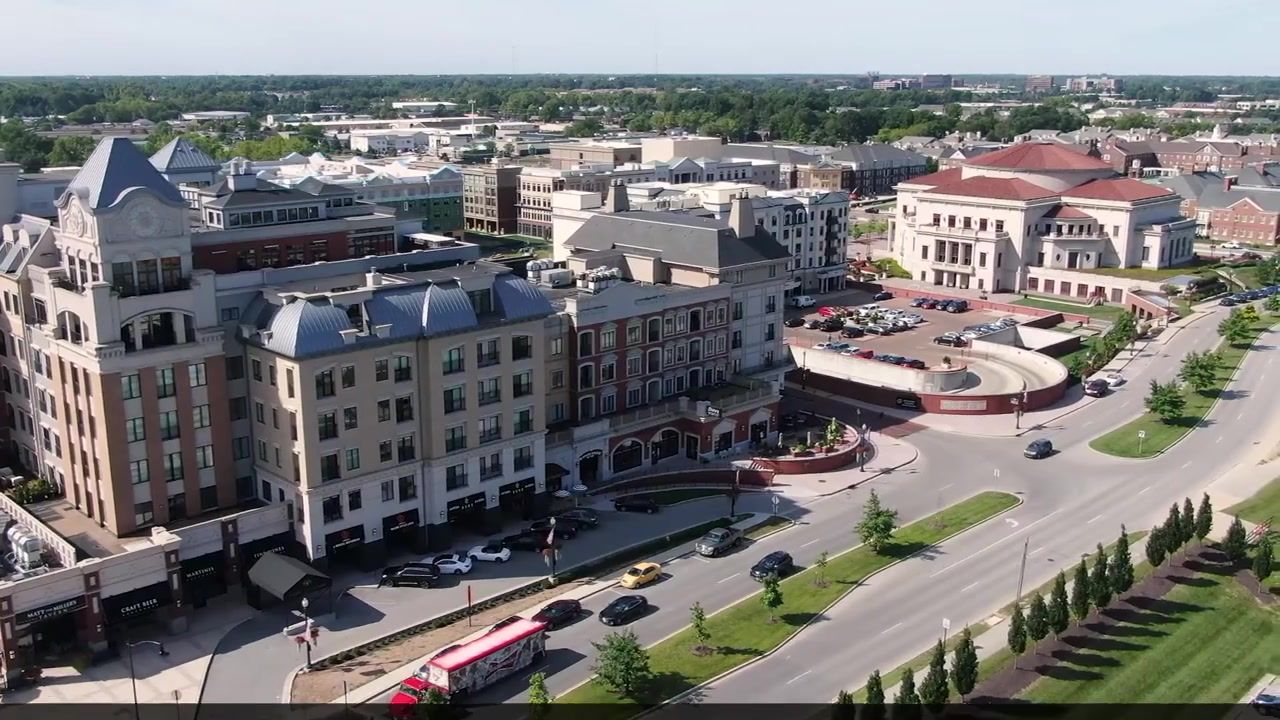
If you head a little further north on Rangeline, you get into downtown Carmel, which is actually made up of three parts: the Arts and Design District, Midtown, and City Center. For a city of just over 100,000 people, the downtown area is really pretty big. It's got unique local businesses alongside the national chains, and it's one of the places people want to visit when they're exploring Carmel for the first time.
But if you only visit downtown and the busy commercial zone around 116th and Rangeline, you're going to think Carmel is all hustle and no quiet. That's not accurate. You need to visit multiple areas to get the full picture.
East Carmel vs. West Carmel
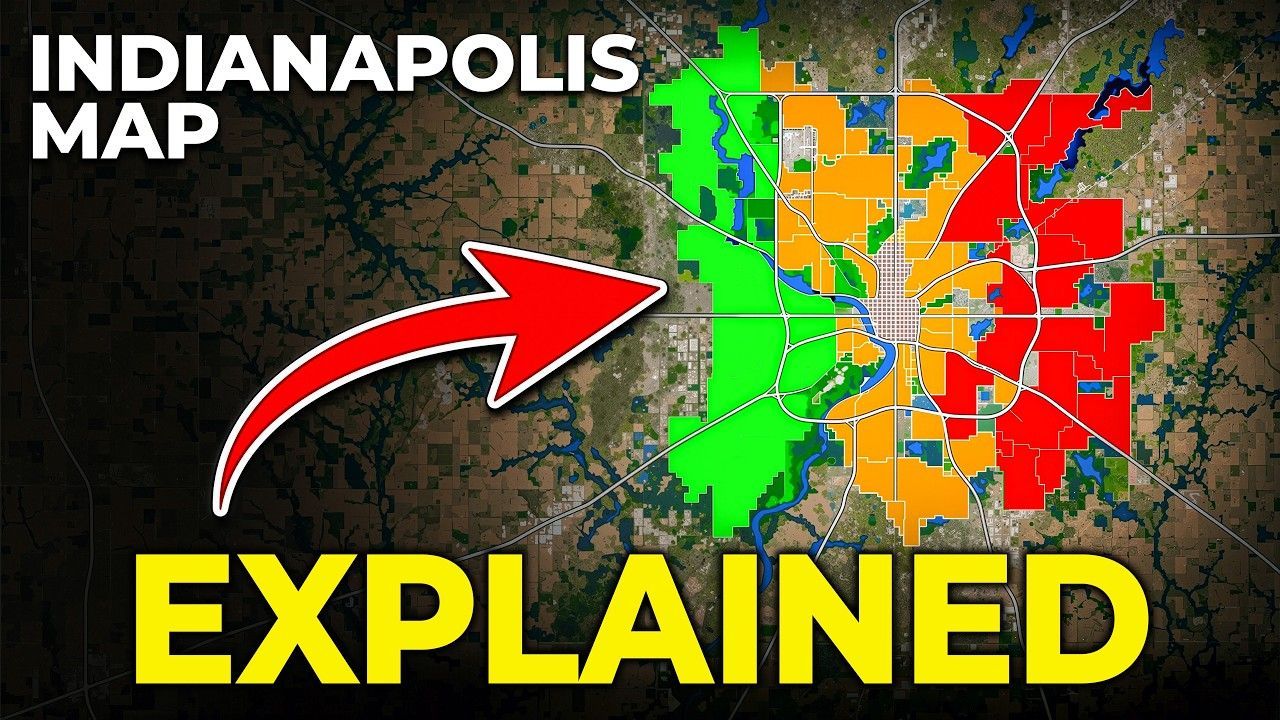
Carmel isn't uniform. East Carmel tends to be a little bit older than West Carmel , and it has a different feel. It's not a perfect divide, there are exceptions, but if you visit enough places, you'll notice the difference. East Carmel has more established neighborhoods with mature trees and homes that have been around longer. West Carmel skews newer, with more recent construction and a slightly different vibe.
Then there's central Carmel, the area along Rangeline Road where I'm standing. This is the busier commercial zone, and it doesn't have a defined boundary, but you know it when you're in it. It's where you'll find the shopping, the traffic, the construction, and the roundabouts. Most residential neighborhoods don't feel like this at all.
Amenities and Access
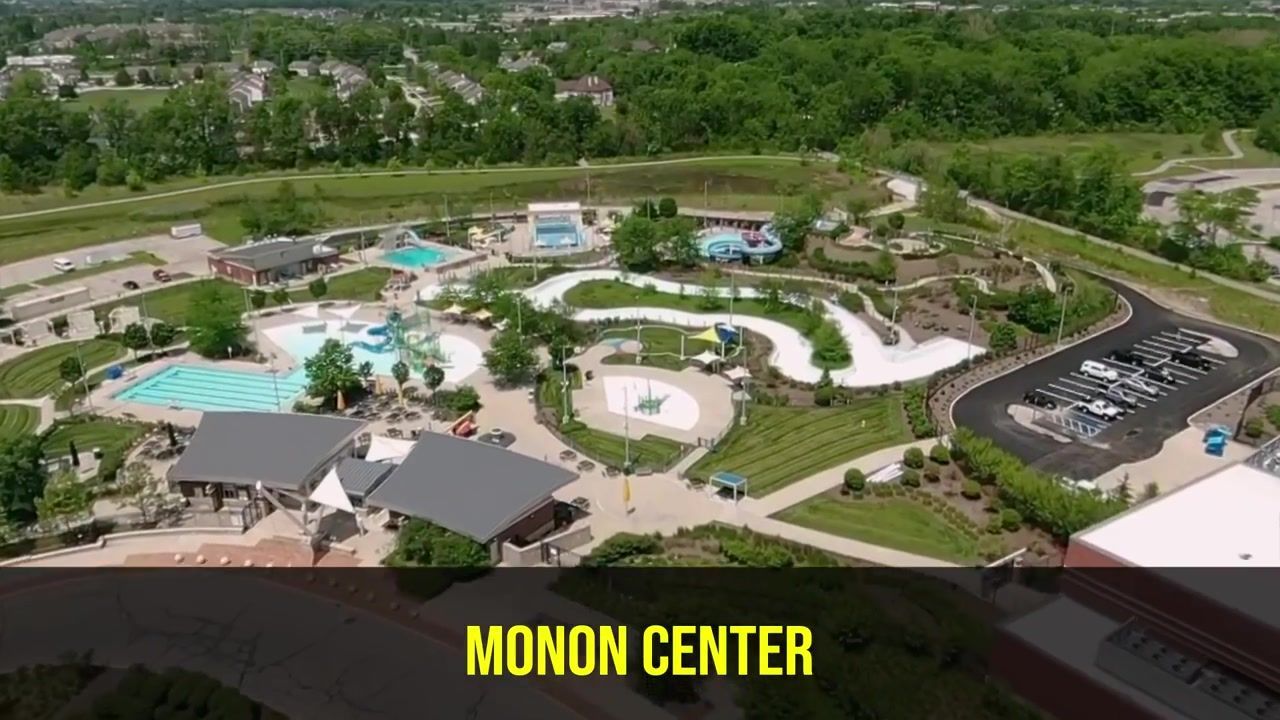
Carmel has just about everything you're going to need. You've got Central Park and the Monon Center just south of the 116th and Rangeline intersection, one of the entrances, anyway, because the park is big enough to access from multiple roads. You've got the downtown area with its three districts. You've got the roundabouts, which are famous (or infamous, depending on how you feel about them).
And you've got the chains and the local spots. There's a barbecue place near Rangeline, an Italian street food restaurant called Piatta, and original businesses you won't find anywhere else in the country. Carmel is big enough to have what you need and small enough that you're never more than five or ten minutes from it.
The construction can give you the wrong first impression, especially if you visit during a phase when a major intersection is being rebuilt. But it's temporary. Carmel is big enough that construction in one area doesn't mean the whole city is a work zone. You can live here and avoid the orange barrels entirely if you choose the right neighborhood.
Which Part of Carmel Is Right for You?
If you're trying to figure out whether Carmel is a fit, you need to visit more than one area. Don't just drive down Rangeline Road and call it a day. Don't just walk around downtown and assume that's what the whole city feels like. Carmel has 100,000 people, which means it's not a tiny town, but it's not a sprawling metropolis either. It's big enough to have variety.
Choose East Carmel if you want a more established feel with older neighborhoods and mature landscaping. The homes tend to have been around longer, and the streets feel settled.
Choose West Carmel if you prefer newer construction and a slightly different vibe. It's not a hard rule, but West Carmel skews newer overall.
Choose central Carmel if you want to be close to the commercial corridor, the downtown districts, and the amenities. You'll have more traffic and more construction, but you'll also have quick access to everything.
The key is understanding that Carmel has different personalities depending on where you are. If you only visit the busy parts, you'll think it's too crowded. If you only visit the quiet neighborhoods, you'll wonder where all the shopping is. Both impressions are incomplete.
Conclusion: Getting an Accurate Impression
Carmel is not just Rangeline Road. It's not just downtown. It's not just the quiet neighborhoods tucked away from the commercial zones. It's all of those things, and your first impression will depend entirely on where you start.
If you visit during a construction phase, and right now, there's a lot of construction along Rangeline and at the 116th Street intersection, you might think the whole city is under construction. It's not. If you visit on a busy Monday afternoon and see traffic, you might think Carmel is too crowded. It's not, once you get off the main roads. And if you visit a quiet neighborhood and don't see a CVS or a Walgreens nearby, you might think you're too far from everything. You're not. You're five to ten minutes away, max.
The best way to get an accurate impression is to visit multiple areas, explore different neighborhoods, and understand that Carmel is big enough to offer variety. It takes some time and some effort to figure out what it's really like, just like it takes time to figure out the differences between Carmel and Fishers next door. If you're just driving through randomly, you might not notice the differences. They're there. You just have to know what to look for.
If you're planning a visit to Carmel or the Indianapolis area and you want help figuring out which neighborhoods to explore, reach out. I can send you a list of places to check out, set you up with tours of different areas, and help you get a feel for what living here is actually like. You can call or text me directly at 317-932-8620, or email me at jason@livinginindianapolis.com. Let's make sure your first impression is an accurate one.
FAQ
Is Carmel, Indiana always under construction?
No. Right now, there's a lot of construction along Rangeline Road and at the 116th Street intersection, but that's temporary. Carmel is big enough that construction in one area doesn't affect the whole city. Most residential neighborhoods don't have ongoing construction, and you can live here without dealing with orange barrels every day.
How busy is traffic in Carmel?
It depends on where you are. Rangeline Road and 116th Street are busy, especially during the workday, but it's not Los Angeles-level traffic. Most residential neighborhoods are quiet, and you can avoid the busier corridors if you choose the right location.
What's the difference between East Carmel and West Carmel?
East Carmel tends to be a little bit older with more established neighborhoods and mature trees. West Carmel skews newer with more recent construction. It's not a perfect divide, but if you visit enough places, you'll notice the difference in feel.
How far am I from shopping and amenities in Carmel?
Even from the quietest neighborhoods, you're about five to ten minutes max from a CVS, Walgreens, gas station, or grocery store. Carmel has just about everything you need, and it's close no matter where you live.
Should I visit Carmel before moving there?
Absolutely. But don't just visit one area. Drive through different neighborhoods, explore East and West Carmel, check out the downtown districts, and get off the main commercial corridors. One drive down Rangeline Road won't give you an accurate picture of what living here is like.
How does Carmel compare to Fishers?
Carmel and Fishers are next to each other, and if you're just driving through, you might not notice the differences. They're there, but it takes time and some effort to figure out what sets them apart. Reach out if you want help understanding which one might be a better fit for you.
jason compton
A former teacher turned full-time real estate agent serving Greater Indianapolis. I help buyers, sellers, and relocation clients make informed moves—especially those coming from out of state. From neighborhood insights to home tours, my goal is to simplify the process and help you feel confident in every step.
Stay Informed
Insights, Tips & Life in Indianapolis
Your go-to resource for all things real estate and Indy living. Whether you're buying, selling, relocating, or just curious about the local market, our blog is packed with helpful articles, expert advice, and community highlights to keep you informed and inspired.