Living in Indianapolis is something we genuinely like. There is a lot here that works. There are neighborhoods with character, easy access to downtown, great local spots on Mass Ave, family friendly suburbs, sports, restaurants, and a pace of life that feels a lot more manageable than many larger metros.
But no city is perfect, and living in Indianapolis comes with a few tradeoffs that are worth saying out loud. Some are fixable. Some are probably not. And some sit in that frustrating middle ground where we can clearly see the better version, even if getting there would be complicated and expensive.
These are the three things we would change about living in Indianapolis if we could.
Table of Contents
- Why Living in Indianapolis Gets Misunderstood
- Is Indianapolis Really Dangerous?
- Getting Around Without Extensive Public Transit
- Understanding Indiana's Time Zones
- What It's Really Like to Live in Indianapolis
- FAQs About Living in Indianapolis
Why Living in Indianapolis Gets Misunderstood
One thing that happens all the time with living in Indianapolis is that people try to judge the entire city with broad brushstrokes. They compare it to places it was never trying to be. They complain about things no one can change, like mountains or beaches, as if that is somehow a fair critique of central Indiana.
That is not really useful.
A more honest conversation is about the things that shape daily life. Safety. Transportation. Time. Those are the kinds of issues that affect whether living in Indianapolis feels easy, stressful, comfortable, or inconvenient.
And if we are going to be honest, Indianapolis does a lot well. It just also has a few areas where it could be better.
View Homes For Sale in Indianapolis
Is Indianapolis Really Dangerous?
If we could change one thing immediately about living in Indianapolis, it would be the citywide reputation that Indianapolis is just flat out dangerous.
That reputation is too broad, too lazy, and honestly unfair.
Indianapolis is a substantial city. The city itself is just over 900,000 people, and the metro is around 2 million. So yes, it is a real city with real city issues. Crime exists here. There are car break ins. There are areas where we would be more cautious. There are parts of town we would treat differently at 2:00 in the afternoon than we would at 2:00 in the morning.
That is true.
But saying all of Indianapolis is dangerous is like saying all of any major metro is dangerous. It ignores how cities actually work.
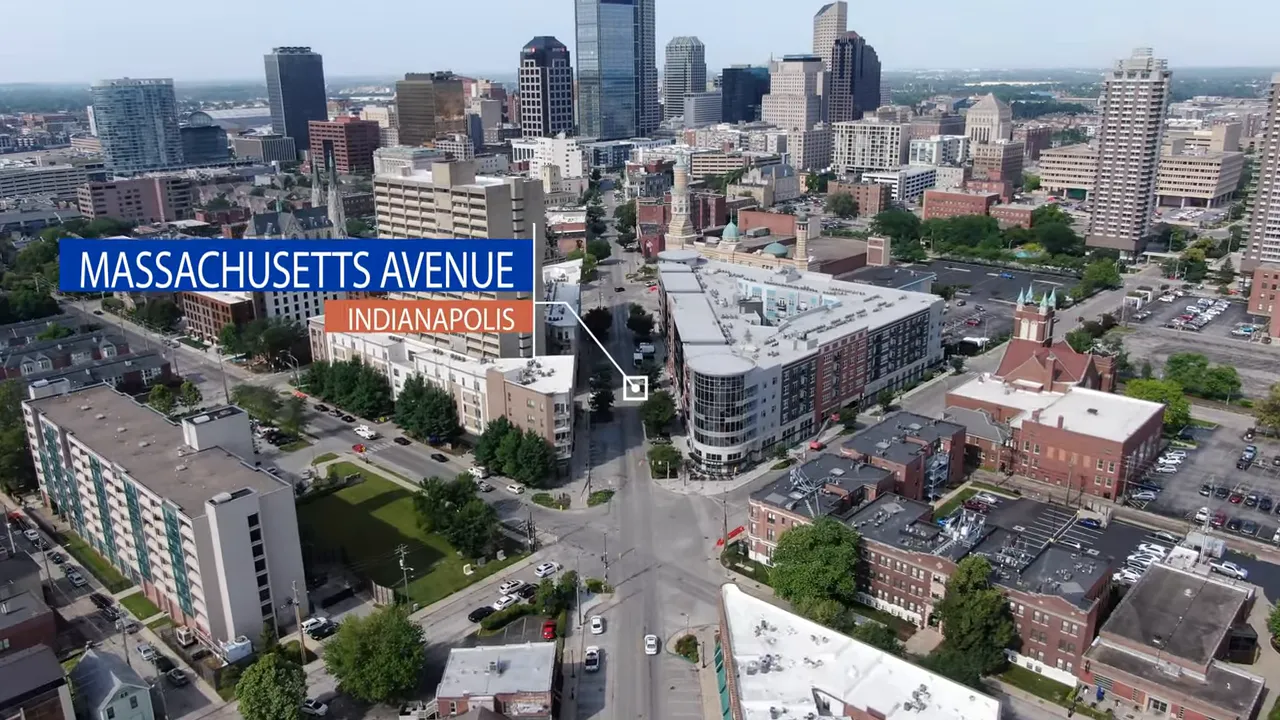
Mass Ave is a perfect example. It sits right near downtown and is one of the most popular areas in the city. It has restaurants, bars, apartments, local businesses, and a lot of foot traffic, especially later in the week and on weekends. This is not the sort of place where we walk around feeling like danger is lurking around every corner.
That does not mean nothing ever happens there. Of course it does. But the problem is how headlines and rankings flatten the whole conversation. They tend to turn a complex map into one simple label, and that label sticks.
When people hear those rankings, they often picture every neighborhood in Indianapolis as if it carries the same level of risk. That is just not reality.
Here is the more useful way to think about it:
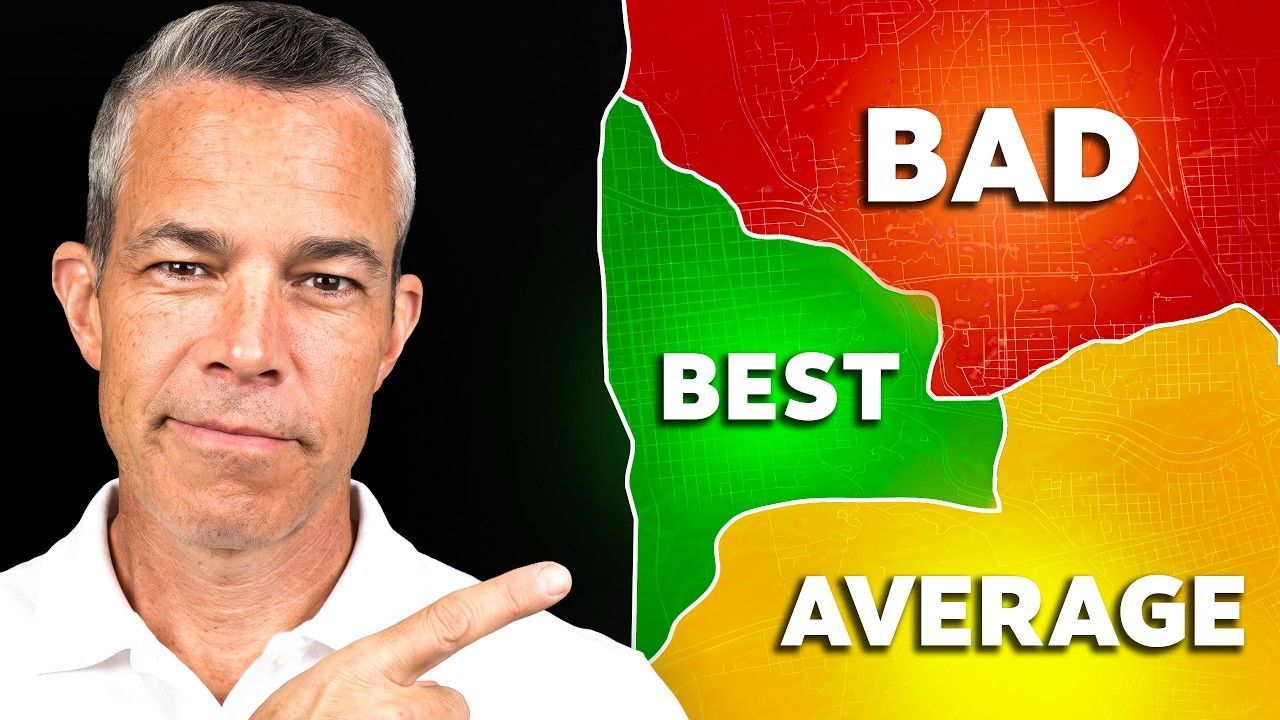
- Some parts of Indianapolis are absolutely less desirable from a safety standpoint.
- Many parts of Indianapolis are perfectly comfortable for everyday life.
- A lot of violent crime tends to be concentrated, not random and citywide.
- Much of the violent crime people worry about most often involves people who already know each other or situations tied to drugs or other existing conflict.
- Time of day matters, just like it does in almost every city.
That last point matters more than people want to admit. We all grew up hearing some version of, nothing good happens after midnight. That is not literally true, but there is a reason people say it. If we are in an unfamiliar area at 2:00 in the morning, that is simply a different equation than being in a familiar and active area during the day.
Living in Indianapolis requires common sense, not paranoia.
And there is a big difference.
For families, the safety conversation also gets misunderstood because not all safety concerns are about violent crime. Sometimes it is about traffic, density, and whether our kids can ride bikes without us feeling like we have to hover every second. That is part of why some people choose the suburbs over downtown. It is not always fear. Sometimes it is just fit.
We have lived in and around Indianapolis and have spent plenty of time downtown. We have gone to dinner on Mass Ave, caught Indianapolis Indians games at Victory Field, and spent time in different parts of the city without feeling constantly worried. That has been our lived experience.
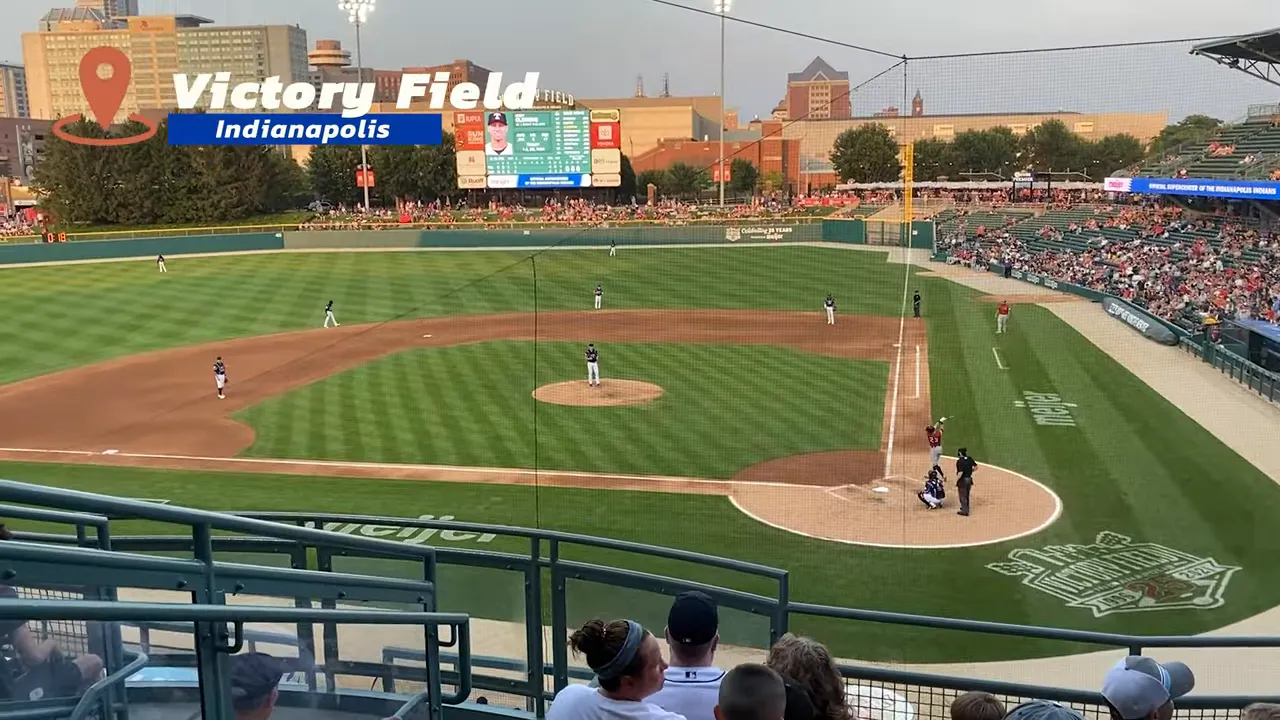
So yes, crime exists. Yes, there are places we would avoid at certain hours. But if we are talking honestly about living in Indianapolis, most of the city is not what that broad dangerous label suggests.
Calling all of Indianapolis dangerous is just not fair.
Getting Around Without Extensive Public Transit
The second thing we would change about living in Indianapolis is public transportation.
This one is complicated, and expensive, and controversial, and probably the hardest of the three to solve. But if we could wave a wand, Indianapolis would have a much stronger system than it does today.
Right now, living in Indianapolis is extremely car dependent.
There is a bus system, and it serves a purpose. But it is limited, both in where it goes and in how convenient it is for everyday life across the metro. Even when service exists, public transportation usually does not take us from our exact starting point to our exact destination. There is often extra effort on both ends.
That is one reason most people drive. It is direct. It is flexible. It fits how the metro is laid out.
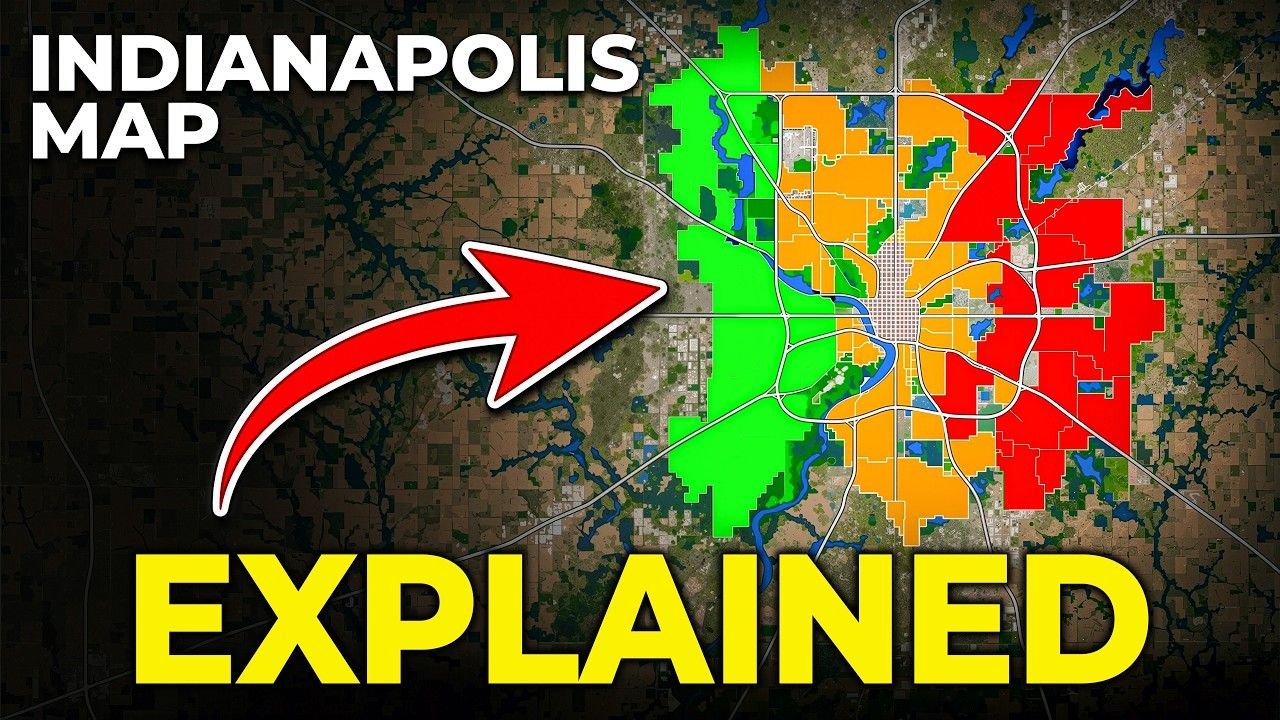
And the layout matters here more than people realize. Indianapolis is spread out. The square mileage of the city is huge. In fact, it covers more land than New York City. That does not make it denser or more urban than New York, obviously. It makes the transportation challenge tougher because destinations are farther apart and development is more distributed.
So when we talk about improving living in Indianapolis with better transit, we are not pretending it is easy. We are saying it would be useful.
Think about a simple evening out. Maybe dinner on Mass Ave, then a game at Victory Field. In a lot of cities with stronger rail or train connections, that could be a simple transit trip. In Indianapolis, it usually means driving to dinner, then driving again to the ballpark, then dealing with parking both times or at least once.
And parking is not catastrophic downtown, but it is still a factor. You may not get the exact spot you want. You may need a garage. You may need to pay. You may need to walk farther than you hoped.
Public transportation would not eliminate all inconvenience, but it would remove the whole car part of the equation. That matters even more when the night involves a drink or two and we would rather not worry about driving at all.
Where better transit would help living in Indianapolis most:
- Trips into downtown for sports, concerts, and dining
- Connecting dense suburbs to major activity centers
- Reducing parking pressure in popular districts
- Giving residents another option besides driving everywhere
- Making special event travel easier and less stressful
A rail system connecting some of the larger suburban nodes would be especially interesting. Places like Carmel, Fishers, and Greenwood have the population to make people at least imagine it.
Fishers is the best example because rail is not just a fantasy there. There used to be a train connection, and for a period people could hop on in downtown Fishers and head down to the State Fair. That is the kind of thing that makes a city feel more connected and more convenient.
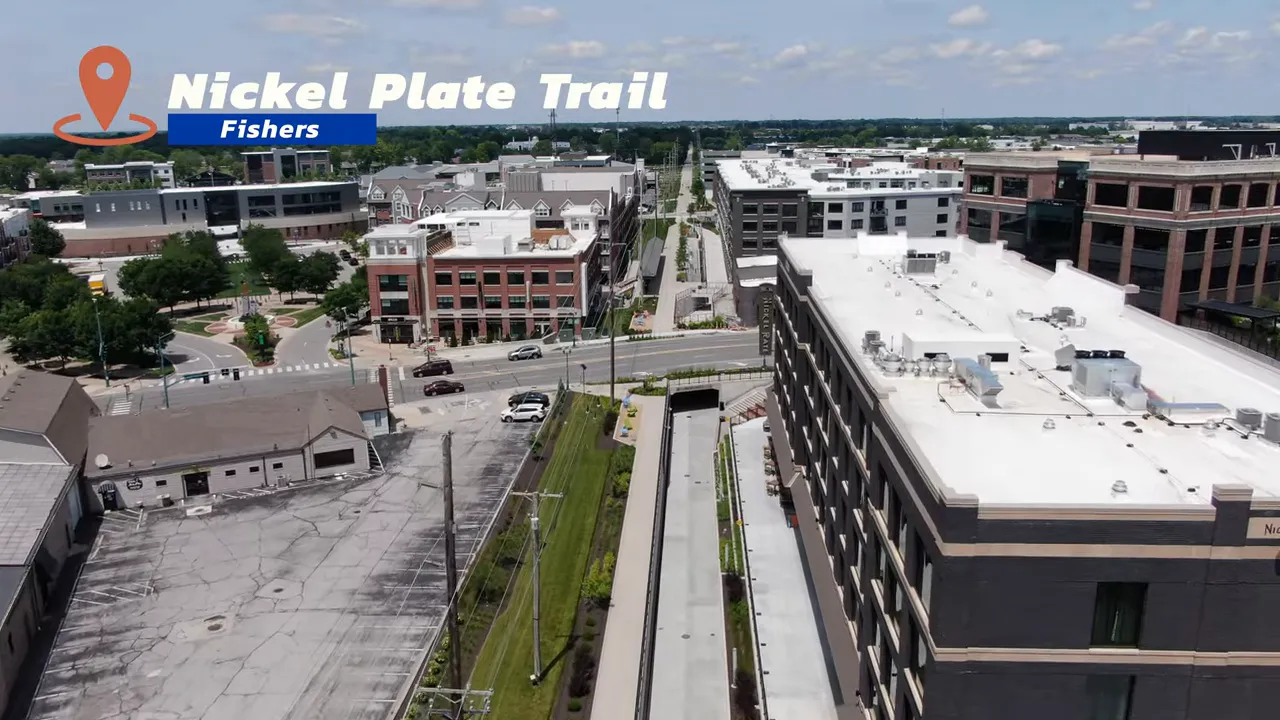
Now, the old corridor is the Nickel Plate Trail, and the tracks are gone. So we are not exactly one vote away from having commuter rail. That is part of the frustration. Once infrastructure choices are made, they are hard to reverse.
The other challenge is property. Creating a truly robust transit network means cost, land, political agreement, and long term planning. That is a lot to line up. So while we would absolutely change this about living in Indianapolis, we can also admit a fully comprehensive system is probably never happening here.
Still, there is room between what exists now and some impossible dream.
Even moderate improvements would make living in Indianapolis better for a lot of people.
Understanding Indiana's Time Zones
The third thing we would change about living in Indianapolis is one that sounds small until it starts affecting daily life. Time.
More specifically, the time zone situation.
Indianapolis sits on Eastern Time, and we are on the western edge of that zone. That matters because Chicago is not far away at all, and Chicago sits on Central Time. So the question has always lingered in the background: who should Indiana line up with?
Years ago, Indiana became part of the daylight saving time system after spending a long time as one of the more confusing places in the country when it came to clock changes. That old system created a mess because different places shifted and others did not, and depending on the time of year, alignment could feel inconsistent.
So the state simplified things by joining the standard clock change routine. Fair enough.
But that still left the issue of whether Eastern Time is actually the best fit for living in Indianapolis.
For us, this is where it gets a little goofy.
In the winter, Eastern Time has a clear advantage. It does not get dark quite as absurdly early as it would on Central. If Indianapolis were on Central Time, deep winter afternoons would feel even shorter. That would be rough.
But in the summer, the tradeoff gets weird fast.
Sunset pushes way out into the evening. Around late June and early July, it stays light incredibly late. That can sound wonderful at first, and for some things it absolutely is. Outdoor dining benefits. Golf courses benefit. Restaurants with patios benefit. Any business or activity that thrives on long summer evenings loves it.
But if we have kids and we are trying to convince them bedtime is real while the sky still looks active, that is another story entirely.
There is something a little unnatural about trying to settle down for the night when it still feels like the day has not really let go yet.
The technical side of this gets pretty wild. Sunset may happen around 9:35 to 9:45 in the heart of summer. Civil twilight drifts even later. In practical terms, that means there is still enough brightness in the sky to feel like the evening is hanging on close to 10:00.
And that has ripple effects.
- Fireworks displays need to start later.
- Evening sports and events feel pushed back.
- Prime time games begin late.
- Monday Night Football starts after 8:30.
- Bedtimes feel harder, especially for families.
It also changes how late feels. When the sky still has light in it, our brains do not always register the hour the same way. We keep going. We stay out longer. We push routines later. In summer, living in Indianapolis on Eastern Time can make the day feel stretched in a way that is fun at times but not always practical.
Now, would everyone agree with this? Absolutely not.
Some people love every extra minute of summer daylight they can get, and honestly, we get that. There are real upsides. But if we are picking something to change about living in Indianapolis, this would be on the list.
If we had our choice, we would rather be on Central Time and accept the winter tradeoff. Not everybody would. That is what makes this one controversial. Still, from a daily life standpoint, especially in summer, Eastern Time feels a little off for where Indianapolis sits geographically.
What It's Really Like to Live in Indianapolis
None of these complaints are deal breakers. That is important.
Living in Indianapolis is still a strong option for a lot of people. We have vibrant districts like Mass Ave, good suburban choices around the metro, sports, local culture, and a city that is far more usable than many bigger places. We can get downtown without making a day of it. We can spread out if we want a yard and quieter streets. We can choose neighborhoods based on the lifestyle we actually want.
That is why these three things stand out. They are not signs that Indianapolis is failing. They are signs that a city we already like could be even better.
If we could clean up the citywide safety narrative, improve transportation options, and fix the time zone weirdness, living in Indianapolis would make even more sense for even more people.
Until then, we work with the city we have. And honestly, it is still quite good.
If you're thinking about living in Indianapolis and want honest, local advice about neighborhoods, suburbs, schools, or where to start your home search, I'm here to help. Whether you're relocating across the state or across the country, I'll help you find the area that best fits your lifestyle and goals.
Call/text me anytime at 317-932-8620, or book a FREE consultation here. I look forward to helping you make your move to Indianapolis with confidence.
THINKING OF BUILDING YOUR NEXT HOME? HERE'S A LOCAL GUIDE TO BUILDERS AND PITFALLS
FAQs About Living in Indianapolis
Is living in Indianapolis dangerous?
Living in Indianapolis is not uniformly dangerous. Some areas require more caution than others, and time of day matters, but a huge portion of the city is perfectly comfortable for everyday life. The biggest problem is the overly broad reputation that paints the whole city with one label.
Do we need a car when living in Indianapolis?
In most cases, yes. Living in Indianapolis is very car dependent. There is a bus system, but it is limited in convenience and reach, especially across the metro. Most people rely on driving for direct and flexible travel.
Does Indianapolis have good public transportation?
It has some public transportation, but not a truly robust regional system. If better rail or broader transit options existed, living in Indianapolis would be easier for downtown trips, events, and suburb to city connections.
Why is the time zone an issue when living in Indianapolis?
Because Indianapolis sits on the western edge of the Eastern Time Zone. In summer, that means sunset comes very late, with lingering light close to 10:00 at night. Some people love that. Others find it awkward, especially for family routines and late starting evening events.
What is still great about living in Indianapolis despite these issues?
Living in Indianapolis still offers a lot of value. There are walkable and lively districts, strong suburban options, pro and minor league sports, restaurants, culture, and a metro that is easier to navigate than many larger cities. These three issues are real, but they do not erase the good.
Read More: MOVING TO INDIANAPOLIS: WHICH SUBURBS ARE HOT AND WHICH ARE COOLING?