When people start asking about walkable neighborhoods in Indianapolis, they are often talking about very different things.
For one person, walkable means stepping outside and being a few minutes from coffee, groceries, restaurants, and nightlife. For someone else, it means being able to push a stroller, walk the dog, or ride bikes with the kids on quiet streets without feeling like traffic is breathing down our neck. And for someone else, it might mean direct access to a trail where we can run or cycle for miles.
That is why the conversation around walkable neighborhoods in Indianapolis gets tricky. Walkability is real, but it is not one-size-fits-all. The Indy metro has a lot more of it than people assume, but the kind of walkability we get depends heavily on where we live, how much space we want, and what tradeoffs we are willing to make.
Once we start looking at Indianapolis, Carmel, Fishers, Greenwood, Plainfield, Greenfield, and the rest of the metro this way, the whole topic makes a lot more sense.
Table of Contents
- What Walkability Means in Indianapolis
- Urban Walkable Neighborhoods in Indianapolis
- Trail-Based Walkability in Indianapolis & Carmel
- Everyday Walkable Neighborhoods in the Indy Metro Area
- Walkability in Rural Areas Around Indianapolis
- Space vs Convenience in Indianapolis Walkable Areas
- How to Find Walkable Neighborhoods in Indianapolis
- FAQs About Walkable Neighborhoods in Indianapolis
What Walkability Means in Indianapolis
At the simplest level, walkability means it is reasonable to get from one place to another on foot. That sounds straightforward until we start asking what those places are supposed to be.
Are we trying to walk to dinner? To the grocery store? To a brewery? To a neighborhood trail? Or are we just hoping for a place where it feels safe and pleasant to get outside every day?
That difference matters a lot when talking about walkable neighborhoods in Indianapolis. A national walk score can only tell us so much. It might reward dense commercial areas and penalize neighborhoods that are fantastic for everyday living but not close to retail.
That is why broad scores can miss the point. Walkability is personal. We have to define it before we can find it.
THINKING OF BUILDING YOUR NEXT HOME? HERE'S A LOCAL GUIDE TO BUILDERS AND PITFALLS
Urban Walkable Neighborhoods in Indianapolis
When many people picture walkability, they are imagining a denser urban setup. Indianapolis absolutely has that in a few standout pockets.
Mass Ave is one of the clearest examples. The surrounding areas, including Lockerbie Square and Chatham Arch, offer the kind of environment where we can step out of a condo, townhouse, or even some single-family homes and be close to excellent restaurants, smaller shops, and a more energetic city feel.
Meridian-Kessler is another area that often comes up in this conversation, though the vibe is different. Instead of a compact urban district, it leans more classic and established. Think mature trees, older homes with character, and a neighborhood feel that still connects us to interesting places nearby.
These are the places that fit the classic idea of walkable neighborhoods in Indianapolis. They are desirable for good reason. But they are also not the whole story, and they are not always the best match for every household.
Why this version of walkability is harder to find
The challenge with this type of setup is supply. There simply are not endless blocks of Indy metro housing where we can have top-tier walkability to entertainment and errands while also having lots of private outdoor space.
That kind of convenience usually comes with denser housing and less separation from neighbors. If we want the grocery store, restaurants, a brewery, and other daily stops within a few minutes on foot, something usually has to give.
A Fishers example of convenience on foot
One example of this more intense kind of walkability shows up in Fishers near the Nickel Plate District.
In that setup, we can be close to a Kroger, a bank, a gas station, a liquor store, restaurants, and a breakfast spot, all while being just a short walk from the district itself and places like Sun King Brewery. On paper, that checks a lot of boxes.
But there is a catch. The housing that tends to support this lifestyle often means very limited outdoor space. Maybe there is a small deck. Maybe a little patch near the entry. Maybe a garage exit to the back. That can be enough for some people, but it feels cramped to others pretty quickly.
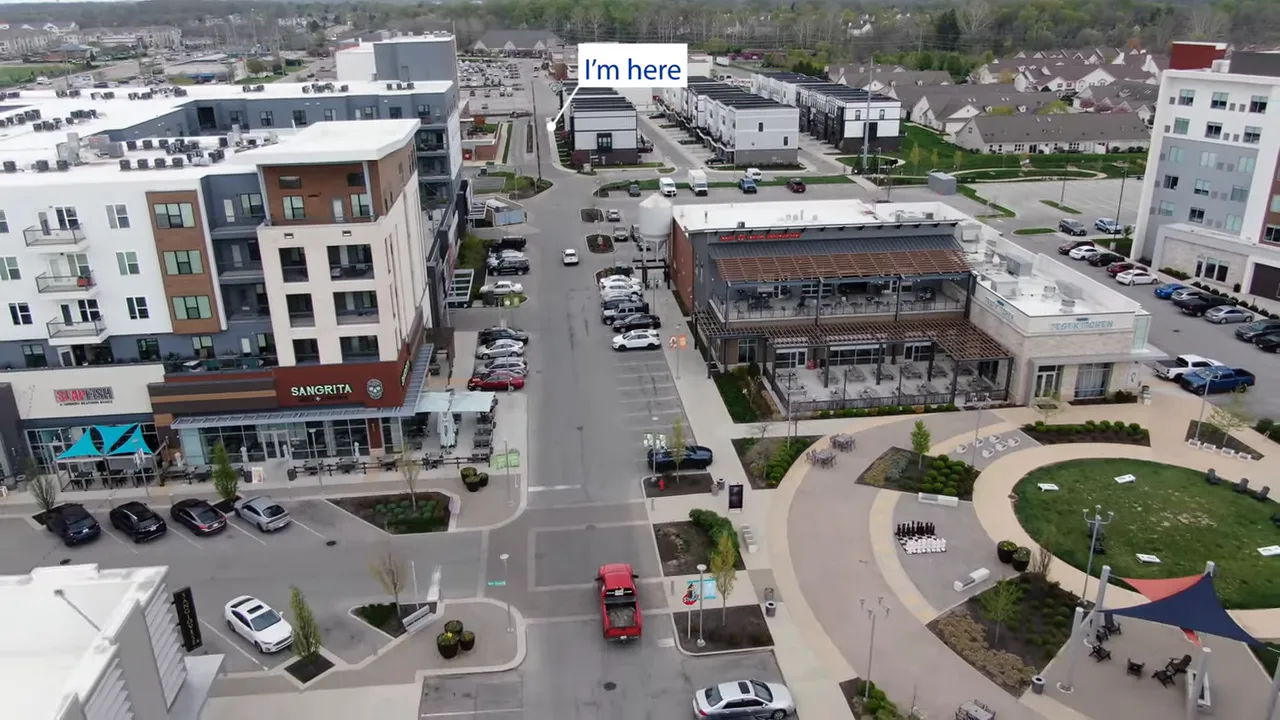
That is why this style of walkable neighborhoods in Indianapolis and the surrounding cities works beautifully for some households and not at all for others. It is appealing, but it is a niche preference compared with what most people actually ask for once they start narrowing things down.
Trail-Based Walkability in Indianapolis & Carmel
There is another version of walkability that a lot of people love, and that is living near a trail system.
In Carmel, for example, neighborhoods near the Hagan Burke Trail offer a different sort of everyday convenience. Instead of walking to shops, we can head out for a run, hop on a bike, or connect into a larger trail network. From there, access expands dramatically because the trail can tie into the Monon, which opens up routes through Carmel, toward Indianapolis, and farther north toward Westfield.
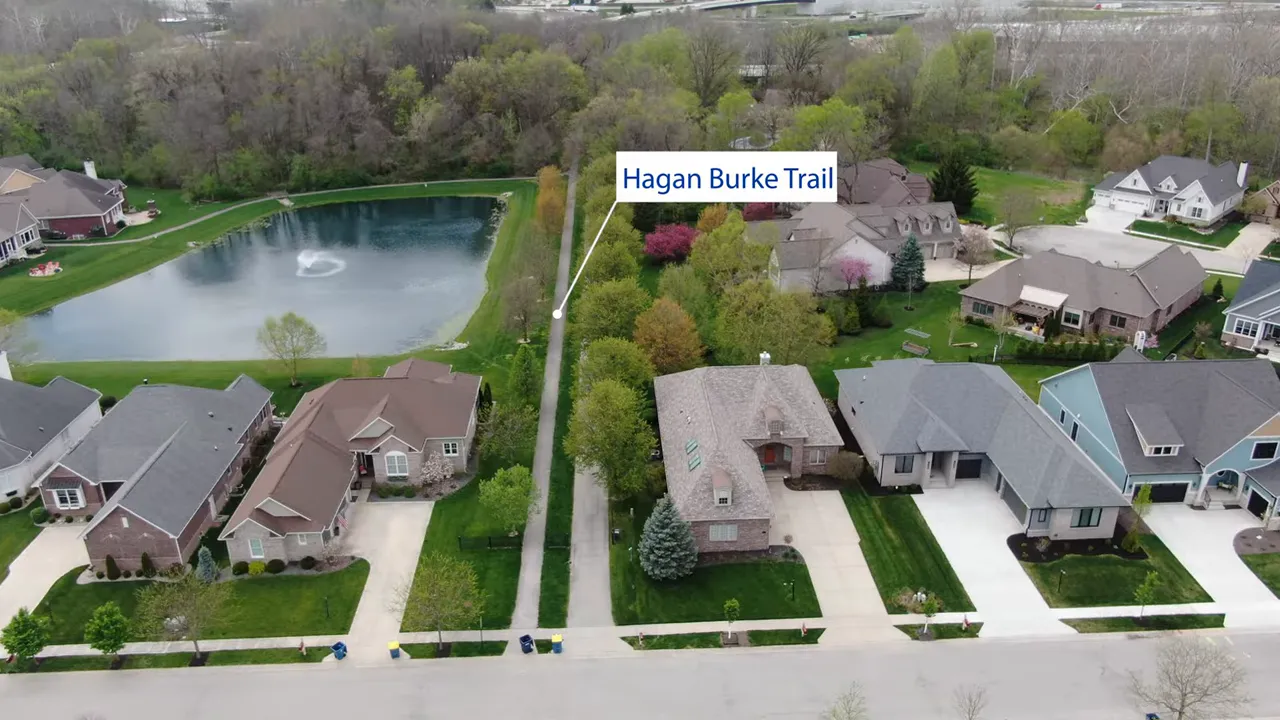
This is a great example of why walkability should not be reduced to retail. For many of us, being able to leave the house and immediately get onto a beautiful trail feels just as valuable as being near a coffee shop.
At the same time, trail-adjacent homes are not everywhere. Just like downtown-style walkability, access to a major path system is limited by geography. The homes that have it are special because not every neighborhood can.
Everyday Walkable Neighborhoods in the Indy Metro Area
This is where the conversation gets more practical.
For most people, the sweet spot is not a condo over retail and not a home perched directly on a major trail. It is a quiet neighborhood with sidewalks or low-traffic streets where it feels easy to walk, jog, push a stroller, or let the kids ride bikes.
That kind of neighborhood is all over the Indy metro.
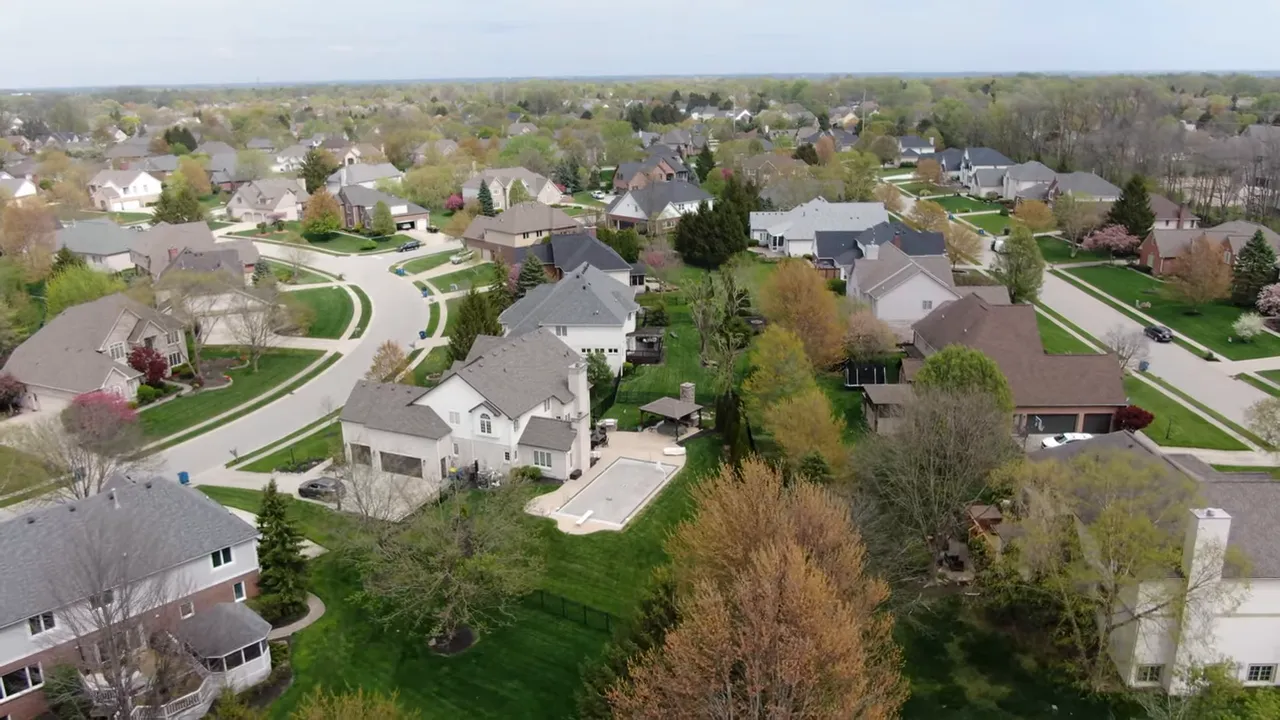
Whether we are talking about Carmel, Fishers, Greenwood, Greenfield, Plainfield, or many other communities around Indianapolis, there are countless subdivisions and established neighborhoods where the streets are calm and local. Cars that pass through are often residents rather than cut-through traffic. In some places there are sidewalks throughout. In others, sidewalks may be limited, but the street design still feels safe and comfortable for everyday movement.
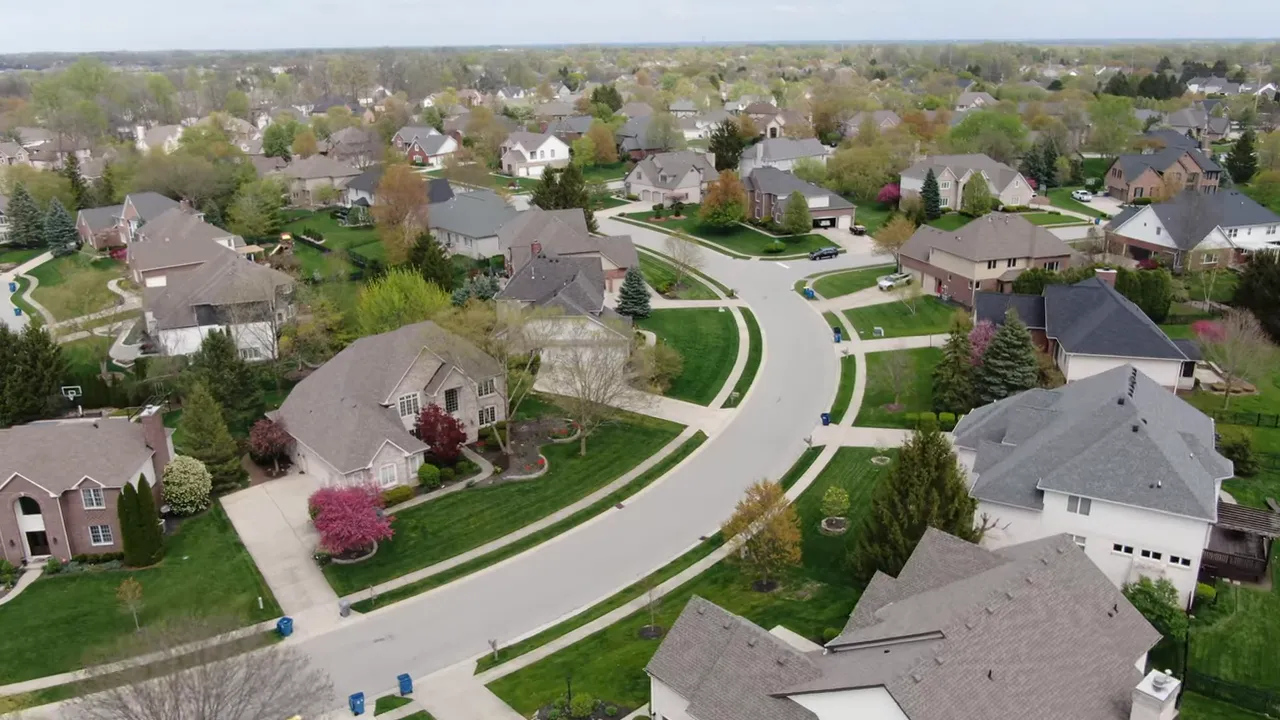
For families especially, this is often the walkability that matters most. If we can take the dog out, go for an evening walk, teach a child to ride a bike, or move around the neighborhood without stress, that is meaningful walkability even if the nearest latte is a drive away.
And honestly, this is probably the most common answer for anyone searching for walkable neighborhoods in Indianapolis. Not because it is glamorous, but because it fits real life.
Why this matters more than people expect
When people first start home shopping, they sometimes lead with the big picture idea of wanting something walkable. Once we get more specific, what they often mean is:
- They want to be able to get outside safely.
- They want a neighborhood that encourages walking.
- They want streets that feel calm.
- They want room for kids, pets, and day-to-day life.
- They do not want to sacrifice all privacy to get it.
That is a very different conversation from living above storefronts, and Indianapolis has a lot of inventory that fits it.
Walkability in Rural Areas Around Indianapolis
Once we move farther out and start looking for more land, the walkability picture changes again.
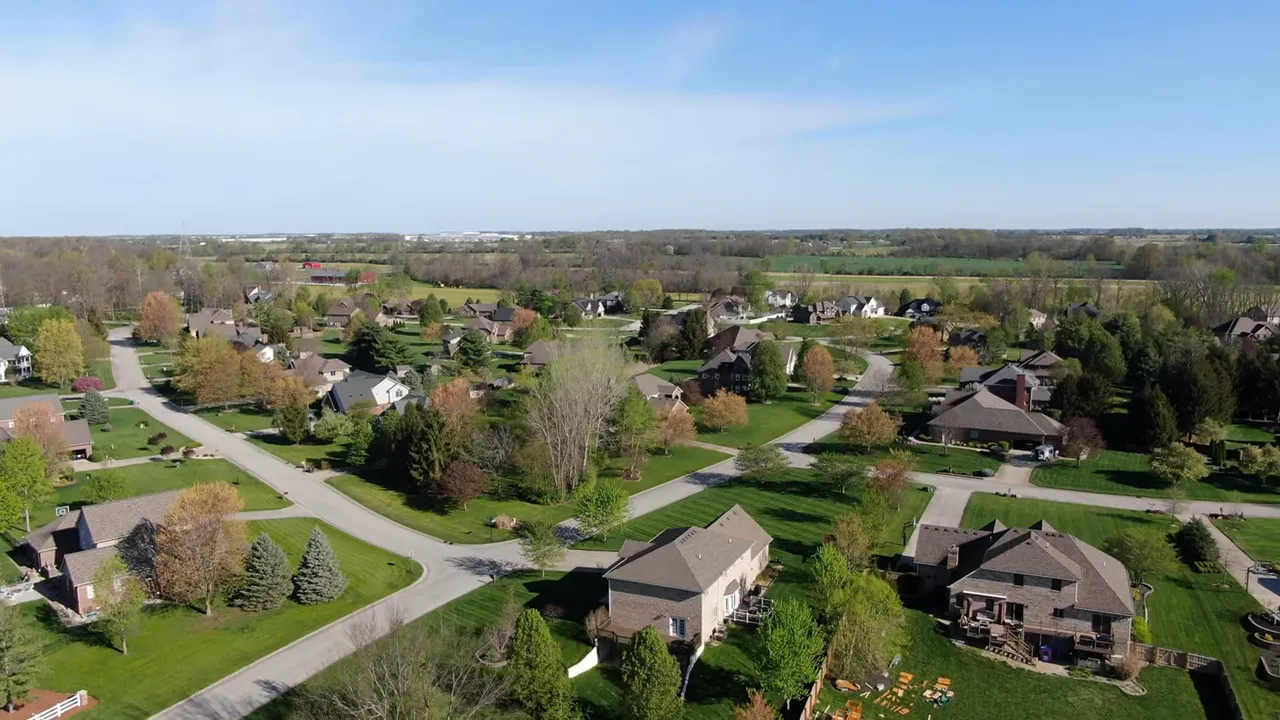
A rural or semi-rural neighborhood may still be walkable inside its own boundaries. We might have quiet loops, low traffic, and room to roam. But the moment we leave that neighborhood, the environment can shift fast.
County roads often move traffic much faster. Shoulders may be narrow or nonexistent. There may be no sidewalks, no buffer, and nowhere comfortable to walk except grass at the roadside. That is a completely different experience from suburban neighborhood streets.
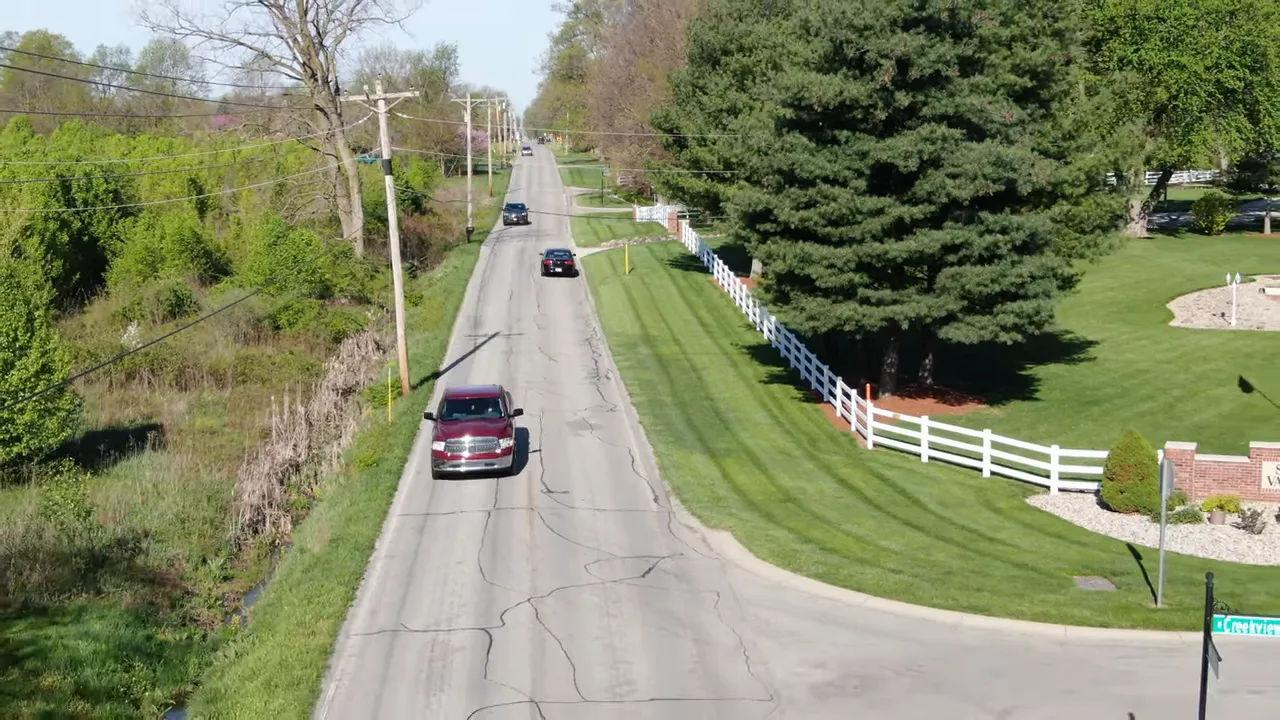
That means a property can offer space, privacy, and a beautiful setting while still being far less walkable in a practical sense. We may love the home and the land, but if we are hoping to bike with kids beyond the driveway or take long neighborhood walks without worrying about speed limits and blind spots, this can become a real drawback.
This is where some walkability rankings fall short. A rural area may score poorly, and that may be fair if the goal is running errands by foot. But even then, there can still be usable walkability inside the neighborhood itself. Again, context matters.
Space vs Convenience in Indianapolis Walkable Areas
If there is one theme that ties all of this together, it is tradeoffs.
The most retail-rich, urban-style walkability usually costs us in two big categories:
- Space
- Privacy
Homes near mixed-use centers and entertainment districts tend to be denser. Lots are smaller. Outdoor areas are limited. We may share walls or live very close to neighbors. For the right person, that is more than worth it. For most people, it is a compromise.
On the other hand, when we maximize land and privacy, we usually move away from the most convenient forms of walkability. The grocery store is no longer a short stroll. The brewery is not around the corner. Sometimes even a safe roadside walk becomes less realistic.
That middle ground is where the majority of buyers land. They want some walkability, just not at the expense of everything else.
How to Find Walkable Neighborhoods in Indianapolis
If we are trying to narrow down walkable neighborhoods in Indianapolis, it helps to ask the right questions before we start naming zip codes.
1. Decide what walkable means for our household
Start with the real day-to-day goal.
- Do we want to walk to restaurants and shops?
- Do we want grocery access without getting in the car?
- Do we want trail access for running or biking?
- Do we simply want a safe neighborhood for walks with kids and pets?
Those are all valid. They just lead to different areas.
2. Be honest about tradeoffs
If we want maximum convenience, we may have to accept less yard, less privacy, and often a higher cost per square foot.
If we want a larger home and more breathing room, we may shift toward suburban neighborhood walkability instead of destination walkability.
3. Think in terms of location and price range
Once we know the area we want and the budget we are working within, the options get clearer.
That is especially true in the middle category of walkability. In many parts of the metro, once we identify a location and price point, there are often more neighborhood options than people expect.
4. Separate lifestyle walkability from scorecard walkability
A score can be useful, but it is not the final word.
If our real goal is peaceful daily walks on safe streets, a neighborhood can be a perfect fit even if it is not highly ranked for urban errands. Likewise, a place with a high score might still be a poor fit if we need outdoor space or quiet.
Where many people end up landing
For a small slice of buyers, the best answer is truly urban, mixed-use living near the action.
For another group, the dream is a trail-connected neighborhood where recreation is right outside the door.
But for the majority, the answer is simpler. It is a calm neighborhood with sidewalks or very low traffic, in a location that works for commute, schools, budget, and day-to-day life.
That is why it is fair to say Indianapolis is more walkable than many people think. Not because it is full of Manhattan-style density, and not because every suburb is lined with storefronts, but because there are many practical, livable forms of walkability spread across the metro.
And when we define walkability the right way for our own lives, walkable neighborhoods in Indianapolis become much easier to find.
THINKING OF BUILDING YOUR NEXT HOME? HERE'S A LOCAL GUIDE TO BUILDERS AND PITFALLS
FAQs About Walkable Neighborhoods in Indianapolis
Are there truly walkable neighborhoods in Indianapolis?
Yes. Some areas offer classic urban walkability with restaurants, shops, and entertainment close by, while many others offer quieter neighborhood walkability with sidewalks, trails, or low-traffic streets.
What are examples of walkable neighborhoods in Indianapolis?
Areas around Mass Ave, Lockerbie Square, Chatham Arch, and Meridian-Kessler are often strong examples. In the surrounding cities, parts of Fishers and Carmel also offer different styles of walkability.
Are walkable neighborhoods in Indianapolis mostly downtown?
No. Downtown-style walkability is one version, but many suburban neighborhoods throughout the metro are walkable in the sense that they are safe and pleasant for daily walks, biking, and family use.
Do trail systems count as walkability?
Absolutely. For many households, direct access to trails is one of the most valuable forms of walkability because it supports exercise, recreation, and everyday outdoor time right from the neighborhood.
What is the biggest tradeoff with highly walkable areas?
Usually it is space and privacy. The closer we get to the most convenient retail and entertainment districts, the more likely we are to see smaller lots, denser housing, and less private outdoor space.
Are rural areas around Indianapolis walkable?
They can be walkable inside a neighborhood, but often become much less comfortable once we step onto nearby county roads. Faster traffic, narrow shoulders, and a lack of sidewalks can limit safe walking beyond the immediate area.
If you’re considering a move and want to find the right walkable neighborhoods in Indianapolis for how you actually live, I’m happy to help. Call/text 317-932-8620.
Tell me what matters most. Quiet streets, sidewalks, trail access, commute, and budget—and I’ll point you to the best matching areas and homes.