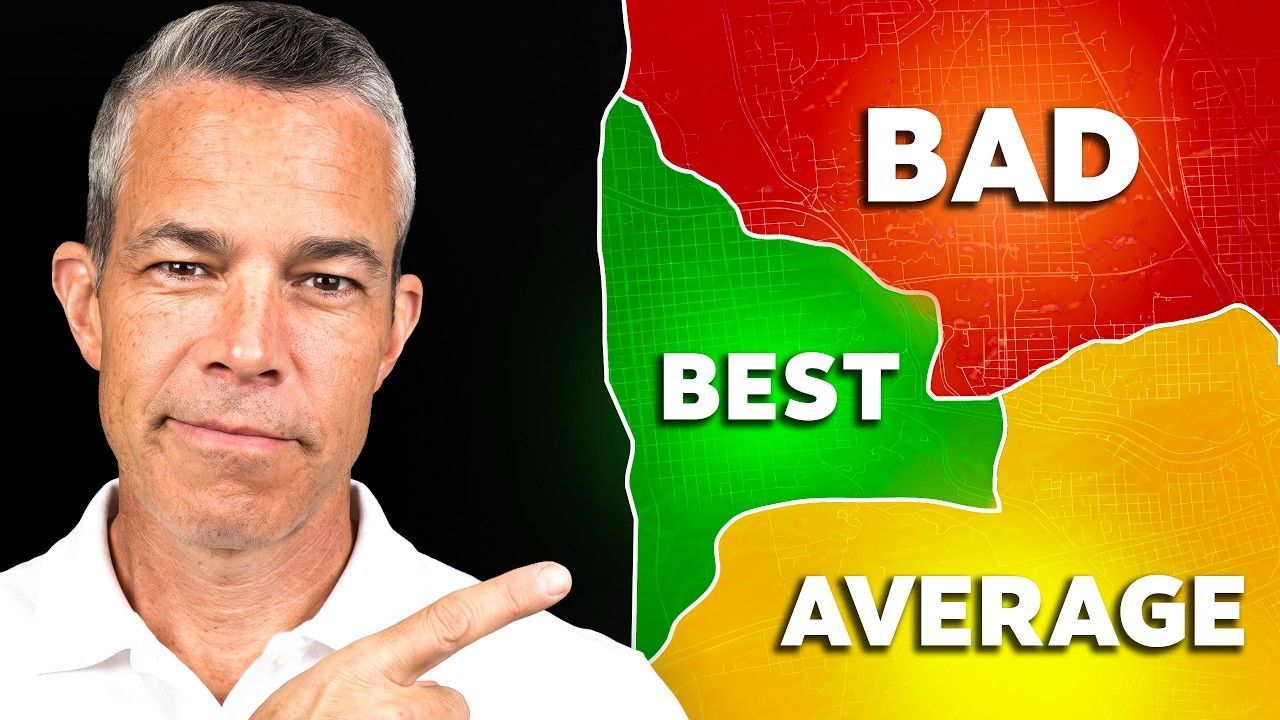
The question of why people don't live in Carmel, Indiana comes up a lot when folks are deciding where to settle in the Indianapolis metro. Carmel is a beloved city—walkable neighborhoods, great schools, and lively downtown areas—but it is not a perfect fit for everyone. Below I break down the three most common, practical reasons people decide against Carmel and offer straightforward guidance on how to evaluate those tradeoffs for your own move.
Table of Contents
- Introduction
- Reason 1: High Cost of Living in Carmel, Indiana and Limited Move-In Ready Homes
- Reason 2: Commute Times in Carmel, Indiana and Location Drawbacks
- Reason 3: Better Alternatives to Carmel, Indiana for Homebuyers Seeking Value
- How to Decide if Carmel is Right for You
- Tips for Finding the Perfect Home in Carmel, Indiana
- FAQs
- Final Thoughts
Introduction
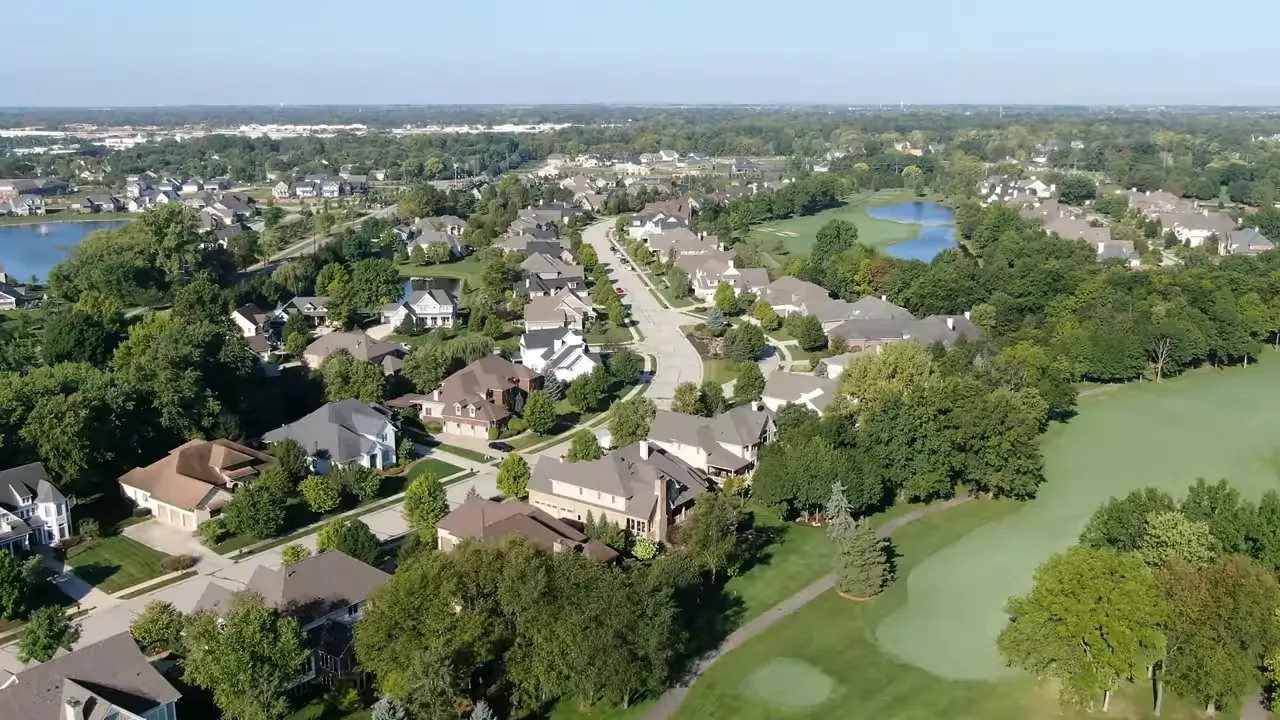
Carmel often tops the lists of best places to live around Indianapolis. That reputation is earned. Still, practical realities cause many prospective buyers to look elsewhere. When people ask why people don't live in Carmel, Indiana it usually comes down to three grounded, repeatable reasons: price and usable inventory, commute and location, and discovering other towns that meet their needs better. None of those are moral judgments about the city—just real-world constraints.
VIEW HOMES FOR SALE IN CARMEL, IN
Reason 1: High Cost of Living in Carmel, Indiana and Limited Move-In Ready Homes
On paper Carmel's market can look similar to nearby cities like Fishers or Noblesville, especially in popular price bands such as the $400,000 to $500,000 range. But when you dig into the inventory, a big reason why people don't live in Carmel, Indiana shows up: many of the homes available are older and need significant updates. That reality reduces the pool of truly move-in-ready options.
Example: houses built in the 1970s on Carmel's east side sometimes list right in that $400k–$500k sweet spot. At first glance the numbers look comparable across cities—30 single-family homes in Carmel, similar counts in Fishers—but the condition of many Carmel listings often means buyers have to budget a large renovation on top of the purchase price.
What makes inventory feel expensive even when list prices match?
- Renovation liability: Kitchens and bathrooms often need full remodels. That can easily be $50,000 to $100,000 depending on scope.
- Hidden costs: Original windows, older HVAC systems, and foundation or roofing work add tens of thousands of dollars quickly.
- Time and hassle: Some buyers prefer paying a premium for a home that’s move-in ready rather than take on a project house.
The example house shown earlier was clean and full of character but needed a lot: dated kitchen appliances, carpet issues, original 1971 windows, and layout quirks that feel isolated. It was listed at roughly $445,000. A buyer who didn’t want the renovation would often allocate more and look to nearby cities where newer, turnkey homes are available for the same or slightly higher budgets.
How to evaluate inventory before falling in love
- Use detailed filters for age and recent remodels when searching online.
- When visiting, mentally add renovation costs to the list price—think about windows, roofs, HVAC, and kitchens first.
- Ask your agent for a neighborhood breakdown: how many homes in your price band are truly move-in ready?
For many people, the conclusion of why people don't live in Carmel, Indiana in this scenario is simple: equivalent dollars buy more move-in-ready square footage in neighboring towns. That reality nudges buyers toward places like Noblesville, Westfield, or Fishers when the budget is fixed.
Reason 2: Commute Times in Carmel, Indiana and Location Drawbacks
Location is a deal-breaker more often than people expect. When the question is why people don't live in Carmel, Indiana, commute time and daily logistics are nearly always near the top of the list.
Carmel sits nicely north of Indianapolis, but that placement works better for people whose jobs, schools, and daily routines align with the north side. If you need to be downtown frequently, travel to the south side, or be close to the airport, Carmel might not be the most convenient base.
My own commute story
We loved living on the north side for a long time. Ultimately we moved east to Greenfield because my wife's job location made that move reduce hours spent commuting each week. A 30-minute trip without traffic can feel fine until you do it five days a week, twice a day, and traffic pushes it toward 40 or 45 minutes. Those minutes add up.
When evaluating why people don't live in Carmel, Indiana, treat commute as a weekly cost—not just minutes in the car but time away from family, added stress, and the difference in what you can do with those evenings and weekends.
How to test commute fit before committing
- Drive the commute at real commute times, not midday. See how traffic fluctuates.
- Try a week of simulated commutes if you can: plan to arrive at work at the same time you would if you lived in Carmel and note the travel time variations.
- Consider hybrid work schedules and how often you will need to be on-site permanently.
Reason 3: Better Alternatives to Carmel, Indiana for Homebuyers Seeking Value
The third reason ties the first two together. Some people start fixated on Carmel because of its reputation, but then they explore nearby towns and realize one of them fits their lifestyle and budget better.
Cities people discover and end up preferring include Fishers, Noblesville, Westfield, Brownsburg, Greenwood, Greenfield, Avon, and Plainfield. Each place has distinct personality and practical advantages: quieter neighborhoods, newer inventory, shorter commutes for specific employers, or simply more affordable move-in-ready homes.
Why people swap Carmel for a nearby town
- Better value: For the same money you might get a newer home, a larger lot, or a turnkey layout in a different city.
- Different vibe: Some towns are quieter; others have less nightlife but more green space. That difference matters for families.
- Practical fit: An extra 10 or 15 minutes can mean a huge improvement in daily life if it eliminates a highway section or heavy congestion.
In short, when people ask why people don't live in Carmel, Indiana they’re often answering: not because Carmel is bad, but because other places simply match their daily needs and budgets better.
How to Decide if Carmel is Right for You
Your decision should be a mix of practical checks and gut feel. Here’s a short checklist to help you move from admiration to decision.
- Inventory reality check: Determine how many true alternatives exist in your price range and how many require major updates.
- Commute trial: Drive the real commute during peak times for a week or two.
- Explore nearby towns: Spend full afternoons driving through Fishers, Noblesville, Westfield, Brownsburg, Greenwood, and Greenfield to compare lifestyle and inventory.
- Budget for renovations: If you love a project house, estimate renovation costs conservatively and add that to the purchase price when comparing to turnkey options elsewhere.
- Prioritize what matters: Schools, walkability, lawn size, nightlife, and commute all have different real-life impacts. Rank them and test those items during your visit.
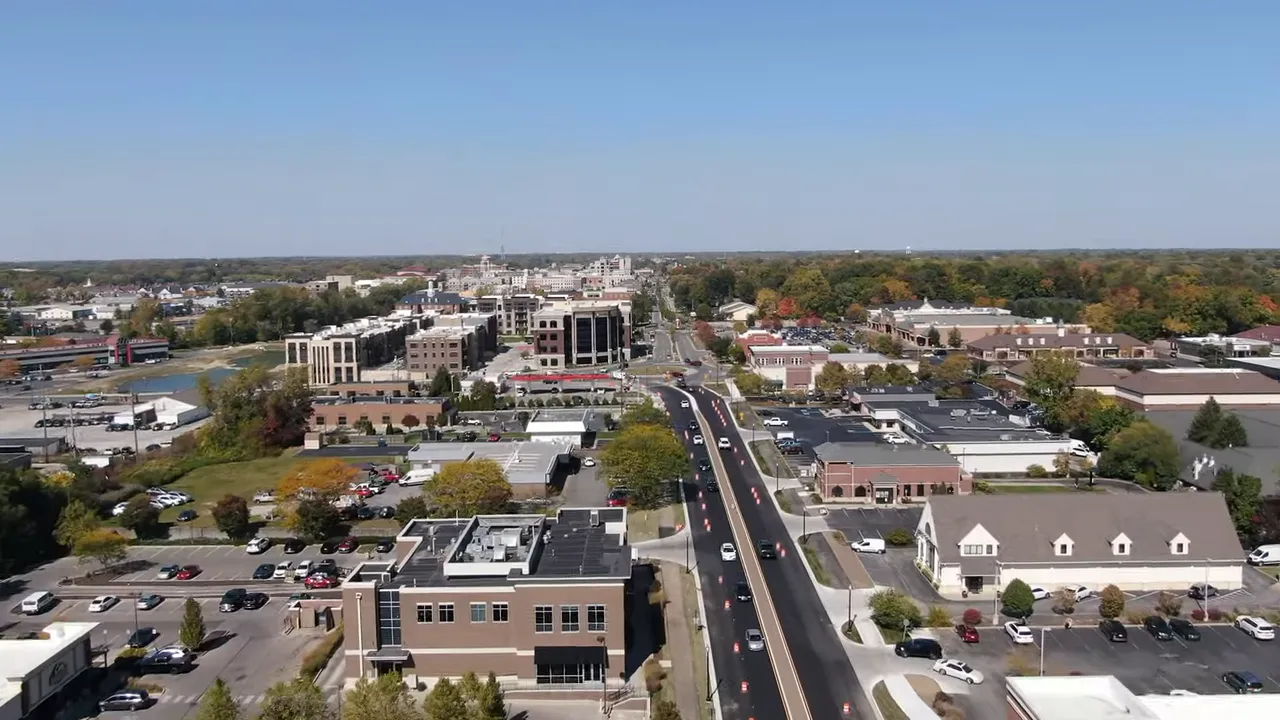
Remember that the question of why people don't live in Carmel, Indiana is rarely about one single factor. Buyers weigh location, inventory condition, budget, and lifestyle, and the right answer depends on which of those factors you value most.
VIEW HOMES FOR SALE IN CARMEL, IN
Tips for Finding the Perfect Home in Carmel, Indiana
- Focus on neighborhoods within Carmel that have newer construction if you want move-in-ready homes.
- If you find a character home that needs work, get a contractor estimate before making an offer.
- Consider expanding your search radius to include adjacent towns where similar amenities exist but prices or commute advantages are better.
FAQs
Is Carmel too expensive compared to Fishers or Noblesville?
On average Carmel is one of the more expensive places in the Indianapolis metro. However, list price comparisons can be misleading because many Carmel listings in certain price bands are older and need renovations. That means a similar budget sometimes buys a newer, more turnkey home in Fishers or Noblesville.
Will I have fewer housing options in Carmel?
You might see similar numbers of homes for sale across neighboring cities, but the number of truly viable, move-in-ready options in Carmel can be lower because of age and condition. Expect to filter more aggressively and prepare for potential renovation costs.
How do I test whether Carmel’s location will work for me?
Drive the commute during real rush hours multiple times. Factor in how often you will need to travel downtown, to the airport, or to other parts of the metro. Convert commute minutes into weekly time and then decide whether that tradeoff is acceptable.
Which nearby towns should I consider as alternatives?
Fishers, Noblesville, Westfield, Brownsburg, Greenwood, Greenfield, Avon, and Plainfield are common alternatives. Each has unique pros and cons—visit them to compare schools, housing age, price, and neighborhood feel.
What if I love Carmel but can’t find a move-in-ready home?
Decide whether you want a project house or prefer turnkey. If you love the location and are willing to renovate, factor in realistic renovation budgets and timelines. If not, broaden your search to adjacent towns for similar amenities at different price points.
Final Thoughts
If you want help evaluating neighborhoods or an itinerary of places to drive through, reach out to someone local who can show you a curated set of options. A guided tour saves time and helps you understand why people don't live in Carmel, Indiana for practical reasons—and whether those reasons apply to you.
Ready to see Carmel and nearby alternatives with a curated, time-saving tour? Call or text me today at 317-932-8620 and we'll set up an itinerary and answer any neighborhood or market questions.
READ MORE: The Ultimate Guide to Living in Indianapolis: Practical Tips for Newcomers