Table of Contents
- Introduction
- Why Tornadoes in Indiana Feel So Weird: Localized Damage and Its Impact
- When Are Tornadoes Most Likely in Indiana? Understanding Seasonal Patterns
- How Population Density Affects Tornado Risk in Indiana
- Putting Tornado Risk in Indiana Into Perspective: Stats and Reality
- Practical Steps to Reduce Tornado Worry and Increase Safety in Indiana
- Real Examples of Tornado Risk in Carmel and Brownsburg, Indiana
- FAQs
- Final thoughts
Introduction
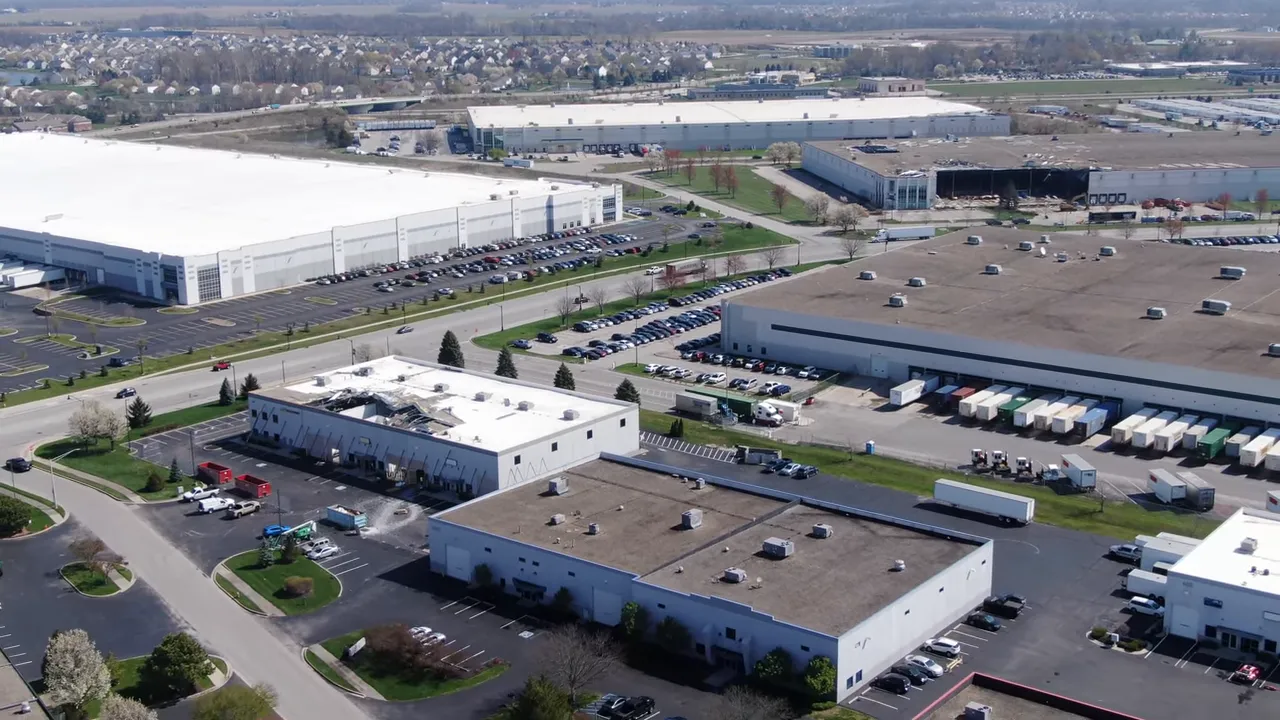
I went to the industrial section of Brownsburg to look at the damage up close. A large warehouse had a side torn off, part of the roof ripped away, and debris hanging from the rafters. Yet just across the lot many buildings and trees looked untouched. That sharp contrast is the reason people ask about tornado risk in Indiana and what it actually means for day to day life here.
VIEW HOMES FOR SALE IN BROWNSBURG, IN
Why Tornadoes in Indiana Feel So Weird: Localized Damage and Its Impact
Tornadoes are terrifying because of the concentrated damage they can cause. But they are also odd in how localized that damage can be. The tornado that hit Brownsburg left one warehouse nearly obliterated while trees across the street looked fine. That isolation is a key part of understanding tornado risk in Indiana.
Think of a tornado more like a narrow, intense gust of destruction rather than a broad, continuous storm system. Unlike hurricanes, a tornado's footprint can be very small. That makes outcomes highly variable: one property reduced to rubble, the neighbor untouched.
When Are Tornadoes Most Likely in Indiana? Understanding Seasonal Patterns
Most tornadoes happen in spring. In Indiana, March through May brings the right mix of cold leftover air and warm, moist rising air that fuels severe thunderstorms and occasionally produces tornadoes. That seasonal pattern doesn't mean tornadoes are daily or constant, but it does mean that tornado risk in Indiana rises in the spring months.
How Population Density Affects Tornado Risk in Indiana
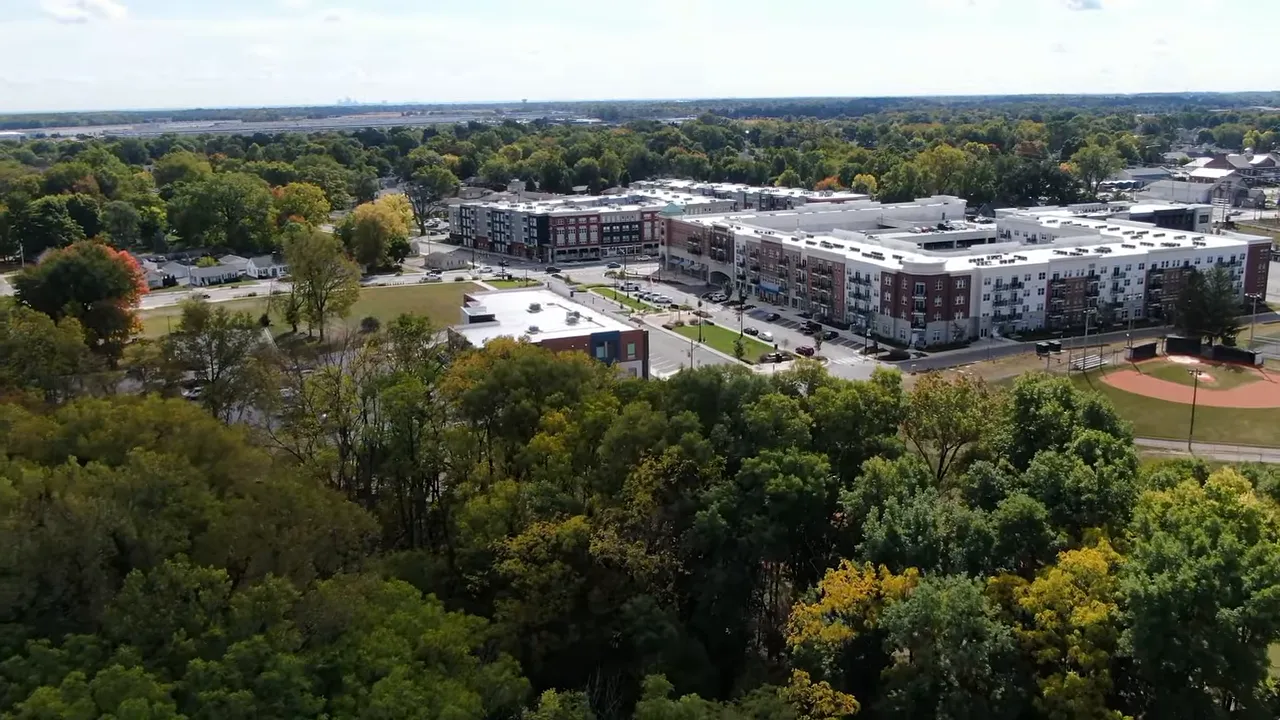
Statistically, most tornadoes strike rural areas because most of the land is rural. That keeps the number of human impacts lower than what people imagine when they picture a tornado tearing through a city. The Brownsburg and Carmel events are unusual because they touched more densely used areas, including warehouses and parts of town near the Monon Trail and City Center.
THINKING OF BUILDING YOUR NEXT HOME? HERE'S A LOCAL GUIDE TO BUILDERS AND PITFALLS
Putting Tornado Risk in Indiana Into Perspective: Stats and Reality
Yes, tornadoes happen every year in Indiana. The state sits near Tornado Alley and sees a handful of tornado events annually. But most are:
- Small in size — many are narrow and short-lived.
- Isolated — damage zones can be very limited.
- More likely in spring — seasonal atmospheric setup favors storms.
Those facts do not make tornadoes safe to ignore. They explain why people in the Midwest live with awareness but not constant fear. If tornado risk in Indiana is a major concern for you, factor that into housing choices, but remember that most residents never experience a direct hit at their home.
Practical Steps to Reduce Tornado Worry and Increase Safety in Indiana
- Know seasonal timing and watch weather alerts closely during spring.
- Identify your safe room: basement, interior hallway, or a small windowless room.
- Have a storm kit with water, flashlight, and a battery-powered radio.
- Learn local siren systems and how alerts are issued in your town.
- If relocating, ask about historical severe weather in the neighborhood and nearby tornado paths.
Real Examples of Tornado Risk in Carmel and Brownsburg, Indiana
In Carmel and Midtown, the tornado hit near busy areas like breweries and office suites. It happened late at night, so many people were safely at home. That timing reduced injuries and illustrates how timing and location intersect with tornado risk in Indiana.
VIEW HOMES FOR SALE IN CARMEL, IN
FAQs
Are tornadoes common in Indiana?
Tornadoes occur in Indiana every year, but most are small and many strike rural areas. They are more common in spring months, so awareness rises during March through May.
How worried should I be about tornado risk in Indiana?
Worry is understandable, but most residents learn preparedness and carry on with normal life. Statistically, a direct hit to any single home is unlikely, but being prepared reduces risk and stress.
What should I do if a tornado warning is issued?
Move to your safe room immediately: basement or an interior room without windows on the lowest floor. Bring supplies and stay tuned to local news or a battery radio until the all-clear is given.
Do tornadoes only hit in rural areas?
No. Tornadoes more often strike rural areas because most land is rural, but they can and do hit populated places. Recent examples near Carmel and Brownsburg show damage in more developed areas.
Final thoughts
Tornado risk in Indiana is real but often misunderstood. The combination of seasonal peaks, the typical small size of many tornadoes, and the tendency for most to hit less populated land keeps the overall probability of personal impact relatively low. Still, respect the storm, prepare sensibly, and use local resources to stay informed. If you want to talk through specific concerns, discussing location-specific risk and shelter options can make moving decisions and daily life feel a lot more manageable. If you're looking to buy a home and want guidance on choosing a property with tornado risk in mind, contact me — call or text at 317-932-8620.
READ MORE: The Least Expensive Part of Carmel Indiana Isn't In Carmel