When people ask me where I would live if location, schools, and quality of life were the top priorities, I put living in Carmel, IN high on the list. Carmel blends strong public services, smart infrastructure, clean neighborhoods, and easy access to the rest of the Indianapolis area. Below I walk through the five reasons that keep Carmel on my short list and why so many families consider living in Carmel, IN to be a smart move.
Table of Contents
- Introduction
- Reason 1 — Top-Rated Schools and Opportunity in Carmel, IN
- Reason 2 — It’s Exceptionally Clean and Safe in Carmel, IN
- Reason 3 — Infrastructure That Keeps Life Moving in Carmel, IN
- Reason 4 — Central Location in the Metro Area
- Reason 5 — A Fully Functional Local City
- Parks, Trails, and Outdoor Life in Carmel, IN
- Balancing the Tradeoffs
- Quick Practical Notes
- Is Living in Carmel, IN Right for You?
- Neighborhood Tips
- FAQs
- Final Thoughts on Living in Carmel, IN
Introduction
Not every town is the same for every household. For my family the five priorities that make living in Carmel, IN appealing are: excellent schools, a clean and safe environment, thoughtful infrastructure, central location, and a full complement of local services and parks. Each of these matters differently to different people, but together they form a compelling package for family life, long-term home value, and day-to-day comfort.
VIEW HOMES FOR SALE IN CARMEL, IN
Reason 1 — Top-Rated Schools and Opportunity in Carmel, IN
Good schools are often the starting point for any family considering a move, and living in Carmel, IN means belonging to a district that consistently ranks well. Carmel High School is a great example: a large campus, a deep roster of extracurriculars, and thousands of students on site every day. That kind of scale brings opportunity — a broad spectrum of sports, music, and academic programs — but it also brings competition.
Why scale matters: a larger high school like Carmel’s supports specialized programs that smaller districts simply cannot sustain. That opens doors for students who want more choice in classes, advanced placement, and extracurriculars. At the same time, families should expect that tryouts and admissions to certain teams or ensembles will be competitive.
If you are thinking about living in Carmel, IN, weigh both sides: access to advanced programs and a robust public system versus the natural competitiveness that comes with popularity. Private and homeschool options exist nearby too, but many families choose the public system here because of its consistent track record.
Reason 2 — It’s Exceptionally Clean and Safe in Carmel, IN
One of the first things that hits you about Carmel is how tidy it feels. Living in Carmel, IN means streets, parks, and public spaces that are well maintained. Across neighborhoods you’ll see newer developments and older pockets, but overall the city projects a neat, cared-for character.
A clean city is not just aesthetic. It signals priorities about public works, code enforcement, and community pride. For many families, that feeling of order adds to daily peace of mind. Crime rates are generally low, and visible signs of neglect are rare. If you prefer neighborhoods that look intentionally cared for, living in Carmel, IN will feel reassuring.
Reason 3 — Infrastructure That Keeps Life Moving in Carmel, IN
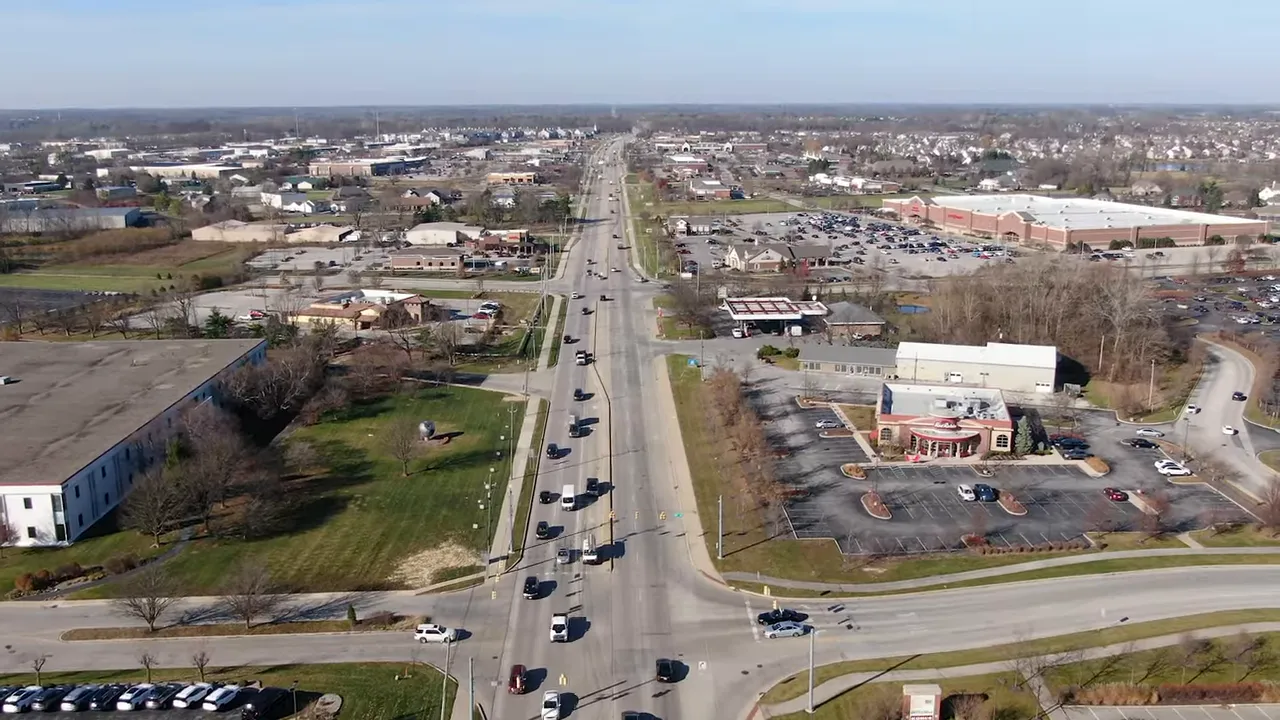
What urban planners often praise and what residents immediately appreciate is the way Carmel handles traffic and circulation. Living in Carmel, IN means experiencing a network built to move people efficiently: continuous arterial roads, limited stoplights where possible, and a strategic use of roundabouts.
Roundabouts can be polarizing — people either love them or think they are confusing. My take: when they are used well, roundabouts keep traffic flowing more smoothly than a string of stoplights and reduce the delay of left-turn backups. The city removed many traditional lights along major north-south arteries and replaced choke points with roundabouts and other flow-improving measures. The result is less time idling and fewer gridlock moments, even as the population grows.
Practically speaking, living in Carmel, IN means fewer frustrating stops on routine drives. You still encounter delays around big events and during rush hour, but overall the system preserves forward momentum. That matters when you’re driving kids to school, heading to work, or running errands.
Reason 4 — Central Location in the Metro Area
Proximity matters. Living in Carmel, IN places you within a short drive of Indianapolis, Fishers, Westfield, and Zionsville. The city sits in a hub-like spot where regional destinations are easily reachable for work, entertainment, or sports.
That centrality is useful in daily life. Want to catch a concert at a nearby amphitheater? Fishers is close by. Need to attend a tournament at Grand Park? Westfield is within easy reach. Even if your permanent address is not inside Carmel, you can still enjoy many of the restaurants, cultural venues, and parks that make living in Carmel, IN attractive. The city functions as both a destination and a neighborhood within a larger metropolitan web.
Reason 5 — A Fully Functional Local City
Carmel stands alone in the sense that you do not have to leave to meet most everyday needs. Living in Carmel, IN means local access to grocery stores, big-box retailers, many restaurants, medical services, and corporate employers. For routine life, everything you need tends to be close by.
That local completeness is one reason people choose suburban cities: the feeling that you can live, work, shop, and play without long commutes. At the same time, this density and convenience produce a suburban energy level. If you prefer a quieter, more rural pace, living in Carmel, IN might feel too active. It comes down to lifestyle preference — a tradeoff between convenience and calm.
Parks, Trails, and Outdoor Life in Carmel, IN
Parks are part of the quality-of-life equation. Carmel has a strong park system with trails, ponds, and family-friendly green spaces. Places like Founders Park provide easy options for short walks, runs, and time outdoors without a long drive.
For families and active people, having nearby parks makes daily routines easier. It’s one more reason why living in Carmel, IN is appealing to people who want access to nature and recreation inside a suburban setting.
Balancing the Tradeoffs
No place is perfect. For our family the decision ultimately came down to location — the commute patterns and daily logistics that mattered more than the city’s many strengths. If your priorities align with school quality, cleanliness, thoughtful infrastructure, central access, and full local services, then living in Carmel, IN will check a lot of boxes.
If instead you prefer quieter, more rural spaces with fewer neighbors and less traffic, then a nearby city or town might be a better fit. The Indianapolis metro has many options — Fishers, Westfield, Noblesville, and smaller communities like Greenfield — each with a different balance of affordability, space, and proximity to Carmel’s amenities.
Quick Practical Notes
- Parking and school traffic: large schools mean heavy morning and afternoon flows. Weekday drop-off and pick-up times can be congested near Carmel High School.
- Housing and value: the strength of the local schools and amenities supports home values in Carmel. Living in Carmel, IN often comes with a price premium compared with some neighboring towns.
- Private school options: there are choices nearby, but some carry religious affiliations. If you need a secular private option you may have to travel a bit farther.
- Roundabout learning curve: if you are not used to them, allow yourself a short adjustment period. Most people find roundabouts reduce overall travel time once they are comfortable navigating them.
Is Living in Carmel, IN Right for You?
Ask yourself these questions: Do you want a top public school system? Do you appreciate meticulous public spaces and strong infrastructure? Do you like having grocery stores, restaurants, parks, and cultural venues within easy reach? If your answer is yes to most of those, then living in Carmel, IN deserves serious consideration.
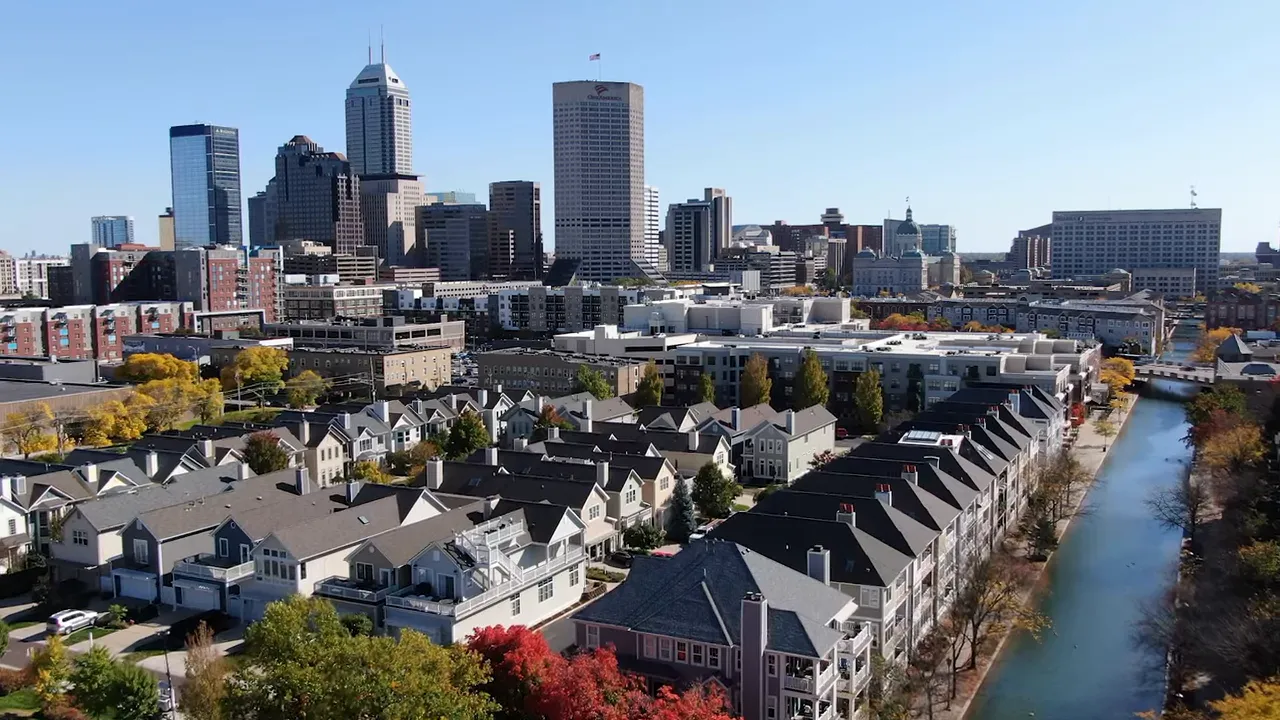
THINKING OF BUILDING YOUR NEXT HOME? HERE'S A LOCAL GUIDE TO BUILDERS AND PITFALLS
Neighborhood Tips
- Explore both new developments and older sections. The newer areas often offer modern layouts and amenities; older neighborhoods provide variety and sometimes more established trees and character.
- Drive typical commute routes at peak times before you decide. Carmel’s infrastructure improves flow, but knowing actual travel times for your routine is invaluable.
- Visit parks and downtown areas on different days and times to get a feel for the local energy — evenings, weekend afternoons, and weekday mornings can feel very different.
- Talk to local parents about school programs and competition levels if you have school-age children. Popular programs are great, but they can be selective.
FAQs
How are the public schools in Carmel, IN?
Public schools in Carmel are consistently highly rated. The high school is large, with thousands of students and a wide variety of academic and extracurricular opportunities, though the size brings some competitiveness for selective programs.
Is Carmel, IN safe and well maintained?
Yes. Carmel has a reputation for being clean, well-maintained, and generally low in violent crime. Streets, parks, and public places are kept in good condition, which contributes to a strong community feel.
Do roundabouts make driving difficult in Carmel, IN?
Roundabouts are common and designed to keep traffic moving. They can be confusing at first if you are not used to them, but they typically reduce delays and improve flow compared with many stoplight-controlled intersections.
Is Carmel, IN a good central spot for the Indianapolis area?
Yes. Carmel sits in a central position relative to Indianapolis, Fishers, Westfield, and Zionsville, making it convenient for regional access to entertainment, sports venues, and employers.
What are some downsides to living in Carmel, IN?
Main tradeoffs include higher housing costs compared to some nearby towns and a suburban energy level that may feel busy to people who prefer rural calm. Schools are strong, but the popularity means some programs are competitive to get into.
Final Thoughts on Living in Carmel, IN
Carmel offers a thoughtful combination of strong schools, well-run public spaces, deliberate infrastructure, and local completeness. For many families these qualities make living in Carmel, IN an easy recommendation. If convenience, community upkeep, and solid public services align with your priorities, Carmel merits a top-tier spot on your shortlist.
At the end of the day, the best way to decide is to spend time in different neighborhoods, try out the commute, and see if the city’s energy matches your family’s daily rhythm. Carmel is a model of suburban planning in many ways, and for many households living in Carmel, IN is a lifestyle upgrade that feels both practical and pleasant.
If you need help buying a home in this area, contact me — call or text 317-932-8620 and I’ll help you find the right property and navigate the search.
READ MORE: Living in Indianapolis: The $7B Plan Transforming Downtown