If we are moving to Indianapolis and trying to find that sweet spot between affordability, convenience, and future upside, it helps to look beyond the usual headline suburbs. Carmel, Zionsville, Fishers, and Westfield get most of the attention, and for good reason. They are established, popular, and in many cases expensive.
But if our goal is to get into an area while it still feels a little earlier in the growth cycle, there are better places to study. Around Indianapolis, two areas stand out more than the rest when we start thinking about space to grow, infrastructure that supports it, and housing that can still be more approachable.
Those two areas are Hancock County to the east and Boone County to the northwest.
For anyone moving to Indianapolis, this matters because the metro is not just Indianapolis itself. It is a much bigger network of counties, towns, corridors, and development patterns. Once we understand how that metro is laid out, the opportunities become much easier to see.
Table of Contents
- Moving to Indianapolis Metro Overview
- Indianapolis Donut Counties Explained
- Why Hancock County Stands Out in Indianapolis
- Greenfield, Indiana Location Advantage
- East Indianapolis Jobs & I-70 Corridor
- Hancock County Housing Market
- Boone County Growth
- Boone vs Hancock County Comparison
- Indianapolis Home Search Strategy
- FAQs About Moving to Indianapolis
- Final Thoughts
Moving to Indianapolis Metro Overview
When people think about Indianapolis, they often picture the area inside I-465. That ring road is useful, but it does not tell the whole story. Indianapolis largely covers Marion County, with a few exceptions like Speedway and a handful of excluded areas, but the metro is much broader than that.
The Indianapolis metro is around 2 million people. Indianapolis itself is roughly 970,000. That means nearly another million people live in the surrounding counties and communities that feed into the metro every day.
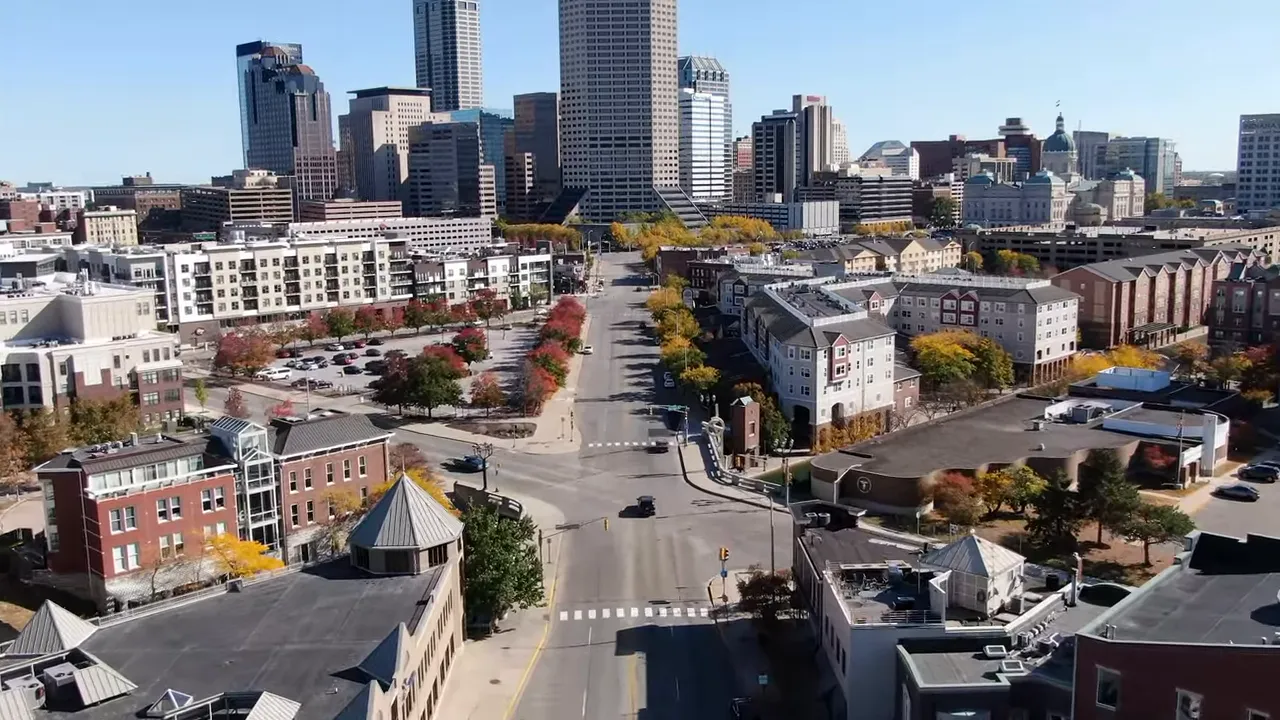
That is important for anyone moving to Indianapolis because lifestyle choices do not stop at the county line. We are really choosing from an entire region.
THINKING OF BUILDING YOUR NEXT HOME? HERE'S A LOCAL GUIDE TO BUILDERS AND PITFALLS
Indianapolis Donut Counties Explained
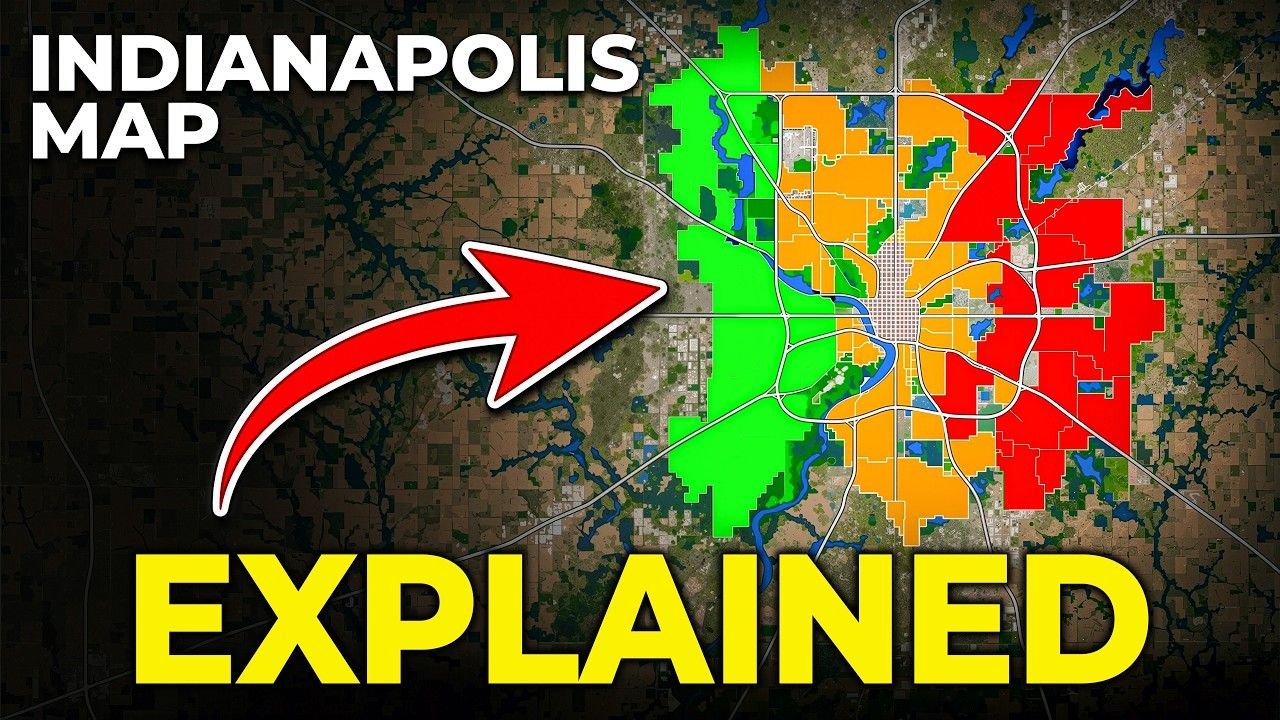
A good way to think about the region is through the so-called donut counties that wrap around Marion County. The main ones that matter most in this conversation are:
- Hamilton County to the north
- Hendricks County to the west
- Johnson County to the south
- Hancock County to the east
Hamilton County is where we find Carmel, Fishers, Westfield, and Noblesville. These are some of the most sought after suburbs in the area. Hamilton County is already heavily built out and carries a lot of population. Carmel is over 100,000. Fishers is over 100,000. Noblesville is now above 70,000. The county overall is around 375,000.
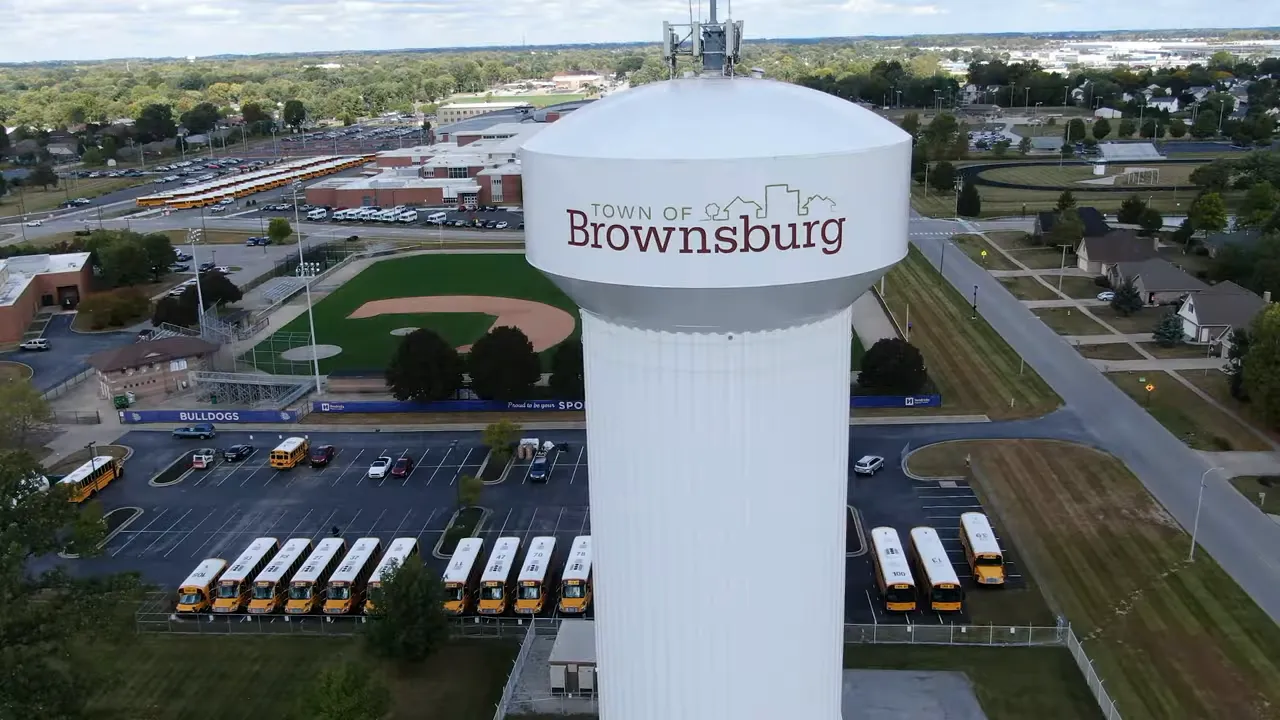
Hendricks County includes Brownsburg, Avon, and Plainfield. It is also well established and has grown a lot over the last 20 years. It now sits around 190,000 people.
Johnson County, anchored by Greenwood, is another major player to the south. It is around 170,000 people and offers a mix of larger and smaller communities.
All three of those counties are solid choices. But if we are moving to Indianapolis and specifically want an area that feels less mature, less expensive in many cases, and more likely to keep changing over the next 10 to 20 years, then our attention shifts east and northwest.
Why Hancock County Stands Out in Indianapolis
If we had to pick the single area with the most explosive growth potential around Indianapolis over the next decade or two, Hancock County has a very strong case.
What makes it so interesting is the mismatch between its location and its current population. The county is right next to Marion County, close to major transportation routes, and increasingly tied to the eastward expansion of the metro. Yet it only has about 77,000 people in the entire county.
That is a tiny number compared with the scale of the Indianapolis area. In other words, there is room. A lot of room.
The main communities to know here are:
- Greenfield , around 25,000 people
- McCordsville , a little above 10,000
- Fortville , around 5,000
- New Palestine , just under 4,000
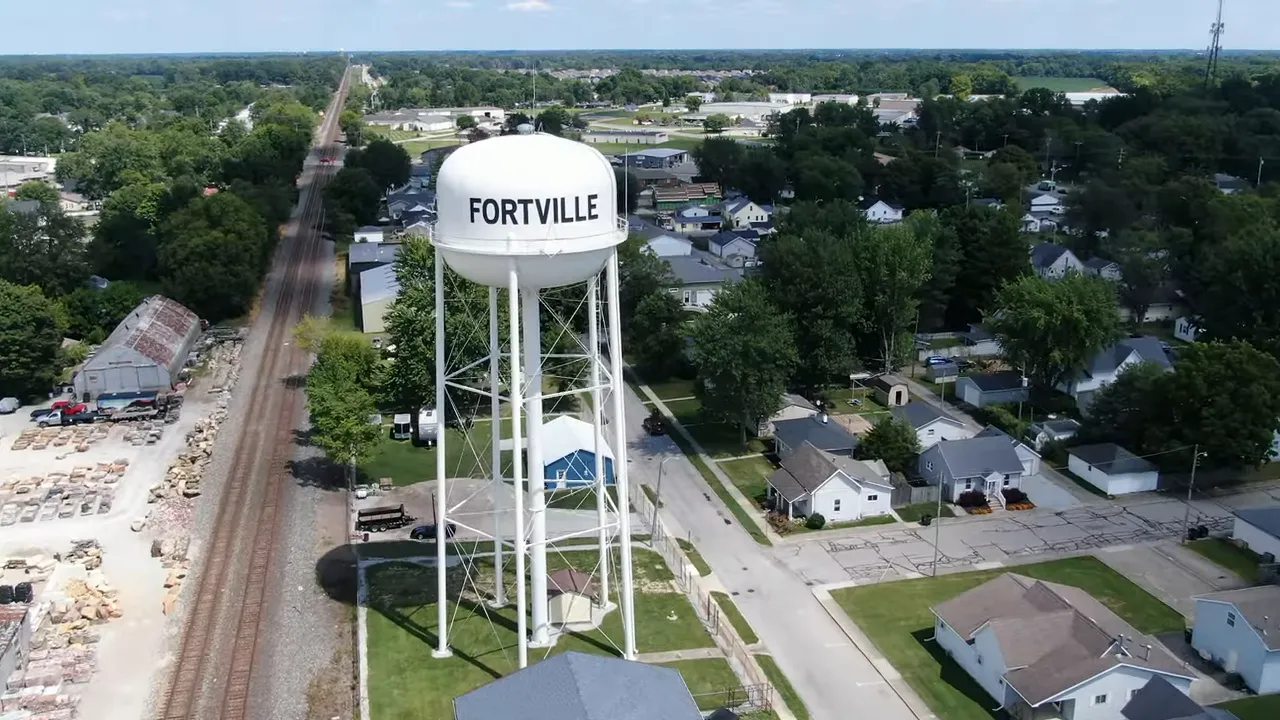
For anyone moving to Indianapolis, those places may not be the first names that come to mind. That is exactly why they are worth talking about.
Greenfield, Indiana Location Advantage
One of the biggest misconceptions in the eastern metro is Greenfield. On a standard map, Greenfield can look like it is way out to the east and disconnected from the city. In practice, that is not really how it functions.
Greenfield addresses stretch much farther west than many people realize, reaching close to the county line. Some properties and large commercial sites that feel much closer to Indianapolis still carry Greenfield addresses.
That matters because there is a psychological difference between something that looks distant on a map and something that is actually an easy drive. east-west travel on I-70 through this corridor is generally very manageable when there is no construction issue or accident. The interstate has been expanded, much of it runs with three lanes, and access is straightforward.
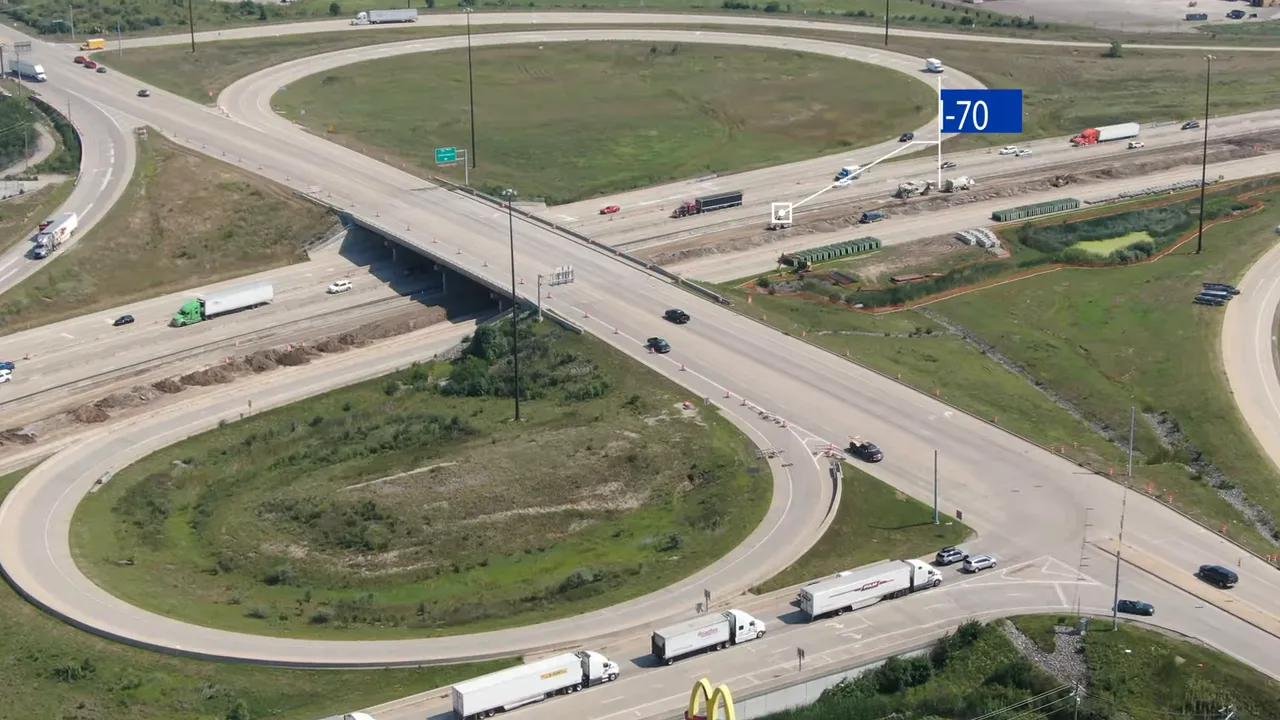
So if we are moving to Indianapolis and want a place that still offers some breathing room without feeling cut off, Greenfield and the surrounding Hancock County corridor become a lot more compelling.
East Indianapolis Jobs & I-70 Corridor
Growth rarely happens in a vacuum. It tends to follow access, jobs, and infrastructure. Hancock County checks all three boxes.
The east side has a major logistics story unfolding. There are large industrial and fulfillment developments near I-70, including a huge Amazon facility and a massive Walmart distribution center. Walmart chose this area for what has been described as its largest fulfillment center in the country, totaling about 2.2 million square feet.
When companies make investments on that scale, they are not guessing. They are betting on long term utility, labor access, transportation efficiency, and room for expansion.
And it is not just highway access. This same corridor is close to Indianapolis Regional Airport, which is a major asset for business and logistics. It is smaller than Indianapolis International, of course, but it is still highly useful and very well placed.
There is also a planned additional interstate exit in this area. That may sound like a technical detail, but it is a major signal. We do not add interstate exits for no reason. New exits typically come when future traffic and future development are expected.
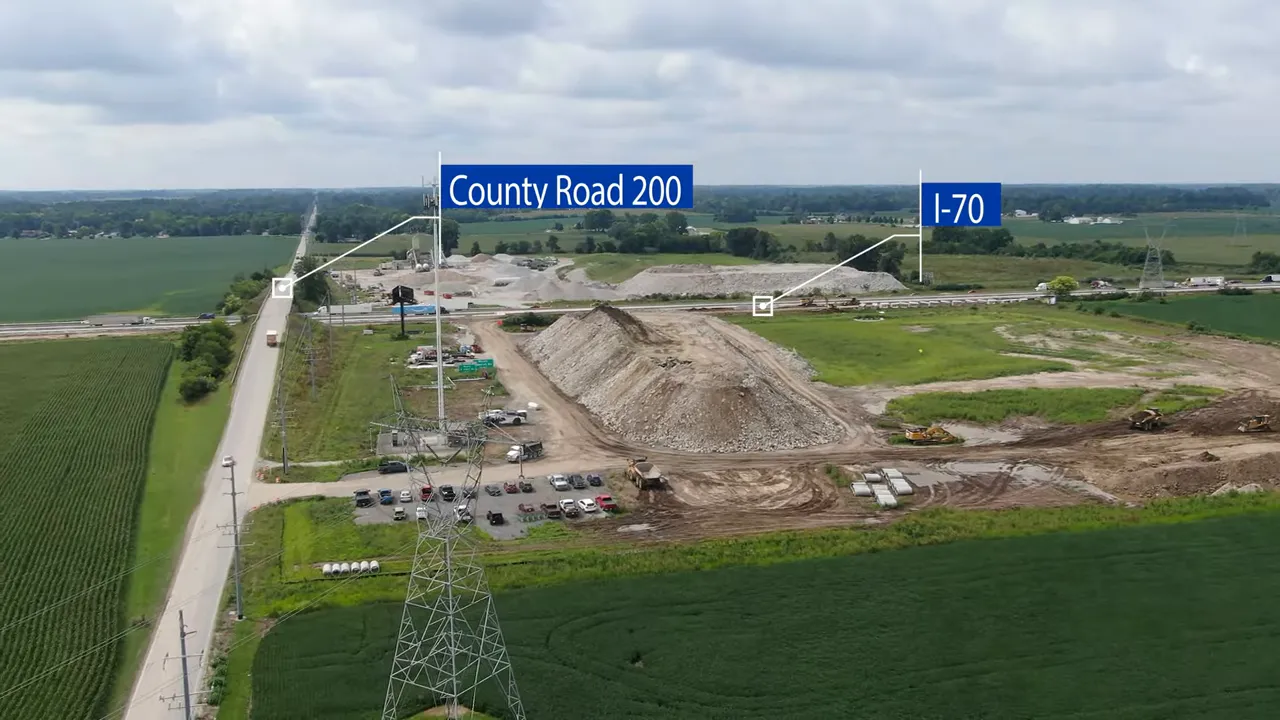
That is why Hancock County feels like more than just open land. It feels like open land that is already being set up to change.
Hancock County Housing Market
Affordability is relative, especially these days, but Hancock County tends to present more options under the higher price tiers that dominate some of the north side suburbs.
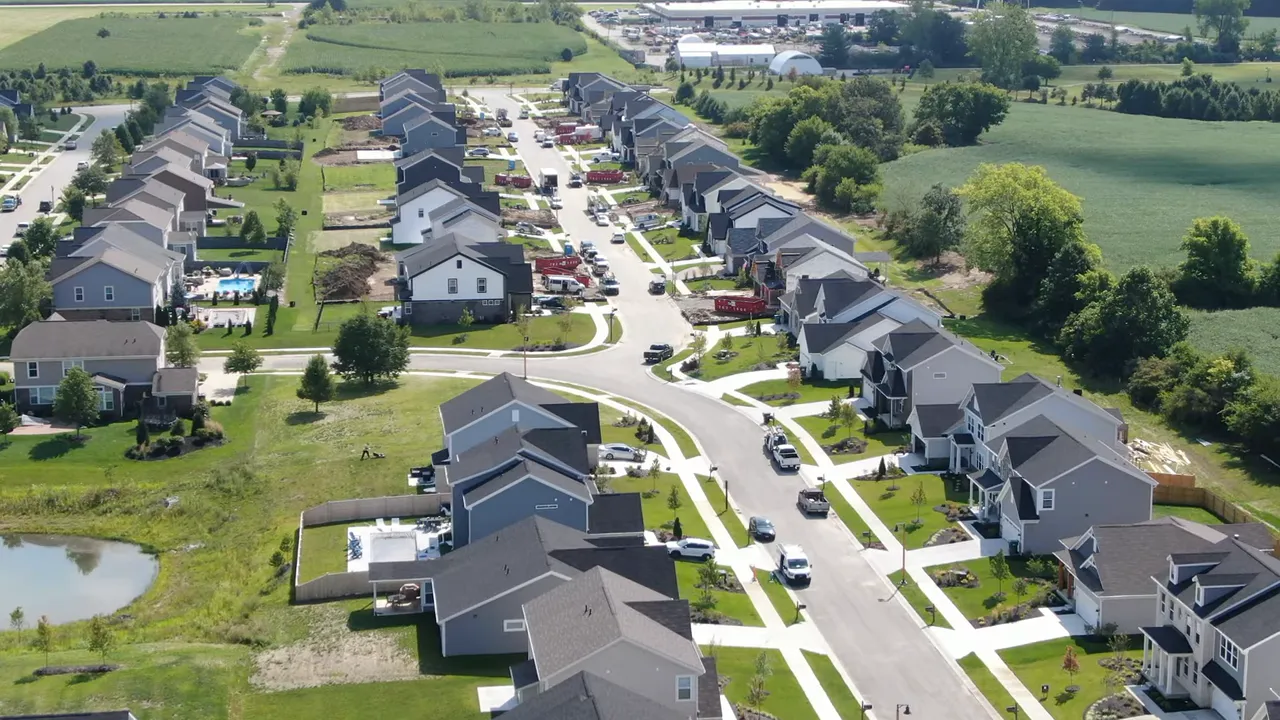
There is a lot of new construction throughout McCordsville, Fortville, and the broader Greenfield and New Palestine areas. In some places we find established neighborhoods and older homes. In others, we find brand new subdivisions filling in former open space.
That mix can be appealing for different reasons:
- If we want new construction, there is plenty to look at.
- If we want a little more lot space, some areas offer that.
- If we want a small town identity without being too isolated, towns like Fortville and New Palestine can make sense.
- If we want older housing stock mixed into a growing market, Greenfield has some of that too.
For people moving to Indianapolis who feel priced out of Carmel, Zionsville, Fishers, or even parts of Westfield, Hancock County can be where the conversation gets more realistic.
What the East Side Growth Pattern Looks Like
The most important thing to understand is not just the towns themselves, but the spaces between them.
McCordsville has already been growing as Fishers expands eastward. Fortville is growing too. Greenfield has developed areas, but also a lot of land around it. New Palestine has been steadily adding neighborhoods. The large open areas between these places are where future residential and commercial fill in is most likely.
That is the kind of landscape we want to notice when evaluating long term opportunity.
Boone County Growth
Now let us head northwest.
Boone County is another area that deserves serious attention, especially for anyone moving to Indianapolis who wants growth potential but prefers the northwest side. The key communities here are:
- Whitestown
- Lebanon
- Zionsville on the southeastern edge of the county conversation
Boone County is similar to Hancock County in total population, sitting around 77,000 to 78,000 people. So just like Hancock, it is not yet overloaded with people compared to its proximity to the metro.
Whitestown has been one of the faster growing areas in the region. There is a lot of visible new construction and continued development pressure along the I-65 corridor.
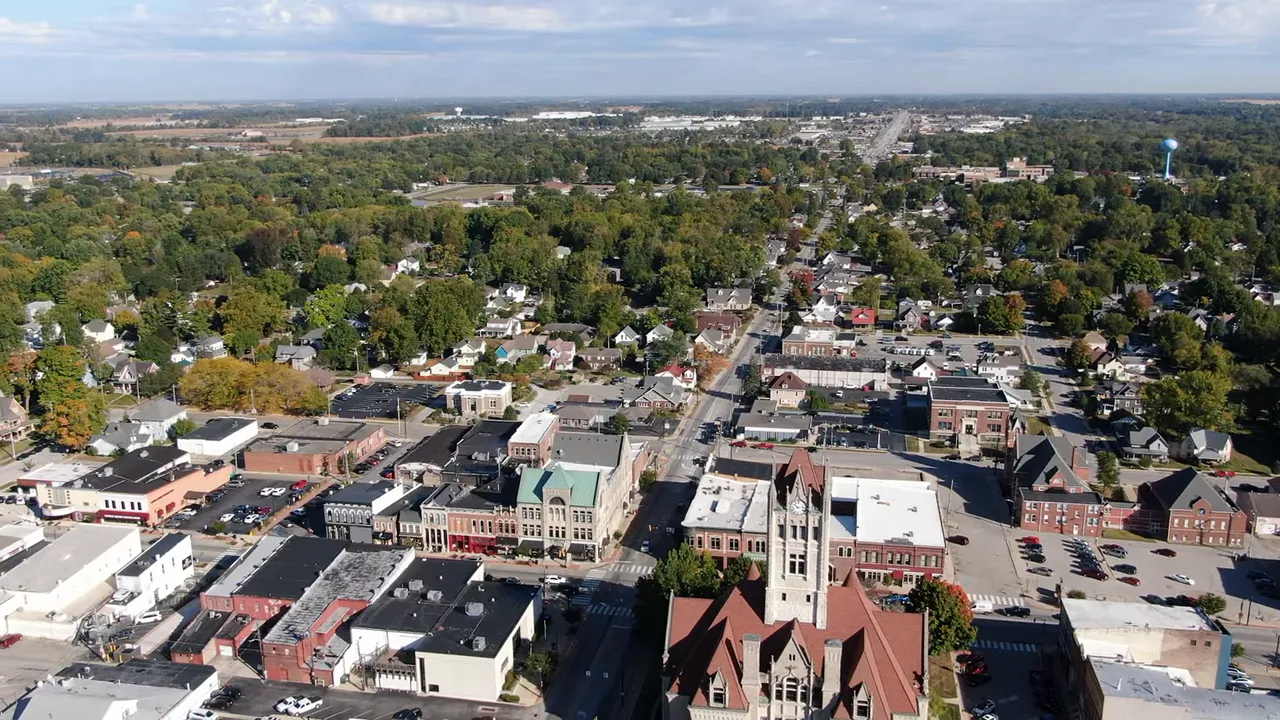
Lebanon offers a different feel. There are new construction opportunities there too, but there is also a traditional downtown and some older homes with more character. Those charming older homes are harder to find because there simply are not many of them compared with the volume of newer housing being built.
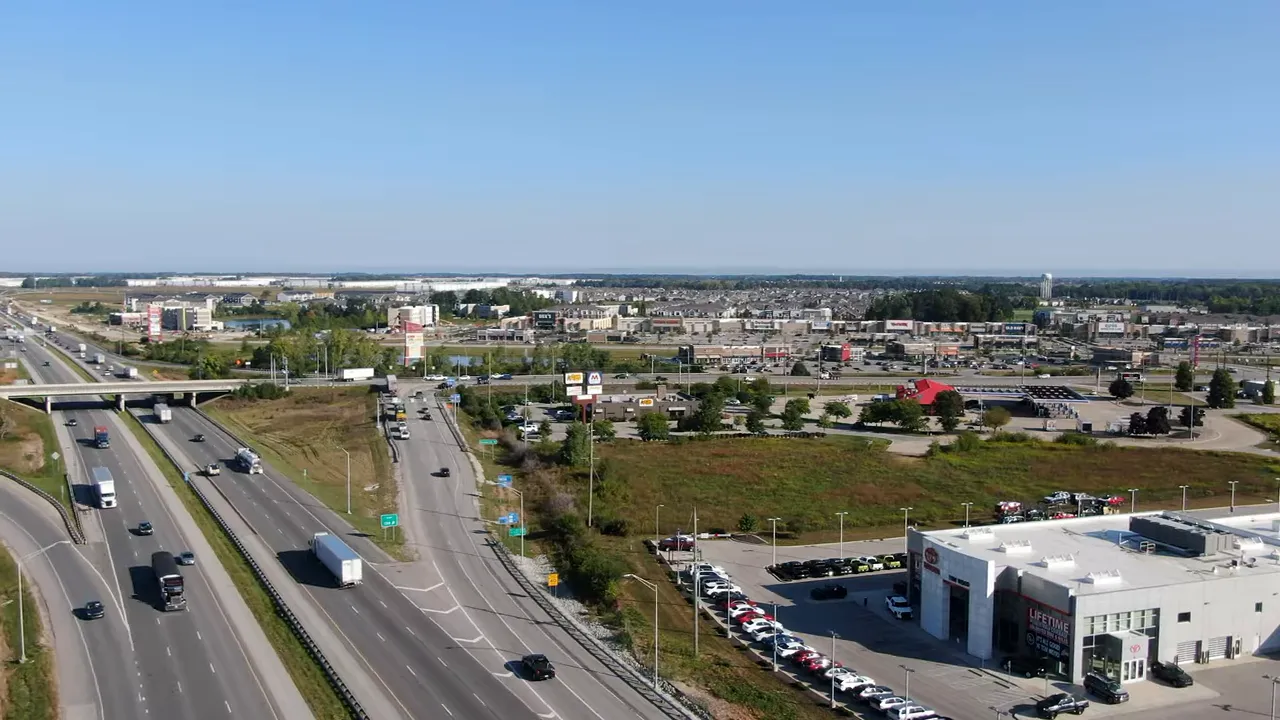
Boone County absolutely has opportunity. If our move is taking us to the northwest side, it should be on the list.
Boone vs Hancock County Comparison
Both counties are good bets. But if we are trying to rank them based on future pace of growth, Hancock County probably has the edge.
Why?
- There is simply more open space in the most strategic east side locations.
- Access from Indianapolis and the north side into places like McCordsville, Fortville, Greenfield, and New Palestine is pretty easy.
- The I-70 corridor is a major economic driver.
- The industrial and logistics investment on the east side is already significant.
- The area still has a relatively low population base, which makes future percentage growth easier to imagine.
Boone County will grow too, no question. Whitestown in particular has already shown that. But the east side story feels a little earlier, a little less filled in, and a little more dramatic over the next 10 to 20 years.
And for anyone moving to Indianapolis, earlier growth often means better odds of finding something that still feels reasonable today.
Indianapolis Home Search Strategy
If we are narrowing down options for moving to Indianapolis, it helps to ask a few simple questions:
- Do we want an area that is already polished and mature, or one that is still developing?
- Do we care more about being north, west, south, or east of downtown?
- Are we comfortable trading some established amenities today for more growth tomorrow?
- Would we rather buy into a finished suburb, or into a corridor that is still filling in?
If we want the most established suburban experience, Hamilton County and parts of Hendricks or Johnson County may be the better fit.
If we want what looks like the next chapter, Hancock County stands out first, and Boone County is right there behind it.
That is really the takeaway. There is no secret magic suburb that nobody knows about. But there are still parts of the metro where the map tells a very different story than the housing conversation usually does.
THINKING OF BUILDING YOUR NEXT HOME? HERE'S A LOCAL GUIDE TO BUILDERS AND PITFALLS
FAQs About Moving to Indianapolis
Are Hancock County and Boone County cheaper than Carmel or Zionsville?
In general, yes. The main point is not that every home will be inexpensive, but that these counties tend to offer more attainable options than the most established premium suburbs on the north side.
Is Greenfield too far away for someone moving to Indianapolis?
Not necessarily. Greenfield often looks farther out on a map than it feels in real life. The I-70 connection is strong, and some Greenfield addressed areas sit much closer to Indianapolis than many people assume.
Why is Hancock County such a strong growth candidate?
It combines low current population, major open land, interstate access, large logistics investment, airport proximity, and expanding suburban pressure from nearby areas like Fishers and the east side of Indianapolis.
What towns should we focus on in Hancock County?
Greenfield, McCordsville, Fortville, and New Palestine are the main places to study. Each offers a slightly different mix of town feel, housing stock, and growth pattern.
What towns matter most in Boone County?
Whitestown and Lebanon are the big ones in this conversation. Whitestown is seeing rapid new development, while Lebanon offers both new construction and a more traditional historic core.
Which side is better for moving to Indianapolis if we want future appreciation potential?
If we are talking strictly about where growth may be most explosive over the next 10 to 20 years, the east side in Hancock County probably has the strongest case. Boone County is still a very solid option, especially on the northwest side.
Final Thoughts
For many people moving to Indianapolis, the biggest mistake is searching only where everyone else is already searching. Sometimes the better move is to go one layer out, find the places with strong access and obvious room to grow, and pay attention before the rest of the market fully catches up.
Right now, that conversation starts with Hancock County and Boone County.
If you’re thinking about buying a home (now or soon), I can help you narrow down the best neighborhoods and give you a realistic view of what’s coming next. Call or text 317-932-8620, or book a FREE consultation here.
READ MORE: Moving To Brownsburg Indiana: Reasons To Put It On Your List